Gardening Made Simple.
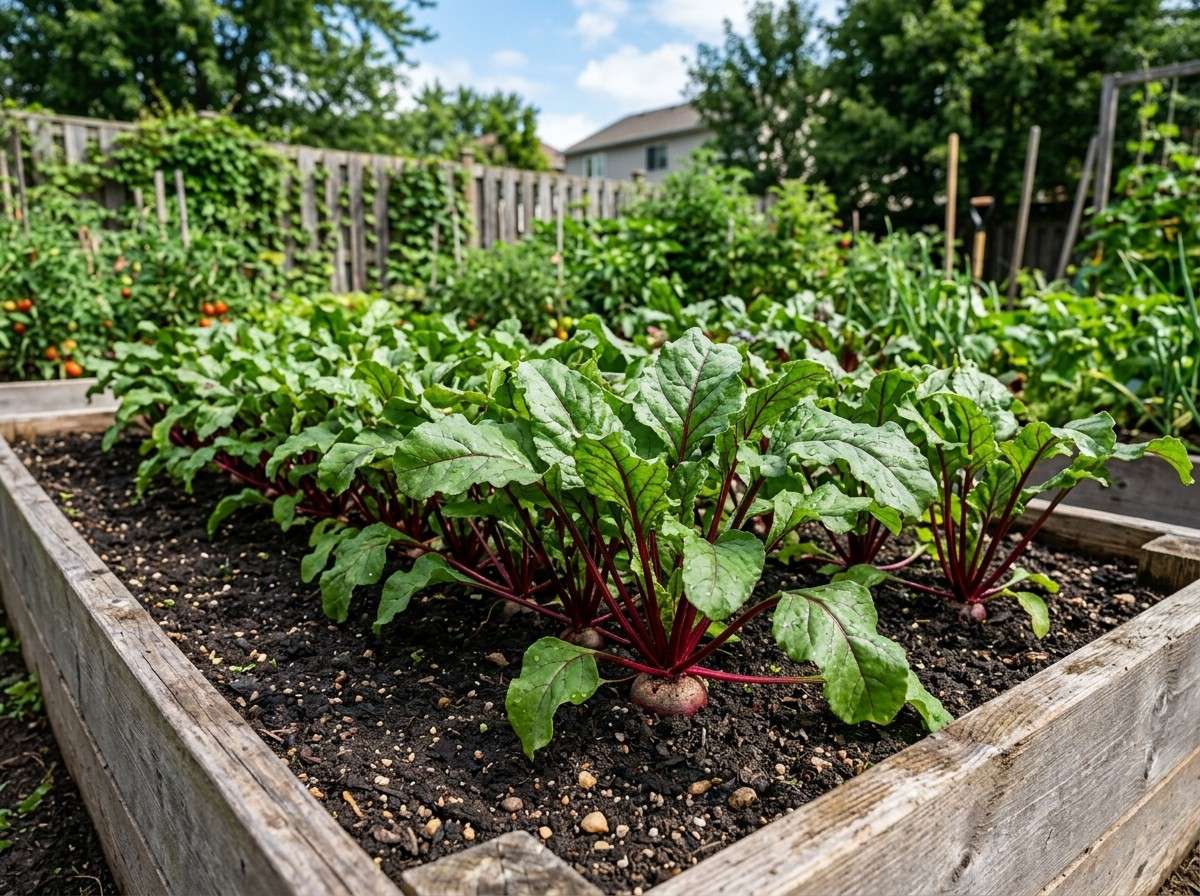
How to Grow Beets is a great starting point for anyone who wants to enjoy fresh, homegrown root vegetables. If you're wondering how to grow beets, success begins with choosing quality seeds, preparing fertile, well-drained soil, and providing consistent care throughout the growing season.
This guide walks you through every step—from planting and watering to harvesting and solving common growing problems—so you can enjoy a healthy, abundant beet harvest.
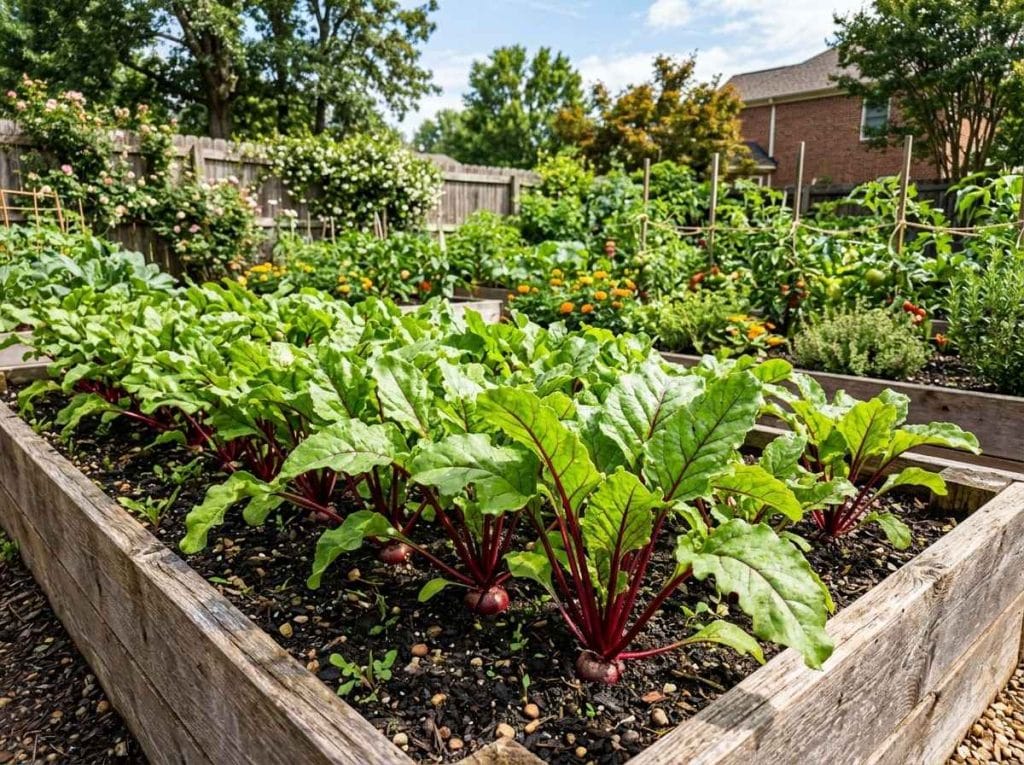
Beets come in many shapes, colors, and flavors. Picking the right variety matters for taste, appearance, and how well they grow in your climate.
Most beet varieties are ready in 50–70 days. If you live in a hot climate, choose heat-tolerant types like Boltardy. For cooler climates, almost any beet will perform well.
| Variety | Color | Days to Maturity | Best Use |
|---|---|---|---|
| Detroit Dark Red | Deep Red | 55–65 | Roasting, salads |
| Golden Beet | Yellow | 50–60 | Salads, low mess |
| Chioggia | Pink/White | 55–65 | Raw, visual appeal |
| Cylindra | Red | 60–70 | Pickling, slicing |
| Baby Beets | Red/Yellow | 40–50 | Greens, small roots |
Non-obvious insight: Some beet varieties have sweeter greens, which can be used in salads or cooked like spinach. If you want both tasty roots and greens, look for dual-purpose types.
Healthy soil is the foundation for strong, flavorful beets. Beets need loose, well-drained soil with plenty of organic matter.
| Nutrient | Effect on Beets | Recommended Amount |
|---|---|---|
| Nitrogen | Leaf growth | Low |
| Phosphorus | Root development | Medium-High |
| Potassium | Overall health | Medium-High |
Experienced tip: Avoid compacted soil. Roots need space to expand. If your garden soil is heavy, consider using a raised bed or mixing sand to improve drainage.
Timing and planting technique are crucial for a good beet harvest. Beets are cool-season crops, so they do best in spring and fall.
Beet seeds are actually clusters. Each "seed" may produce 2–4 seedlings. Soak seeds in water for 12 hours before planting to speed up germination.
After 7–14 days, seedlings appear. When they reach 2–3 inches tall, thin them to 3–4 inches apart. Thinned seedlings can be eaten as baby greens.
Non-obvious insight: Plant beets in succession (every 2–3 weeks) for a steady harvest. This avoids a glut of beets all at once.
Proper care ensures your beets grow healthy and strong. They are fairly low-maintenance, but a few key steps make a big difference.
| Issue | Symptoms | Solution |
|---|---|---|
| Leaf spot | Brown spots, yellowing | Remove affected leaves, improve air flow |
| Root maggot | Small holes, stunted roots | Use row covers, rotate crops |
| Borax deficiency | Black spots inside roots | Add 1 tsp borax per 100 ft2 to soil |
| Bolting | Plants flower early | Plant in cool weather, avoid heat stress |
Experienced tip: If you see thin leaves or weak roots, check for boron deficiency. Beets need a small amount of boron—without it, roots may turn black inside.
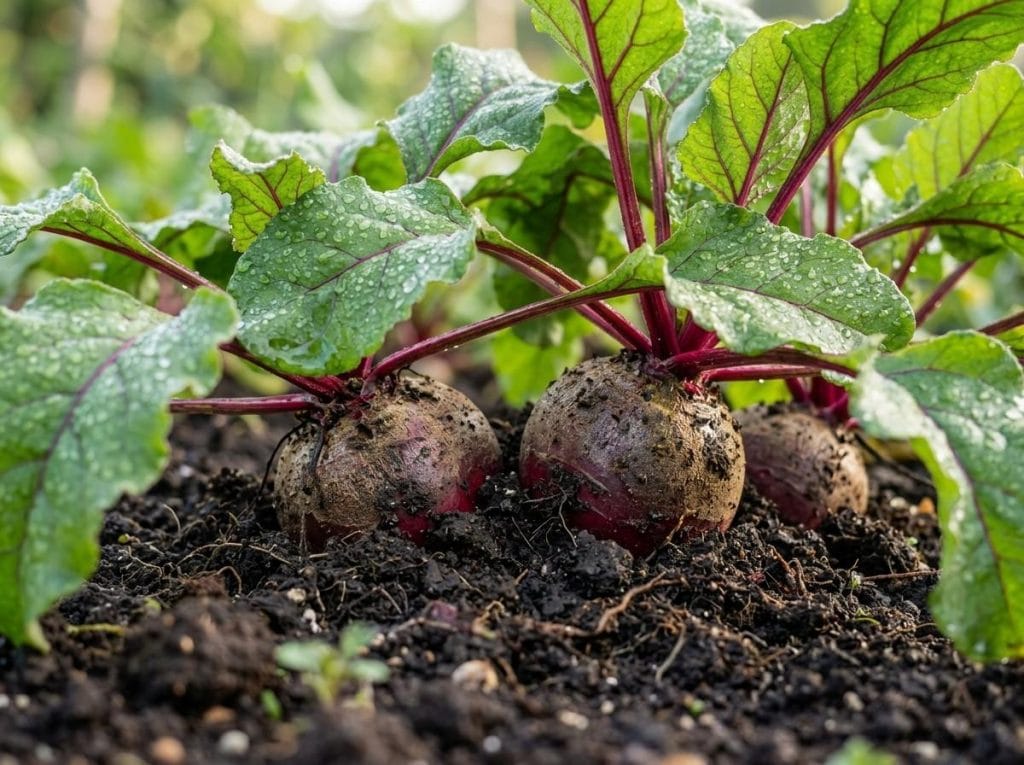
Timing your harvest is important for flavor and texture. Beets are ready as soon as they reach the desired size.
Check roots by gently brushing away soil. If the beet is the size you want, pull it up by the base of the leaves.
Non-obvious insight: If you leave a few beets in the ground, they can survive mild winter temperatures and provide early spring greens.
Beets store well if handled properly. Both roots and greens are edible.
Experienced tip: Never wash beets before storing. Moisture encourages rot. Brush off soil and wash just before use.
Even with care, beets can face issues. Spotting problems early helps you fix them quickly.
Experienced tip: Rotate your beet crop every year. Growing in the same spot increases risk of diseases and pests.
You don’t need a garden to grow beets. Containers work well if you follow a few simple rules.
Non-obvious insight: Container-grown beets may mature faster because the soil warms up quickly. Check roots often to avoid overgrowth.
Beets benefit from growing alongside certain plants, and some should be avoided.
Companion planting helps prevent pests and improves yield.
Once you master the basics, try these advanced tricks for bigger, tastier roots.
Apply a side dressing of wood ash (for potassium) or bone meal (for phosphorus) halfway through the growing season.
Reduce watering slightly in the last two weeks before harvest. This concentrates sugars and makes beets taste sweeter.
In hot climates, shade beets with row covers or plant them where they get afternoon shade. This prevents bolting and bitterness.
If your soil is cold or dry, cover seeds with a light layer of straw after planting. This keeps soil moist and warm.
Experienced tip: If you want ultra-sweet beets, pick them young and roast them whole with skins on. Younger roots have higher sugar content and softer texture.
Beets are not just tasty—they’re packed with nutrients. They contain:
Eating beets can lower blood pressure, improve athletic performance, and boost brain health. Beet greens are equally nutritious, with even more vitamins than the roots.
| Nutrient | Beet Roots (per 100g) | Beet Greens (per 100g) |
|---|---|---|
| Vitamin A | None | 190% DV |
| Vitamin C | 8% DV | 30% DV |
| Iron | 6% DV | 13% DV |
| Fiber | 2.8g | 3.7g |
Experienced tip: Don’t throw away beet greens. They’re delicious sautéed with garlic and olive oil.
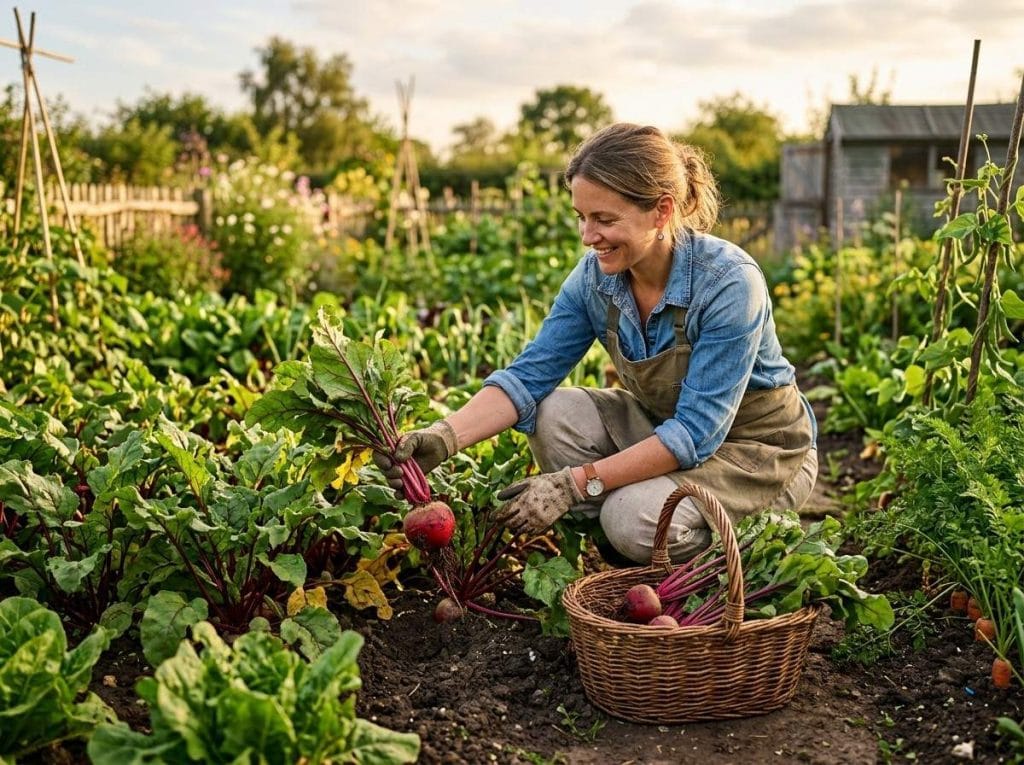
Most beet varieties take 50–70 days to reach maturity. Baby beets can be harvested in as little as 30–40 days. For a continuous harvest, plant new seeds every 2–3 weeks.
Yes, you can grow beets indoors in containers. Use a bright window or grow lights, keep soil moist, and ensure pots are at least 12 inches deep. Indoor beets may grow slower, but you can harvest greens and small roots.
Bitterness is usually caused by heat stress or drought. Beets are sweeter when grown in cool weather and watered consistently. Over-mature roots can also become woody and bitter.
Common beet pests include root maggots, leaf miners, and aphids. Use row covers, companion planting, and crop rotation to reduce pest problems. Remove affected leaves and roots promptly.
Test your soil for pH (6.0–7.0) and nutrient levels. Beets need medium phosphorus and potassium, but low nitrogen. If roots are small or leaves weak, consider a soil test or consult a local extension office. For more in-depth soil advice, visit the Soil Quality Institute.
Growing beets is easy once you know what to look for. With careful preparation, the right variety, and attention to detail, you’ll enjoy a bounty of colorful, nutritious roots and greens. Whether you’re a beginner or a seasoned gardener, the tips in this guide will help you make the most of your beet crop—season after season.