Gardening Made Simple.
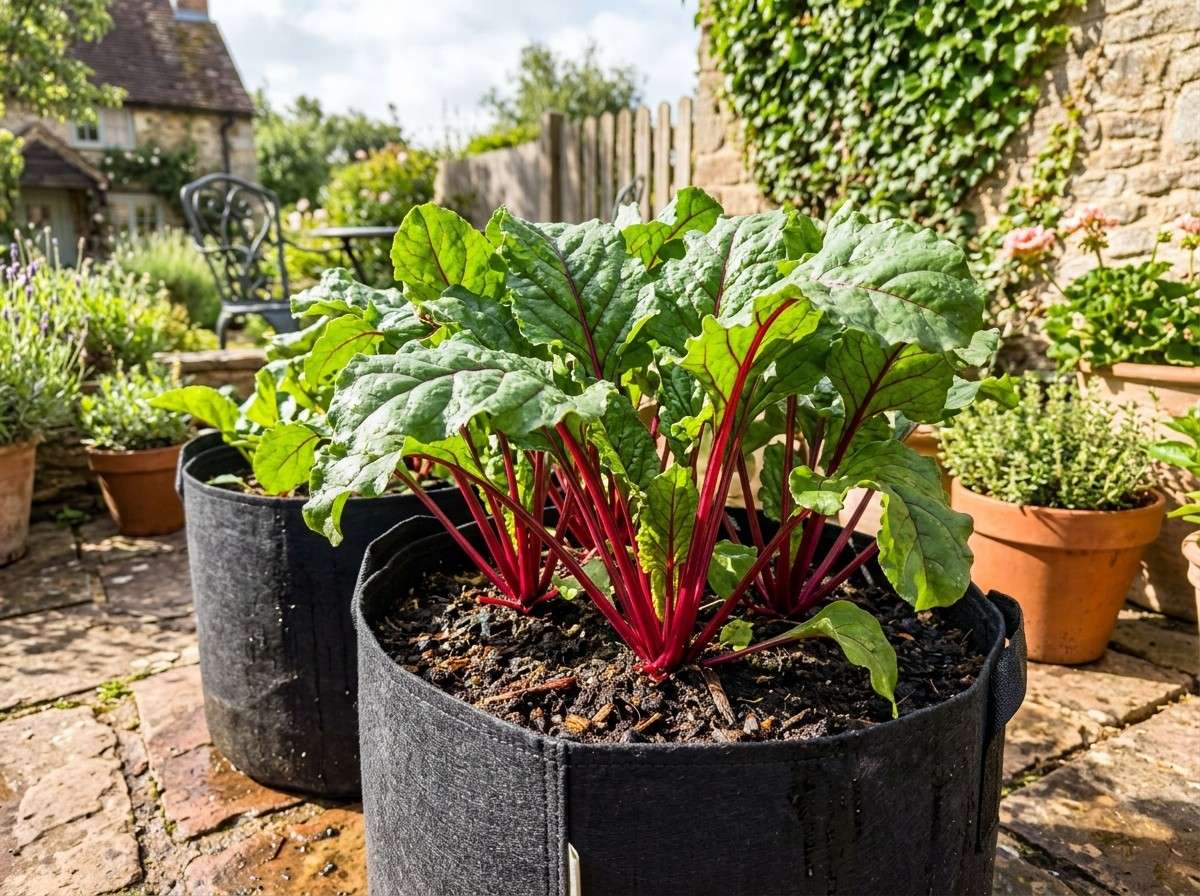
Growing your own vegetables brings a special kind of satisfaction. For many people, space is a big problem. Not everyone has a large garden or backyard. But what if you could grow healthy, tasty beets right on your balcony or patio? Growing beets in pots is not only possible, it is surprisingly easy—and you don’t need a green thumb to succeed. With the right approach, even beginners can enjoy a harvest of sweet, earthy beets, whether you live in a city apartment or have limited outdoor space.
Many people think root vegetables, like beets, need deep ground soil. The truth is, with good containers and a few smart techniques, beets thrive in pots. You can control the soil, water, and sunlight more easily, which often means better results than growing in the ground.
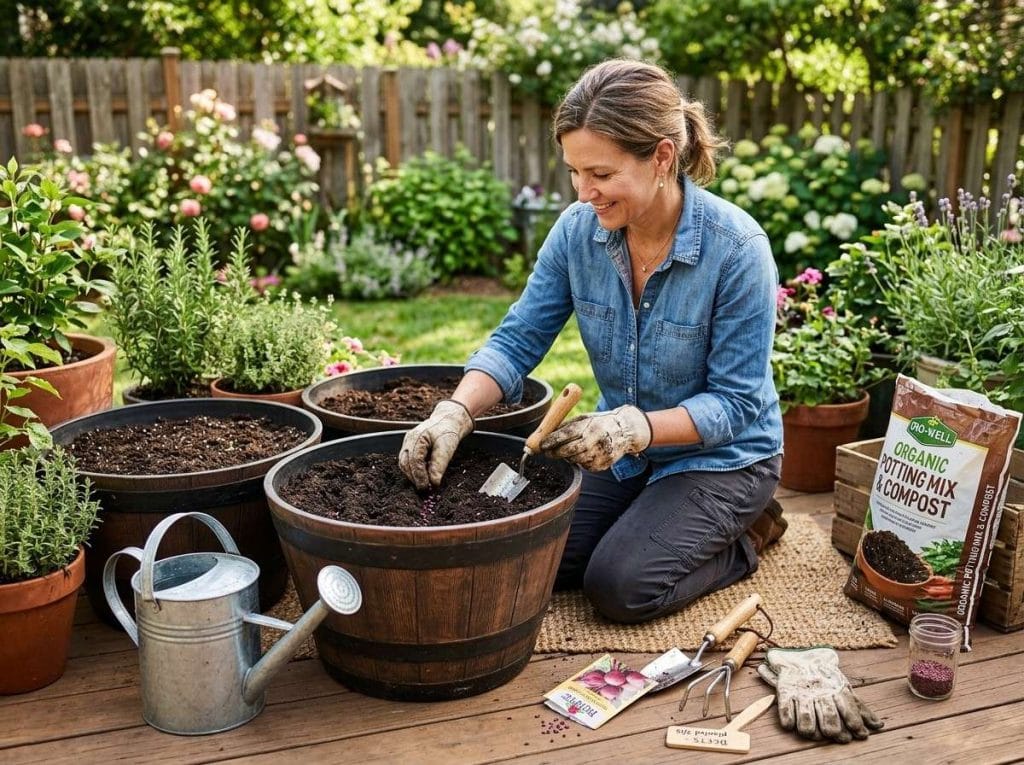
Plus, potted beets are less likely to suffer from soil-borne diseases or pests common in gardens.
This guide will walk you through every step of growing beets in pots—from choosing the right container to harvesting your crop. We’ll cover practical tips, common mistakes, and even a few secrets experienced growers use to get the best results.
Whether you want to add more fresh food to your diet or just enjoy the process of gardening, you’ll find everything you need right here.
If you’re new to container gardening, you might wonder why you should grow beets in pots instead of the ground. There are several good reasons.
First, space-saving is a big advantage. Containers fit on balconies, patios, windowsills, or even stairways. You don’t need a yard or garden plot.
Second, pots give you much more control over soil quality. Beets prefer loose, well-drained soil. Many garden beds have compacted or rocky soil, which is tough for round roots to develop. In a container, you can give your beets perfect conditions.
Third, mobility is a benefit. Pots can be moved to follow the sun or be protected from heavy rain, frost, or wind. This helps if you’re dealing with changing weather.
Another key reason: less weeding and fewer pests. Container plants typically have fewer problems with weeds, and it’s easier to notice and deal with bugs or diseases early.
Finally, many people find that growing in pots is simply easier to manage. Tasks like watering, feeding, and harvesting are more comfortable when your plants are at waist or table height.
Your choice of container is one of the most important decisions. Beets need enough space to form their roots, so size and shape matter.
Beets grow best when they have at least 6-8 inches (15-20 cm) of soil depth. This gives the root enough room to expand without crowding. The width is also important—wider pots allow you to grow more beets at once.
Here’s a comparison of common pot sizes and their suitability for beets:
| Container Size | Soil Depth | Number of Beets | Suitability |
|---|---|---|---|
| 1-gallon (small) | 6 inches | 2-3 | Limited |
| 3-gallon (medium) | 8 inches | 6-8 | Good |
| 5-gallon (large) | 10+ inches | 10-12 | Excellent |
Aim for at least a 3-gallon container that is 8 inches deep for best results. Rectangular planters, window boxes, or even repurposed buckets can work if they meet the size requirement.
Each material has its pros and cons:
If you live in a hot, sunny area, avoid dark-colored or metal pots—they can overheat and stress your plants.
No matter the type, every pot needs drainage holes. Beets hate soggy roots. If your container doesn’t have holes, drill or punch several at the bottom before filling it with soil.
Not all beets are created equal—some are better suited to containers than others. Look for small to medium varieties. These types grow round, tender roots without needing a lot of space.
Popular choices for pots include:
Try to avoid long or cylindrical types like ‘Cylindra’, since these need deeper soil and may struggle in containers.
Soil is one area where container gardening shines. Beets need loose, fertile, and well-draining soil. Heavy garden soil or pure compost won’t work well.
For best results, use a mix that balances drainage and nutrition. Here’s a simple formula:
Mix these well before adding to the pot. Potting mix is lighter and designed for containers, which prevents root compaction.
Beets like a slightly acidic to neutral pH (6.0–7.0). If your mix is too acidic or alkaline, roots may not develop well.
Add a slow-release organic fertilizer or a handful of well-rotted manure before planting. Avoid high-nitrogen fertilizers—they produce lots of leaves but small roots.
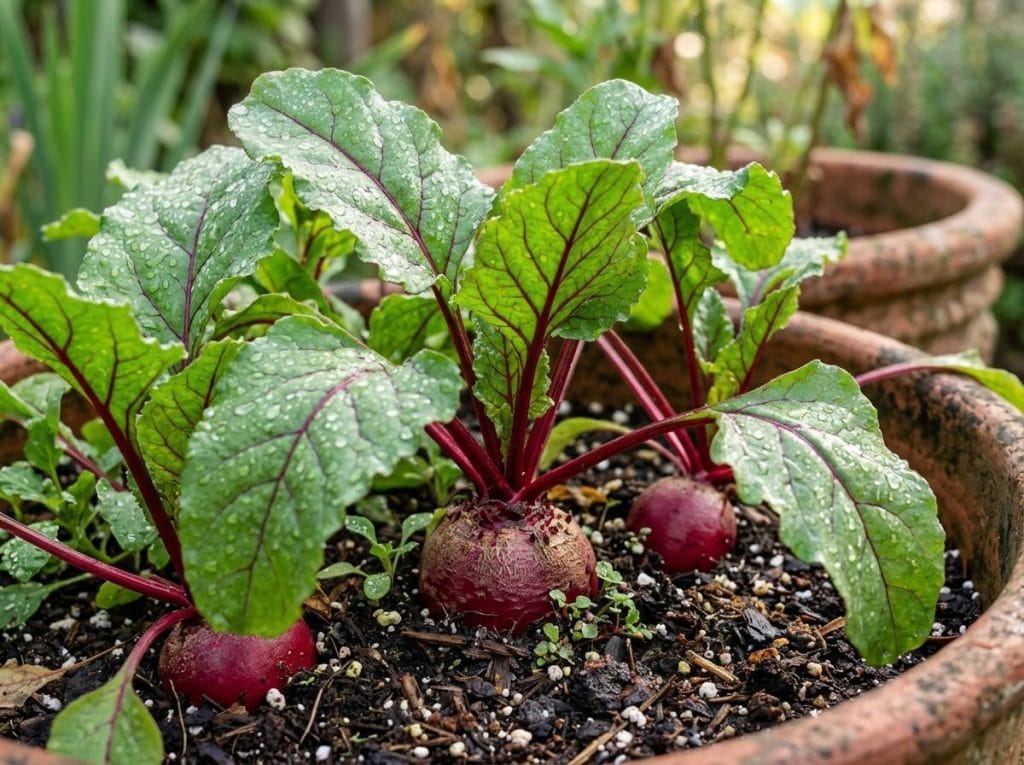
Unlike some vegetables, beets are best sown directly where they will grow. Transplanting can disturb their roots and reduce yield.
Good spacing prevents overcrowding and small roots. For most varieties, aim for 2–3 inches (5–7 cm) between plants. Thin seedlings once they’re 2 inches tall by gently removing extras, leaving the strongest.
Here’s a quick reference for spacing:
| Pot Diameter | Seeds to Sow | Final Plants (After Thinning) |
|---|---|---|
| 10 inches | 10–12 | 5–6 |
| 16 inches | 16–20 | 8–10 |
| 24 inches | 24–30 | 12–15 |
Beets are cool-weather crops but need plenty of sunlight to grow strong roots.
Beets grow best in temperatures between 50–75°F (10–24°C). They can survive light frosts, but hot weather above 80°F (27°C) can cause tough, woody roots.
If you live in a hot climate, give your pots morning sun and afternoon shade. You can also move pots or use a shade cloth during heat waves.
Proper watering is the secret to tender, sweet beets. Container plants dry out faster than those in the ground, so regular checks are essential.
Beets aren’t heavy feeders, but a balanced, slow-release fertilizer every 4–6 weeks keeps them growing. Avoid too much nitrogen—this leads to leafy tops and small roots.
A liquid seaweed or fish emulsion, diluted according to package directions, can be applied every 2–3 weeks for extra trace minerals.
After seedlings emerge, you’ll notice clumps—this is normal since beet “seeds” are clusters.
Thinning is a must. When plants are 2–3 inches tall, gently pull out extra seedlings so only the strongest remain, spaced 2–3 inches apart. Use scissors to snip at soil level if you want to avoid disturbing roots.
Don’t throw away the thinnings—the young leaves are delicious in salads.
Even with good care, problems can happen. Here’s how to spot and solve the most common issues:
Likely causes: Crowding, hard soil, or lack of sun.
Solution: Thin seedlings properly. Use loose soil. Move the pot to a sunnier spot.
Likely causes: Overwatering, poor drainage, or nutrient deficiency.
Solution: Check for soggy soil. Make sure your pot drains well. Add a balanced fertilizer if needed.
Likely causes: Hot weather or stress.
Solution: Try to keep beets cool. Plant in spring or fall. Shade pots during heat waves.
Aphids: Wash off with a strong spray or use insecticidal soap.
Leaf miners: Remove and destroy affected leaves.
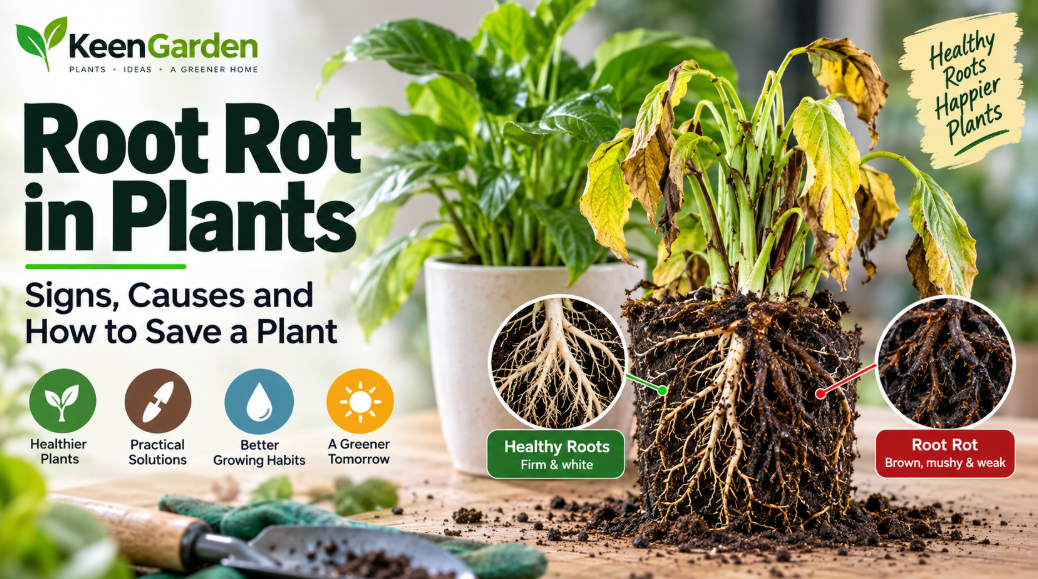
Root rot: Caused by waterlogged soil. Improve drainage and avoid overwatering.
A key insight: Beets in pots rarely suffer from the same level of pests or diseases as garden beets because containers are easier to monitor and manage. However, check regularly for problems and act early.
Harvest time is exciting. Most beet varieties are ready to pick 50–70 days after sowing, but you can pull young, “baby” beets earlier for tender roots.
Don’t wait too long—beets left too long can become tough or woody.
Remember: Beet greens are edible and full of nutrients. Use them in salads, soups, or stir-fries.
Most people focus on the root, but beet greens are a bonus crop. They taste a bit like Swiss chard or spinach and are packed with vitamins A, C, and K.
Harvest a few leaves from each plant as they grow. Don’t remove all leaves from one beet, or the root will stop growing. Take only the outer leaves, and leave the center ones to fuel root growth.
Want a steady supply of beets? Try succession planting. Instead of sowing all seeds at once, plant a new pot every 2–3 weeks. This way, you’ll always have new beets coming up as you harvest the old ones.
This technique stretches the harvest over months and makes the most of your space.
Beets can survive light frosts, but in cold climates, you may want to bring pots inside or cover them to extend the season.
With a strong grow light, it’s even possible to grow beets indoors year-round.
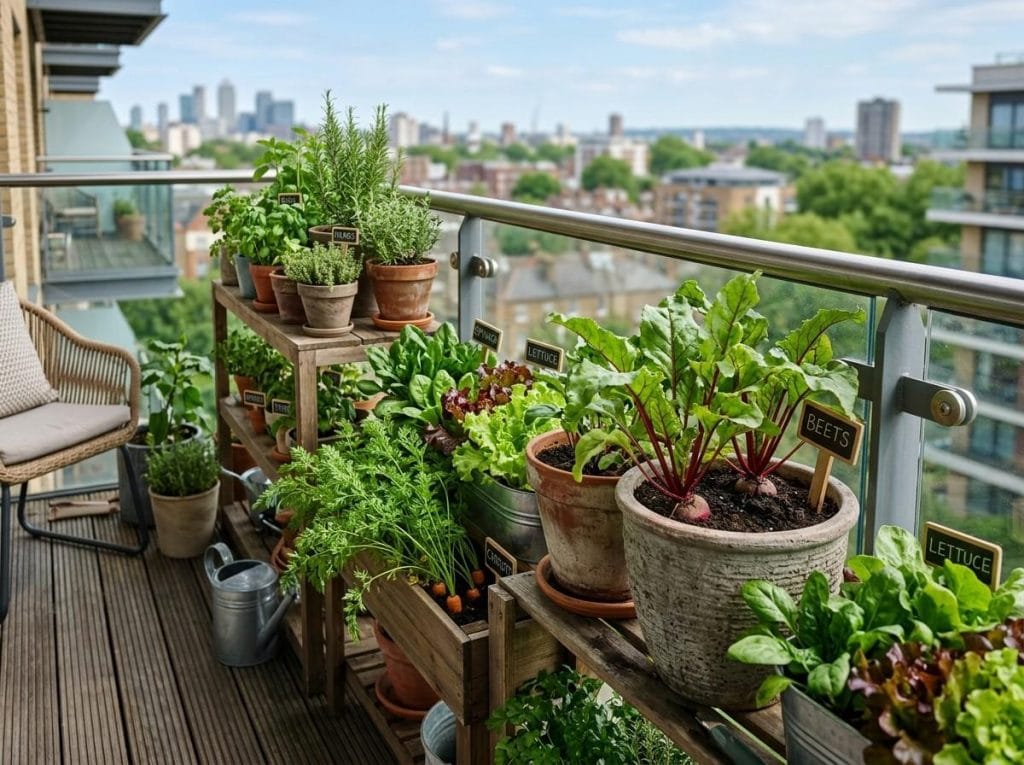
A non-obvious insight: Growing beets in containers means you can adjust quickly if something isn’t working. If growth is slow, try moving your pot, adjusting your watering schedule, or even repotting into fresh soil.
Container gardening, including beets, can help reduce your carbon footprint. You’ll use less water than in a traditional garden, and you can recycle old containers. Plus, growing your own food cuts down on packaging and transport pollution.
Most beet varieties take 50–70 days from sowing to harvest. Baby beets are ready in as little as 40 days. Cooler weather may slow growth, while warm, sunny conditions can speed it up. Always check the seed packet for specific timing.
Yes, with enough light. Beets need at least 6 hours of direct sun or a strong grow light. Indoor beets grow more slowly, and roots may be smaller, but greens will still be tasty and nutritious. Choose compact varieties for best results.
A balanced, slow-release fertilizer works well. Look for one with equal parts nitrogen, phosphorus, and potassium (like 10-10-10). Avoid high-nitrogen formulas—they encourage leaves, not roots. Organic options like compost or worm castings are also excellent.
This usually means overcrowding, poor soil, or not enough sun. Make sure you thin seedlings, use loose, rich soil, and give your pots at least 6 hours of sunlight. Avoid letting the soil dry out completely, but don’t overwater.
Aphids, leaf miners, and root rot are the main issues. Aphids can be washed off. Remove leaves with leaf miner trails. Prevent root rot by using well-draining soil and watering carefully. Growing in pots reduces most other problems.
Growing beets in pots is not just for experienced gardeners. With a little attention and the right setup, anyone can enjoy fresh, homegrown beets—even in the smallest space. If you need more tips, check out this resource: Gardener’s Supply Company.
A pot of beets on your patio is more than just a plant—it’s a step toward a healthier, more self-sufficient lifestyle. Give it a try this season and enjoy the taste of your own success.