Gardening Made Simple.
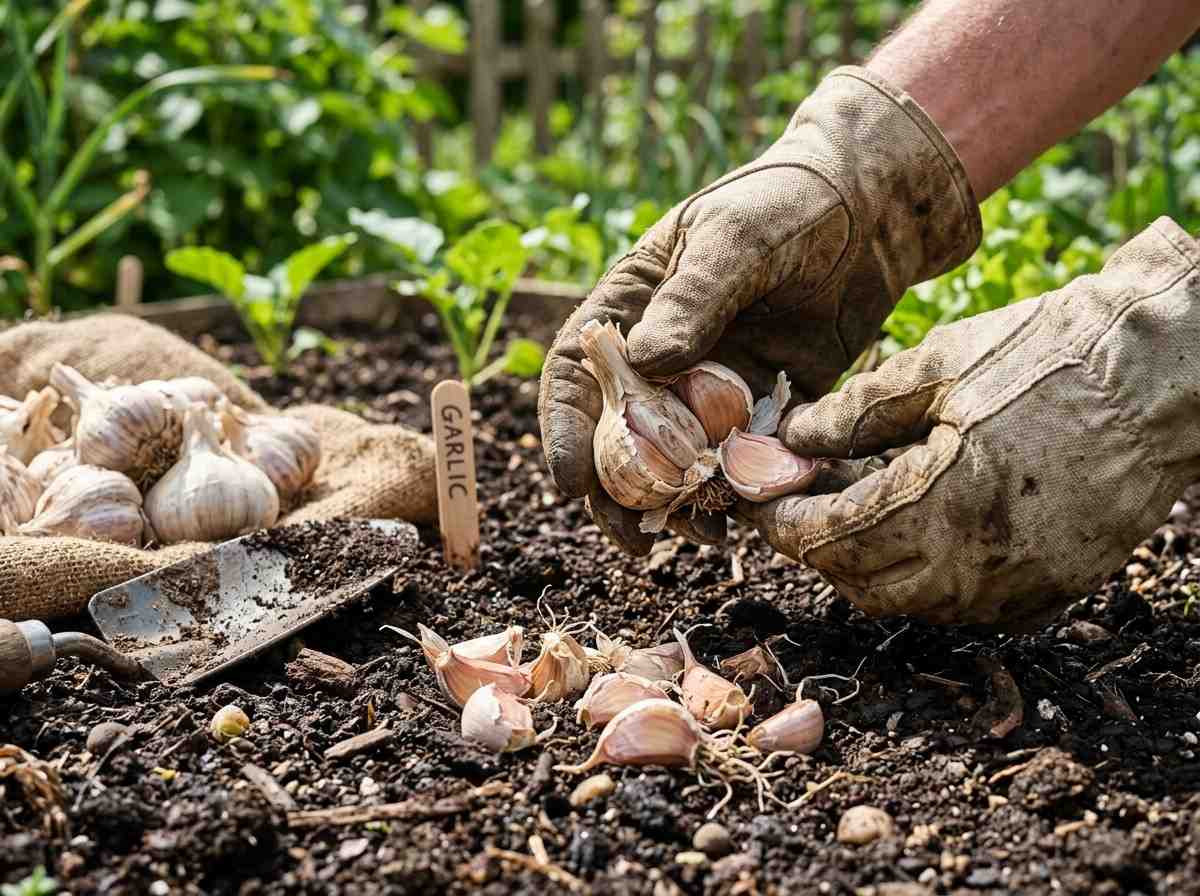
Are you ready to grow your own fresh garlic right at home? Choosing the right Garlic Bulbs for Planting is the first step toward a healthy, flavorful, and productive harvest in your garden.
Whether you’re a seasoned gardener or just starting out, knowing how to pick and plant garlic bulbs can make all the difference. You’ll discover simple tips to select the best bulbs, ensure strong growth, and enjoy a bountiful crop. Keep reading, and soon you’ll be harvesting garlic that’s fresher and tastier than anything from the store.
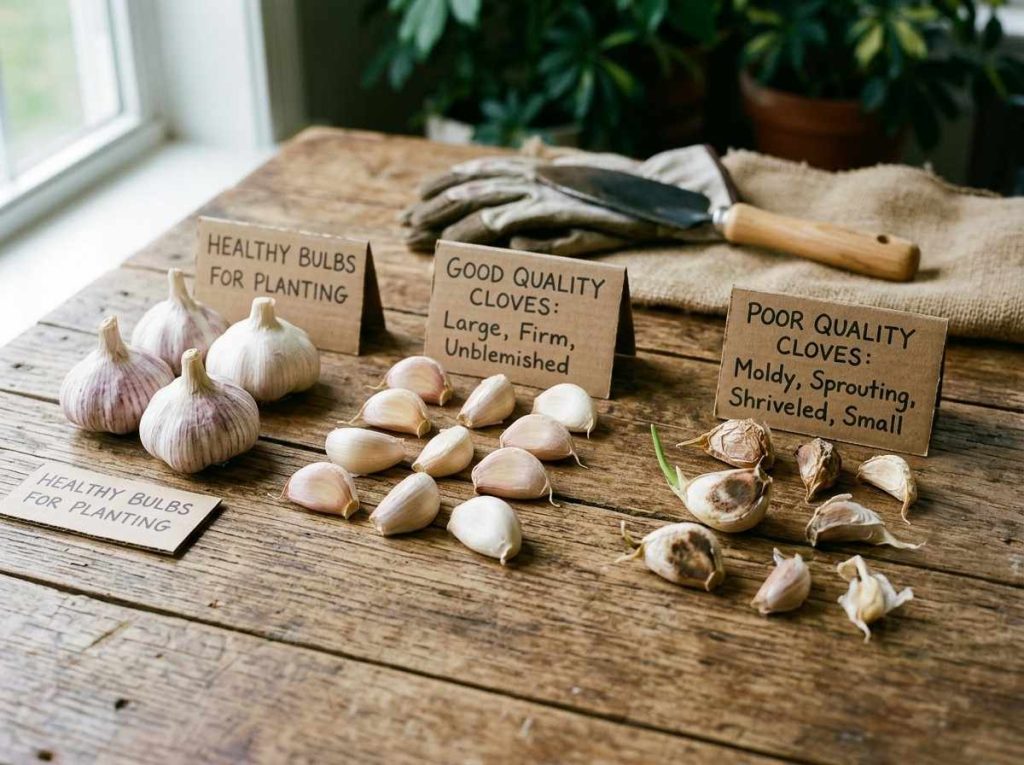
Choosing the right garlic variety is important for planting success. Different types of garlic grow better in certain places. The flavor and use in cooking also change by variety. Understanding these differences helps you pick the best garlic bulbs for your garden.
Explore the main types and their traits to find what fits your needs.
Hardneck garlic has a stiff stem in the center. It grows well in cold climates. Hardneck types produce fewer but larger cloves. They have a stronger, more complex taste.
Softneck garlic has a flexible stem. It grows better in warm areas. Softneck garlic produces many small cloves. This type stores longer than hardneck garlic.
Some garlic types thrive in certain regions. Hardneck varieties suit northern, colder zones. Softneck types prefer southern, milder climates. Checking your local climate helps you choose the right type. This improves growth and harvest success.
Garlic taste varies by variety. Hardneck garlic often tastes spicy and bold. Softneck garlic has a milder, sweeter flavor. Some varieties have a nutty or earthy note. Pick garlic that matches your cooking style.
Selecting quality garlic bulbs is the first step to a healthy, productive garden. Good bulbs grow strong plants and big harvests. Poor bulbs cause weak growth and low yields. Choose bulbs with care to ensure success in your garden.
Healthy cloves are firm and plump. Avoid soft or shriveled cloves. The skin should be dry and tight. No signs of mold or dark spots. Large cloves often grow better than small ones.
Diseased bulbs can spread problems quickly. Look for any discoloration or unusual marks. Avoid bulbs with soft spots or a bad smell. Choose bulbs that feel heavy for their size. This means they are fresh and healthy.
Buy seed garlic from trusted suppliers only. Garden centers and local farms often sell good bulbs. Online stores can offer many varieties. Ensure the seller has good reviews. Avoid using grocery store garlic for planting. It may not grow well or carry diseases.
Preparing the planting site is a key step for healthy garlic bulbs. Good preparation helps bulbs grow strong and produce large heads. Understanding soil, sunlight, and proper preparation makes a big difference.
Garlic grows best in loose, well-drained soil. Soil must have good nutrients and a neutral to slightly acidic pH. Avoid heavy clay or waterlogged soil. Healthy soil helps roots spread and absorb water.
Choose a spot that gets full sun for most of the day. Garlic needs at least six hours of direct sunlight. Pick a location away from tall plants or trees. Sunlight supports strong growth and bulb development.
Start by clearing weeds and debris from the area. Loosen the soil to a depth of about 8 inches. Mix in compost or aged manure to add nutrients. Rake the soil smooth before planting the garlic cloves.
Planting garlic bulbs properly is key to a healthy and strong garlic crop. The right techniques help bulbs grow well and produce big garlic heads. Understanding the best time to plant, how far apart to place bulbs, and ways to prepare them before planting can make a big difference.
Plant garlic bulbs in the fall, about 4-6 weeks before the first frost. This timing lets roots grow before winter. Cold soil helps garlic develop strong shoots in spring. Avoid planting in very cold or frozen ground.
Plant each garlic clove 2 inches deep with the pointed end up. Space cloves 4 to 6 inches apart in rows. Rows should be 12 inches apart. Proper spacing gives bulbs room to grow and air to circulate, reducing disease risk.
Separate garlic bulbs into individual cloves just before planting. Choose large, healthy cloves for the best results. Avoid using small or damaged cloves. Some gardeners soak cloves in water for a few hours to boost growth. Others use natural fungicides to prevent soil diseases.
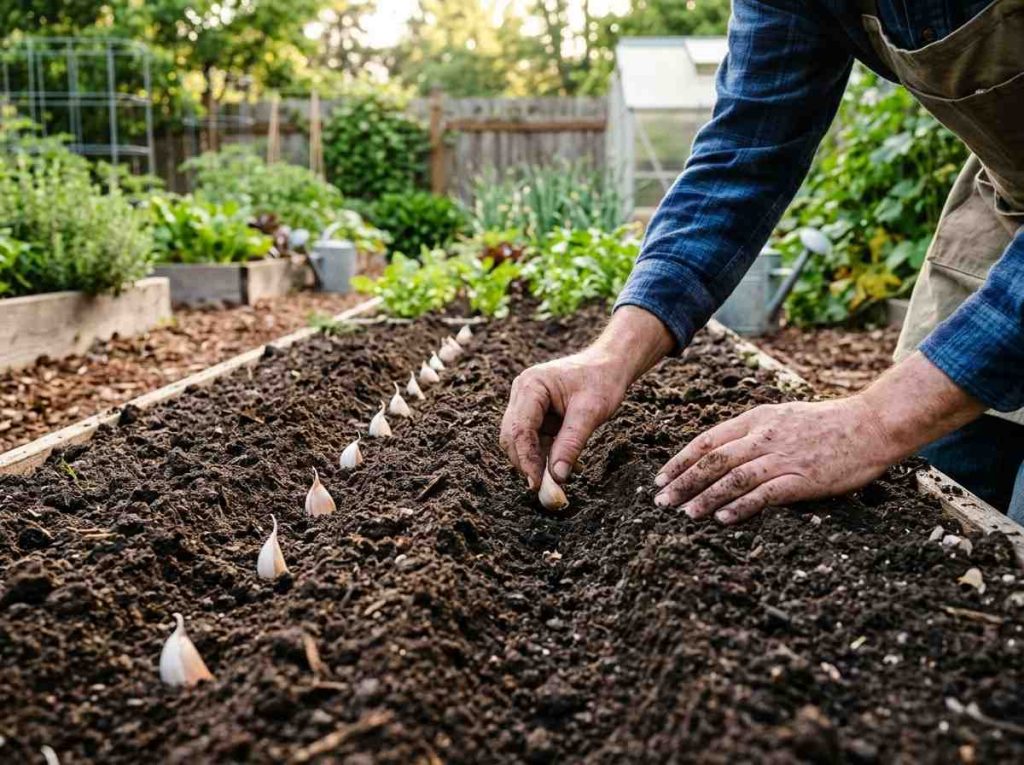
Caring for garlic plants is simple but important for a good harvest. Healthy garlic grows best with the right water, nutrients, and soil care. Small steps make a big difference.
Proper care helps garlic bulbs grow large and strong. It also protects plants from diseases and pests. Follow these tips to keep your garlic healthy and productive.
Garlic needs regular watering, especially during dry times. Water deeply once a week to reach the roots. Avoid overwatering. Too much water can cause bulbs to rot.
Stop watering two weeks before harvest. This helps the bulbs dry and store better. Use mulch to keep soil moist and reduce watering needs.
Garlic grows well with balanced nutrients. Apply a nitrogen-rich fertilizer early in the season. This supports green leaf growth.
Switch to a fertilizer with more phosphorus and potassium as bulbs form. These nutrients help bulb size and flavor. Avoid too much fertilizer late in the season.
Mulch keeps soil temperature steady and retains moisture. It also reduces weed growth around garlic plants. Use straw, leaves, or grass clippings as mulch.
Mulching helps garlic grow strong roots and large bulbs. It protects plants from frost and improves soil health over time.
Growing garlic bulbs can be easy and fun. Pests and diseases can stop your garlic from growing well. Managing these problems helps keep your plants healthy. It also improves the size and taste of your garlic. Watch your plants often for signs of trouble. Early action can save your garlic crop from damage.
Garlic has a few pests that cause damage. Onion thrips are small insects that feed on leaves. They make white patches and stunt growth. Nematodes are tiny worms that attack roots and bulbs. They cause swelling and poor plant growth. Garlic bulb mites live inside the bulbs. They can cause decay and soft spots. Check plants regularly to spot these pests early.
Keeping garlic healthy stops many diseases. Use clean, healthy garlic bulbs for planting. Rotate crops each year to avoid soil diseases. Avoid planting garlic in wet or poorly drained soil. Water plants early in the day to dry leaves fast. Remove dead leaves and old plants from the garden. Good airflow between plants reduces disease risk.
Natural methods control pests and diseases safely. Spray garlic leaves with soapy water to kill small insects. Use neem oil as a natural insect repellent. Plant garlic near herbs like mint or basil to repel pests. Sprinkle diatomaceous earth around plants to stop crawling insects. Encourage ladybugs and spiders, natural enemies of pests. These remedies keep garlic safe without harmful chemicals.
Harvesting garlic is an exciting part of growing your own food. It marks the time to collect the fruits of your hard work. Knowing when and how to harvest ensures strong, healthy bulbs that last long.
Watch the leaves closely. When about half the leaves turn brown, garlic is ready. The green leaves will start to dry and curl. Bulbs will feel firm in the soil. Avoid waiting too long or the bulbs may split.
Use a garden fork or shovel to loosen soil around bulbs. Lift the garlic gently to avoid damage. Hold the base and pull the bulb carefully. Avoid pulling by the leaves alone, as this can harm the bulb.
After harvesting, cure garlic in a dry, shady place. Airflow is important to prevent mold. Hang bulbs or lay them on a screen for 2 to 3 weeks. Once cured, trim the roots and cut the stems. Store garlic in a cool, dry spot with good air circulation.
Growing garlic bulbs can be rewarding but some problems might occur. Knowing how to fix these issues helps you get healthy garlic plants. This section covers common problems and how to solve them.
Poor growth can happen due to several reasons. Garlic needs well-drained soil and full sun to grow well. Planting bulbs too deep or too shallow affects root development. Using old or damaged bulbs also slows growth. Lack of water or nutrients makes plants weak. Checking soil quality and planting methods helps improve growth.
Garlic bulbs may grow misshapen or small. This often results from pests or diseases attacking the plant. Crowded planting reduces space for bulbs to form properly. Uneven watering can cause irregular growth. Using clean bulbs and keeping space between plants reduces deformities. Regularly inspect plants for pests and remove affected leaves.
Rot is a common problem in garlic bulbs. It happens when soil is too wet or poorly drained. Planting in raised beds or sandy soil prevents water buildup. Avoid overwatering and water early in the day to help soil dry faster. Using disease-free bulbs and rotating crops each year also stops rot. Removing infected plants quickly protects the rest of your crop.
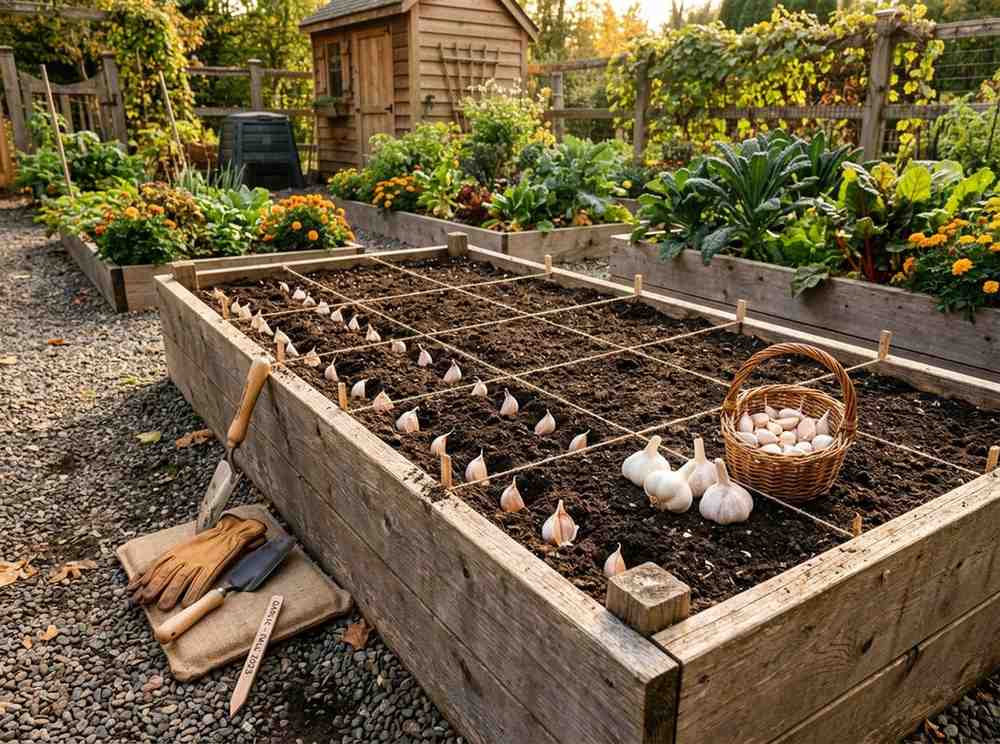
Plant garlic bulbs in fall, about 4-6 weeks before the ground freezes.
Plant bulbs 2 inches deep with the pointed side up for best growth.
Grocery store garlic may not grow well; use certified seed garlic instead.
Space bulbs 4-6 inches apart to give each plant enough room to grow.
Garlic usually takes 8-9 months from planting to harvest in most climates.
Planting garlic bulbs is simple and rewarding. Choose healthy bulbs for best growth. Plant in well-drained soil with good sunlight. Water regularly but avoid waterlogging. Watch your garlic grow strong and full. Harvest time brings fresh, tasty garlic to your kitchen.
Enjoy the process and the natural flavor it adds. Gardening with garlic bulbs suits beginners and experts alike. Start small, learn as you go, and enjoy the results.