Gardening Made Simple.
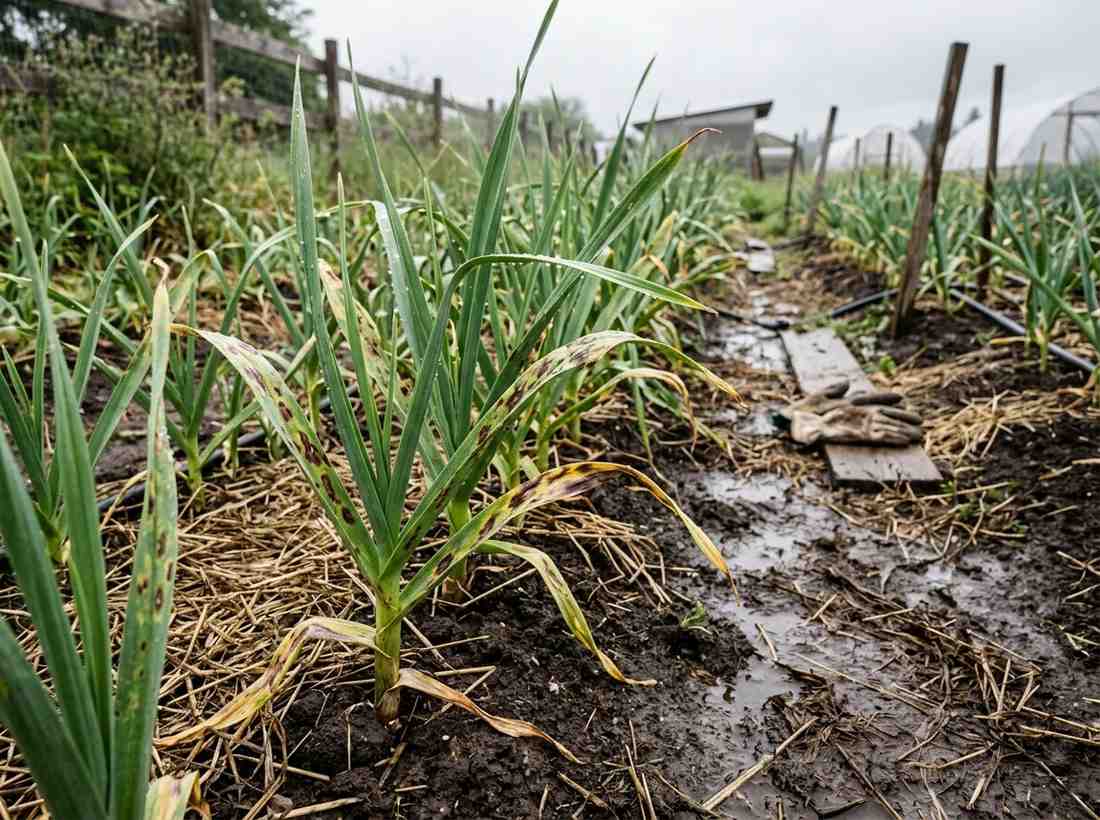
Have you noticed brown spots on garlic and wondered what they mean? These little marks might seem harmless, but they could be a sign of something that affects the taste, quality, or even safety of your garlic.
If you want to know why these spots appear and what you should do about them, keep reading. Understanding these brown spots can help you keep your garlic fresh and flavorful every time you cook. Let’s dive into what causes those spots and how you can handle them with confidence.
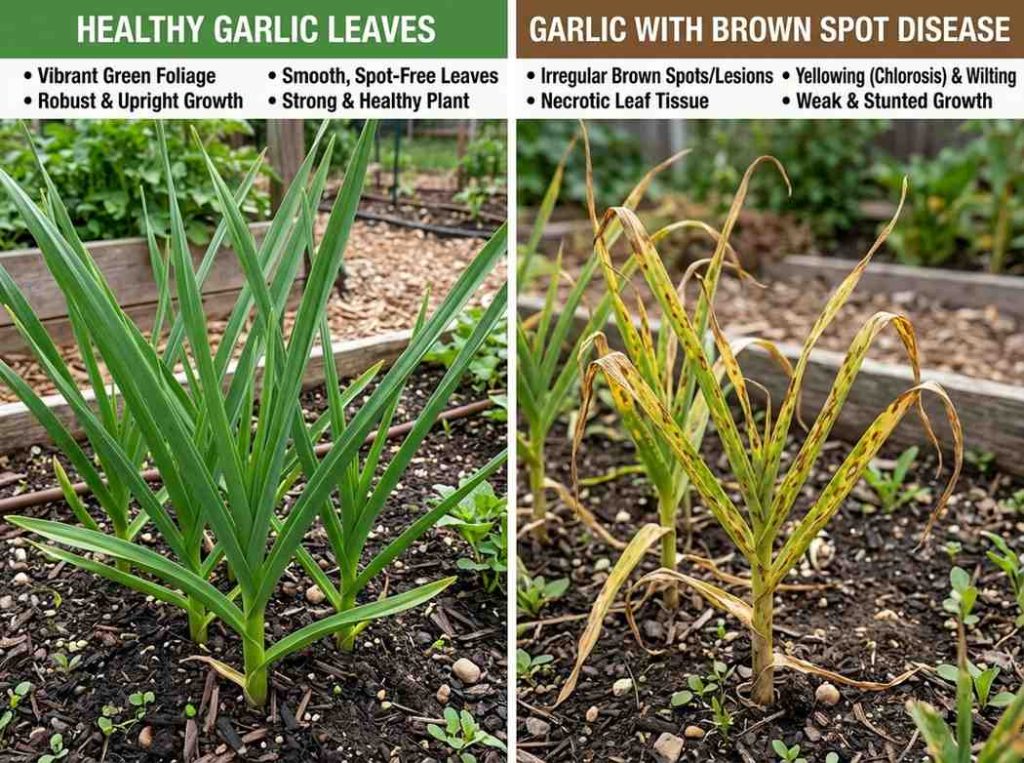
Brown spots on garlic can signal various problems. Knowing their causes helps protect your plants. These spots often result from infections, stress, or lack of nutrients. Identifying the cause is key to keeping garlic healthy and strong.
Fungal infections are a common cause of brown spots. These fungi attack garlic leaves and bulbs. They thrive in wet, warm conditions. Spores spread through rain, irrigation, or tools. Infected areas turn brown and may rot. Early detection helps control the spread.
Bacteria also cause brown spots on garlic. They enter through cuts or natural openings. Bacterial infections cause soft, water-soaked spots. These spots quickly turn brown and dry out. Poor air circulation increases infection risk. Clean tools and avoid overhead watering to reduce bacteria.
Stress from the environment can cause brown spots. Too much sun or heat damages garlic leaves. Cold temperatures and frost also harm plants. Overwatering or drought stress affects plant health. These stresses weaken garlic and cause discoloration. Proper care minimizes environmental damage.
Low nutrients may cause brown spots on garlic. Lack of potassium or calcium affects leaf health. Deficiencies make plants vulnerable to disease. Soil testing helps identify missing nutrients. Balanced fertilization supports strong, healthy garlic growth.
Brown spots on garlic can signal a problem that needs attention. Identifying these spots early helps protect your garlic crop. Understanding their appearance and causes allows for timely action. This section explains how to spot brown marks, which varieties are affected, and how to tell them apart from other issues.
Brown spots on garlic appear as small, dark patches on cloves or skins. They may look dry or slightly sunken. Spots often spread over time, turning larger and darker. Sometimes, the spots have a soft texture or mold around them. The affected cloves might feel weak or shriveled.
Many garlic types can show brown spots. Softneck garlic, popular for its long shelf life, often develops these marks. Hardneck garlic, known for strong flavor, also suffers from brown spots. Both purple and white garlic varieties are vulnerable. Climate and growing conditions influence how often spots appear.
Brown spots are not the only problem garlic faces. Rot causes wet, slimy areas, unlike dry brown spots. Sunburn shows as pale, bleached patches, not dark marks. Mechanical damage leaves bruises but no clear brown edges. Correctly identifying spots helps choose the right treatment.
Preventing brown spots on garlic is key to growing healthy bulbs. These spots often signal disease or poor growing conditions. Taking the right steps early keeps your garlic strong and tasty. Focus on good planting, soil care, watering, and crop rotation.
Plant garlic cloves with the pointed side up. Space cloves about 4-6 inches apart. Avoid planting too deep; 1-2 inches is enough. Plant in rows at least 12 inches apart for air flow. Air circulation helps prevent fungal growth and spots.
Choose well-drained soil to stop water buildup. Add organic matter like compost to improve soil texture. Avoid heavy clay soils that hold water. Raised beds can help if drainage is poor. Good drainage reduces the chance of brown spot diseases.
Water garlic early in the day for quick drying. Keep soil moist but not soggy. Avoid watering leaves to reduce fungal risk. Use drip irrigation or water at the base of plants. Proper watering limits conditions that cause brown spots.
Change the planting location of garlic each year. Rotate with crops like beans or carrots. Avoid planting garlic where onions or other alliums grew before. Crop rotation lowers soil diseases and pests. This practice keeps garlic plants healthier over time.
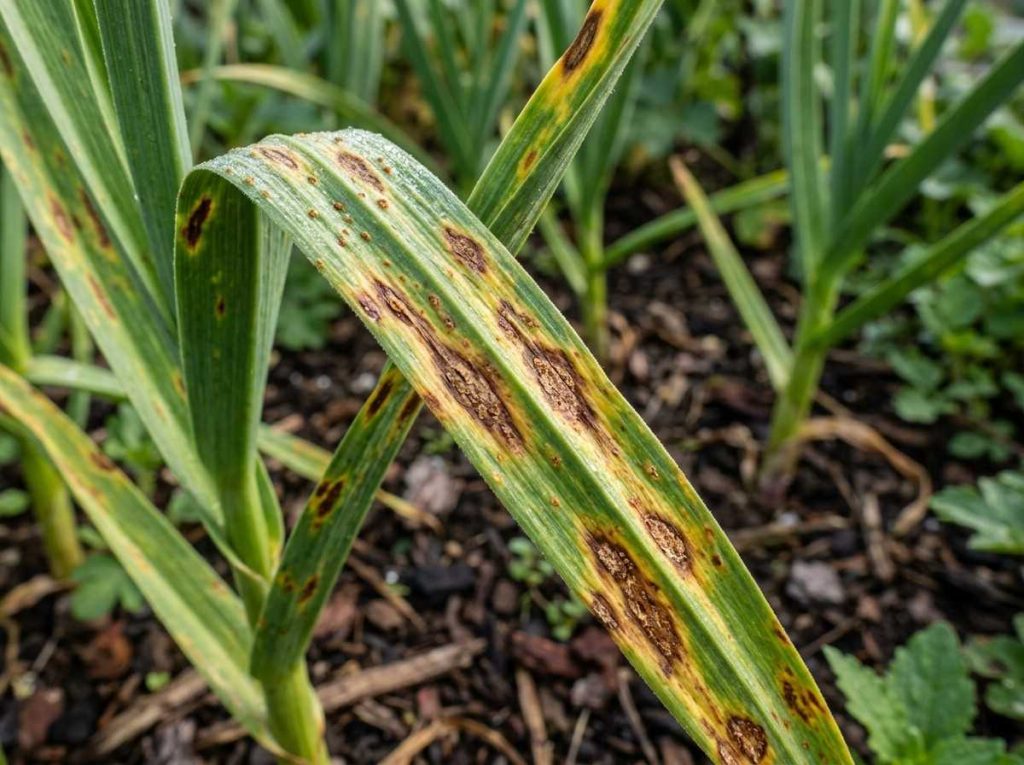
Brown spots on garlic can harm the plant’s health and reduce your harvest. Treating these spots early helps save your garlic bulbs. Several methods exist to control and prevent brown spots effectively.
Use baking soda mixed with water to spray on garlic leaves. This mix helps stop fungal growth causing brown spots. Neem oil also works well as a natural fungicide. Apply neem oil every week until spots fade. Keep soil dry by watering garlic early in the day. Moisture encourages fungi to grow, so good air flow matters.
Fungicides can control severe brown spot infections. Choose products safe for edible plants. Follow the label instructions carefully to avoid damage. Apply fungicides during dry weather for best results. Avoid overuse to prevent resistance in fungi. Rotate fungicides to keep effectiveness high.
Cut off leaves with brown spots to stop spread. Use clean tools to avoid spreading disease. Remove and destroy infected plant parts. Do not compost these parts as fungi can survive. Clean garden tools with alcohol after pruning.
Harvest garlic before brown spots worsen on bulbs. Brown spots on garlic bulbs reduce their storage life. Check bulbs regularly as they mature. Harvest when leaves start turning yellow and dry. Early harvest helps keep garlic quality high.
Maintaining healthy garlic crops helps prevent problems like brown spots. Healthy plants grow strong bulbs and resist diseases. Good care also improves garlic flavor and yield. Follow simple steps to keep your garlic plants in top shape.
Watch your plants closely. Use good soil and protect from pests. Store garlic correctly after harvest. These actions help avoid brown spots and other issues.
Check garlic plants often for signs of brown spots or damage. Look at leaves, stems, and bulbs. Early detection helps stop problems before they spread. Keep notes about plant health each week. This habit makes it easier to spot changes fast.
Use balanced fertilizer to supply key nutrients. Nitrogen, phosphorus, and potassium are important. Avoid too much nitrogen, which can cause soft growth and disease. Apply fertilizer before planting and during growth. Healthy soil supports strong garlic and fewer brown spots.
Keep pests away to protect garlic from damage. Common pests include onion thrips and nematodes. Use natural methods like insecticidal soap or neem oil. Remove weeds and debris where pests hide. Healthy plants resist pests better than weak ones.
Store garlic in a cool, dry place after harvest. Avoid high humidity to prevent mold and brown spots. Use mesh bags or open containers for air flow. Check stored garlic regularly and remove any damaged bulbs. Proper storage keeps garlic fresh longer.
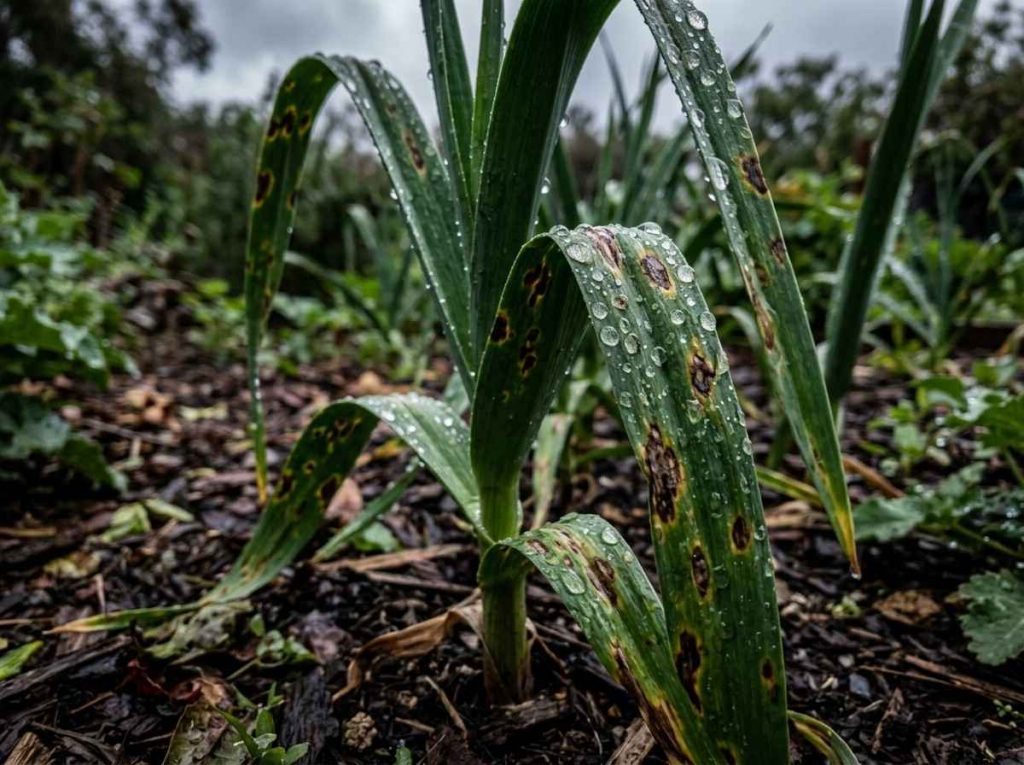
Brown spots on garlic often result from fungal infections or bruising during harvest.
Small brown spots are usually safe but may affect taste and texture.
Store garlic in a cool, dry place with good air circulation to prevent spots.
Yes, spots may cause off-flavors and a softer texture in cooked dishes.
Brown spots can indicate spoilage, especially if garlic feels mushy or smells bad.
Brown spots on garlic can signal problems with storage or growth. Check garlic bulbs before buying or planting. Keep garlic dry and cool to prevent spots. Use affected garlic soon to avoid bad taste. Healthy garlic lasts longer and tastes better.
Watching your garlic closely helps keep it fresh. Small steps make a big difference for your garlic. Simple care leads to better cooking results. Keep garlic spot-free for the best flavor every time.