Gardening Made Simple.
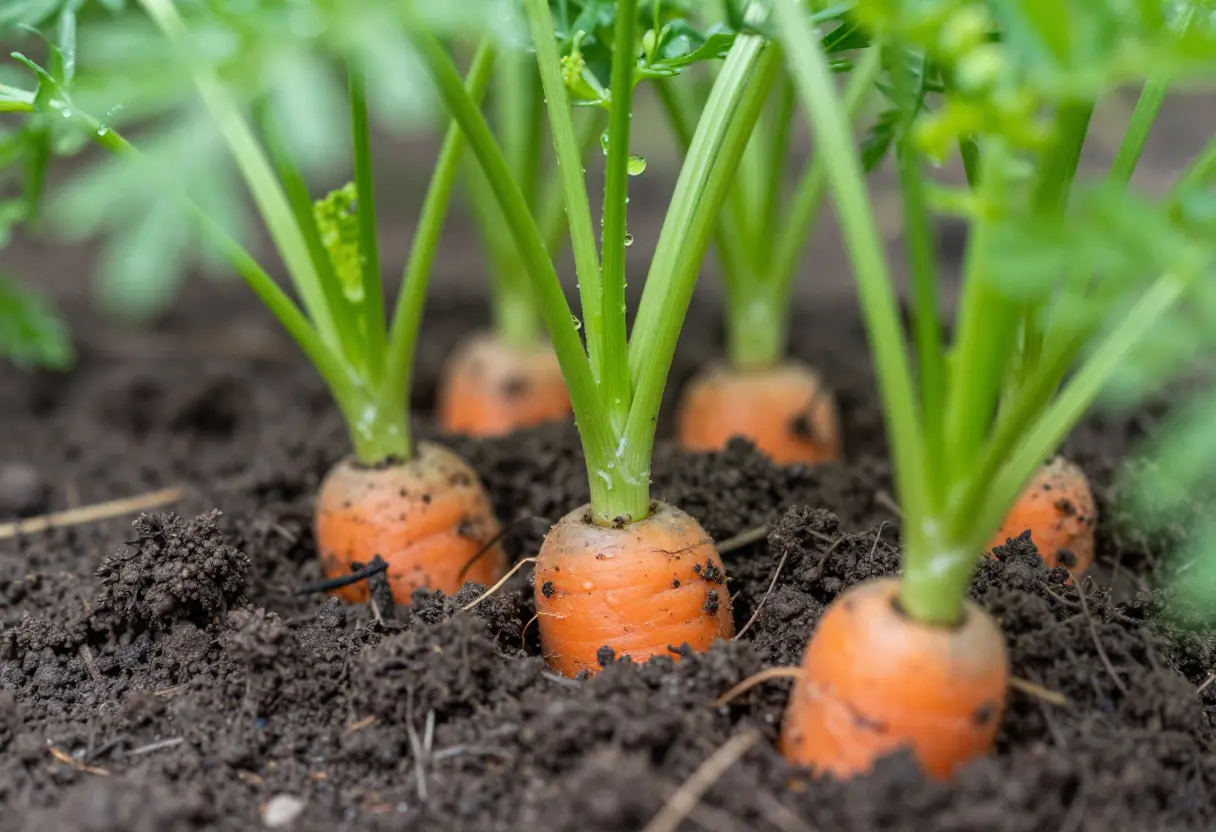
Are you ready to enjoy fresh, sweet carrots straight from your garden? Growing carrots in raised beds is one of the easiest and most rewarding ways to get crunchy, flavorful roots. Learning Growing Carrots in Raised Beds will help you achieve a healthy crop and a truly satisfying harvest.
With the right tips, your carrots will grow faster, healthier, and tastier than you might expect. Imagine pulling up vibrant orange carrots that you grew yourself—no chemicals, just pure goodness. Keep reading, and you’ll discover simple steps to make your raised bed carrot garden a success, even if you’re new to gardening.
Your perfect carrot crop is closer than you think!
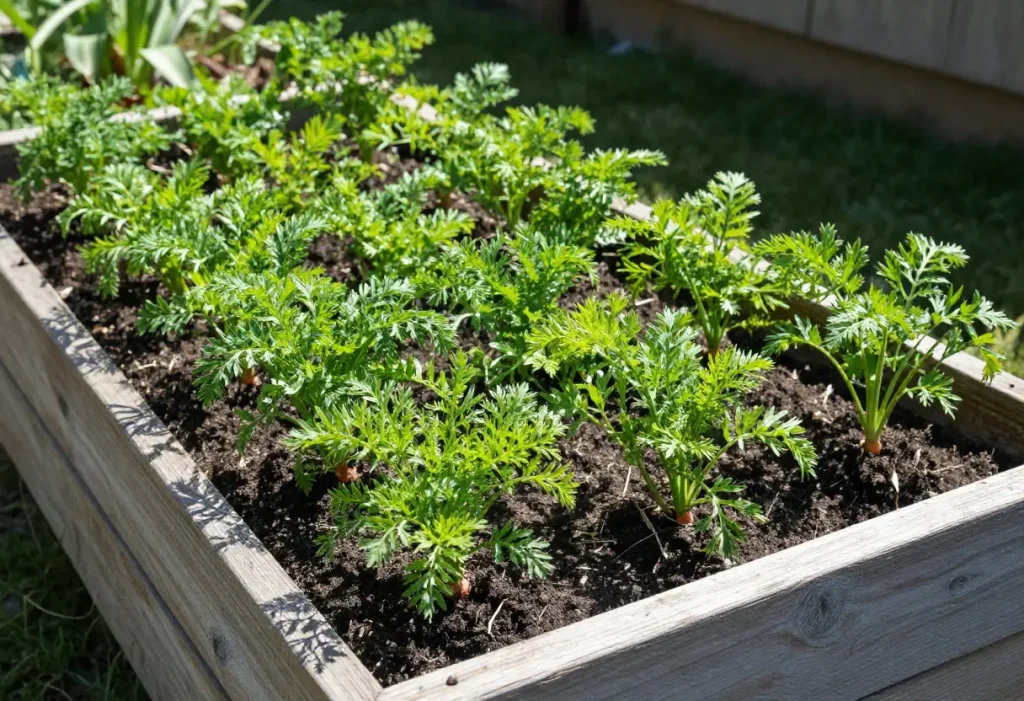
Growing carrots in raised beds offers many benefits that help produce healthy, tasty roots. Raised beds give you control over soil quality and growing conditions. This creates a better environment for carrots to thrive. The following sections explain key benefits of raised beds for carrot gardening.
Raised beds allow water to drain faster than flat ground. Carrots do not like wet soil, which can cause roots to rot. Better drainage keeps soil from becoming soggy. This helps carrot roots stay healthy and strong. You can avoid waterlogged soil that harms growth.
Loose, deep soil in raised beds lets carrot roots grow straight and long. Hard or compact soil makes roots short and twisted. Raised beds are filled with soft soil that is easy for roots to expand. This results in larger, better-shaped carrots that taste great.
Raised beds help keep weeds under control more easily. The defined edges make it simple to spot and remove weeds early. Less weed growth means carrots get more nutrients and water. This reduces competition and lets carrots grow faster and healthier.
Choosing the right location is key to growing healthy carrots in raised beds. Carrots need the right conditions to grow straight and sweet. Picking a good spot helps your carrots get enough light, nutrients, and space. This section covers sunlight, soil, and bed size to guide your choice.
Carrots need full sun for at least six hours daily. Sunlight helps them grow strong and develop their sweet flavor. Avoid shady spots near trees or buildings. A sunny location warms the soil and speeds up growth. Morning sun is best to dry dew and prevent disease.
Carrots grow best in loose, sandy soil with good drainage. Raised beds allow you to control soil quality easily. Remove stones and hard clumps to prevent forked roots. Mix in compost to add nutrients and improve texture. Avoid fresh manure, which can cause root problems.
Carrots need deep soil to grow long and straight. Raised beds should be at least 12 inches deep. Wider beds give more space for roots and airflow. A bed 3 to 4 feet wide works well for easy care and harvesting. Keep paths clear to avoid compacting the soil.
Selecting the right carrot varieties is key for success in raised beds. Different types grow better in limited soil depth and give varied flavors and shapes. Knowing which carrot fits your space and taste helps you grow healthy roots. Choose varieties that suit your climate and garden conditions for best results.
Short and round carrots work well in raised beds. Varieties like 'Thumbelina' or 'Paris Market' fit shallow soil. Long carrots like 'Danvers' need deeper beds or loose soil. Choose types that match your bed depth to avoid misshapen carrots.
Early carrots mature quickly, ready in 50 to 60 days. Good for fast harvest and succession planting. Late varieties take 75 to 80 days but often taste sweeter. Pick early types for short seasons and late types for full growing periods.
Carrot root rot and leaf blight can harm plants. Choose disease-resistant varieties like 'Bolero' or 'Napoli' to reduce problems. These carrots stay healthy longer and give better yields. Raised beds with good drainage also help prevent disease.
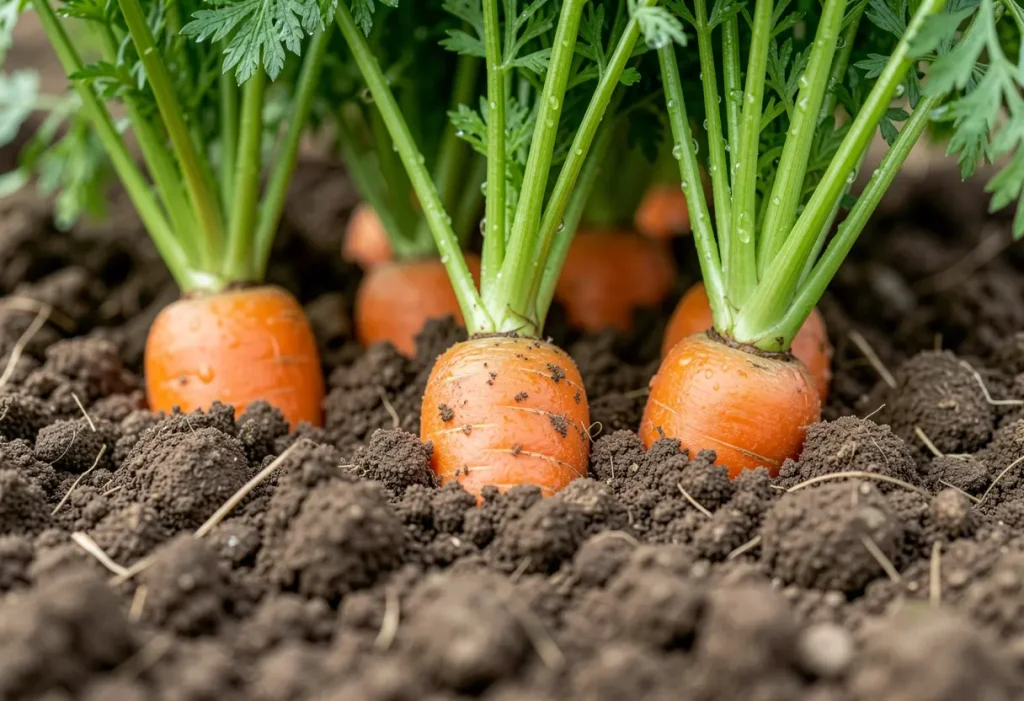
Preparing the soil mix is key for growing healthy carrots in raised beds. Carrots need loose, well-drained soil to grow straight and long. A good soil mix helps roots expand easily. It also holds enough water and nutrients for steady growth. Knowing how to prepare the soil will boost your carrot harvest.
Carrots grow best in sandy loam soil. This texture is loose and crumbly. It allows air and water to move freely. Avoid heavy clay or rocky soil. These make it hard for roots to grow deep. Mix sand and organic matter for the right texture. This helps carrots develop smooth, long roots.
Carrots need nutrients like nitrogen, phosphorus, and potassium. Add compost to enrich the soil naturally. Compost also improves soil structure and moisture. Avoid too much nitrogen; it can cause forked roots. Bone meal or rock phosphate adds phosphorus. Potassium helps root strength. Use balanced fertilizers for best results.
Carrots prefer slightly acidic to neutral soil. Aim for a pH between 6.0 and 6.8. Test the soil pH before planting. Lime can raise low pH levels. Sulfur lowers high pH levels. Maintaining proper pH helps carrots absorb nutrients well. This supports steady growth and good flavor.
Planting carrots in raised beds offers many benefits. The soil stays loose and drains well. This helps carrots grow straight and healthy. Raised beds also warm up faster in spring. This means you can start planting earlier than usual.
Proper planting is key to a good carrot harvest. Using the right methods helps seeds sprout and grow strong roots. Follow these steps for the best results in your raised bed garden.
Carrot seeds are very small. Plant them shallow, about a quarter inch deep. Spread seeds thinly to avoid crowding. Cover lightly with fine soil or compost. Water gently to keep soil moist. Avoid pressing soil hard over seeds. This lets seedlings grow up easily.
Thin seedlings after they sprout. Space young plants about 2 to 3 inches apart. This gives each carrot room to grow. Crowded carrots develop twisted or small roots. Wider rows, about 12 inches apart, make it easier to work. Proper spacing improves air flow. It also reduces disease risk.
Keep soil evenly moist during germination. Water lightly but often to avoid washing seeds away. After seedlings appear, water deeply once or twice a week. Deep watering encourages strong, long roots. Avoid letting soil dry out completely. Mulch can help keep soil moist and cool.
Growing carrots in raised beds needs careful care to keep plants strong and healthy. Proper steps help roots develop well and avoid common problems. Healthy growth means bright green leaves and thick, sweet carrots. Follow simple tips to support your carrot plants every step of the way.
Carrot seeds often sprout close together. Thin seedlings early to give each plant space. Remove weaker plants gently, leaving strong ones about 2-3 inches apart. This helps roots grow big and straight. Crowded plants stay small and can twist easily.
Use mulch around carrot plants to keep soil moist. Mulch stops weeds from growing and stealing nutrients. It also keeps soil temperature steady, which carrots like. Organic mulch breaks down and adds nutrients back to soil. Spread a thin layer around plants, not on leaves.
Check plants regularly for pests like carrot flies or aphids. Remove pests by hand or use safe sprays if needed. Keep soil clean and avoid wetting leaves to prevent diseases. Crop rotation helps stop soil pests and diseases from building up. Healthy soil grows healthy carrots.
Harvesting carrots at the right time ensures the best taste and texture. Proper harvesting protects the roots from damage. It also helps keep your carrots fresh longer. Follow these simple tips to pick and store your carrots perfectly.
Carrots usually take 60 to 80 days to grow. Check the seed packet for exact days. Harvest too early and carrots may be small and bitter. Wait too long and they might become woody. Pull a carrot to see its size before harvesting all.
Look for bright orange color at the top of the carrot. The diameter should be about 1/2 to 1 inch. Leaves start to yellow or wilt slightly. The skin feels smooth and firm. Avoid carrots with cracks or soft spots.
Remove green tops soon after harvest to prevent moisture loss. Store carrots in a cool, dark place like a fridge. Keep them in a plastic bag or container with holes. Avoid storing near fruits like apples that release ethylene gas. This gas can make carrots bitter and soft.
Growing carrots in raised beds can bring many rewards. Yet, some common problems can slow growth or reduce yield. Knowing how to fix these issues helps keep carrots healthy and strong. This section covers three frequent troubles and clear steps to solve them.
Misshapen carrots often grow in crowded or rocky soil. Raised beds should have loose, deep soil without stones. Thin seedlings to avoid overcrowding. This gives carrots space to grow straight and smooth. Avoid adding too much nitrogen fertilizer. It causes carrots to fork or become hairy. Good soil preparation leads to well-shaped roots.
Carrots attract pests like carrot flies and aphids. Use row covers to protect young plants. Handpick visible pests carefully. Encourage natural predators like ladybugs in the garden. Avoid harsh chemicals to keep the soil healthy. Crop rotation also reduces pest problems year to year. Early detection prevents major damage.
Soil compaction stops roots from growing deep. Raised beds help reduce compaction but watch for heavy foot traffic. Avoid stepping on beds. Add organic matter like compost to keep soil light. Regularly loosen the soil surface gently. Well-aerated soil allows air, water, and nutrients to reach roots easily.
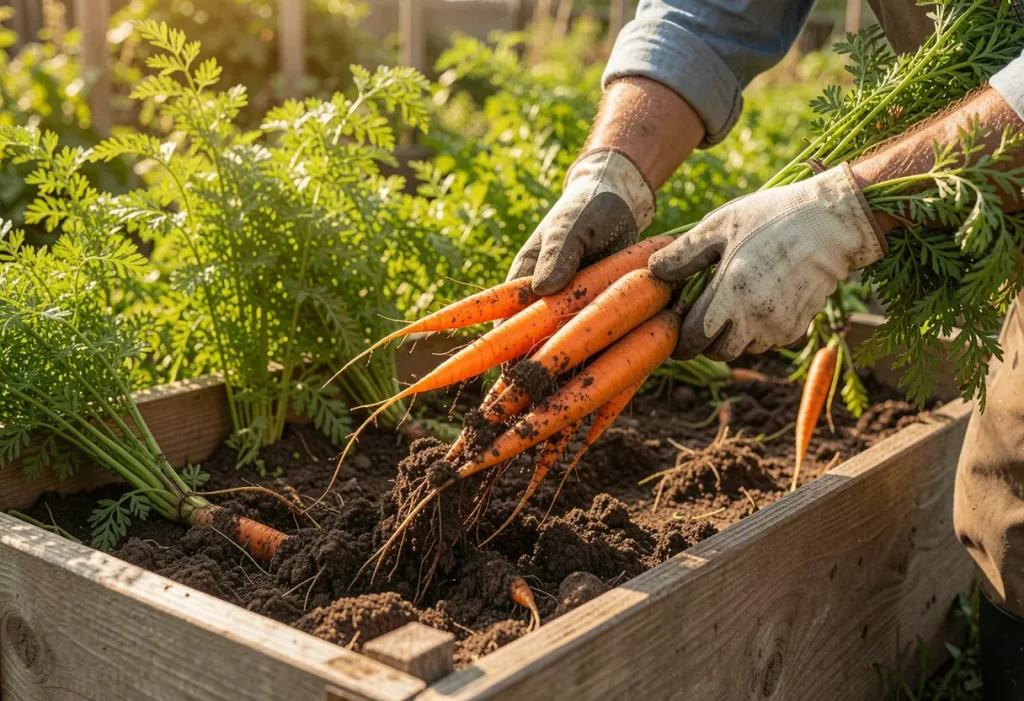
Raised beds should be at least 12 inches deep for carrot roots to grow well.
Loose, sandy, and well-drained soil works best for healthy carrot growth.
Water carrots regularly to keep the soil moist but not waterlogged.
Plant carrots in early spring or late summer for best results.
Use row covers or natural pest repellents to protect carrots from pests.
Growing carrots in raised beds helps plants thrive in loose, well-drained soil. Raised beds keep soil warm and reduce pests. You can control watering better and avoid soil compaction. Carrots grow straight and healthy with less effort. Regular care and proper spacing lead to a good harvest.
Enjoy fresh, sweet carrots from your own garden. Raised beds make gardening easier and more fun. Try it this season and watch your carrots grow strong. Simple steps bring great results. Happy gardening!