Gardening Made Simple.

Growing your own carrots can be easier than you think. How to Grow Carrots will guide you step by step so you can enjoy fresh, sweet, and crisp carrots straight from your garden.
Whether you have a big backyard or just a small balcony, you can learn how to grow carrots that thrive. In this guide, you’ll discover simple steps to plant, care for, and harvest carrots that will impress your family and friends.
Ready to turn your soil into a carrot haven? Let’s dive in and get your garden growing!
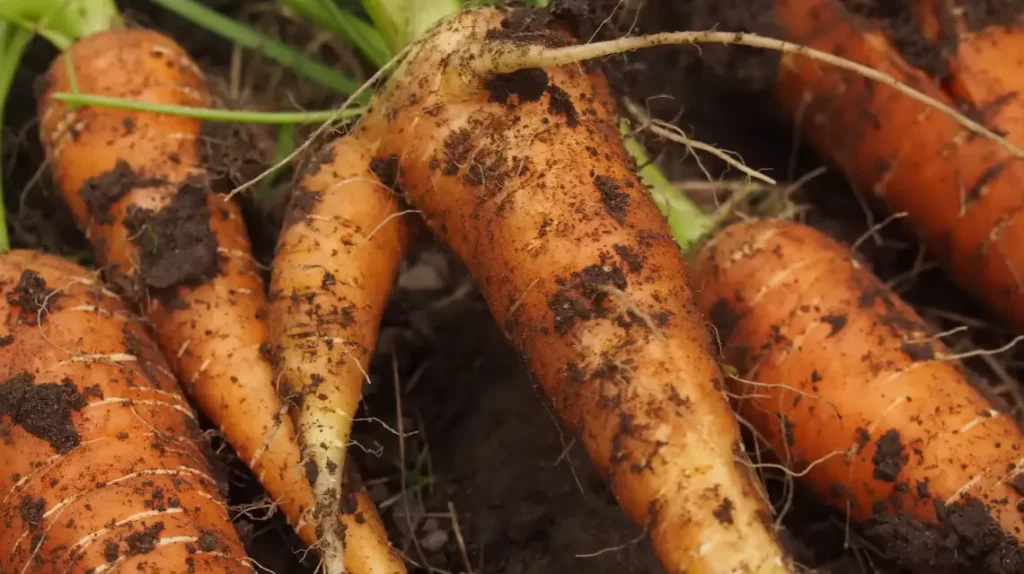
Choosing the right carrot variety is key to a healthy harvest. Each type grows differently and suits certain conditions better. Picking the best variety helps ensure your carrots grow well and taste great. This guide helps you find the perfect carrot type for your garden.
For new gardeners, some carrot types are easier to grow. Nantes carrots are sweet and have a smooth texture. They grow well in many soils and climates. Another good choice is Imperator carrots. They have long roots and a classic carrot taste. These varieties need less care and give good results.
Carrots grow best in cool weather and loose soil. Shorter carrots like Chantenay work well in heavy or clay soils. Longer types like Danvers prefer sandy, loose soil. In hot climates, choose carrots that mature quickly. In cooler areas, slow-growing types do fine. Knowing your climate and soil helps pick the right variety for success.
Preparing the soil is the first step to growing healthy carrots. Good soil helps carrots grow straight and sweet. Carrots need soil that is loose, rich, and drains water well. Hard or rocky soil makes carrot roots grow crooked or short.
Taking time to prepare the soil will improve your carrot harvest. Remove stones and break up clumps. This allows carrot roots to grow deep without obstacles.
Carrots grow best in sandy or loamy soil. This soil type holds nutrients and drains water well. The soil should be free of large rocks and debris. Carrots need a soil pH between 6.0 and 6.8. Too acidic or too alkaline soil can harm growth.
Soil should be loose to a depth of at least 12 inches. Compact soil will stop roots from growing straight. Soft soil lets carrots expand and develop fully.
Add organic matter like compost or aged manure to the soil. This improves texture and adds nutrients. Mix it well into the top 12 inches of soil. Avoid fresh manure as it can burn plants.
For heavy clay soil, add sand or fine gravel. This helps water drain away faster. Raised beds or mounds can also improve drainage. Avoid soggy soil, as it causes root rot and poor carrot growth.
Planting carrot seeds is the first step in growing healthy carrots. Proper planting ensures good root development and a strong harvest. Carrots need loose soil to grow straight and long. Follow simple tips to get the best results from your seeds.
Sow carrot seeds in early spring or late summer. The soil should be cool but not frozen. Carrots grow best in temperatures between 50°F and 75°F (10°C to 24°C). Avoid planting in very hot weather. This helps prevent the roots from becoming tough or bitter.
Plant seeds about 1/4 inch deep in loose soil. Space seeds 1 to 2 inches apart to allow room for growth. Thin seedlings to 3 inches apart after they sprout. Proper spacing prevents crowding, which can cause thin or misshaped carrots. Keep the soil moist until seeds germinate. This helps roots grow straight and strong.
Watering and feeding carrots properly is key to growing sweet, crunchy roots. Carrots need consistent moisture and the right nutrients. This helps them develop evenly and prevents common problems like splitting or poor growth.
Carrots require steady moisture for healthy growth. Water the soil gently but deeply. Keep the soil damp, not soaked. Dry soil causes carrots to grow poorly or become tough. Avoid watering only the surface. Deep watering encourages roots to grow downwards. Use mulch to keep soil moist and cool. Check soil often, especially in hot weather. Regular watering helps carrots stay sweet and tender.
Carrots grow best in soil rich in nutrients but low in nitrogen. Use a balanced fertilizer with phosphorus and potassium. Too much nitrogen causes leafy tops and small roots. Apply fertilizer before planting or as a light feed during growth. Organic compost also improves soil health and carrot flavor. Avoid heavy feeding to prevent root deformities. Proper feeding supports strong, healthy carrots with great taste.
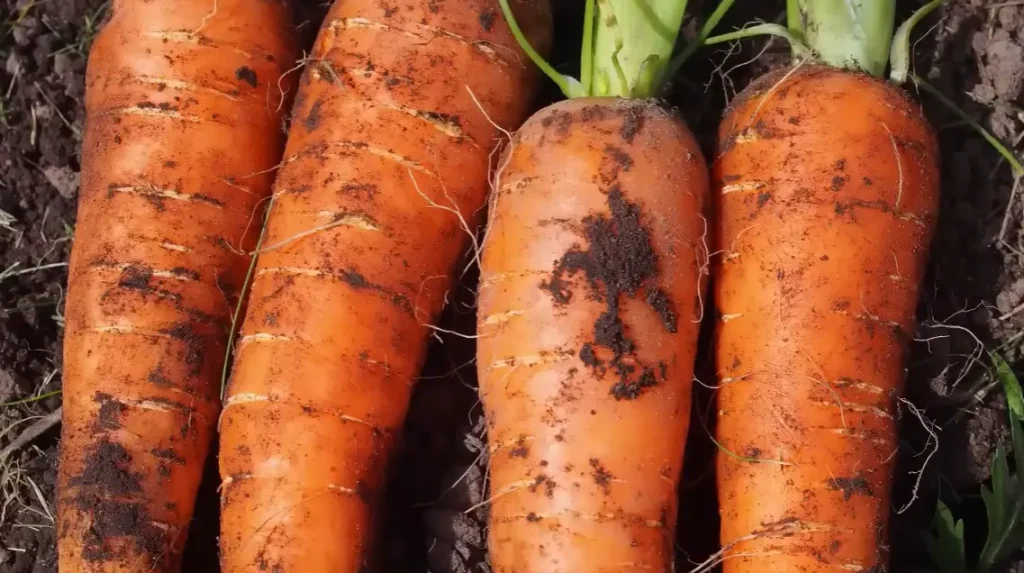
Thinning seedlings is a key step when growing carrots. It means removing some young plants to give others space. This helps carrots grow bigger and healthier. Without thinning, crowded seedlings compete for light, water, and nutrients. This can cause weak or misshapen roots. Proper thinning sets the stage for a strong carrot harvest.
Thin carrot seedlings once they reach about 2 to 3 inches tall. At this point, you can see which plants are strong. Use small scissors or gently pull out weaker seedlings. Leave about 2 to 3 inches between each carrot plant. This space allows roots to expand and develop fully. Thin plants early to avoid disturbing the roots of your remaining carrots.
Thinning helps carrots grow larger and straighter. It improves air circulation around the plants. This reduces the risk of disease and pest problems. Proper spacing allows better access to water and nutrients. You get a healthier crop with better flavor and texture. Thinned seedlings also make harvesting easier later on.
Pests and diseases can harm carrot plants and reduce the harvest. Managing these problems early keeps carrots healthy and strong. Understanding common pests and using natural control methods helps protect your crop. This section explains what to watch for and how to respond naturally.
Carrot flies are one of the biggest threats. They lay eggs near the carrot roots. The larvae eat the roots, causing damage and rot. Aphids can also attack carrot leaves, sucking sap and weakening plants. Wireworms live in the soil and chew on roots. Cutworms may cut young carrot stems at the base. Knowing these pests helps spot trouble fast.
Planting carrots away from onions and leeks can confuse carrot flies. Using row covers blocks pests from reaching plants. Encouraging ladybugs and lacewings helps reduce aphids naturally. Crop rotation stops pests from building up in the soil. Neem oil sprays control many pests without harming beneficial insects. Keeping the garden clean and removing old plants removes pest hiding spots.
Harvesting carrots is an exciting step in growing your own food. It shows the results of your care and patience. Picking carrots at the right time ensures the best taste and texture. Knowing when and how to harvest helps you enjoy fresh, sweet carrots from your garden.
Carrots are ready to harvest when their tops are about ¾ inch wide. The color of the carrot shoulders may show above the soil. The size depends on the carrot variety but usually matches the seed packet info. The leaves look healthy and green, not yellow or wilted. Pull a test carrot to check its size and texture.
Loosen the soil around the carrot with a garden fork. Be careful not to damage the root. Gently pull the carrot straight up from the ground. Shake off excess soil but do not wash the carrots yet. Handle them carefully to avoid bruises or breaks. Store carrots in a cool, dark place after harvesting.
Storing and preserving carrots helps keep them fresh and tasty. Proper storage stops carrots from drying out or rotting quickly. It also saves your harvest for later use. You can store carrots for a few days or preserve them for months. Different methods work best for short-term or long-term needs.
Carrots last longer if you keep them cool and moist. Store them in the refrigerator’s crisper drawer. Wrap carrots in a damp paper towel or place them in a plastic bag. Avoid washing carrots before storage. Wash them only before eating or cooking. Check carrots often and remove soft or damaged ones.
Freezing is a good way to keep carrots for months. Peel and cut carrots into pieces. Blanch them in boiling water for two to three minutes. Cool quickly in ice water, then dry and pack in freezer bags. Another method is drying. Slice carrots thin and dry them in a dehydrator or oven. Store dried carrots in airtight containers. Pickling carrots also preserves them. Use vinegar, water, and spices in jars. Keep pickled carrots in the fridge or a cool place.
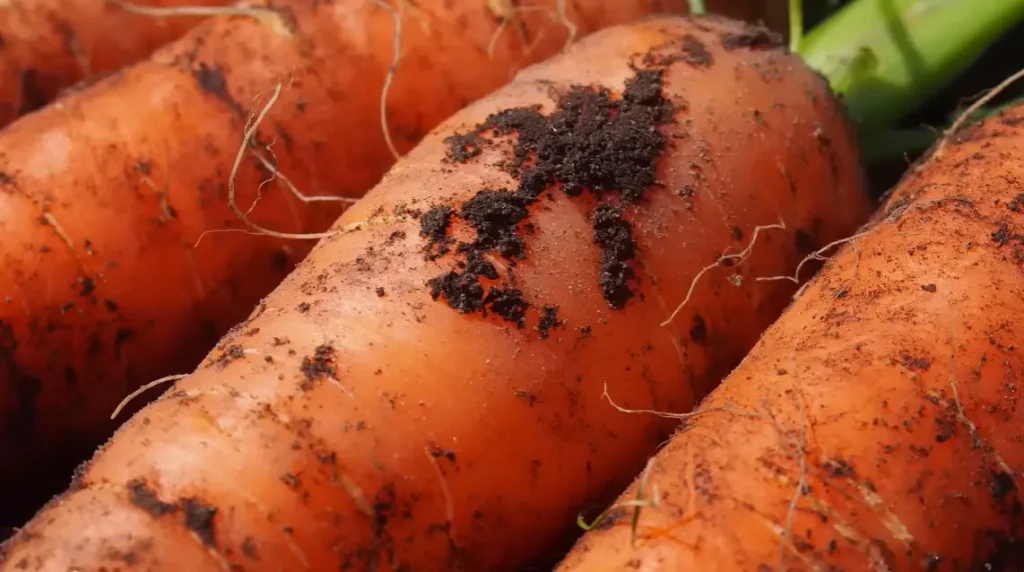
Carrots usually take 70 to 80 days to fully grow and be ready to harvest.
Loose, sandy, and well-drained soil helps carrots grow straight and healthy.
Water carrots regularly, keeping soil moist but not soggy, about once or twice a week.
Carrots grow best in full sun but can tolerate light, partial shade.
Use crop rotation and natural predators, and keep soil clean to reduce pests and diseases.
Growing carrots can be simple and fun with the right care. Choose good soil and plant seeds at the right depth. Water regularly but do not soak the ground. Keep the area free from weeds to help carrots grow well.
Watch for pests and remove them quickly. Harvest carrots when they reach the right size. Fresh carrots from your garden taste better than store-bought. Enjoy the satisfaction of growing your own healthy food. Start small and learn with each season.
Gardening brings joy and fresh veggies to your table.