Gardening Made Simple.
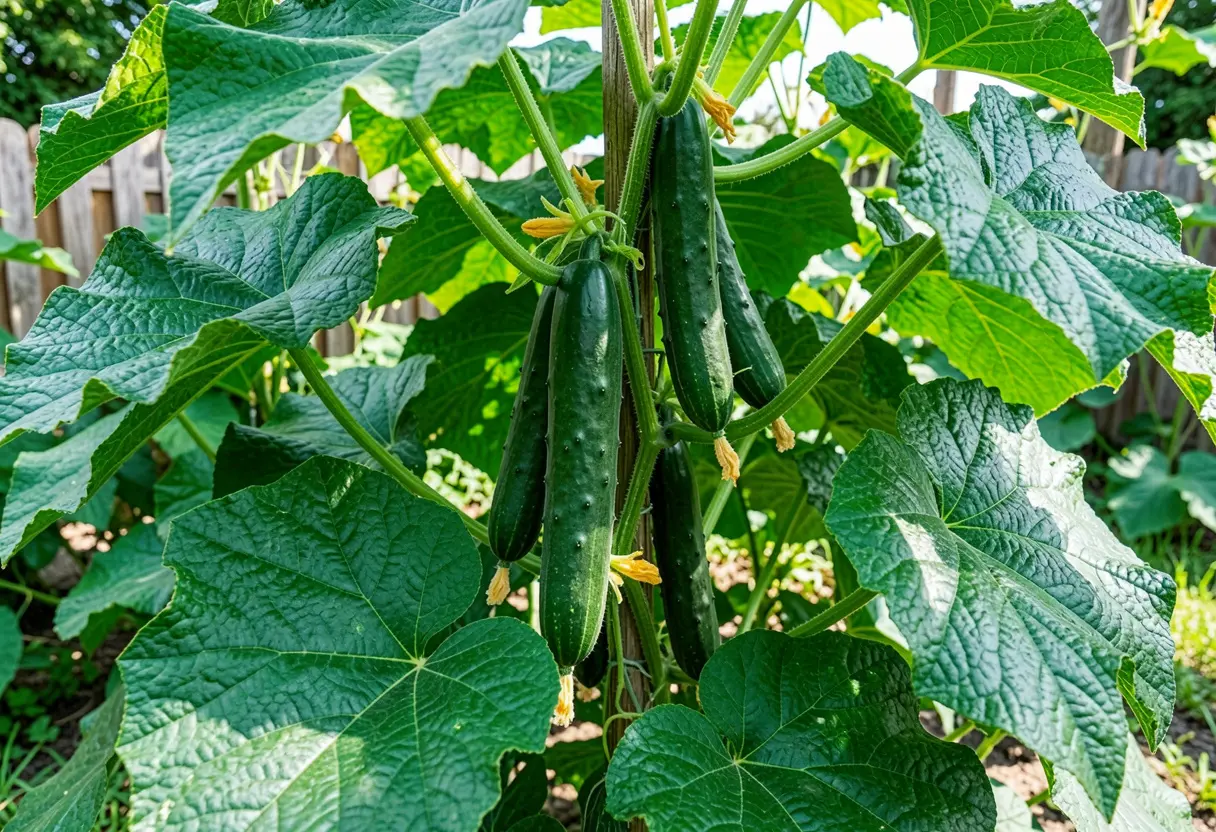
Are you curious about how your cucumber plant grows from a tiny seed to a fruitful vine? Understanding the stages of growth can help you care for your plant better and enjoy a bountiful harvest. Learning about Cucumber Plant Stages of Growth will guide you in nurturing healthy plants at every stage.
Whether you’re a beginner or looking to improve your gardening skills, knowing what to expect at each phase makes all the difference. Keep reading to discover the key growth stages of cucumber plants and how you can nurture yours to thrive every step of the way.
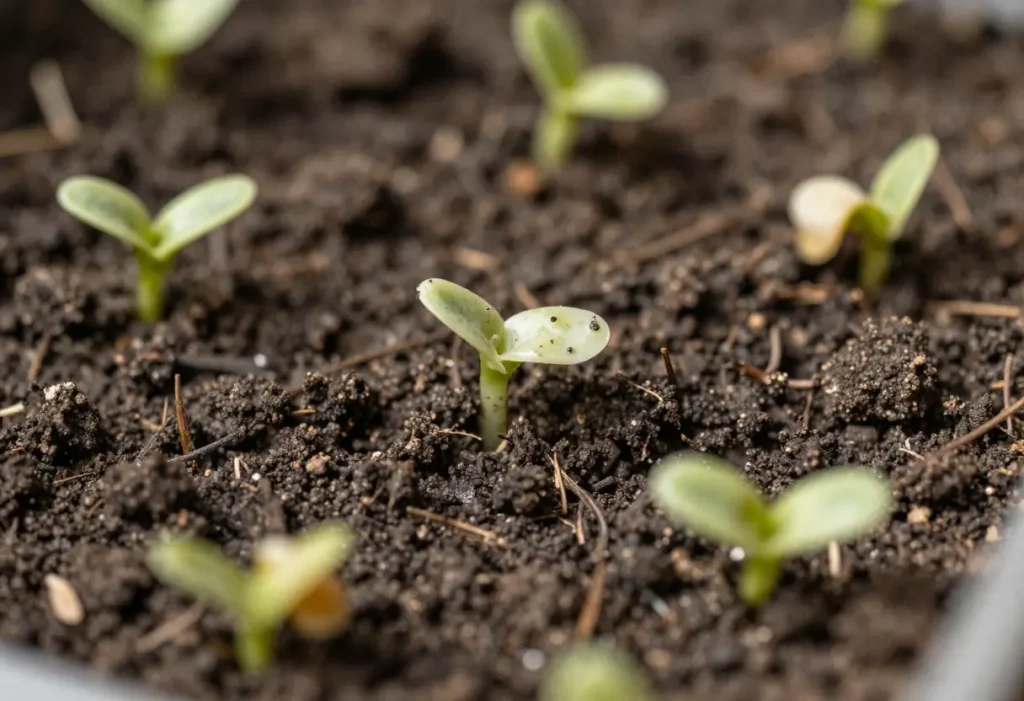
Seed selection and preparation are the first steps to grow healthy cucumber plants. Good seeds help plants grow strong and produce many fruits. Choosing the right seeds and preparing them properly can improve germination and growth.
Taking time to select and treat seeds saves effort later. It ensures plants get the best start. Let’s explore how to pick the right variety and prepare seeds for planting.
Pick cucumber seeds that match your climate and soil. Some varieties grow better in warm places, others in cooler areas. Check the seed packet for growth time and disease resistance. Choose types that suit your garden space and use. For example, pick slicing cucumbers for fresh eating. Choose pickling varieties if you want cucumbers for jars.
Look for seeds that are fresh and healthy. Old seeds might not sprout well. Buy from trusted sources to get quality seeds. This helps grow strong plants with good fruit.
Treating seeds before planting helps them sprout faster. Soaking seeds in warm water for a few hours softens their coat. This speeds up germination. Some gardeners use natural treatments like chamomile tea to prevent fungus.
Another method is seed scarification. Lightly rubbing seeds with sandpaper makes it easier for them to sprout. Avoid rough handling to not damage seeds. Seed treatment improves growth chances and plant health.
The germination process is the first and most important stage in a cucumber plant's life. It starts when the seed absorbs water and swells. Then, the seed coat breaks open. A tiny root begins to grow downward, while a shoot grows upward. This stage sets the foundation for healthy plant growth.
Germination usually takes about 3 to 10 days. The speed depends on soil temperature and moisture. Good care during this phase helps ensure strong seedlings. Understanding the needs of cucumber seeds during germination improves your chance of success.
Soil must be loose and well-drained for cucumber seeds. Heavy or compact soil stops root growth. A sandy loam or loamy soil works best. The soil should be rich in organic matter. This provides nutrients and helps retain moisture. Soil pH should be between 6.0 and 7.0. This range supports nutrient absorption.
Seeds need consistent moisture but not too much water. Keep the soil damp like a wrung-out sponge. Overwatering causes seed rot and poor germination. Ideal soil temperature is between 70°F and 95°F. Temperatures below 60°F slow germination. Warm soil encourages quick seed sprouting. Monitor moisture and temperature closely for best results.
The seedling development stage is the first step in growing healthy cucumber plants. This stage starts when the seed sprouts and small leaves begin to form. Seedlings need special care to grow strong and ready for transplanting. Proper attention during this stage sets the foundation for good fruit production later.
Seedlings are delicate and need the right balance of water, light, and warmth. Too much water can cause root rot. Too little light makes seedlings weak and tall. Ideal conditions help seedlings build sturdy stems and healthy leaves. This makes them better suited to survive outdoors.
Keep the soil moist but not soggy. Water gently to avoid washing away seeds or damaging roots. Provide plenty of light using a sunny window or grow lights. Keep temperature between 70-80°F for best growth. Thin seedlings by removing weaker ones to give space for the strongest. Use a mild fertilizer after the first true leaves appear to boost growth.
Transplant seedlings when they have at least two sets of true leaves. Harden off seedlings by exposing them to outdoor conditions gradually. Move them outside for a few hours daily over a week. Choose a sunny spot with well-drained soil for planting. Dig holes large enough to fit the root ball. Plant seedlings gently to avoid root damage. Water well after transplanting to help settle the soil around roots.
The vegetative growth stage is crucial for cucumber plants. This phase focuses on building strong leaves and vines. Healthy growth here supports fruit production later. Understanding this stage helps gardeners care better for their plants.
During vegetative growth, cucumber leaves grow large and green. Vines stretch out to find space and sunlight. Leaves collect sunlight to make food for the plant. Strong vines hold the plant and spread its reach.
Proper leaf and vine growth means a healthy plant. It prepares the cucumber for flowering and fruiting stages.
Cucumber plants need more nutrients in this stage. Nitrogen is key for leaf and vine growth. It helps leaves stay green and healthy. Phosphorus supports root development and energy transfer. Potassium strengthens the plant and improves disease resistance.
Regular feeding with balanced fertilizer helps plants grow fast. Watering also plays a role in nutrient absorption. Well-fed plants produce better cucumbers later.
The flowering phase is a key stage in cucumber plant growth. During this time, the plant starts to produce flowers that will become fruits. Healthy flowers are vital for a good harvest. Understanding the types of flowers helps in managing the plants better.
Cucumber plants have two types of flowers: male and female. Male flowers appear first. They have a thin stem and no small fruit behind the petals. Female flowers grow later. They have a tiny cucumber shape right behind the petals. Hand pollination can improve fruit production when bee activity is low.
Simply transfer pollen from a male flower to a female flower using a small brush or cotton swab. This small fruit is the ovary. It will grow into the cucumber you eat. Knowing the difference helps in checking if pollination is needed.
Pollination moves pollen from male to female flowers. Bees are the best pollinators. They carry pollen as they visit flowers for nectar. You can also pollinate by hand. Use a small brush or cotton swab to transfer pollen. Good pollination means more cucumbers. Without it, female flowers drop without fruit.
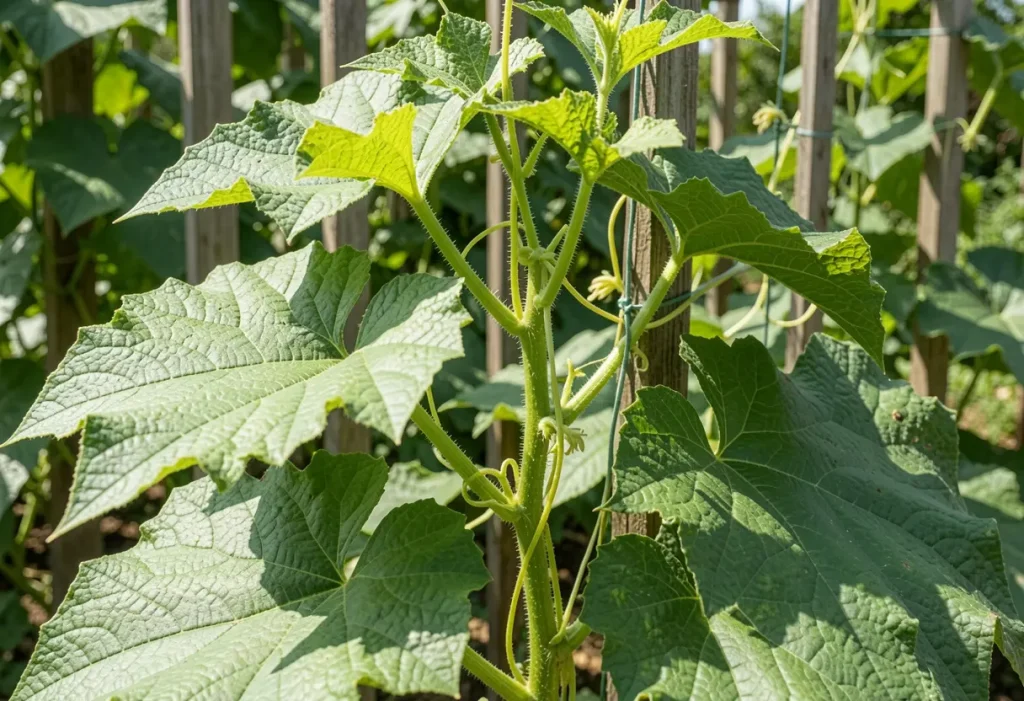
Fruit setting and development is a critical phase in the cucumber plant's life. This stage begins after flowers are pollinated. Tiny cucumbers start to grow from the flower base. These young fruits need the right care to grow healthy and strong. Proper conditions help cucumbers develop their shape and size. This period sets the foundation for a good harvest.
Young cucumbers require steady watering. Keep the soil moist but not soggy. Use mulch to keep soil cool and retain moisture. Avoid wetting the leaves to prevent diseases. Provide enough sunlight, at least six hours a day. Support vines with trellises to keep fruits off the ground. This helps cucumbers grow straight and clean.
Watch for pests like cucumber beetles and aphids. Check plants regularly and remove pests by hand. Use natural pest control methods for safety. Powdery mildew can affect leaves; avoid overcrowding plants. Ensure good air circulation around the vines. Remove any damaged or diseased leaves quickly. Healthy plants produce better fruits during this stage.
The maturation stage is critical for cucumber plants. This phase marks the time when cucumbers develop their full size and flavor. Watching the plants closely helps ensure harvesting at the right time. Picking cucumbers too early or late can affect taste and texture. Careful attention during this stage leads to the best yield and quality.
Ripe cucumbers have a firm feel and a deep green color. The skin should be smooth and free of yellow spots. Yellowing often means overripe fruit. Size varies by cucumber type, but most are ready at 6 to 8 inches long. Check the fruit daily as cucumbers grow fast. The skin should not feel soft or wrinkled.
Use a sharp knife or scissors to cut cucumbers from the vine. Avoid pulling or twisting to prevent plant damage. Leave a small stem attached to the cucumber. This helps the fruit last longer after picking. Harvest early in the morning for the freshest cucumbers.
Regular picking encourages the plant to produce more fruit. Leaving overripe cucumbers on the vine signals the plant to slow down production. Frequent harvesting encourages continued flowering and fruit development.
Most cucumber plants complete their growth cycle within 50 to 70 days, depending on the variety and growing conditions.
Tracking these stages helps gardeners identify potential growth problems early and provide the right care at the right time.
Growing cucumber plants can be rewarding, but challenges often arise. These challenges can slow growth or damage the plant. Knowing how to fix these problems helps keep your cucumbers healthy. Below are common troubles and ways to solve them effectively.
Pests like aphids, cucumber beetles, and spider mites attack cucumber plants. They suck sap and spread diseases. Check plants regularly for tiny bugs or holes in leaves.
Use insecticidal soap or neem oil to control pests naturally. Remove heavily damaged leaves to stop disease spread. Rotate crops yearly to reduce soil-borne diseases. Keep garden clean by removing plant debris.
Fungal diseases such as powdery mildew appear as white powder on leaves. Treat with fungicides or a baking soda spray. Good air circulation helps prevent fungal growth. Avoid overhead watering to keep leaves dry.
Cucumbers need warmth, sunlight, and water to grow well. Cold weather slows growth and can cause leaf yellowing. Use row covers or plant after the last frost to protect young plants.
Too much heat can cause flowers to drop and fruits to become bitter. Provide shade during hot afternoons. Water plants deeply but avoid waterlogging the soil.
Dry soil stresses cucumber plants and reduces yield. Mulch around plants to keep soil moist and cool. Check soil moisture daily during dry spells.
Maximizing yield and vine health in cucumber plants requires careful attention to growth habits. Healthy vines produce more cucumbers and resist diseases better. Proper care throughout the plant's life boosts overall productivity and fruit quality.
Strong and well-managed vines spread nutrients efficiently. They also support fruit weight without breaking. Focus on pruning and soil water management to keep vines vigorous and fruitful.
Pruning helps cucumber plants grow better by removing weak or crowded parts. Cut off yellow or dead leaves to improve air flow. This reduces the chance of mold and disease. Trim side shoots to direct energy to main vines and fruits. Avoid heavy pruning, which can stress the plant. Regular light pruning keeps vines healthy and productive.
Soil quality affects cucumber growth and fruit yield. Use well-draining soil rich in organic matter. Water the plants deeply but not too often. Keep soil moist, not soggy, to avoid root problems. Mulch around the plants to keep soil temperature stable. Check soil moisture before watering to prevent overwatering. Proper soil and water care keeps vines strong and fruit abundant.
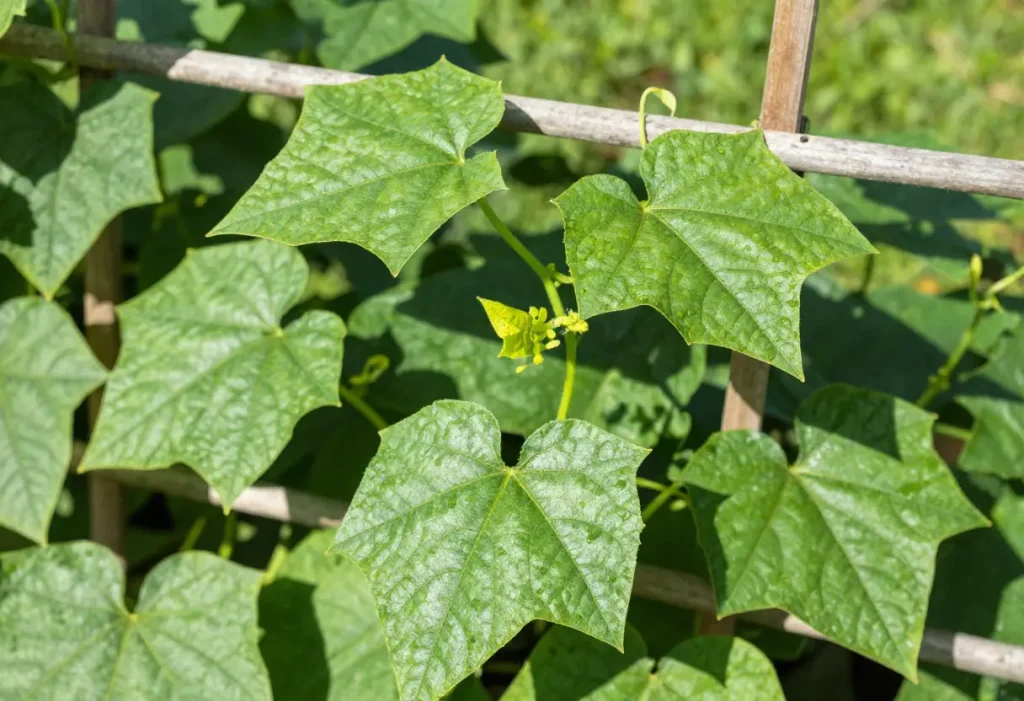
Cucumber plants grow in four main stages: seed germination, seedling, flowering, and fruiting. Each stage needs proper care for healthy plants. Understanding these helps improve growth and yield.
Germination takes about 3 to 10 days. Seedlings grow for 2 to 3 weeks. Flowering and fruiting can last several weeks depending on conditions and variety.
Cucumbers need plenty of sunlight, water, and well-drained soil. Regular feeding with balanced fertilizer supports strong growth. Watch for pests and diseases to keep plants healthy.
Cucumber plants usually start flowering 4 to 6 weeks after planting. Fruits appear soon after flowers bloom. Timely pollination helps fruit develop well.
Healthy cucumber plants have bright green leaves and steady growth. Look for firm stems and no yellowing or spots. Regular checks can catch problems early for quick action.
Understanding cucumber plant stages helps in growing healthy plants. Start from seeds, watch for sprouts, and care for young leaves. Flowers appear next, leading to fruit growth. Each step needs water, sunlight, and good soil. Patience and attention bring fresh cucumbers to your garden.
Keep learning and enjoy the process. Growing cucumbers can be simple and fun. Your garden will thank you with tasty fruits.