Gardening Made Simple.
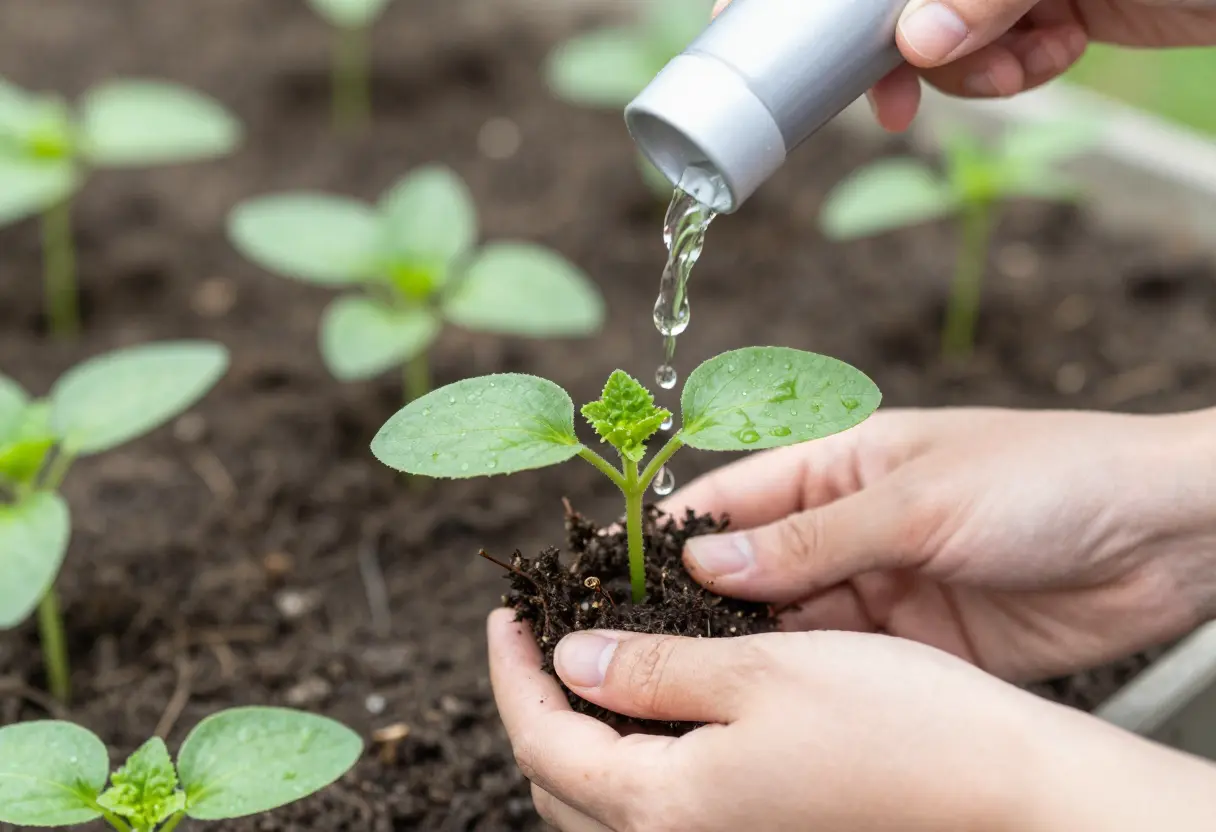
Are you growing cucumbers and wondering when the best time is to move your seedlings outdoors? When to Transplant Cucumber Seedlings is a crucial question, as transplanting at the right moment can make all the difference between a healthy, thriving plant and a slow start that limits your harvest.
You want to give your cucumbers the strongest chance to grow big, juicy fruits, but transplant too early or too late, and you risk stunting their progress. Keep reading to discover the simple signs that show exactly when your cucumber seedlings are ready to be transplanted—so you can enjoy a bountiful garden this season.
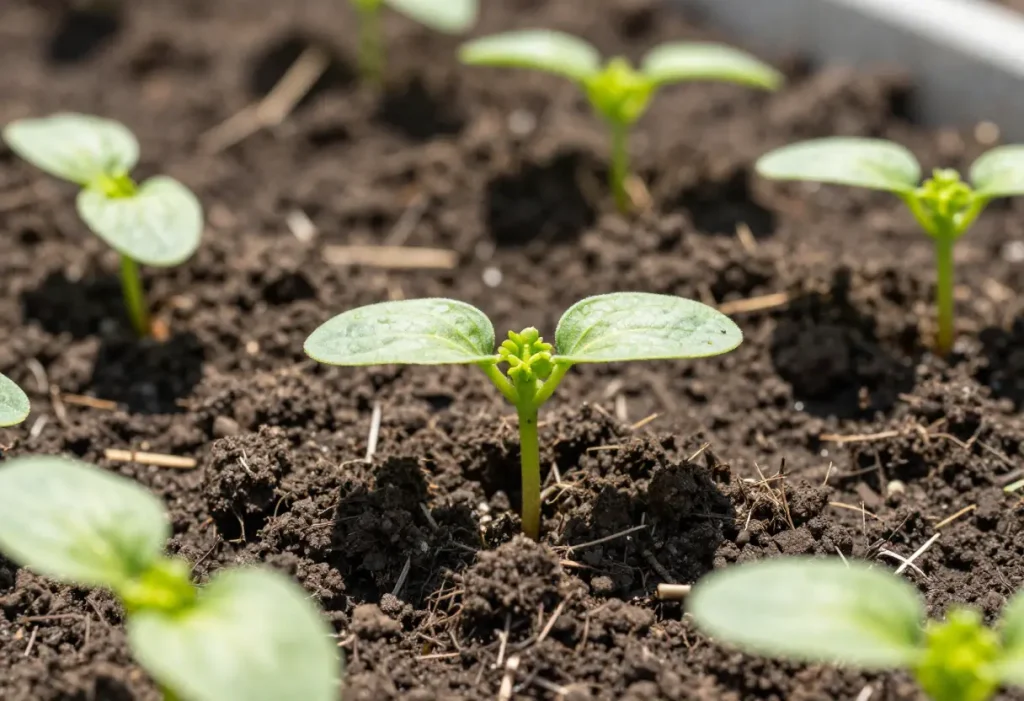
Choosing the right time to transplant cucumber seedlings is key to a healthy garden. Transplanting too early or too late can stunt growth or harm plants. Knowing the ideal transplant timing helps seedlings grow strong and produce well.
Seedlings should be 3 to 4 weeks old before transplanting. At this age, they usually have 3 to 4 true leaves. True leaves look different from the first seed leaves and show readiness. Seedlings must be sturdy and about 4 inches tall. Thin or weak seedlings need more time to grow.
Transplant cucumbers after the last frost date in your area. Cold weather can damage young plants quickly. Choose a day with mild temperatures and little wind. Avoid very hot or very cold days for transplanting. Warm, calm weather helps seedlings adjust faster.
The soil should be warm enough for cucumbers to grow well. Aim for a soil temperature of 60°F (15°C) or higher. Cold soil slows root growth and increases transplant shock. Use a soil thermometer to check temperature before planting. Warm soil helps roots establish quickly.
Preparing cucumber seedlings for transplant is a crucial step in gardening. Healthy seedlings grow strong plants and produce more cucumbers. This process helps seedlings adjust to outdoor conditions. It reduces transplant shock and improves survival rates.
Start hardening off seedlings about one to two weeks before transplanting. Place seedlings outside in a shaded, protected spot for a few hours each day. Gradually increase their time outdoors and exposure to sunlight. Avoid strong winds and harsh sun on the first days. This slow exposure toughens the plants and prepares them for the garden.
Keep soil moist but not soggy during preparation. Water seedlings early in the day to prevent fungal issues. Use a balanced, diluted fertilizer once a week to support growth. Avoid overfeeding, as it can weaken seedlings. Proper watering and feeding boost seedling health and readiness.
Inspect seedlings regularly for strong stems and green leaves. Remove any seedlings that look weak or unhealthy. Check for pests or diseases and treat if needed. Healthy seedlings show steady growth and no yellowing or spots. Only transplant seedlings that show vigorous, robust growth.
Choosing the right location for transplanting cucumber seedlings is key to their success. The right spot helps plants grow strong and produce healthy fruits. Consider sunlight, soil, and pest control to give seedlings the best start.
Cucumbers need plenty of sunlight. Pick a place that gets at least six hours of direct sun daily. Sunlight helps plants make energy and grow fast.
Space seedlings well. Leave 12 to 18 inches between plants. Good spacing lets air flow and reduces disease risk. Crowded plants may not grow well.
Use loose, well-drained soil rich in organic matter. Mix compost or aged manure into the soil before planting. This feeds seedlings and keeps soil moist.
Check soil pH. Cucumbers like a pH between 6.0 and 7.0. Adjust soil with lime or sulfur if needed for best growth.
Choose a location away from plants that attract cucumber pests. Watch for cucumber beetles and aphids in nearby areas.
Keep the area clean. Remove weeds and old plant debris. These can hide pests and spread diseases to seedlings.
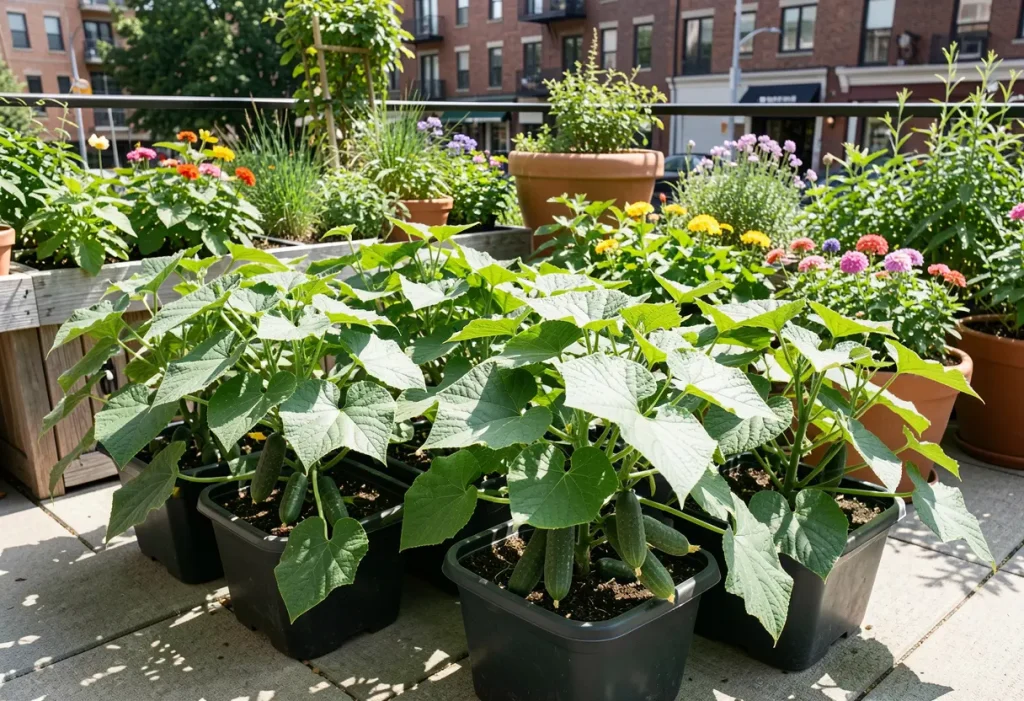
Transplanting cucumber seedlings requires care and attention. Following clear steps helps plants grow strong. This guide breaks down the transplant process into easy actions. It covers removing seedlings, planting depth, spacing, watering, and mulching.
Gently loosen the soil around the seedling roots. Hold the seedling by the leaves, not the stem. Carefully slide the seedling out of its container. Avoid damaging the roots or breaking the stem. If roots are tightly packed, gently tease them apart. This step prepares seedlings for a smooth move outdoors.
Plant seedlings at the same depth as in their containers. Dig a hole wide enough to spread roots comfortably. Space each seedling 12 to 18 inches apart. Proper spacing allows air and sunlight to reach each plant. Correct depth and spacing prevent root problems and crowding.
Water seedlings immediately after planting to settle the soil. Use a gentle spray to avoid washing away soil. Apply a thin layer of mulch around each seedling. Mulch keeps soil moist and controls weeds. This care helps seedlings adjust to their new home quickly.
After transplanting cucumber seedlings, care is vital for healthy growth. The plants need support to adjust to their new environment. Proper care helps reduce stress and promotes strong roots. Watch the plants closely during this phase. Small efforts can lead to a bigger harvest.
Transplant shock can slow plant growth. Look for wilting leaves or yellowing stems. Leaves may droop or curl. Check the soil moisture to avoid dryness or sogginess. Keep seedlings in partial shade if they show stress. Early detection helps save your plants.
Newly transplanted cucumbers need regular watering. Water deeply but avoid waterlogging the soil. Adjust watering based on weather and soil type. Morning watering is best to reduce evaporation. Keep soil moist but not soaked. Proper watering supports root development.
Fertilizers help seedlings grow strong and healthy. Use a balanced fertilizer with equal nitrogen, phosphorus, and potassium. Apply fertilizer two weeks after transplanting. Avoid over-fertilizing to prevent leaf burn. Organic options like compost work well. Feeding plants encourages leafy growth and fruit production.
Transplanting cucumber seedlings can bring challenges. Problems may appear during or after moving seedlings to a new spot. Spotting these problems early helps keep plants healthy and strong. The following tips help identify and fix common issues.
Wilting leaves often mean the plant lacks water. Check soil moisture and water gently but deeply. Yellow leaves may signal nutrient shortages or overwatering. Avoid soggy soil to prevent root damage. Use balanced fertilizer to support growth.
Look closely for small insects on leaves and stems. Aphids, spider mites, and cucumber beetles harm seedlings. Remove pests by hand or use mild insect soap. Watch for spots, mold, or rotting areas. These signs point to fungal or bacterial infections.
Stress shows as drooping or slow growth. Move seedlings to a shaded area for a few days. Keep soil moist but not wet. Avoid harsh winds or direct sun. Give time and care; most seedlings bounce back with patience.
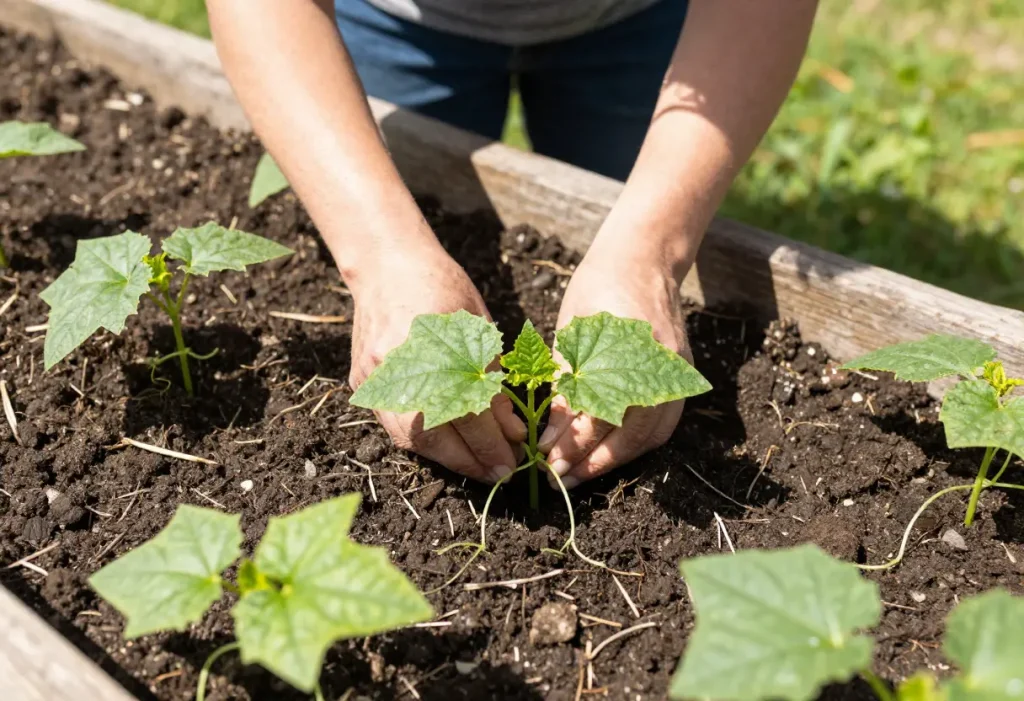
Transplant cucumber seedlings after they have 2-3 true leaves. This usually happens 2-3 weeks after planting seeds. Seedlings are strong enough to handle moving by then.
Look for sturdy stems and several leaves on seedlings. They should be about 3-4 inches tall. Weak or very small seedlings may not survive transplant well.
Yes, transplanting too early can shock seedlings and stunt growth. Young plants need to be strong enough to handle new soil. Wait until they have a few true leaves.
Yes, hardening off helps seedlings adjust to outdoor conditions. Gradually expose them to sunlight and wind over 5-7 days. This reduces transplant shock and improves survival.
Use loose, well-draining soil rich in organic matter. The soil should be warm, ideally above 60°F (15°C). Cold or heavy soil can harm young cucumber plants.
Transplant cucumber seedlings when they have two to three true leaves. Choose a warm day with no strong wind. Handle seedlings gently to avoid damage. Water the soil well before and after transplanting. Give seedlings space to grow healthy roots.
Watch them closely for the first week. This helps cucumbers grow strong and produce well. Timing and care make all the difference. Start with these steps, and success will follow.