Gardening Made Simple.
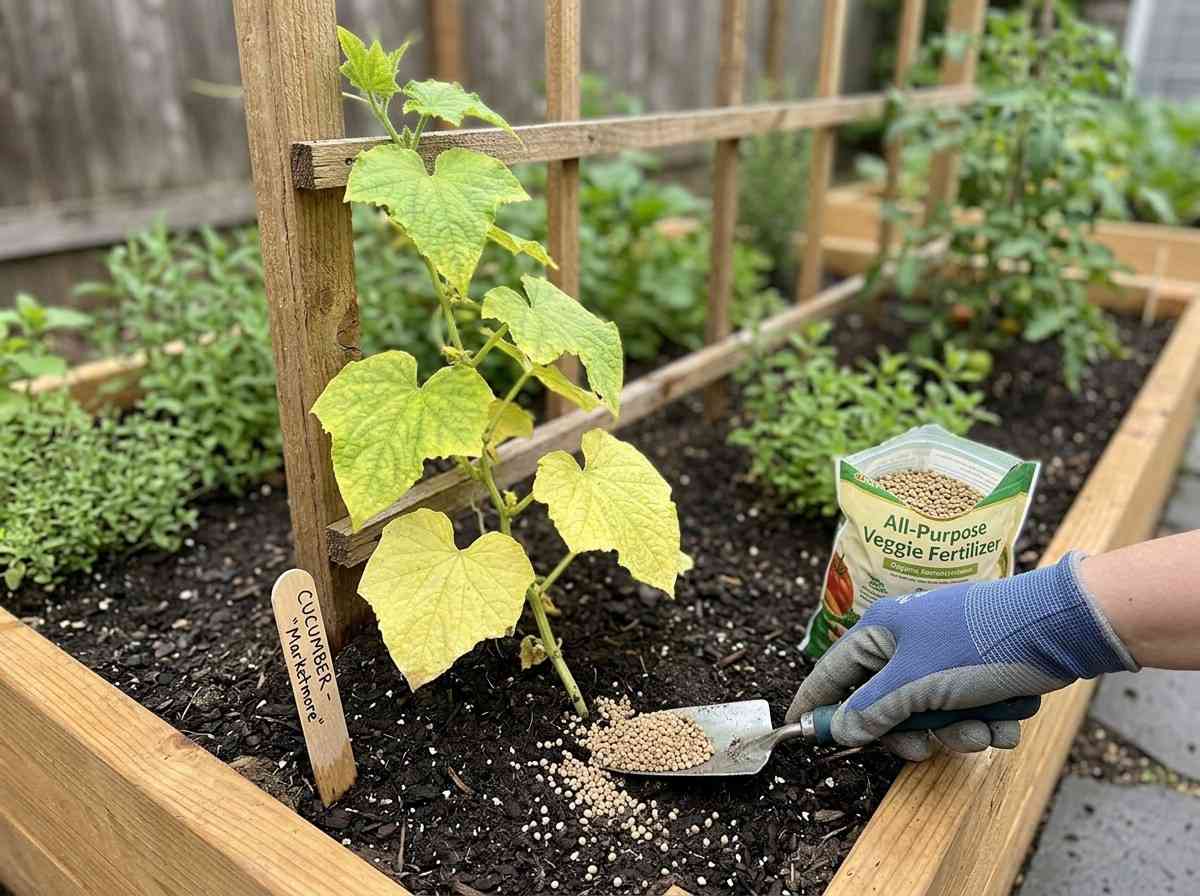
Are you noticing Cucumber Leaves Turning Yellow and wondering what’s going wrong? Yellow leaves can be a sign that your plants are struggling, and if you don’t act fast, your cucumber harvest might be at risk.
But don’t worry—understanding why this happens is the first step to fixing it. You’ll learn the common causes behind yellowing leaves and simple solutions to bring your cucumber plants back to life. Keep reading to save your garden and enjoy fresh, healthy cucumbers again!
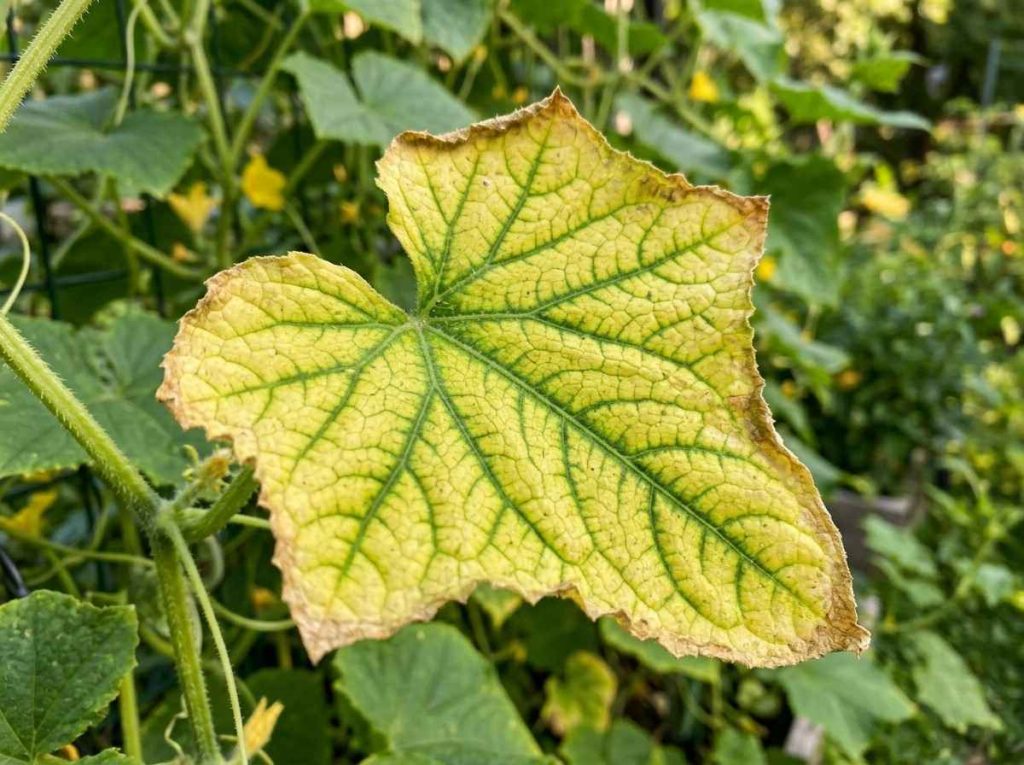
Yellow leaves on cucumber plants signal trouble. Understanding the common causes helps save your crop. Several factors may cause the yellowing of cucumber leaves. Identifying the right cause is key to healthy plants.
Cucumber plants need essential nutrients to stay green and strong. Lack of nitrogen often causes leaves to turn yellow. Magnesium and iron shortages can also lead to yellow spots. Using balanced fertilizer supports healthy leaf color and growth.
Too much or too little water harms cucumber plants. Overwatering can drown roots, causing leaves to yellow and wilt. Underwatering stresses plants, leading to dry, yellow leaves. Water plants evenly and check soil moisture for best results.
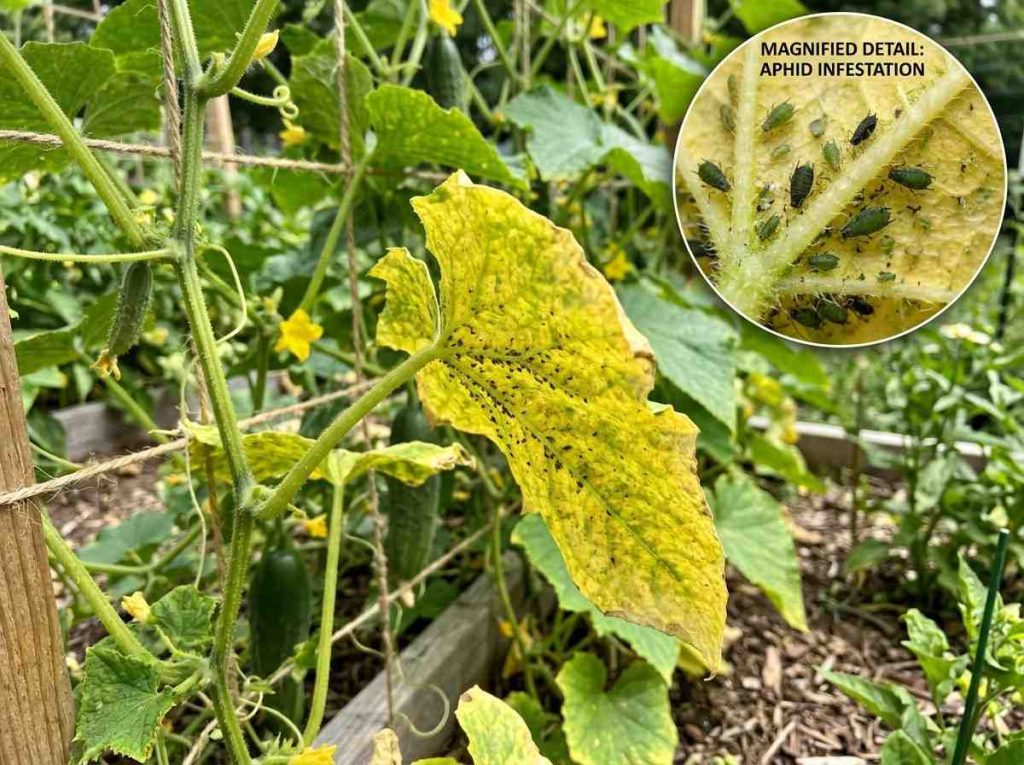
Insects like aphids and spider mites feed on cucumber leaves. These pests cause yellowing and leaf damage. Diseases such as powdery mildew and bacterial wilt also turn leaves yellow. Inspect plants regularly and treat pests or diseases early.
Extreme temperatures affect cucumber leaves. Too much sun or cold can make leaves yellow. Poor soil drainage or compacted soil stresses plants. Provide shade or improve soil conditions to reduce stress and keep leaves green.
Yellowing cucumber leaves can signal many problems. Identifying the exact cause helps to fix the issue quickly. You must check the plant closely. Observe the leaves, soil, and environment. This section explains how to spot common problems causing yellow leaves.
Nutrient shortages often cause leaf yellowing. Look for pale or yellow patches on leaves. Older leaves may yellow first. Leaves might curl or develop brown edges. Lack of nitrogen causes uniform yellowing. Iron deficiency shows yellow between leaf veins. Use balanced fertilizer to restore nutrients.
Too much water can suffocate roots. Leaves turn yellow and feel soft. Soil stays wet for long periods. Underwatering causes dry, yellow, and crispy leaves. Soil feels dry and pulls away from pot edges. Water cucumber plants only when soil is dry to touch.
Insects like aphids and spider mites cause yellow spots. Check underside of leaves for tiny bugs. Fungal diseases create yellow patches with brown spots. Leaves may wilt and drop early. Use natural insect sprays or fungicides to treat infections.
Extreme heat or cold causes stress and yellow leaves. Cucumber plants prefer warm, sunny spots. Too much shade leads to pale, yellow leaves. Sudden temperature changes can shock plants. Keep plants in stable, moderate conditions for best growth.

Yellow leaves on cucumber plants signal a problem that needs quick action. Effective solutions can help bring your plants back to health. Each cause has a fix that you can try at home.
Overwatering and underwatering both cause yellow leaves. Water cucumbers deeply but not too often. The soil should stay moist but not wet. Check soil moisture before watering again. Proper watering helps roots breathe and grow strong.
Yellow leaves often mean a lack of nutrients. Add compost or balanced fertilizer to enrich the soil. Focus on nitrogen, potassium, and magnesium for healthy leaves. Test soil pH to ensure nutrients absorb well. Healthy soil supports vibrant, green cucumber leaves.
Pests like aphids and spider mites cause yellowing leaves. Inspect plants regularly for tiny bugs or webs. Use insecticidal soap or neem oil to remove pests safely. Natural predators like ladybugs can help control pests too. Clean leaves improve plant health and stop damage.
Cucumbers need plenty of sunlight and good airflow. Place plants where they get at least 6 hours of sun daily. Avoid overcrowding to reduce disease risk. Keep temperature steady between 70-85°F for best growth. Right conditions keep leaves green and strong.
Healthy cucumber leaves need care and attention. Yellow leaves often signal problems. Preventive measures help avoid leaf yellowing. These steps keep plants strong and productive. Follow these simple tips for better cucumber growth.
Check soil nutrients regularly. Soil testing helps find nutrient imbalances early. Correct levels of nitrogen, potassium, and phosphorus support leaf health. Test soil every season for best results. Adjust fertilizers based on test results. Healthy soil means healthy leaves.
Give cucumber plants enough space to grow. Crowded plants get less air and light. Prune old or damaged leaves to improve airflow. Proper spacing and pruning reduce disease risk. These steps help leaves stay green and strong.
Watch plants for pests daily. Small insects can cause yellowing leaves quickly. Use natural pest control methods for safety. Early pest detection prevents damage. Keep leaves clean and check under them often.
Adjust care based on the season. Protect plants from extreme heat or cold. Water plants consistently but avoid waterlogging. Mulch soil to keep moisture steady. Seasonal care keeps cucumber leaves healthy and vibrant.
Caring for cucumber plants well can stop leaves from turning yellow. Healthy leaves mean strong plants and better harvest. Simple changes in care can make a big difference. Here are expert tips to help cucumber plants thrive in any garden.
Select cucumber types that suit your climate and soil. Some varieties resist diseases better than others. Pick seeds labeled as disease-resistant for fewer problems. Choose short-vine types for small spaces. This helps plants grow well and stay healthy.
Mulching keeps soil moist and cool around cucumber roots. Use straw, grass clippings, or leaves as mulch. Spread mulch 2 to 3 inches thick around the base. It reduces weeds and protects roots from temperature swings. Mulch also stops soil from splashing on leaves, lowering disease risk.
Feed cucumbers with natural fertilizers like compost or manure. Organic fertilizers release nutrients slowly and improve soil health. Apply fertilizer every few weeks during the growing season. Avoid over-fertilizing, which can cause leaf yellowing. Balanced feeding helps plants grow strong and produce more fruit.
Stress weakens cucumber plants and causes yellow leaves. Water plants deeply but avoid waterlogging the soil. Provide shade during very hot days to protect leaves. Check plants often for pests and diseases. Remove damaged leaves quickly to keep plants healthy. Calm plants grow better and yield more cucumbers.
Yellow leaves often signal water stress, either too much or too little. Check soil moisture and adjust watering habits accordingly.
Yes, pests like aphids and spider mites suck sap and damage leaves. Inspect plants regularly and treat infestations early.
Lack of nitrogen or magnesium can cause yellowing. Use balanced fertilizers to keep plants healthy and green.
Too much water drowns roots, causing yellow leaves and poor growth. Ensure soil drains well and water moderately.
Remove yellow leaves to improve air flow and plant health. Prune carefully to avoid stress and promote new growth.
Yellow cucumber leaves need quick attention to save your plants. Check watering habits and soil quality first. Watch for pests or signs of disease closely. Adjust care based on what you find. Healthy leaves mean stronger cucumbers and better harvests.
Stay patient and consistent with your garden care. Your efforts will bring fresh, tasty cucumbers soon. Keep learning and caring for your plants daily.