Gardening Made Simple.
If you love growing zucchini, saving your own seeds can be a game-changer. Imagine having a steady supply of seeds from your healthiest plants, year after year. Learning How to Save Zucchini Seeds ensures you can preserve quality and enjoy consistent harvests season after season.
It’s easier than you think, and it saves you money while helping you grow zucchini that’s perfectly suited to your garden. In this guide, you’ll learn simple steps to collect, prepare, and store zucchini seeds so they stay fresh and ready to grow.
Keep reading, and you’ll soon have the skills to become your own seed saver!
Choosing the right zucchini is the first step to save good seeds. The quality of your seeds depends on the plant you pick. Healthy and strong plants give the best seeds for next season. It is important to know what to look for in a zucchini plant.
Pick plants that look strong and free from disease. Leaves should be green without spots or yellowing. Avoid plants with signs of pests or damage. Choose zucchinis that grow well and produce large fruits. Healthy plants produce seeds with better germination rates. Always check for firm and fully mature zucchinis on the plant.
Choose zucchini types that grow well in your climate. Open-pollinated or heirloom varieties work best for seed saving. These keep their traits from year to year. Hybrid varieties may not produce true seeds. Popular heirloom varieties include Black Beauty and Costata Romanesco. Select zucchinis from these for reliable seed saving results.
Harvesting mature zucchini is the first step in saving seeds successfully. The right fruit must be fully grown and ripe. Immature zucchini will not produce good seeds. Patience is key to getting healthy seeds for next season.
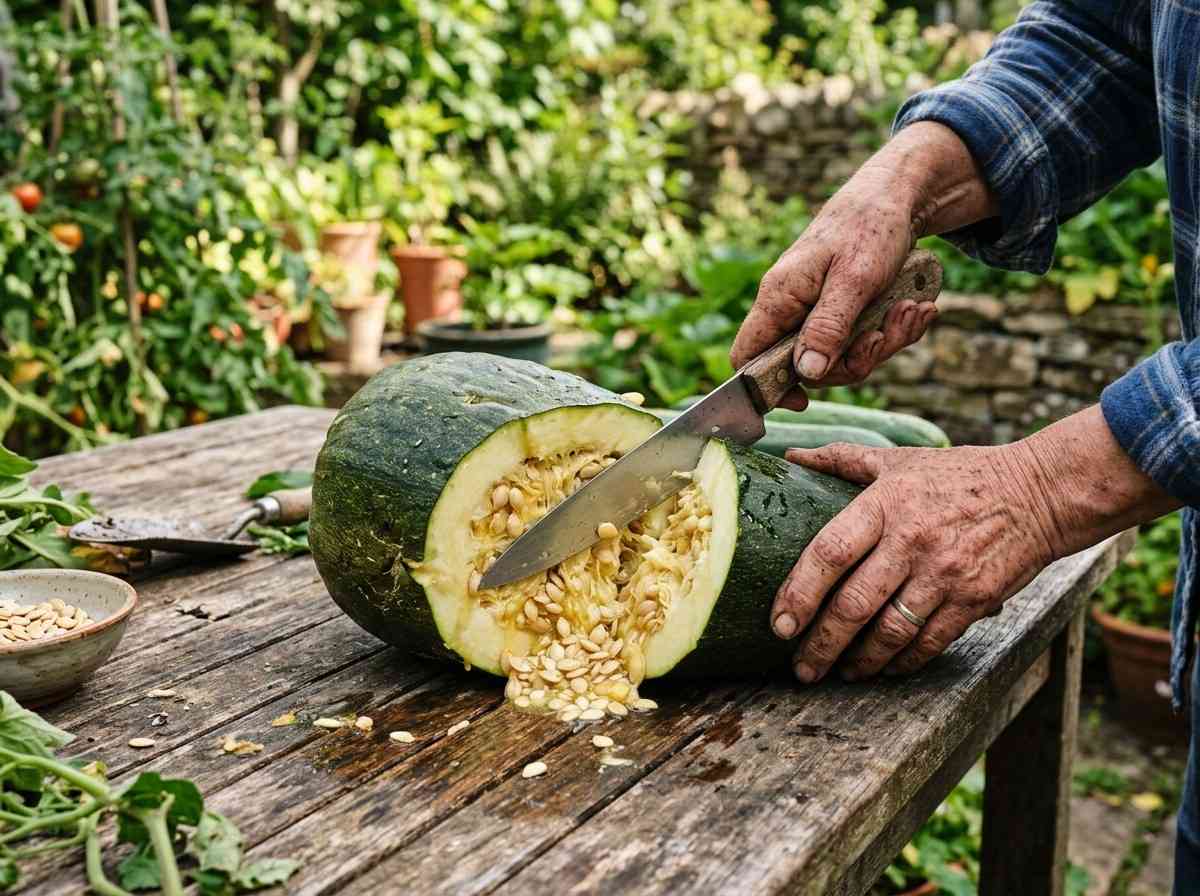
Seed-ready zucchini look different from the ones you eat fresh. They grow much larger and have a hard skin. The color becomes dull or darker. Inside, the seeds are firm and fully formed. Soft or white seeds mean the fruit is not ready.
Leave zucchini on the plant longer than usual. Wait until it reaches about 8 to 12 inches long. The fruit may stop growing and start to harden. This signals the seeds are mature. Harvest before the fruit rots or falls off naturally.
Extracting seeds from zucchini is the first step in saving them for your next garden. The process is simple and requires just a few tools. Clean seeds grow better and last longer. Follow these easy steps to get good seeds ready for drying and storing.
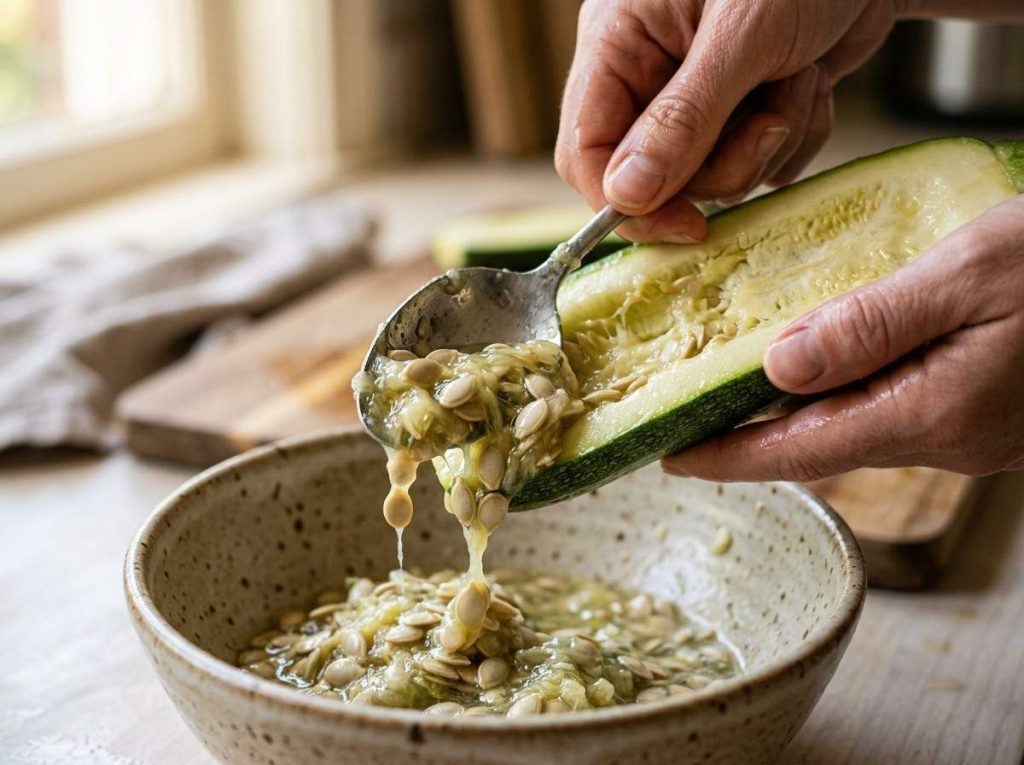
Start by cutting the zucchini lengthwise with a sharp knife. Be careful to cut it evenly down the middle. Use a spoon to scoop out the seeds and the surrounding pulp. Collect the seeds in a bowl. Try to remove as much pulp as you can. This makes the next step easier and cleaner.
Fill the bowl with water. Stir the seeds gently with your fingers. The pulp will loosen and float. Good seeds will sink to the bottom. Pour off the pulp and floating debris. Repeat rinsing until the seeds are clean. Spread the seeds on a paper towel to dry. Dry seeds store better and avoid mold.
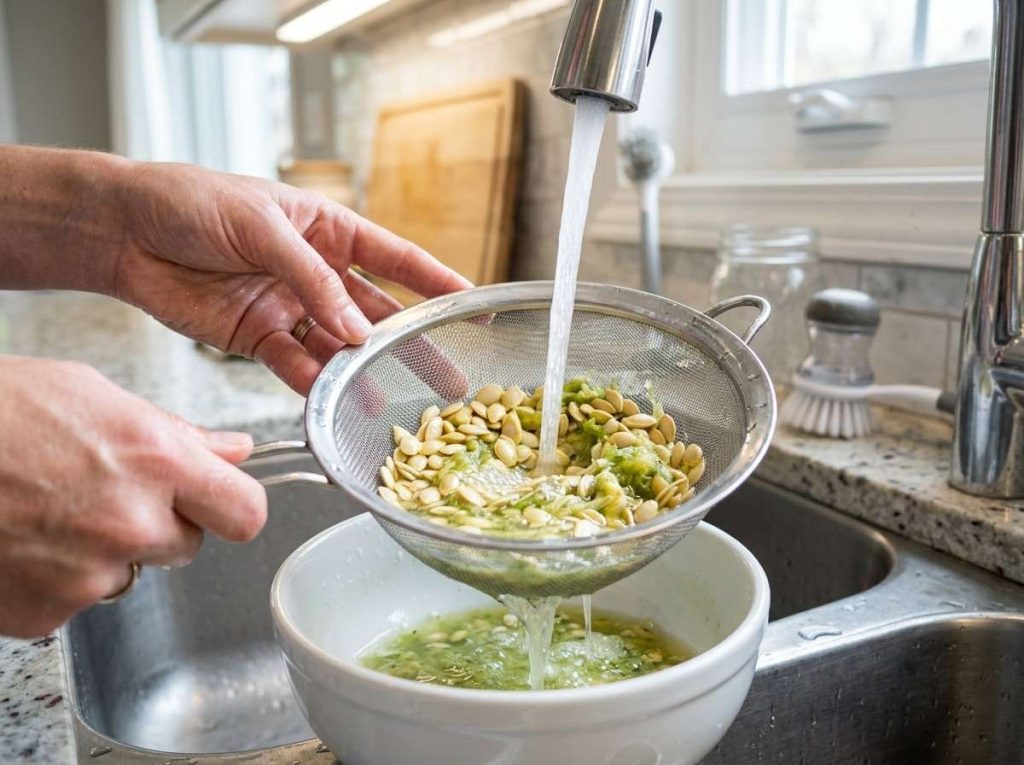
Cleaning and fermenting zucchini seeds is a key step in saving them for next season. Proper cleaning removes the pulp and any dirt. Fermentation helps prepare the seeds for better growth. This process also stops bad seeds from developing mold or disease.
Fermentation breaks down the gel around each seed. This gel can stop seeds from sprouting well. It also kills bad bacteria and fungi. Fermentation helps keep seeds healthy for planting. It improves seed quality and germination rates.
First, scoop seeds from a ripe zucchini. Place seeds and pulp in a jar or bowl. Add a little water to cover the seeds. Stir the mix well. Leave the jar at room temperature for three days. Stir once a day to help fermentation.
After three days, the pulp will float or sink. Pour off the liquid and pulp. Rinse seeds with clean water several times. Spread seeds on a towel to dry. Let them dry fully for one week. Store dry seeds in a cool, dry place.
Drying zucchini seeds properly is essential for good storage and future planting. Wet seeds can rot or grow mold. Proper drying keeps seeds healthy and ready to grow strong plants next season.
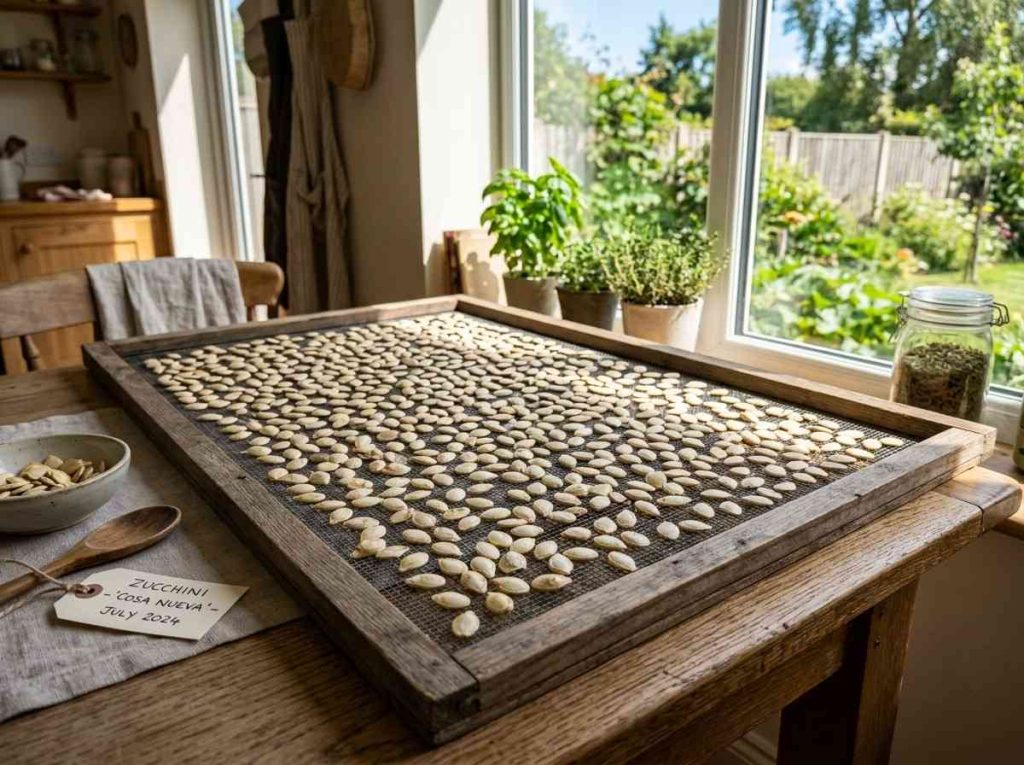
Pick a dry place with good air flow. Avoid direct sunlight, which can damage seeds. A shaded room or covered porch works well. Use a tray or paper towel to spread seeds in a thin layer. Stir seeds every day to help them dry evenly.
Seeds usually take about one to two weeks to dry fully. Check them daily to see if they feel dry and hard. If seeds stick together or feel soft, they need more drying time. Properly dried seeds snap easily when bent.
Storing zucchini seeds correctly keeps them healthy and ready for planting. Proper storage slows down seed aging and prevents damage. Seeds last longer when kept in the right place and container.
Use airtight containers to keep seeds dry. Glass jars with tight lids work well. Avoid plastic bags because they can trap moisture. Store seeds in a cool, dark spot. A temperature around 40°F (4°C) is ideal. Keep seeds away from heat, light, and humidity. Dry seeds last longer and stay viable for years.
Label each container with the seed type and date saved. Use clear, simple labels to avoid confusion. Organize seeds by year and plant variety. This helps track seed age and planting schedule. Proper labeling prevents mistakes in the garden. Keep a seed log for extra organization.
Saving zucchini seeds is just the start. Planting them right brings success. Good planting grows strong plants and more zucchini. Follow simple steps to help your seeds sprout well.
Careful planting gives seeds the best chance to grow. Prepare seeds and soil carefully. Avoid common mistakes that can stop growth. Small efforts lead to big rewards in your garden.
Dry seeds fully before storing. Wet seeds may rot or mold. Test seed dryness by bending gently; dry seeds snap.
Soak seeds in water for a few hours before planting. This softens the seed coat and helps sprouting. Use clean water at room temperature.
Plant seeds in warm soil, about 70°F (21°C). Cold soil slows germination. Choose a sunny spot for best growth.
Planting seeds too deep is a frequent error. Plant seeds about 1 inch (2.5 cm) deep only. Too deep can stop seeds from breaking through soil.
Overwatering is harmful. Keep soil moist, not wet. Wet soil can cause seeds to rot.
Ignoring seed spacing leads to crowded plants. Leave space for each plant to grow large. Crowded plants get less sun and air.
Zucchini seeds are ready when the fruit turns yellow and feels hard. The seeds inside should be fully developed and firm. This usually happens late in the growing season.
Cut the zucchini open and scoop out the seeds with a spoon. Place them in a bowl with water to separate seeds from pulp. Rinse the seeds gently to clean them well.
Spread the seeds on a paper towel or screen in a warm, dry place. Let them dry for about a week until they feel crisp. Avoid direct sunlight to prevent damage.
Yes, store dry seeds in a cool, dark, and dry place. Use airtight containers or paper envelopes to keep moisture out. Properly stored seeds can last up to 5 years.
Seeds from open-pollinated zucchini usually grow true to the parent plant. Hybrid seeds may not produce the same quality or traits. Choose seeds from healthy plants for best results.
Saving zucchini seeds is simple and rewarding. Collect seeds from healthy, mature zucchinis. Dry them well before storing in a cool, dry place. Proper storage keeps seeds fresh for the next planting season. This practice saves money and helps grow better plants.
Try saving seeds this year and enjoy homegrown zucchinis again. Small steps lead to great gardening success. Give it a try!