Gardening Made Simple.
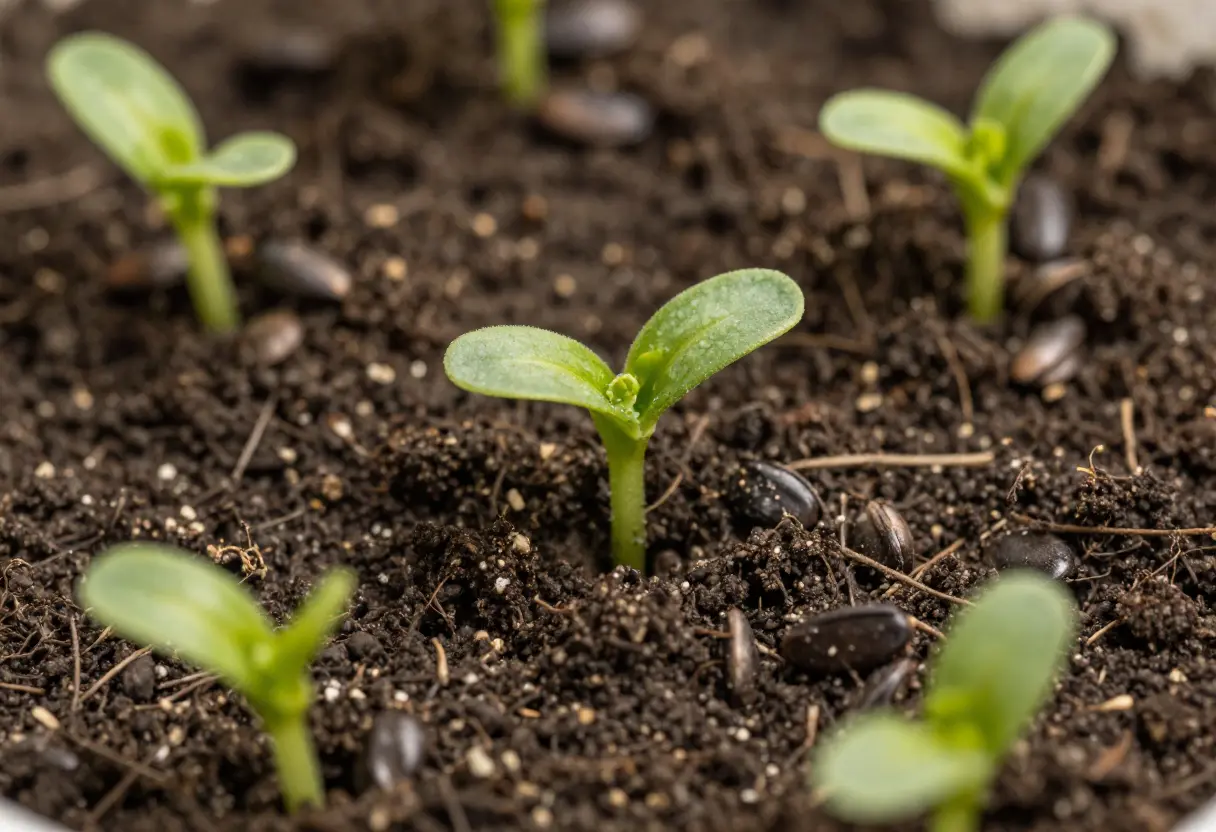
Are you eager to grow your own fresh zucchini but wonder how long it takes for the seeds to sprout? Germination Time for Zucchini is important to understand so you can plan your garden properly and enjoy a healthy, bountiful harvest.
You’ll discover exactly how long zucchini seeds take to come to life, plus simple tips to speed up the process. Keep reading to unlock the secrets to successful zucchini growing and watch your garden thrive faster than you imagined!
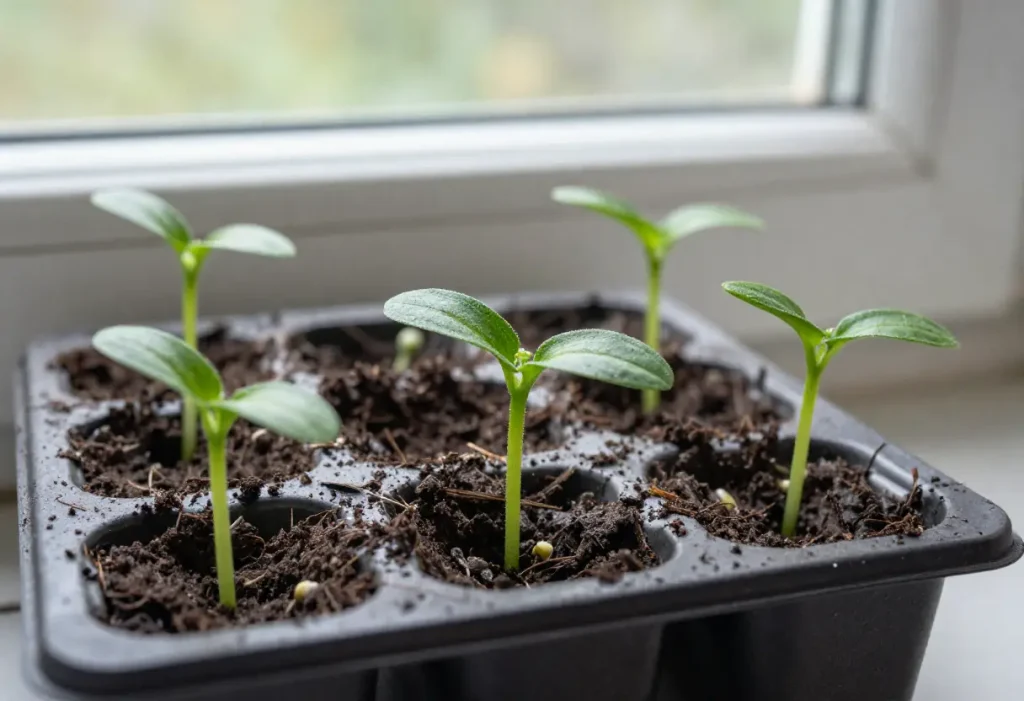
Zucchini seeds are the start of a fresh and tasty harvest. Choosing the right seeds helps your plants grow strong. Good seeds also make sure your zucchini grows fast and healthy.
Understanding how to pick and keep seeds can save time and effort. Healthy seeds have a better chance to sprout quickly and produce more fruit.
Choose seeds that look full and firm. Avoid seeds that are cracked or soft. Check the seed packet for the harvest year. Newer seeds usually grow better. Pick seeds from varieties that suit your climate. Some zucchini types grow better in hot or cool areas. Use seeds from trusted brands or local gardeners. This increases your chance of success in germination.
Keep seeds dry and cool before planting. Store them in a sealed container to avoid moisture. A dark place helps protect seeds from light. Avoid places with high heat or humidity. Label your seeds with the date of storage. This helps you use the oldest seeds first. Proper storage keeps seeds alive and ready to sprout.
Creating the right environment for zucchini seeds helps them sprout fast and strong. Optimal planting conditions support healthy growth from the start. Seeds need the proper soil, depth, and temperature to germinate well. These factors work together to give zucchini plants a good beginning.
Loosen the soil to a depth of 12 inches before planting. Remove rocks, weeds, and debris to avoid obstacles. Mix compost or organic matter into the soil for nutrients. Well-drained soil prevents water from pooling around seeds. This keeps seeds from rotting and encourages root growth.
Plant zucchini seeds 1 inch deep into the soil. Too shallow, seeds may dry out or get eaten by birds. Too deep, seeds might struggle to reach the surface. Keeping seeds at the right depth helps them sprout quickly. Space seeds about 24 inches apart to give room to grow.
Zucchini seeds germinate best between 70°F and 95°F. Cooler soil slows down seed sprouting and weakens seedlings. Warmer soil speeds up germination and supports strong growth. Soil temperature below 60°F can stop seeds from sprouting. Use a soil thermometer to check before planting.
Water is the key to start zucchini seeds growing quickly. Proper watering creates the perfect environment for seeds to sprout. Seeds need the right amount of moisture to break dormancy and begin germination. Too little water will delay sprouting. Too much water can cause seeds to rot or drown.
Understanding how to water zucchini seeds correctly helps speed up germination. The goal is to keep the soil damp but not soaked. Consistent moisture encourages seeds to swell and push roots into the soil.
Soil should feel like a wrung-out sponge. Moist, but not dripping wet. Dry soil slows germination and may stop seeds from sprouting. Saturated soil cuts off air to the seed, causing rot. Check soil daily by touching the surface. If it feels dry, water lightly. Keep moisture even during the entire germination period.
Use a gentle spray or a watering can with a fine rose. This avoids washing seeds away. Water early in the day to allow soil to dry slightly before night. Avoid heavy watering that creates puddles. Mist soil surface to maintain moisture. Water around the seed, not directly on it. This helps seeds stay in place and absorb water slowly.
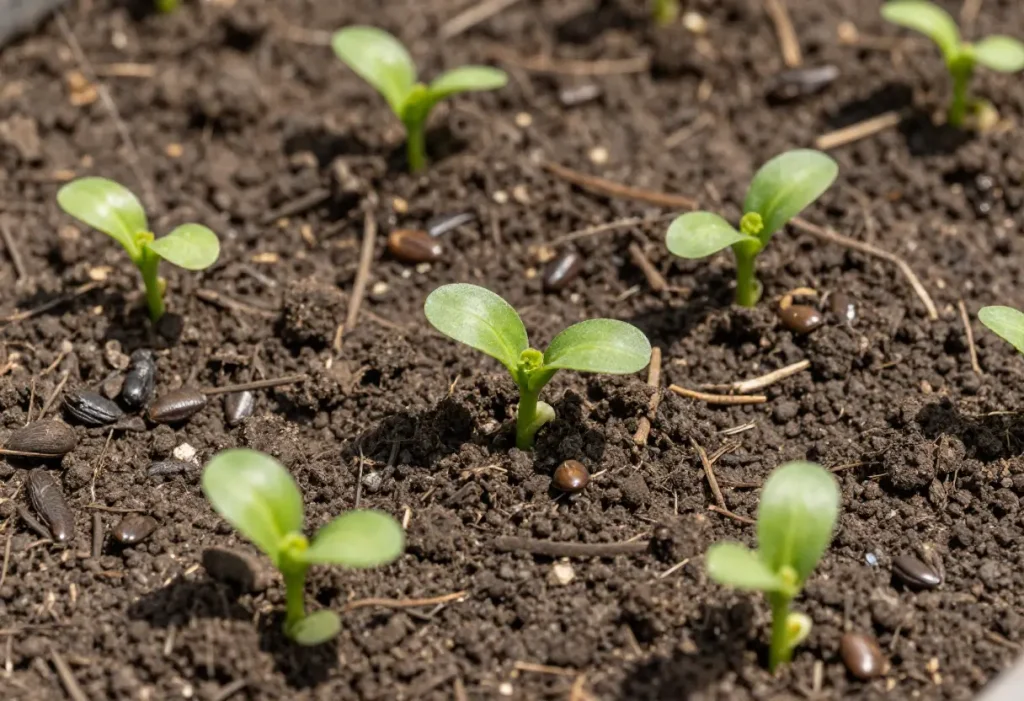
Zucchini seeds need the right light and warmth to sprout well. These two factors affect how fast and strong the seedlings grow. Light helps seedlings develop healthy leaves. Warmth speeds up seed germination and growth.
Providing enough light and keeping seeds warm creates the best start for zucchini plants. It helps seeds break dormancy and begin growing quickly. Let’s explore how sunlight and heat mats support germination.
Zucchini seedlings need plenty of sunlight after sprouting. Place seedlings in a spot that gets at least 6 hours of direct sun daily. Sunlight helps leaves grow green and strong. Without enough light, seedlings become weak and leggy.
During germination, seeds do not need light. But once they sprout, light is crucial for healthy growth. Use a south-facing window or a grow light if natural sun is limited. Bright light encourages sturdy plants.
Heat mats provide steady warmth below the seed trays. This warmth speeds up zucchini seed germination. The ideal soil temperature for zucchini is between 70°F and 85°F (21°C to 29°C).
Place the heat mat under the seed tray to keep soil warm. Avoid overheating, which can dry out seeds or kill them. Using a thermostat with heat mats helps maintain the right temperature.
Heat mats are especially helpful in cool homes or early spring planting. Warm soil encourages quick root growth and stronger seedlings. They make germination more reliable.
Pre-germination tricks help zucchini seeds sprout faster and stronger. These simple steps prepare seeds for quick growth. They also improve germination rates. Starting seeds this way gives plants a healthy boost.
Soaking zucchini seeds softens their outer shell. This makes it easier for the seed to break open. Use warm water and soak seeds for 6 to 12 hours. Do not soak more than 24 hours to avoid rotting. After soaking, plant seeds immediately for best results.
Place soaked seeds between two damp paper towels. Keep the towels moist but not wet. Put the towels in a warm place, like on top of a fridge. Check daily for tiny sprouts. Once sprouts appear, carefully transfer seeds to soil. This method speeds up germination and shows which seeds are healthy.
Starting zucchini seeds can be tricky. Many gardeners face problems during germination. These issues stop seeds from growing well. Knowing common problems helps prevent seed loss. Healthy seeds mean strong plants later.
Damping off disease is a common seedling killer. It causes young plants to wilt and die fast. This happens in wet, crowded soil with poor air. Fungi grow and attack the soft stems. Seedlings look thin, weak, and fall over easily.
To avoid damping off, keep soil moist but not soggy. Use clean pots and fresh soil. Provide good air flow around seedlings. Thin seedlings to give space for growth. Avoid planting seeds too deep or too close.
Seed rot happens when seeds stay too wet too long. Waterlogged soil stops oxygen from reaching the seed. Seeds begin to decay and never sprout. Cold soil and poor drainage increase risk. Old or damaged seeds rot faster than fresh ones.
Prevent seed rot by planting in well-draining soil. Use seed trays with holes or raised beds. Warm the soil before planting. Avoid overwatering and remove excess water quickly. Store seeds in a dry, cool place before planting.
Speeding growth after zucchini seeds sprout helps plants become strong fast. Healthy seedlings grow better and give bigger harvests. Simple care steps improve growth. Focus on the right actions to help young plants thrive.
Seedlings often grow too close. Crowded plants fight for light and nutrients. Thin seedlings by removing the weakest ones. Leave the strongest plants about 18 inches apart. This space helps roots grow deep and leaves get enough sun. Thinning stops plants from wasting energy.
Zucchini needs food to grow fast after sprouting. Use a balanced fertilizer with nitrogen, phosphorus, and potassium. Nitrogen helps leaves grow green and healthy. Phosphorus builds strong roots. Potassium supports flowers and fruit. Apply fertilizer carefully to avoid burning plants. Feed every two weeks for steady growth.
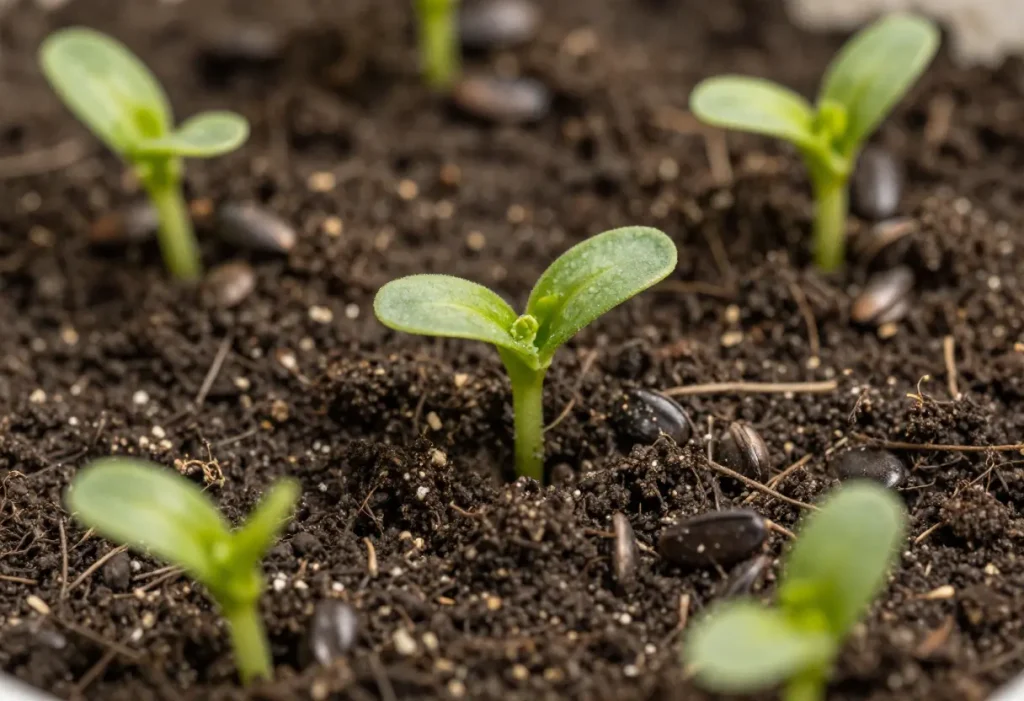
Zucchini seeds usually sprout within 7 to 10 days. Warm soil speeds up germination. Cooler soil can delay sprouting.
Zucchini seeds germinate best between 70°F and 95°F (21°C to 35°C). Soil colder than 60°F slows growth. Warm soil helps seeds grow faster.
Zucchini seeds need light to grow well after sprouting. Germination happens best in warm, moist soil. Light helps young plants grow strong.
Keep soil moist but not wet. Use warm soil and plant seeds 1 inch deep. Cover with plastic wrap to keep warmth and moisture.
Seeds may be too old or planted too deep. Soil might be too cold or dry. Ensure proper temperature and moisture for better results.
Zucchini seeds usually sprout in about 7 to 10 days. Warm soil helps speed up germination. Keep the soil moist but not too wet. Watch for small green shoots to appear above the soil. Once sprouted, zucchini plants grow quickly and need plenty of sunlight.
Patience is key during the early days. With proper care, your zucchini will thrive and produce tasty fruits. Growing zucchini can be simple and rewarding. Happy gardening!