Gardening Made Simple.
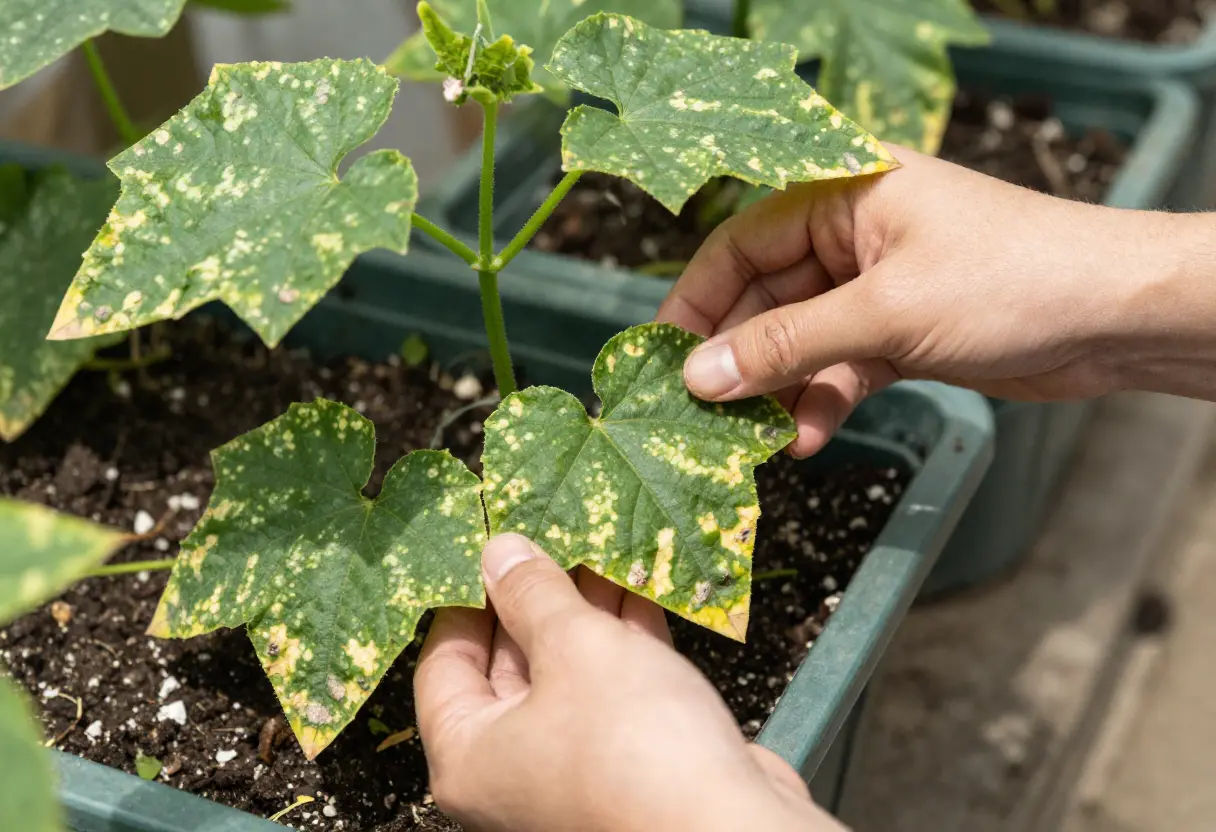
Are you struggling to keep your cucumber plants healthy and thriving? Understanding Cucumber Plant Diseases And Pests can help you identify problems early and protect your crop, ensuring a strong, productive harvest.
Cucumber plants are prone to a variety of diseases and pests that can quickly ruin your harvest. But don’t worry—understanding these common problems is the first step to protecting your garden. You’ll discover the most frequent cucumber plant diseases and pests, how to spot them early, and simple ways to keep your plants strong and productive.
Keep reading, and you’ll gain the knowledge to save your cucumbers and enjoy a bountiful harvest this season.
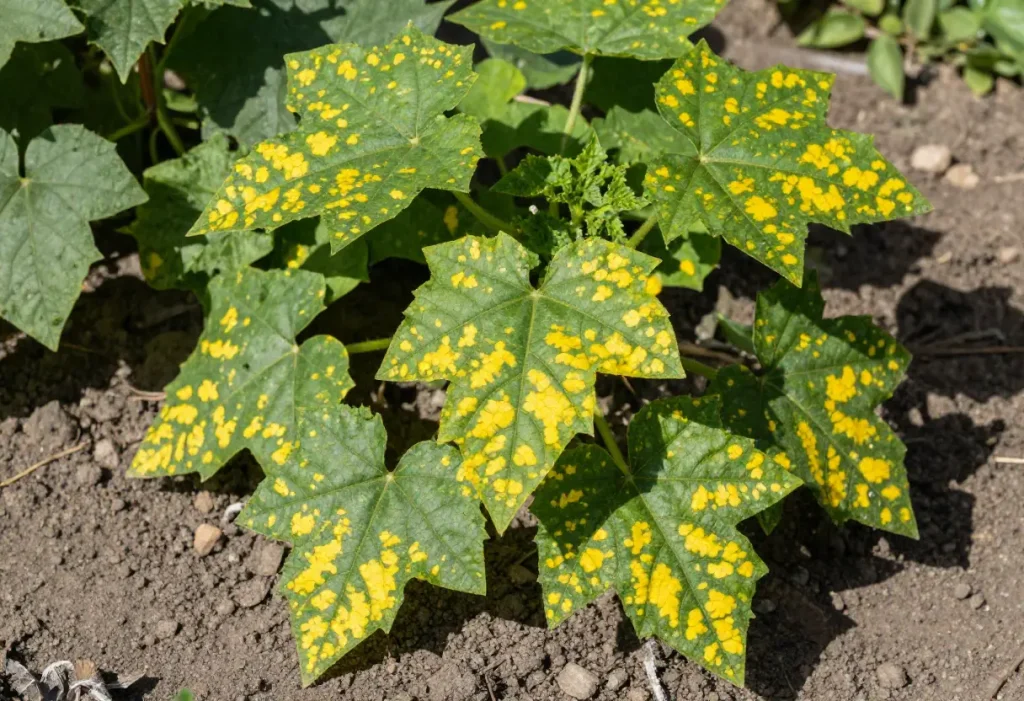
Cucumber plants face many challenges from diseases. These common diseases can harm leaves, stems, and fruits. Early detection helps protect your plants and increase harvest. Understanding each disease helps in managing and preventing spread.
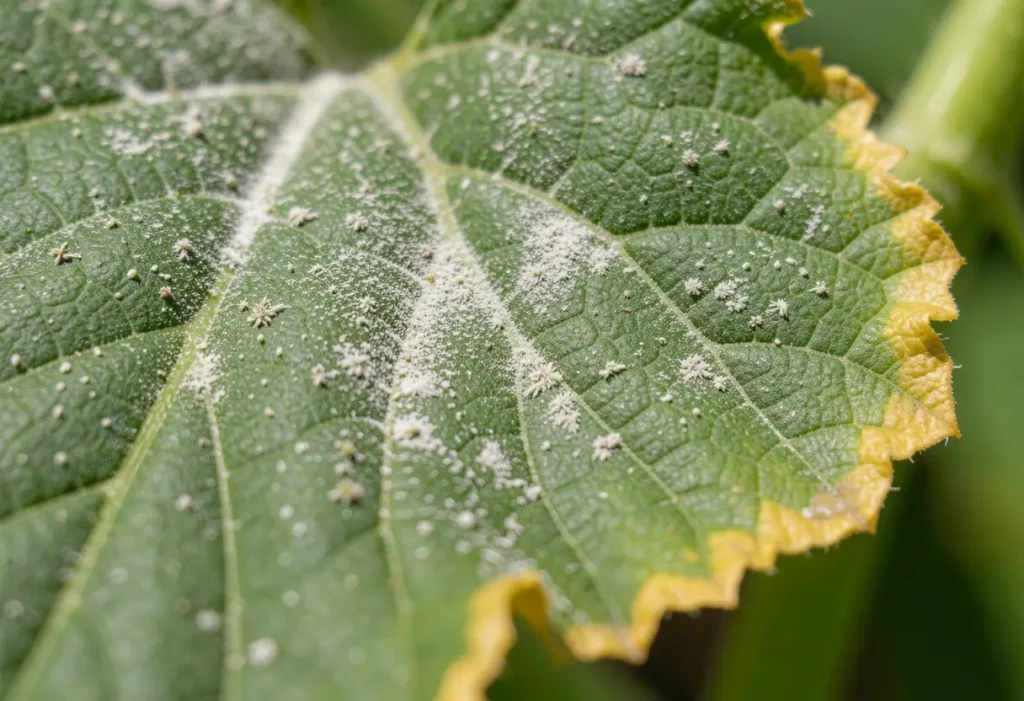
Powdery mildew appears as white, powdery spots on leaves. It spreads quickly in warm, dry weather. Leaves may turn yellow and die. This disease reduces plant growth and fruit quality.
Downy mildew causes yellow patches on upper leaf surfaces. Grayish mold grows on the underside of leaves. It thrives in cool, wet conditions. This disease can cause leaves to wither and drop.
Bacterial wilt causes sudden wilting of cucumber vines. The bacteria block water flow inside the plant. Leaves turn yellow and plants die fast. It spreads through cucumber beetles.
Anthracnose creates dark, sunken spots on leaves and fruits. These spots grow and merge, causing decay. It spreads in wet and humid conditions. Infected fruits become soft and unmarketable.
Fusarium wilt causes yellowing and wilting of lower leaves first. The fungus blocks water movement in stems. Plants wilt even with enough water. It survives in soil and infects new plants.
Cucumbers face many pests that harm their growth and yield. These pests can damage leaves, stems, and fruits. They also spread diseases that weaken plants. Identifying major pests early helps protect cucumber crops effectively.
Aphids are tiny insects that feed on cucumber sap. They cluster on new leaves and stems. Their feeding causes leaves to curl and yellow. Aphids also spread viruses that stunt plant growth. Natural predators like ladybugs help control aphids.
Cucumber beetles have yellow and black stripes or spots. They chew holes in leaves, flowers, and fruits. These beetles carry bacteria that cause wilt disease. Damage from beetles weakens the plant and lowers yield. Row covers can protect young plants from beetles.
Spider mites are tiny, spider-like pests that live under leaves. They suck plant juices, causing speckled or yellow leaves. Heavy infestations lead to leaf drop and plant stress. Warm, dry weather helps spider mites multiply fast. Spraying water on leaves reduces their numbers.
Whiteflies are small, white flying insects found on leaf undersides. They suck sap and produce sticky honeydew. Honeydew promotes mold growth on leaves. Whiteflies weaken plants and reduce fruit quality. Yellow sticky traps attract and catch whiteflies effectively.
Thrips are tiny, slender insects that feed on cucumber flowers and leaves. Their feeding causes silver streaks and spots on leaves. Thrips also spread viruses among cucumber plants. Controlling weeds around plants limits thrips hiding spots. Insecticidal soaps help manage thrips populations.
Preventing diseases in cucumber plants is key to a healthy garden. Taking steps before problems start helps keep plants strong and productive. These simple actions reduce risks and protect your harvest.
Change the location of cucumber plants each season. This stops disease buildup in the soil. Avoid planting cucumbers or related crops in the same spot for two years. Crop rotation helps break the cycle of pests and diseases.
Choose cucumber types that resist common diseases. Seeds labeled “disease-resistant” are less likely to get sick. Using these varieties lowers the need for chemicals. It also improves your chances of a good crop.
Plant cucumbers with enough space between them. Good airflow lowers moisture and reduces fungal growth. Avoid crowding plants. Proper spacing helps leaves dry faster and keeps diseases away.
Clean garden tools regularly to stop disease spread. Remove dead leaves and plant debris from the area. Dispose of infected plants far from your garden. Keeping the area clean reduces pests and disease sources.
Natural pest management techniques help protect cucumber plants without harmful chemicals. These methods keep pests under control and support healthy plant growth. Using natural ways also helps maintain a safe garden environment for people and beneficial creatures.
Some insects eat pests that damage cucumber plants. Ladybugs and lacewings are great examples. They feed on aphids, mites, and other harmful bugs. Attract these helpful insects by planting flowers like marigolds and dill nearby. This creates a natural balance in your garden.
Neem oil is a natural pesticide from the neem tree. It blocks pest growth and stops eggs from hatching. Spray it on cucumber leaves to reduce insect damage. Other organic sprays, like garlic or chili pepper spray, also repel pests safely. These options do not harm beneficial insects or the environment.
Planting certain crops near cucumbers can keep pests away. Nasturtiums and radishes work well. They confuse pests or attract them away from cucumber plants. Companion planting also improves soil health and helps plants grow stronger. This method creates a pest-resistant garden naturally.
Sticky traps catch flying pests like whiteflies and fungus gnats. Place yellow or blue sticky cards near cucumber plants. Pests get stuck and cannot harm the plants. These traps are easy to use and reduce pest numbers without chemicals. Check and replace traps regularly for best results.
Chemical treatments can control cucumber plant diseases and pests effectively. Use them carefully and only when necessary. Overuse may harm plants and the environment. Know the right products and timing for best results. Always follow instructions on the label.
Fungicides stop fungal infections on cucumber plants. Common diseases like powdery mildew and downy mildew respond well. Apply fungicides early in the disease cycle. Spray leaves and stems evenly. Repeat treatments as recommended to protect new growth. Choose products labeled safe for cucumbers.
Insecticides control harmful bugs like aphids, cucumber beetles, and spider mites. Use insecticides when pest numbers rise or damage appears. Target the pests directly to reduce harm to beneficial insects. Apply sprays during cooler times of the day to avoid plant stress. Follow product directions strictly for safe use.
Wear protective gear like gloves and masks when applying chemicals. Avoid spraying on windy days to prevent drift. Do not eat or drink during application. Wash hands and tools after use. Store chemicals in a safe, dry place away from children and pets. Always dispose of empty containers properly.
Monitoring and early detection play a key role in protecting cucumber plants. Catching problems early helps stop diseases and pests from spreading fast. Careful watching keeps plants healthy and yields high. Simple steps can save your garden from damage.
Check cucumber plants often. Look at leaves, stems, and fruit. Notice any spots, holes, or color changes. Do this at least twice a week. Early checks help find problems before they grow. Use a magnifying glass for small pests. Inspect both top and bottom of leaves.
Learn common signs of diseases and pests. Yellow leaves might mean nutrient issues or insects. Wilting can signal root rot or lack of water. White powdery spots show powdery mildew. Small holes or chewed edges often mean insects. Early recognition helps act fast and save plants.
Place sticky traps near plants to catch flying insects. Use yellow or blue colors to attract pests. Barriers like row covers block insects from reaching plants. Keep barriers tight to stop entry. These tools reduce pest numbers and protect plants. Combine traps and barriers for best results.
After harvesting cucumbers, caring for your garden is very important. Post-harvest care stops diseases and pests from spreading. This keeps your next crop safe and healthy. Taking quick action helps protect your plants and soil.
Dirty tools carry germs and pests. Clean all knives, scissors, and baskets thoroughly. Use soap and water, then rinse well. Wipe tools with a disinfectant to kill harmful microbes. Store tools in a dry place to keep them clean.
Remove plants showing disease symptoms carefully. Do not compost infected plants as diseases can survive. Burn or bury them away from your garden. This stops diseases from returning in the next season. Always wear gloves to avoid spreading germs.
Treat soil after harvesting to kill pests and fungi. Use natural soil treatments or approved chemicals. Rotate crops to reduce disease build-up in the soil. Let the soil rest or add organic matter to improve health. Healthy soil grows strong, disease-resistant cucumbers.
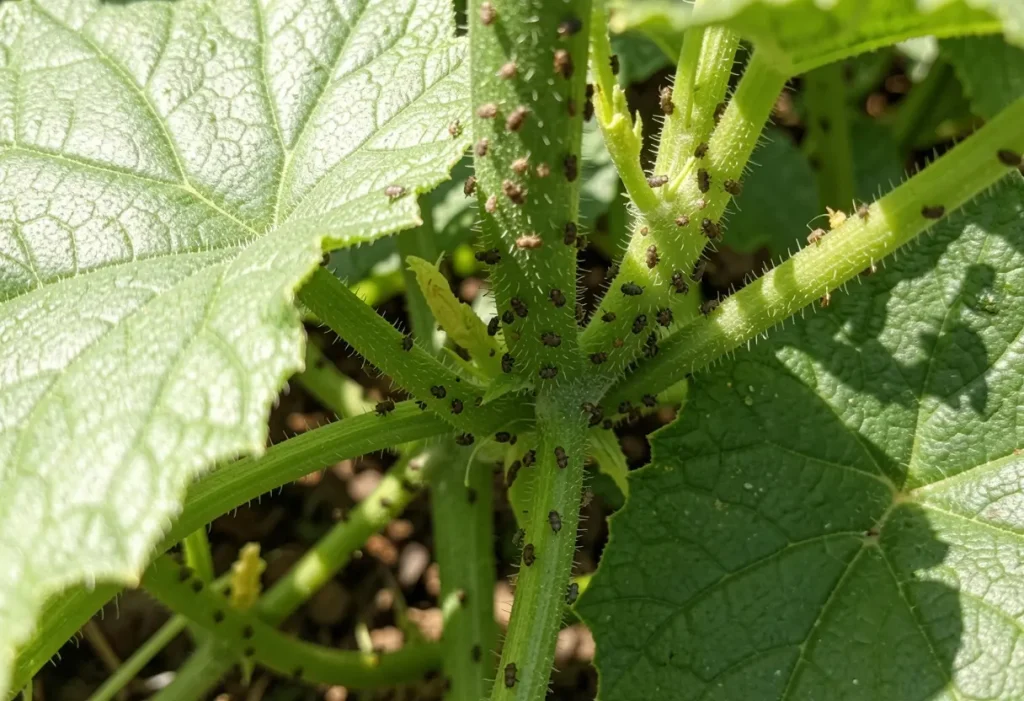
Common diseases include powdery mildew, downy mildew, and bacterial wilt. These cause leaf spots, yellowing, and plant wilting. Early detection helps control and prevent spread.
Look for holes on leaves, sticky residue, or small insects. Aphids, cucumber beetles, and spider mites are frequent pests. Regular checks keep plants healthy and pest-free.
Use disease-resistant seeds and practice crop rotation. Keep plants dry and avoid overhead watering. Clean tools and remove infected leaves to stop disease.
Neem oil, insecticidal soap, and garlic spray work well. These are safe for the environment and effective. Use regularly for best pest control results.
Treat at the first sign of damage or pest presence. Early action stops pests from spreading and harming plants. Monitor plants often, especially during warm months.
Healthy cucumber plants need care and attention to avoid diseases and pests. Watch your plants often for signs of trouble. Treat problems early to keep plants strong and productive. Use natural methods to protect your garden safely. Clean tools and good garden habits help stop pests from spreading.
Growing cucumbers can be easy with the right steps. Keep learning and stay patient for the best results. Your garden will thank you with fresh, tasty cucumbers.