Gardening Made Simple.
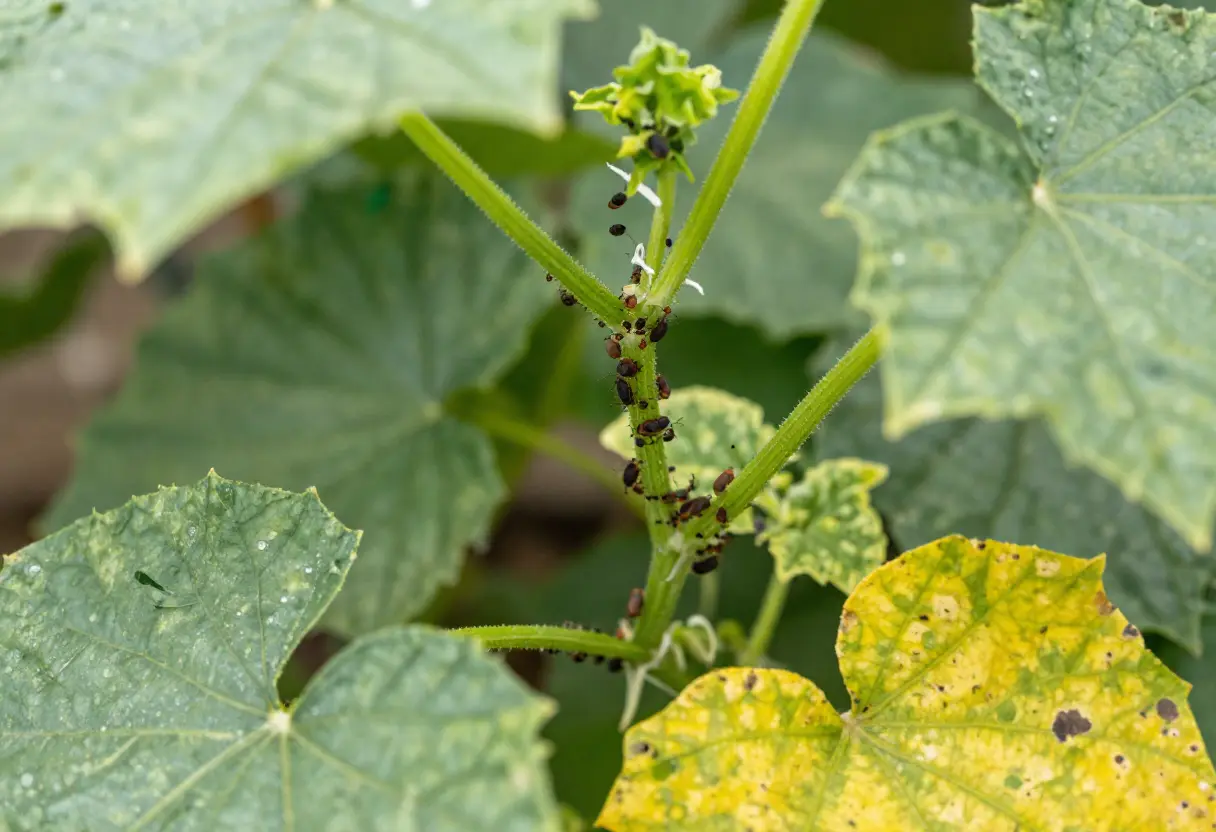
Are you noticing tiny green bugs on your cucumber plants and wondering what to do next? Aphids on Cucumber Plants can quickly damage a healthy garden, so knowing how to identify and control aphids on cucumber plants is essential for keeping your plants strong and productive.
These small pests might seem harmless at first, but they can cause serious damage if left unchecked. You’ll discover how to identify aphids, understand the risks they pose, and learn simple, effective ways to protect your cucumbers. Keep reading to save your plants and enjoy a bountiful harvest!
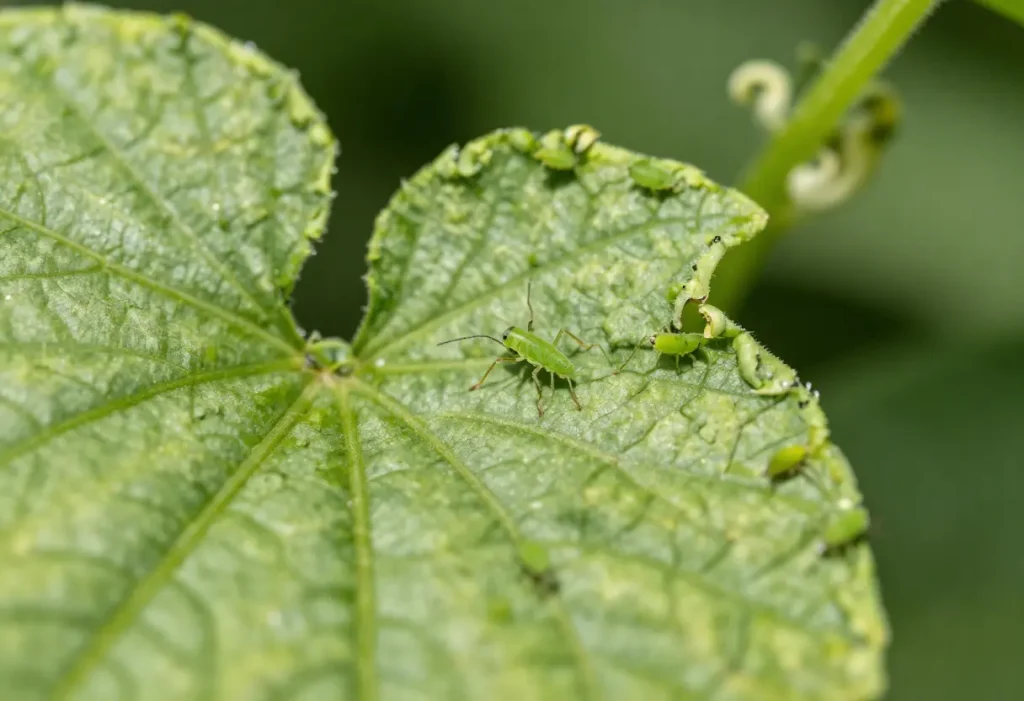
Aphids on cucumber plants can cause serious problems if not caught early. Identifying them fast helps protect your garden. These tiny insects hide well but leave clear signs of their presence.
Knowing which aphid species attack cucumbers aids in quick recognition. Spotting the signs of infestation lets you act before damage spreads. Understanding how aphids harm plants helps you take proper care.
Green peach aphids and melon aphids often target cucumbers. They are small, about 1/8 inch long, and soft-bodied. Colors vary from light green to yellow or pale pink. Aphids cluster on the underside of leaves and young shoots. Their pear-shaped bodies and long antennae make them easy to spot.
Sticky honeydew on leaves signals aphid activity. Leaves may curl, yellow, or become distorted. You might see tiny black sooty mold growing on the sticky residue. Clusters of small insects moving slowly on stems and leaves confirm infestation. Ants often gather near aphids, attracted by the honeydew.
Aphids suck sap from cucumber plants, weakening them. This causes stunted growth and fewer flowers or fruits. Leaves may wilt or drop prematurely. Aphids can spread plant viruses, worsening damage. Severe infestations can kill young plants quickly.
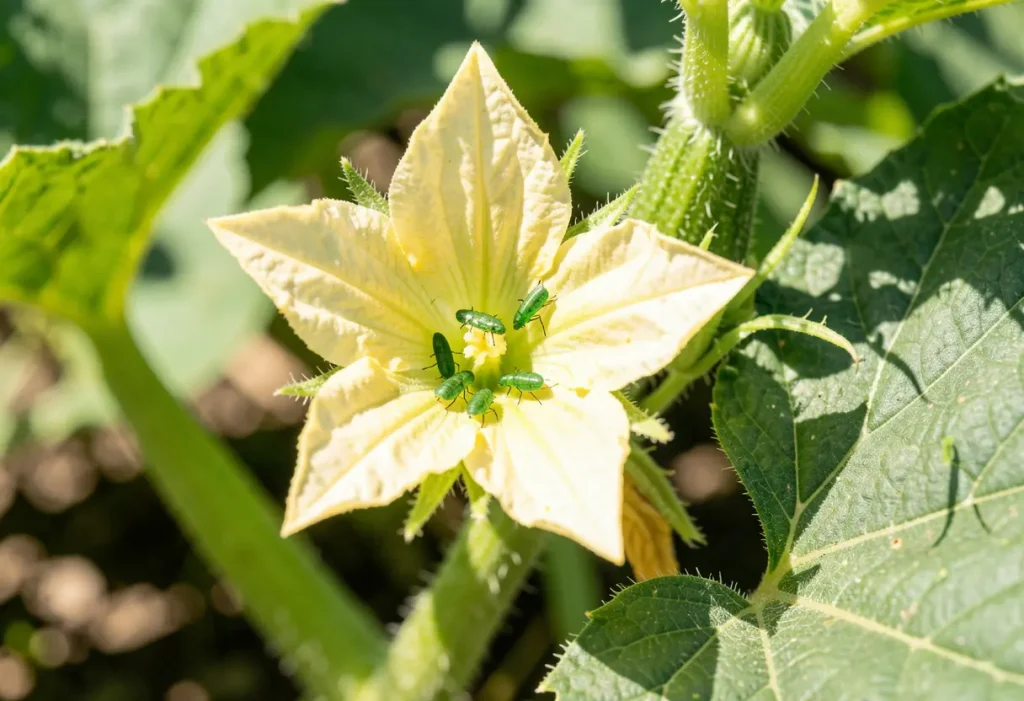
Aphids on cucumber plants can cause serious damage. They suck plant juices and spread diseases. Natural remedies offer safe and effective control. These methods protect your plants without harmful chemicals. They also support the garden’s health and balance.
Ladybugs are natural predators of aphids. They eat large numbers of aphids quickly. Lacewings and parasitic wasps also help control aphid populations. Attract these insects by planting flowers like marigolds and daisies. Avoid using broad-spectrum pesticides, as they kill beneficial insects too.
Soap sprays can kill aphids on contact. Mix mild liquid soap with water and spray the plants. Neem oil is another natural option. It disrupts aphids’ growth and feeding. Always test sprays on a small leaf area first. Spray in the early morning or late afternoon for best results.
Planting certain herbs and flowers near cucumbers can repel aphids. Garlic, chives, and onions work well. Nasturtiums attract aphids away from cucumber plants. This method reduces aphid numbers naturally. It also improves the overall garden ecosystem and plant health.
Chemical treatments can help control aphids on cucumber plants. They reduce pest numbers quickly and protect plants from damage. Proper use of chemicals is important to avoid harm to plants and beneficial insects. Following safety steps ensures effective and safe pest control.
Choose insecticides labeled safe for cucumbers. Products with neem oil, insecticidal soap, or pyrethrins work well. These options target aphids without harming the plant. Avoid strong chemicals that may damage leaves or fruit. Always read the label for crop safety and instructions.
Spray insecticides early in the morning or late in the evening. This reduces harm to bees and other helpful insects. Cover both leaf tops and undersides where aphids hide. Apply evenly but avoid over-wetting the plants. Repeat treatments as directed for best results.
Do not spray during hot, sunny weather to prevent leaf burn. Wear gloves and protective clothing to avoid skin contact. Keep children and pets away from treated areas. Do not mix chemicals unless the label says it is safe. Store insecticides away from food and water sources.
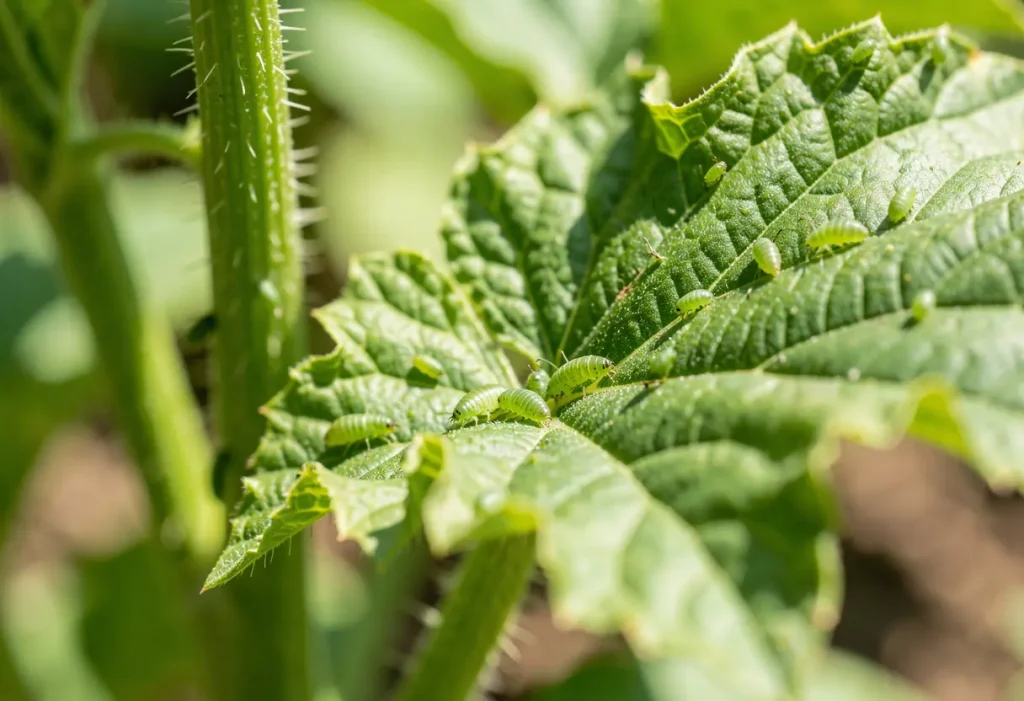
Preventing future aphid infestations on cucumber plants is key to keeping your garden healthy. Aphids can multiply fast and cause serious damage. Taking steps early helps protect your plants and saves effort later.
Check your cucumber plants often for signs of aphids. Look under leaves and near new growth. Early detection stops aphids from spreading quickly. Use a magnifying glass if needed. Catching pests early makes control easier.
Strong plants resist pests better. Water your cucumbers well but avoid overwatering. Use good soil with nutrients. Remove weeds that can host aphids. Healthy plants grow faster and recover from damage.
Encourage natural predators like ladybugs and lacewings. Plant flowers that attract these helpful insects nearby. Avoid using broad insecticides that kill beneficial bugs. Mulch around plants to keep soil moist and cool. Balanced garden conditions reduce aphid problems.
Severe aphid infestations on cucumber plants need fast action. Aphids multiply quickly and damage leaves, stems, and fruit. Acting fast can save your plants and stop the spread. Here are some steps to take right away to control the problem.
Start by spraying the plants with a strong stream of water. This helps knock aphids off leaves and stems. Repeat this daily until numbers drop. Use insecticidal soap or neem oil to kill aphids without harming the plant. Apply during cooler parts of the day to avoid leaf burn. Remove any heavily infested leaves and dispose of them far from your garden. Keep plants well-watered and healthy to resist pests better. Avoid using broad-spectrum insecticides that kill helpful insects.
If aphids keep returning despite efforts, call a pest control expert. Professionals can identify the specific aphid species and suggest safe treatments. They might use stronger, targeted pesticides not available to homeowners. Large infestations on many plants may require expert advice. Early professional help can save your entire cucumber crop. Don’t wait too long; aphids spread fast and cause lasting damage.
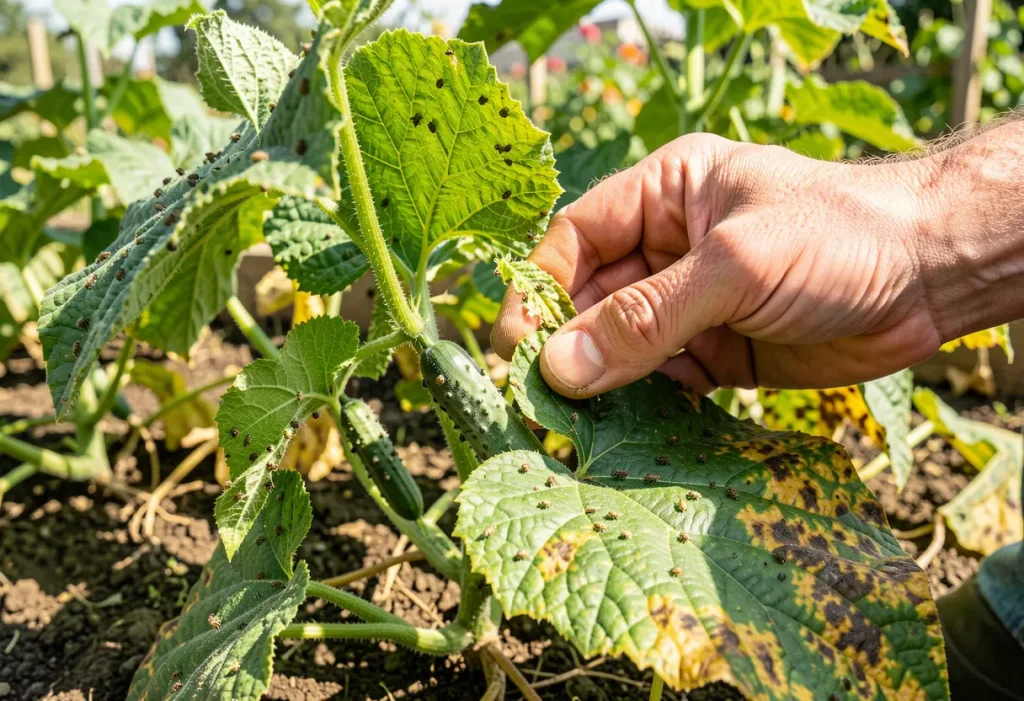
Aphids are small insects that suck sap from plants. They weaken cucumber plants by draining nutrients and spreading diseases.
Look for tiny green, black, or white bugs on leaves and stems. Sticky honeydew and curled leaves also signal aphid presence.
Introduce ladybugs or lacewings, which eat aphids. Spray plants with soapy water to remove and kill these pests safely.
Yes, aphids cause fruit to grow poorly and look deformed. Their feeding reduces fruit size and lowers overall quality.
Inspect plants every few days, especially during warm weather. Early detection helps stop infestations before serious damage occurs.
Aphids can harm cucumber plants quickly. Watch your plants often for small green bugs. Early action helps keep your garden healthy. Use natural methods like water spray or ladybugs. Avoid harsh chemicals to protect beneficial insects. Healthy plants grow stronger and resist pests better.
Keep soil rich and water plants well. Small steps can stop aphids from spreading fast. Protect your cucumbers and enjoy a good harvest. Simple care makes a big difference in your garden.