Gardening Made Simple.
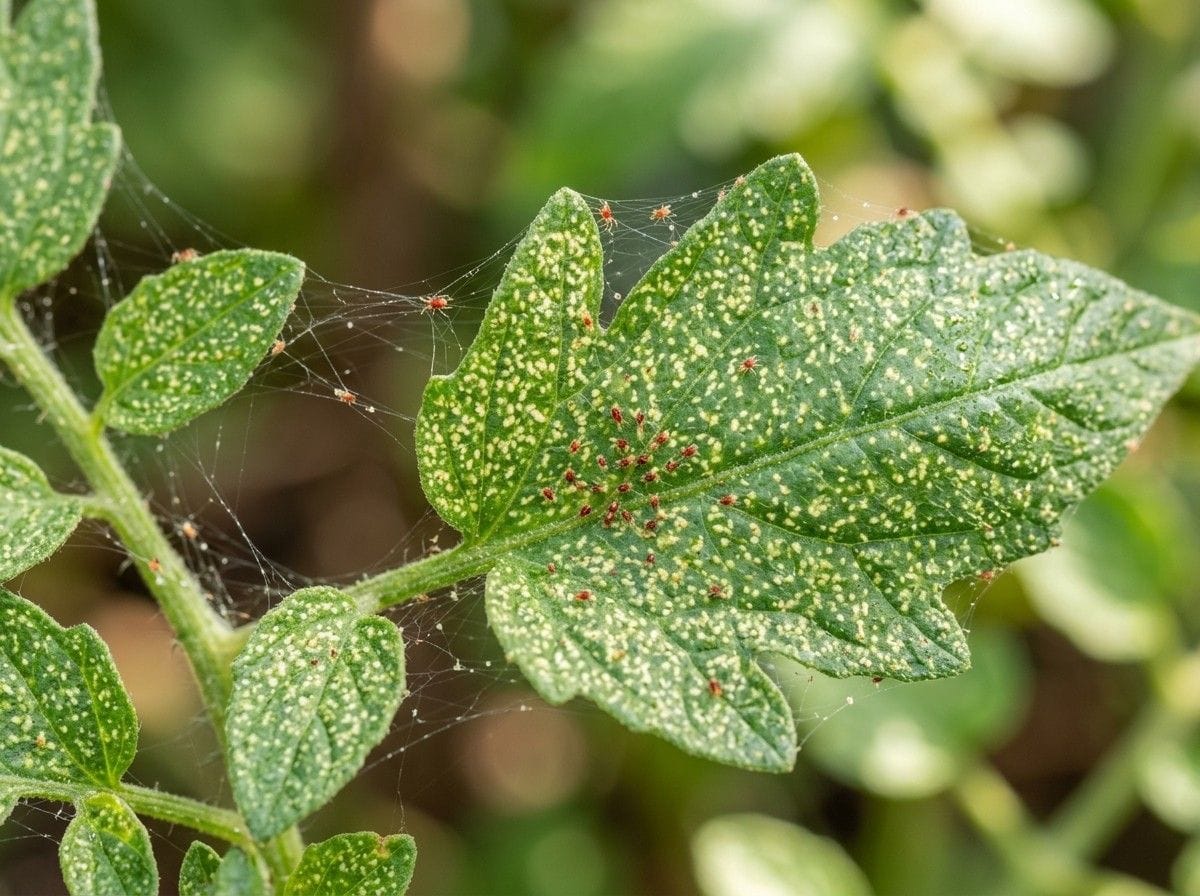
Spider Mite White Spots on Plant Leaves are often an early warning sign of a spider mite infestation. If you've noticed spider mite white spots on plant leaves, acting quickly can prevent further damage and protect your plants. This guide explains how to identify spider mite damage, treat infestations effectively, and keep your plants healthy with proven prevention methods.
If left unchecked, spider mites can quickly spread and harm your plants, causing them to lose their vibrant green color and health. Understanding what causes these white spots and how to tackle the problem can save your plants from serious harm.

Keep reading to discover simple steps you can take to protect your plants and keep them thriving.
Spider mites cause clear signs of damage on plant leaves. These tiny pests feed by piercing leaf cells and sucking out the contents. This action leads to visible changes on the leaf surface. Spotting these signs early helps protect your plants from serious harm.
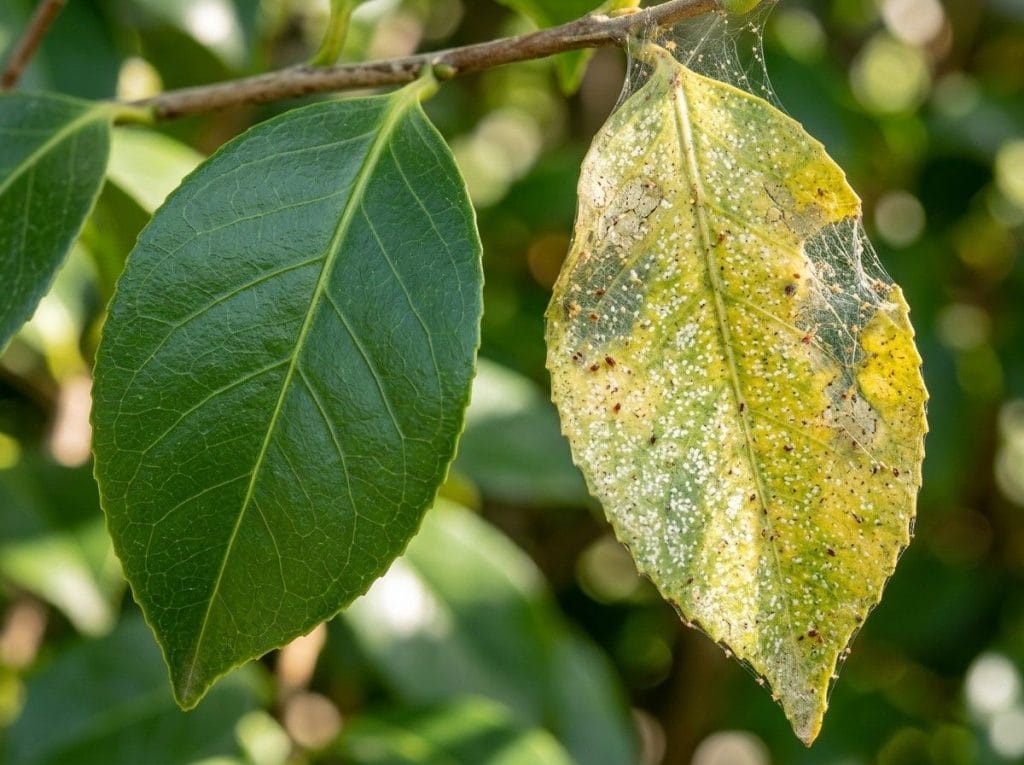
White spots are the first sign of spider mite damage. These spots look like tiny, pale dots scattered across the leaf. They appear because the mites remove chlorophyll from the leaf cells. Over time, these spots may grow larger and merge together. The affected area loses its green color and turns whitish or yellowish.
Discoloration often follows the white spots. Leaves may turn yellow, bronze, or even brown. This change usually starts at the edges or between veins. Damage can cause the leaf to look speckled or faded. In severe cases, leaves may dry out and fall off the plant.
Look for fine webbing on the underside of leaves. Spider mites spin these webs as they feed and breed. Leaves may also curl or become distorted. Plants might show stunted growth due to stress. Checking for moving dots on leaves confirms the presence of spider mites.
Spider mites are tiny pests that cause white spots on plant leaves. Their behavior affects plant health quickly. Understanding how spider mites live and feed helps control them better. These mites reproduce fast and prefer certain plants. Their feeding leaves visible damage that worries gardeners.
Spider mites have a short life cycle of about two weeks. Females lay eggs on the underside of leaves. Eggs hatch into larvae that grow into adults quickly. Each female can lay hundreds of eggs in her life. This rapid reproduction causes large infestations fast.
Spider mites feed by piercing plant cells with their mouthparts. They suck out the cell contents, causing tiny white spots. These spots appear as speckles on the leaf surface. Feeding weakens the plant and can cause leaves to dry out. Mites often feed in groups, increasing damage.
Spider mites favor plants with soft, thin leaves. Common hosts include tomatoes, beans, and houseplants. They thrive on many garden vegetables and ornamental plants. Some spider mites prefer dry, hot environments. Plants under stress attract more spider mites.
Spider mite white spots on plant leaves often appear due to certain environmental triggers. These triggers create conditions that help spider mites thrive and damage plants. Understanding these factors can help gardeners control infestations early.
Spider mites prefer dry and warm environments. Low humidity levels make leaves dry and easy to damage. High temperatures speed up mite reproduction. Hot, dry weather increases the chance of white spots on leaves.
Plants under stress attract spider mites more often. Stress can come from poor watering, nutrient loss, or root damage. Weak plants cannot fight off mites well. Stressed leaves show white spots faster and suffer more damage.
Spider mite problems rise during certain seasons. Late spring and summer bring warm, dry weather. These months allow mites to multiply quickly. Cooler, humid seasons slow down mite activity and reduce white spots.
Spider mite white spots on plant leaves need quick action. The tiny pests spread fast and damage plants. Fast control methods stop the spread and save your plants. Choose the right method based on your plant type and infestation level.
Introduce natural predators like ladybugs or predatory mites. They eat spider mites and reduce their numbers quickly. These insects are safe and eco-friendly. Use them early to prevent heavy damage. Natural predators work well in greenhouses and gardens.
Make simple sprays using household ingredients. Mix water with mild soap or neem oil. Spray the affected leaves thoroughly. These sprays kill spider mites and clean white spots. Repeat treatments every few days for best results. Homemade sprays are safe for most plants.
Use chemical miticides if the infestation is severe. Choose a product labeled for spider mites. Follow the instructions carefully for safe use. Chemical treatments act fast and control mites effectively. Avoid overuse to protect beneficial insects and plants.
Preventing spider mite white spots on plant leaves starts with good care habits. These tiny pests cause damage by sucking plant juices, leaving white specks behind. Healthy plants resist pests better. Follow these simple tips to keep your plants safe and vibrant.
Water plants evenly and avoid dry soil. Dry conditions attract spider mites. Use a spray bottle to mist leaves regularly. This keeps humidity higher, which spider mites dislike. Avoid overwatering to prevent root rot. Balanced watering helps plants stay strong and pest-free.
Check leaves often for tiny white spots or webbing. Early detection stops spider mites from spreading fast. Look under leaves where mites hide. Use a magnifying glass if needed. Remove affected leaves carefully to protect the whole plant.
Feed plants with balanced fertilizer to boost growth. Strong plants fight pests better. Prune dead or weak parts to improve air flow. Healthy soil with organic matter supports plant defenses. Keep plants away from dusty areas, as dust encourages mites.
Recovering from spider mite white spots on leaves takes time and care. Plants need support to heal and grow healthy again. Use smart methods to help plants fight damage and avoid more harm.
Cut off leaves with many white spots. These leaves waste the plant’s energy. Removing them helps the plant focus on healthy growth. Use clean scissors to avoid spreading mites. Dispose of cut leaves far from other plants.
Feed plants with balanced fertilizer to strengthen them. Healthy plants resist pests better. Water plants properly but do not overwater. Add natural boosters like seaweed extract for extra care. Avoid chemicals that can harm plant defenses.
Check plants often after treatment. Look for new white spots or mites. Early detection stops outbreaks from growing. Keep the area clean and dry. Repeat treatments if necessary but do not overuse pesticides.

Spider mites feed on leaf cells, causing tiny white or yellow spots called stippling.
Look for small white spots, fine webbing, and tiny moving dots on leaf undersides.
Use insecticidal soap, neem oil, or water sprays to reduce spider mite populations.
Yes, heavy infestations can weaken plants and cause leaf drop or death.
Keep plants healthy, avoid dry conditions, and inspect regularly for early signs.
Spider mite white spots can harm your plants quickly. Check leaves often for tiny damage signs. Early action stops mites from spreading fast. Use gentle sprays or natural predators to fight them. Keep plants healthy with good water and light.
Clean leaves to remove dust and pests. Healthy plants resist spider mites better. Stay alert and act fast to save your garden. Small steps protect your plants from serious harm.