Gardening Made Simple.

Life Cycle of Cucumber explains how a tiny seed transforms into the crunchy, delicious vegetable you enjoy in your salads. Have you ever wondered how a small cucumber seed grows into a full plant? Understanding the life cycle of cucumber can give you a fresh perspective on this everyday fruit and help you provide the right care at each growth stage.
Whether you’re growing cucumbers in your garden or just curious about nature’s process, knowing each stage can help you appreciate how much care goes into every bite. Keep reading, and you’ll discover the secrets behind each phase—from seed to harvest—that make cucumbers so special.
This knowledge might even inspire you to try growing your own!
Choosing the right seeds is the first step in growing healthy cucumbers. Good seeds lead to strong plants and better harvests. Preparing seeds properly helps them sprout faster and grow well.
Seed selection and preparation set the stage for a successful cucumber life cycle. This process ensures plants get the best start possible.
Pick seeds from trusted sources. Check for freshness and firm texture. Avoid seeds that look damaged or shriveled. Choose varieties that suit your climate and soil. Certified seeds often have higher germination rates. Good seeds increase the chance of healthy plants.
Treating seeds helps protect them from diseases. Soaking seeds in water overnight softens their outer shell. This speeds up germination. Some farmers use natural treatments like neem oil. Others treat seeds with mild fungicides. Dry seeds well before planting to avoid rot. Proper treatment boosts seed survival and plant growth.
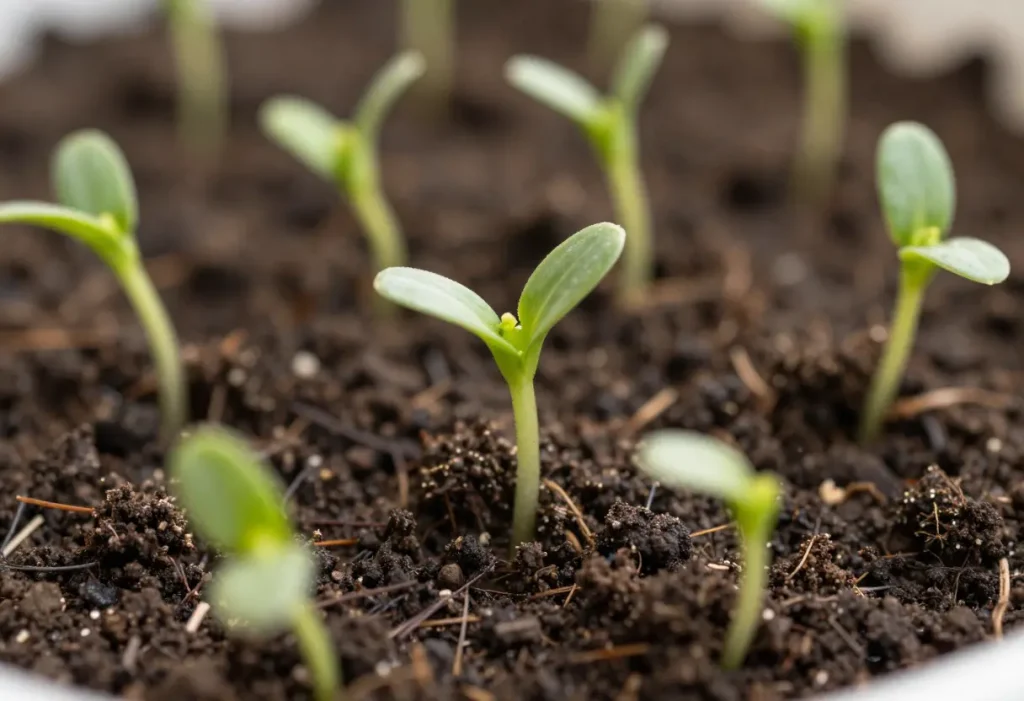
The germination stage is the first step in the life cycle of a cucumber. It begins with the seed absorbing water and swelling. This process activates enzymes that start growth inside the seed. Roots and shoots soon begin to emerge. Successful germination is essential for a healthy cucumber plant.
Cucumbers need warm soil to germinate well. The ideal temperature is between 70°F and 95°F. Seeds also need enough moisture but not too much water. Well-drained soil helps prevent seed rot. Light is not necessary during germination but helps after sprouting.
The first sign is the seed coat breaking open. A small root, called the radicle, appears first. Then, a tiny shoot grows upward. Leaves start to unfold soon after. Healthy seedlings look green and firm, not wilted or yellow.
Seedling development is a crucial stage in the life cycle of cucumber plants. This phase sets the foundation for strong growth and healthy fruit production. Proper care during this time helps seedlings grow into vigorous plants.
Understanding the needs of cucumber seedlings ensures better survival and growth. It also reduces transplant shock and improves overall yield.
Cucumber seedlings need warm temperatures between 70°F and 85°F. They require plenty of light, at least 12 hours daily. Use well-draining soil rich in nutrients for best results. Keep the soil moist but not waterlogged to avoid root rot. Proper air circulation prevents fungal diseases. Avoid overcrowding to give each seedling enough space to grow.
Transplant seedlings when they have 2-3 true leaves. Harden off seedlings by exposing them to outdoor conditions gradually. Handle seedlings gently to protect roots and stems. Plant them at the same depth as in the seed tray. Water seedlings immediately after transplanting to reduce stress. Space plants about 12-18 inches apart for good air flow and growth.
The vegetative growth stage is crucial in the life cycle of cucumber plants. This phase focuses on building a strong structure to support future fruit development. Healthy leaves and stems form during this time, allowing the plant to absorb sunlight and nutrients efficiently. Proper care during this stage influences the overall yield and quality of cucumbers.
Leaves emerge rapidly, increasing the plant's ability to capture sunlight. Stems grow thick and sturdy to hold the weight of fruits later. Each new leaf helps the plant make more food through photosynthesis. Healthy leaf and stem growth creates a solid framework for flowering and fruiting.
Cucumbers need plenty of water to keep leaves fresh and green. Consistent watering supports cell growth and nutrient transport. Nutrients like nitrogen, phosphorus, and potassium are vital during this stage. Balanced fertilizer promotes strong stems and healthy leaves. Avoid water stress to prevent wilting and slow growth.
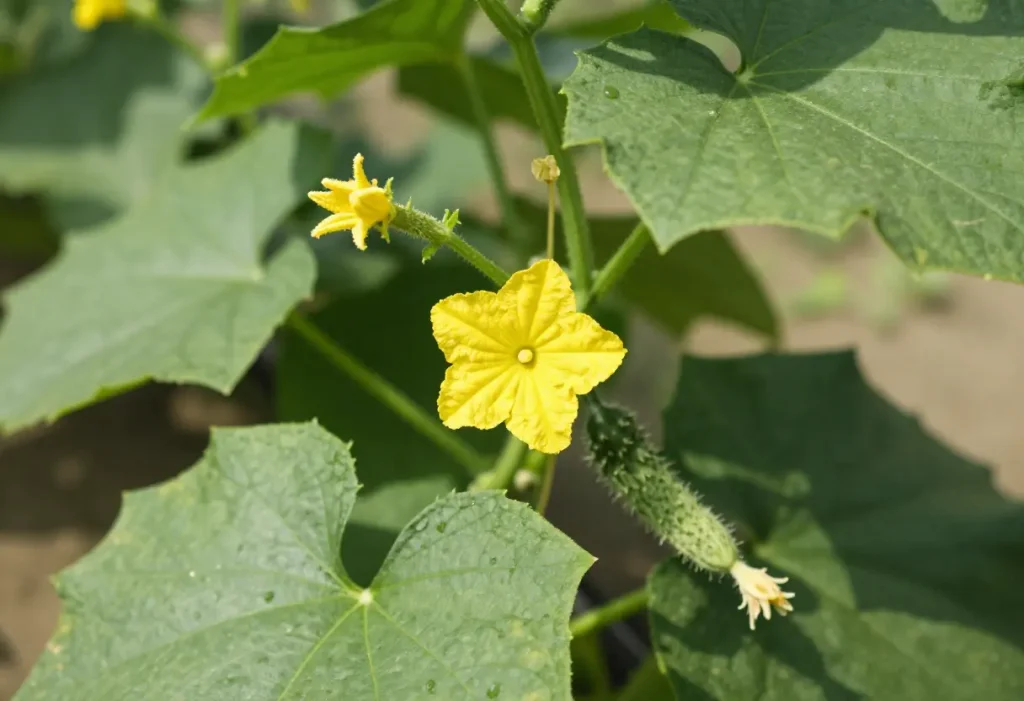
The flowering stage is a key part of the cucumber life cycle. This stage starts after the plant grows leaves and stems. Flowers help cucumbers produce fruit. The plant makes two types of flowers. Each plays a special role in fruit growth.
Cucumber plants have both male and female flowers. Male flowers appear first. They have thin stems and no small fruit behind the petals. Female flowers come later. They have a tiny fruit at the base. This fruit will grow into a cucumber after pollination.
Pollination is the transfer of pollen from male to female flowers. Bees and other insects carry pollen. They visit male flowers first, then female flowers. The pollen sticks to the female flower’s stigma. This starts fruit development. Without pollination, cucumbers cannot form. It is a natural and important step in the plant’s life.
Fruit setting and development is a key stage in the cucumber life cycle. This phase marks the transformation of flowers into young fruits. It determines the size and quality of the cucumbers you will harvest.
The process starts after successful pollination. The flower’s ovary begins to swell and grow. This growth signals the start of fruit formation. Proper care during this stage helps produce healthy cucumbers.
Fruit formation usually begins within a few days after pollination. The ovary expands quickly during the first week. By the second week, the fruit gains most of its size. Full maturity occurs around 50 to 70 days after planting. Harvesting at the right time ensures fresh and tasty cucumbers.
Several factors influence cucumber fruit growth. Temperature plays a big role; cucumbers grow best in warm conditions. Water is essential for steady growth and prevents fruit from becoming bitter. Pollination quality affects the fruit’s shape and size. Nutrient supply, especially nitrogen and potassium, supports healthy development. Pests and diseases can reduce fruit quality and yield.
The maturation and harvesting stages are crucial in the life cycle of cucumbers. This phase determines the quality and taste of the cucumbers you will enjoy. Picking cucumbers at the right time ensures they are fresh and crunchy.
Harvesting too early or too late can affect flavor and texture. Understanding the signs of ripeness helps in making the right decision. Proper harvesting practices maintain the health of the plant for future crops.
Ripe cucumbers have a firm texture and a bright green color. The skin should be smooth without yellow spots. If the cucumber turns yellow, it is overripe and may taste bitter.
Size matters too. Most varieties are best picked when they are 6 to 8 inches long. The seeds inside should be small and soft, not hard or large. A fresh cucumber has a fresh, mild smell.
Use a sharp knife or scissors to cut cucumbers from the vine. Avoid pulling or twisting, which can damage the plant. Harvest cucumbers early in the morning when they are cool and firm.
Check the plants every two to three days during the growing season. Regular harvesting encourages the plant to produce more fruit. Handle cucumbers gently to avoid bruising or damage.
Post-harvest handling is key to keeping cucumbers fresh and tasty. It involves the steps taken after picking to prevent damage and spoilage. Proper handling helps maintain quality and extends the cucumber's life.
Cucumbers need cool and humid places for storage. The ideal temperature is between 10°C and 12°C. Too cold can cause chilling injury. Humidity should be around 90-95% to stop drying out.
Keep cucumbers away from fruits that release ethylene gas. Ethylene speeds up ripening and spoiling. Store cucumbers in well-ventilated containers to allow airflow.
To extend shelf life, handle cucumbers gently to avoid bruises. Damaged cucumbers spoil faster. Use clean knives and tools when cutting to reduce bacteria.
Wrapping cucumbers in plastic film can slow moisture loss. Cooling cucumbers quickly after harvest also helps. Proper packaging and storage keep cucumbers fresh for up to two weeks.
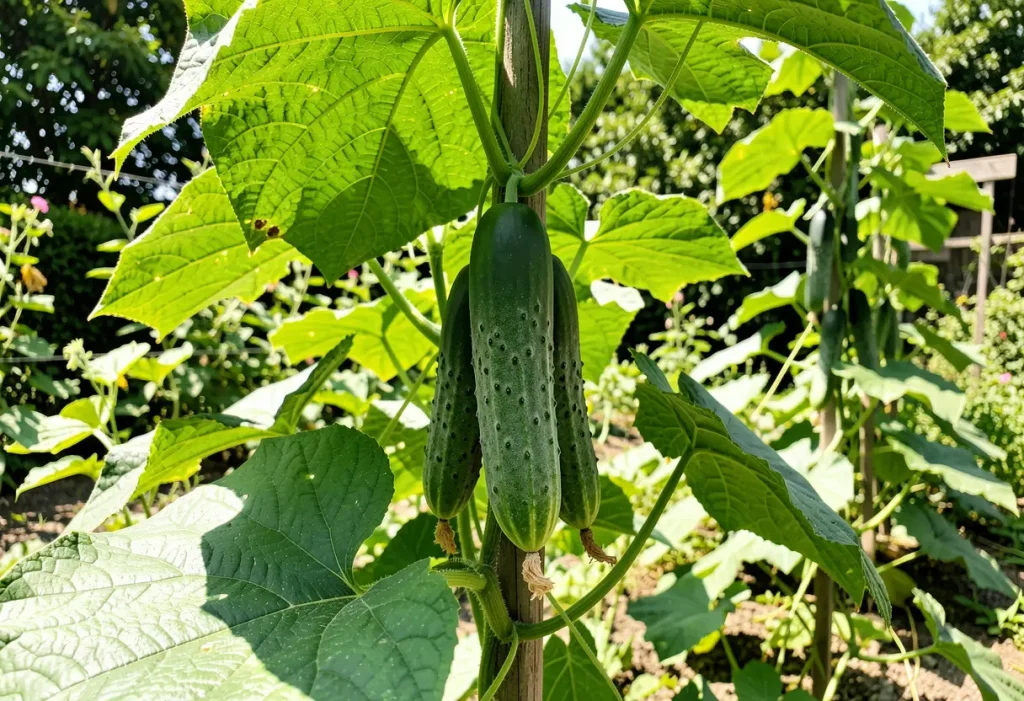
Cucumber plants grow through four main stages: seed, seedling, flowering, and fruiting. Each stage is important for healthy growth and fruit production.
Cucumbers usually take about 50 to 70 days to grow from seed to harvest. The exact time depends on the cucumber variety and growing conditions.
Cucumbers grow best in warm weather with plenty of sunlight and well-drained soil. They need regular watering but dislike waterlogged roots.
Cucumber plants typically start flowering 3 to 4 weeks after planting. Flowers must be pollinated to produce cucumbers.
Cucumbers are ready to harvest when they reach the right size and are firm. Pick them before they turn yellow for best taste.
Understanding the life cycle of cucumber helps in growing healthy plants. Seeds sprout into seedlings with proper care and water. The plant grows leaves and flowers that attract pollinators. Fruits develop and mature over several weeks. Harvesting at the right time ensures fresh, tasty cucumbers.
Watching this cycle teaches patience and respect for nature. Every stage plays a key role in cucumber growth. Growing cucumbers can be simple and rewarding. Try it yourself and enjoy fresh cucumbers from your garden.