Gardening Made Simple.
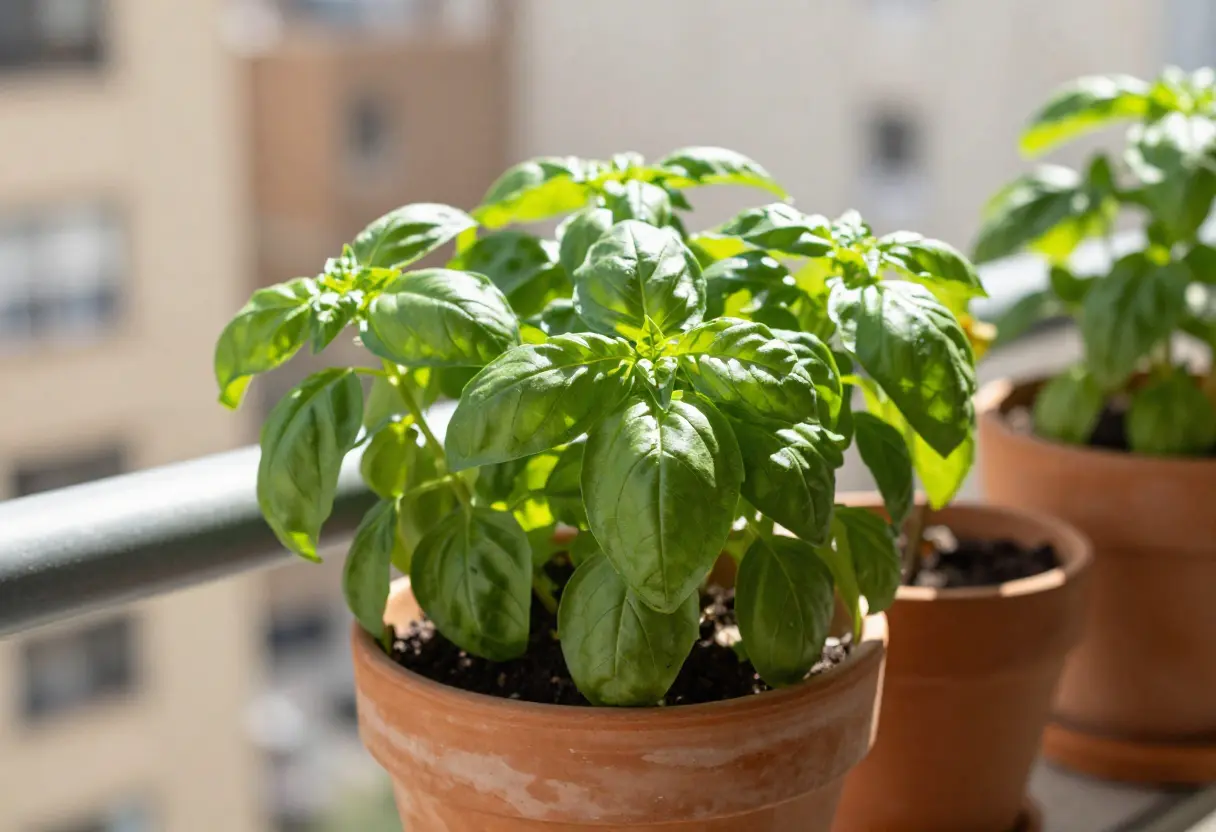
Are you thinking about adding holy basil to your garden? Knowing the right time to grow holy basil can make all the difference in how healthy and vibrant your plants become. Understanding When Should Holy Basil Be Grown will help you achieve the best results and a successful harvest.
If you want to enjoy fresh, fragrant leaves that boost your health and flavor your dishes, you need to plant at just the right moment. Keep reading to discover exactly when you should grow holy basil to get the best results—your garden will thank you for it!
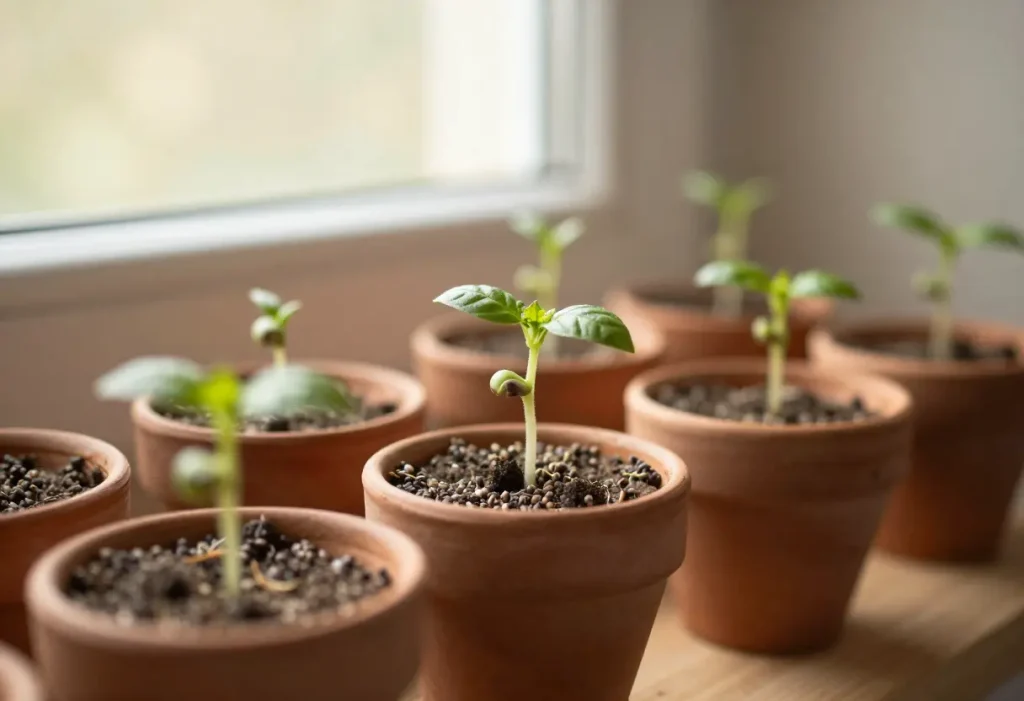
Choosing the right season to plant holy basil is key to growing healthy plants. Planting at the best time helps the basil thrive and produce rich leaves. Understanding the ideal conditions makes planting easier and more successful.
Holy basil grows best in warm weather. The ideal temperature is between 70°F and 95°F (21°C to 35°C). Cooler temperatures can slow growth or harm the plant. Night temperatures should not drop below 50°F (10°C). Warm days and mild nights create the perfect environment.
Well-drained soil is important for holy basil. The soil should be rich in organic matter. A slightly acidic to neutral pH of 6.0 to 7.5 works best. Avoid heavy clay or waterlogged soils. Good soil helps roots grow strong and keeps the plant healthy.
In warm climates, plant holy basil in early spring. This allows the plant to grow through the warm months. In cooler climates, start seeds indoors 6-8 weeks before the last frost date. Transplant seedlings outside once the danger of frost passes. Adjust planting times to match local weather patterns for best results.
Preparing the soil is a key step before planting holy basil. Good soil helps the plant grow strong and healthy. It gives the roots the right space and nutrients. Taking time to prepare the soil well can improve your harvest and plant health.
Holy basil grows best in soil with a pH between 6.0 and 7.5. This range allows the plant to absorb nutrients easily. The soil should have good levels of nitrogen, phosphorus, and potassium. These nutrients support leaf growth and overall plant health. Testing your soil before planting helps know its pH and nutrient levels.
Loosen the soil to a depth of 12 inches before planting. Remove weeds, rocks, and debris from the area. Add compost or well-rotted manure to improve soil fertility. Mix organic matter into the soil to increase moisture retention. Rake the soil smooth for easy planting of holy basil seeds or seedlings.
Pick a sunny spot for holy basil. It needs at least 6 hours of direct sunlight daily. The location should have good drainage to prevent waterlogging. Avoid low areas where water may collect after rain. A well-drained site helps avoid root rot and keeps the plant healthy.
Starting holy basil seeds is a rewarding way to grow this fragrant herb. It allows control over the growing process and ensures healthy plants. Holy basil thrives best when started correctly, which leads to strong growth and rich flavor.
Choose fresh seeds for better germination rates. Look for seeds labeled as "holy basil" or "tulsi." Avoid old or damaged seeds, as they may not sprout well. Organic seeds often have higher purity and fewer chemicals.
Holy basil seeds need warmth and moisture to sprout. Plant seeds about ¼ inch deep in well-draining soil. Keep the soil moist but not soaked. Maintain a temperature of 70-75°F for best results. Seeds usually sprout within 5 to 10 days.
Starting seeds indoors gives a controlled environment. It protects young plants from cold and pests. Use seed trays or small pots with good drainage. Outdoors, plant seeds after the last frost date. Outdoor starts rely on natural sunlight and temperatures. Both methods work well, depending on your climate and space.
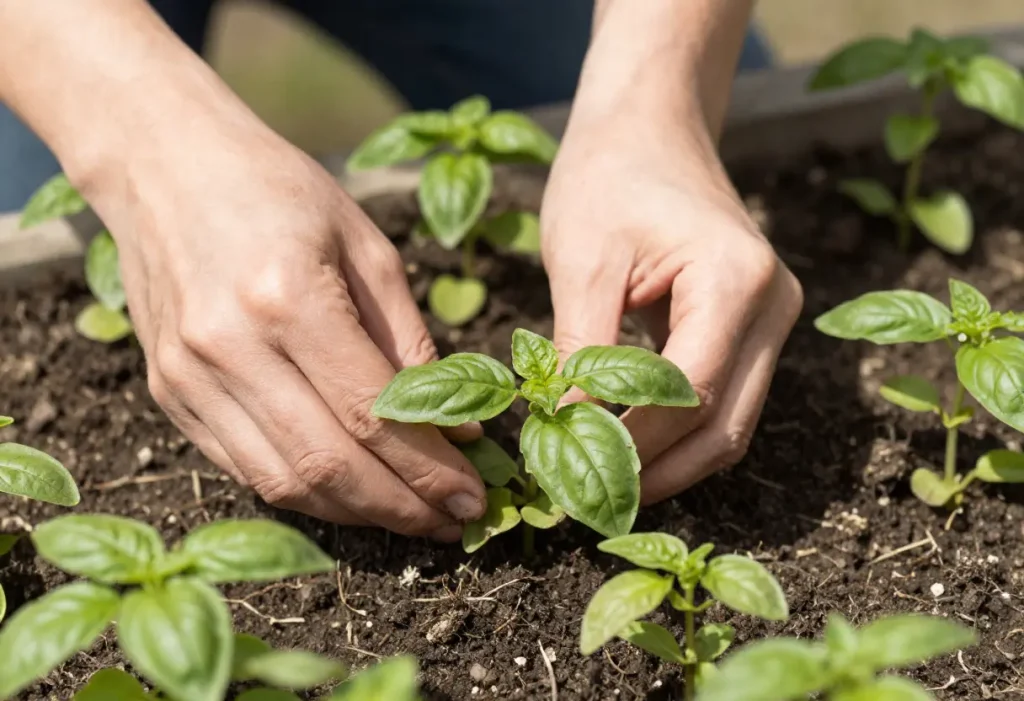
Transplanting and spacing holy basil plants are key steps for healthy growth. Proper care during these stages helps plants grow strong and produce more leaves. Knowing when to move seedlings and how far apart to plant them makes a big difference. Also, preparing seedlings before transplanting reduces shock and improves survival.
Transplant holy basil seedlings when they have 4 to 6 true leaves. Seedlings should be about 3 to 4 inches tall. Avoid moving them too early, or they may not survive. Wait until the weather is warm and frost danger has passed. Morning is best for transplanting to avoid heat stress.
Space holy basil plants 12 to 18 inches apart. This gives enough room for air to flow. Good airflow helps prevent diseases and keeps plants healthy. Crowded plants compete for water and nutrients, which slows growth. Proper spacing also allows sunlight to reach all leaves well.
Harden off seedlings before transplanting by exposing them to outdoor conditions. Start with a few hours in a shaded spot. Increase time outside daily over one week. This process helps seedlings adjust to sun, wind, and temperature changes. Hardened seedlings grow stronger and have a better chance outdoors.
Caring for growing holy basil ensures a healthy, thriving plant. Holy basil, also known as Tulsi, needs specific care to grow well. Proper watering, fertilization, and pest control keep the plant strong. Follow simple steps to maintain your holy basil garden.
Holy basil prefers moist soil but not waterlogged. Water the plant deeply once or twice a week. Check the soil before watering; it should feel dry on top. Avoid letting water sit on leaves to prevent mold. Use a watering can for gentle, even watering.
Feed holy basil with a balanced fertilizer every 4 to 6 weeks. Use organic compost or a mild liquid fertilizer. Avoid over-fertilizing, which can reduce leaf flavor. Light feeding supports steady growth and rich aroma. Fertilize during the growing season for best results.
Inspect plants regularly for pests like aphids and spider mites. Use natural remedies such as neem oil or insecticidal soap. Remove damaged leaves to stop disease spread. Keep air flowing around plants to reduce fungal problems. Healthy plants resist pests better.
Knowing the signs of ready harvest helps pick holy basil at its best. Harvesting at the right time keeps the leaves fresh and flavorful. Watch the plant closely for clear signals that it is ready to be picked. These signs ensure the holy basil has the best taste and aroma.
Leaves should be fully grown and bright green. Small or pale leaves mean the plant needs more time. The edges of mature leaves are smooth and firm. Avoid leaves with yellow spots or damage. Look for a slight shine on the leaf surface. These signs show the leaves are ready to harvest.
Harvest holy basil before the plant flowers fully. The flavor is strongest just before blooming. Early morning is the best time to pick leaves. The oils that give holy basil its scent are highest then. Avoid harvesting in the heat of the day. This timing keeps the leaves fresh and tasty.
Use clean scissors or garden shears to cut leaves. Cut above a set of leaves to allow new growth. Pick only the top leaves for best flavor. Avoid pulling or tearing the plant. Handle leaves gently to keep them from bruising. Proper harvesting helps the plant grow back quickly.
Extending the growing season allows you to harvest holy basil for a longer time. You can enjoy fresh leaves beyond the usual outdoor planting months. This helps keep your kitchen stocked and your garden vibrant. Several methods help keep holy basil growing well, even in cooler weather.
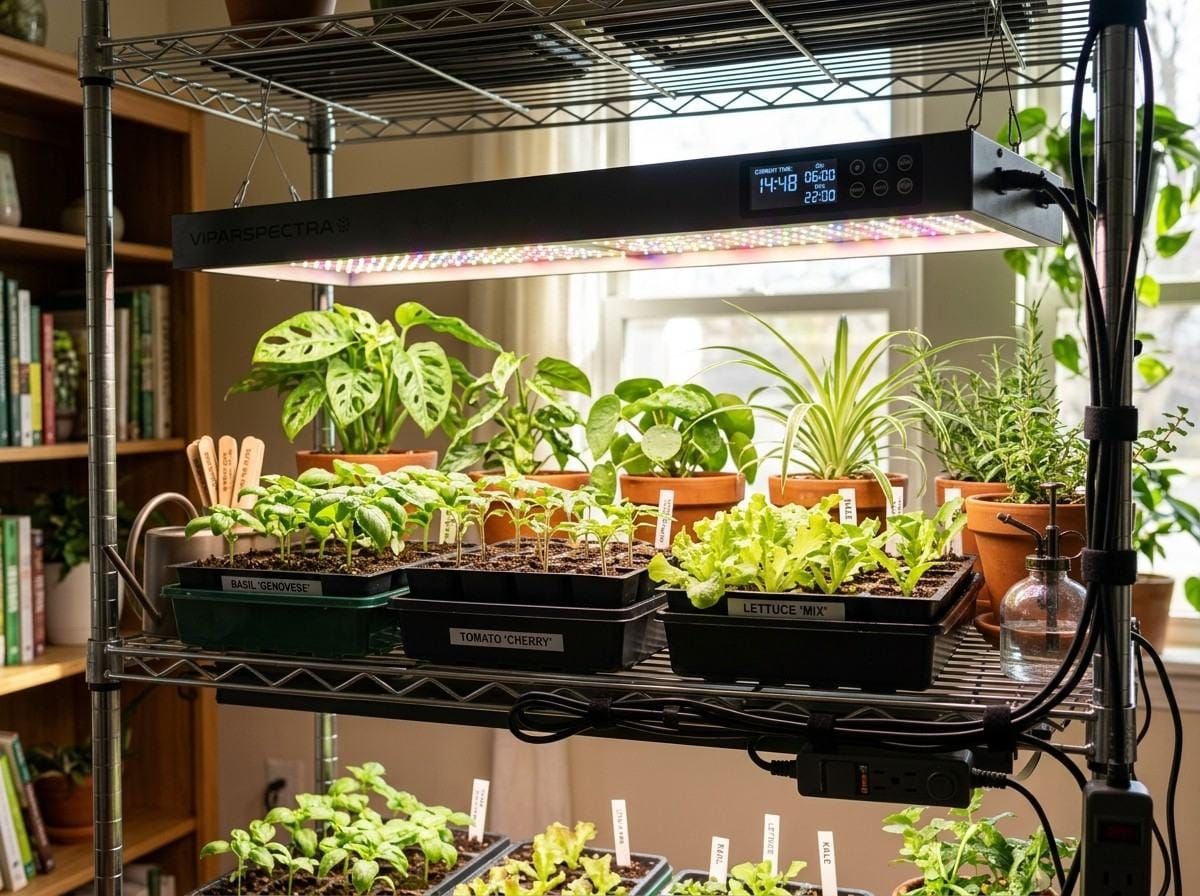
Greenhouses create a warm, controlled environment for holy basil. They protect plants from cold and wind. Indoor growing under grow lights works well too. Place plants near windows with good sunlight. Both methods help maintain steady temperatures and light. This encourages healthy growth and longer harvests.
Plant holy basil seeds every few weeks to extend harvest times. As one batch matures, another grows behind it. This method keeps fresh leaves ready for picking. Succession planting reduces gaps in your supply. It also spreads out work and risk of crop loss.
Frost can damage or kill holy basil plants. Use frost cloths or blankets to cover plants at night. Move pots indoors or to sheltered spots when frost is expected. Mulching around plants helps keep roots warm. These steps reduce frost damage and keep plants growing longer.
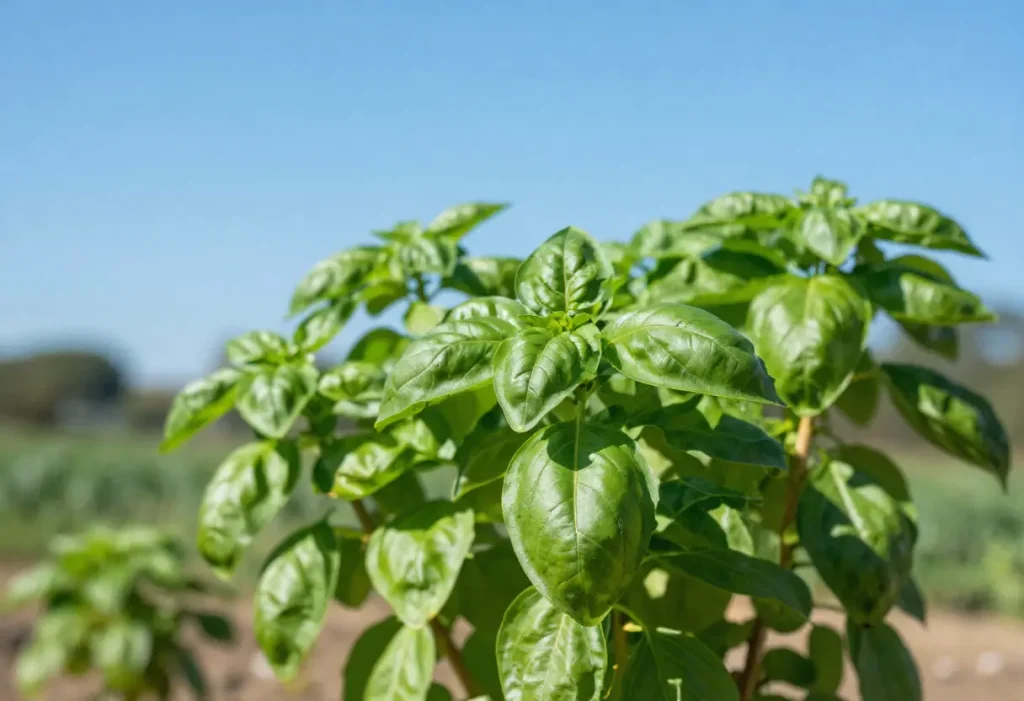
Holy basil grows best in warm weather after the last frost. Plant seeds or seedlings in spring or early summer. This timing helps the plant thrive with enough sunlight and warmth.
Holy basil usually takes about 60 to 90 days to grow fully. It depends on the weather and care. Regular watering and sunlight help the plant grow faster.
Yes, holy basil can grow indoors if it gets enough light. Place it near a sunny window or use grow lights. Indoor plants need less water but still need good air flow.
Holy basil prefers well-drained, fertile soil with a neutral to slightly acidic pH. Loamy soil works best. Good soil helps roots grow strong and healthy.
Holy basil grows best in full sun with at least 6 hours of sunlight daily. Too much shade can weaken the plant. Sunlight boosts leaf growth and flavor.
Growing holy basil at the right time helps it thrive well. Choose warm weather and avoid cold, frosty days. Plant seeds or seedlings after the last frost ends. Water the plants regularly but do not flood them. Healthy holy basil gives fresh leaves for cooking and medicine.
Watch your garden daily for best growth. Start now, and enjoy your own holy basil soon.