Gardening Made Simple.
Are you looking to grow healthier, more vibrant basil in your garden? The secret could lie in the plants you choose to grow alongside it. Choosing the right Companion Plants for Basil can improve growth, enhance flavor, and help protect your herbs naturally.
Companion plants for basil don’t just share space—they can boost its flavor, keep pests away, and even help your basil thrive like never before. Imagine your garden bursting with lush, fragrant basil leaves, thanks to a few smart planting choices.
Keep reading to discover the best plants to pair with your basil and unlock the full potential of your garden.
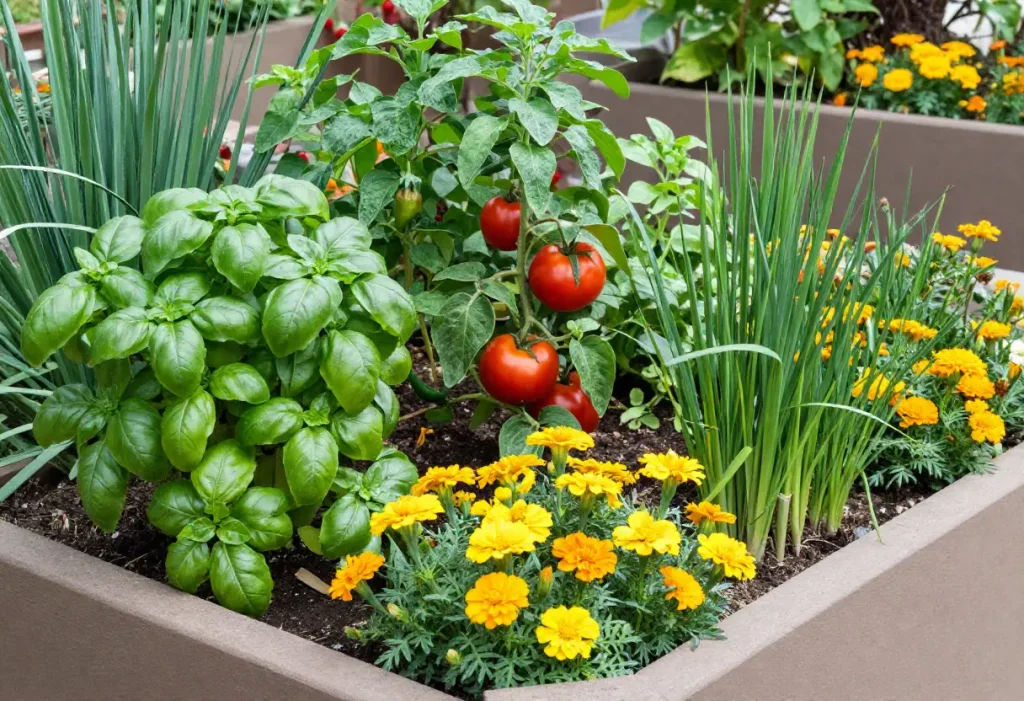
Companion planting offers many benefits for basil and its garden neighbors. It helps plants grow stronger and healthier. This method uses nature’s balance to improve your garden without chemicals. Companion plants support each other in different ways. Basil, in particular, thrives when paired with the right plants.
Some plants help basil grow better by improving sunlight and air flow. They create shade and reduce stress on basil during hot days. Certain companions release nutrients into the soil that basil can use. This support helps basil produce more leaves and stronger stems. Growing basil near these plants makes your garden more productive.
Companion plants can keep pests away from basil naturally. Some plants have strong smells that pests dislike. These scents confuse or repel harmful insects. Other companions attract beneficial bugs that eat pests. This reduces the need for chemical sprays. It keeps basil healthy and safe to eat.
Certain companion plants improve the soil around basil. They add nutrients back into the ground. Some fix nitrogen, which basil needs to grow well. Healthy soil holds water better and supports roots. This creates a strong base for basil plants. Over time, companion planting helps build a rich garden environment.
Basil grows best with certain plants that help it thrive. These companion plants improve basil’s health and flavor. They also keep pests away naturally. Planting basil near these companions creates a healthy garden space.
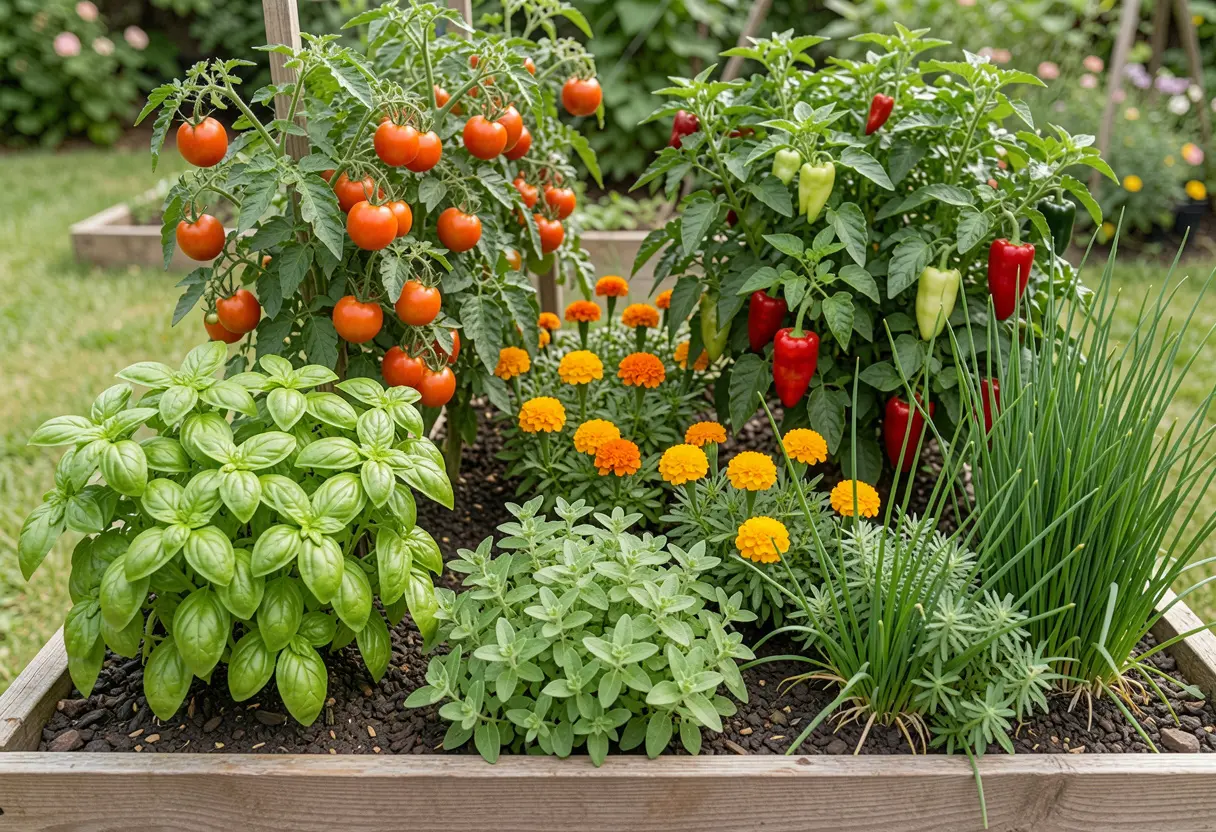
Tomatoes and basil are classic garden partners. Basil helps improve tomato flavor and growth. It also repels harmful insects like aphids and whiteflies. Planting them close saves space and boosts yield.
Peppers and basil share similar growing needs. Basil keeps pests away from pepper plants. It attracts beneficial insects that control pests. Both plants enjoy warm weather and full sun.
Oregano protects basil by repelling harmful bugs. It grows low and spreads well, helping ground cover. This reduces weeds and keeps soil moist around basil. Their flavors also complement each other in cooking.
Marigolds are natural pest repellents. They keep nematodes and beetles away from basil. Their bright flowers attract pollinators too. Planting marigolds near basil creates a strong pest barrier.
Chives help basil by deterring aphids and other pests. They grow well in similar soil and sun conditions. Chives also improve the taste of basil leaves. Together, they support a healthy garden environment.
Basil grows best when placed near friendly plants. Some plants do not get along well with basil. They can slow its growth or cause other problems. Knowing which plants to avoid helps your basil thrive.
Rue is a strong-smelling herb. Its scent can confuse basil's natural growth. Planting rue near basil may reduce basil's flavor and growth. Keep them apart for a healthier garden.
Sage and basil do not share nutrients well. Sage can take too much from the soil. This leaves less food for basil. Avoid planting sage close to basil for better growth.
Cucumbers need a lot of water and space. This can harm basil plants nearby. Cucumbers also attract pests that bother basil. Plant cucumbers away from basil beds to protect them both.
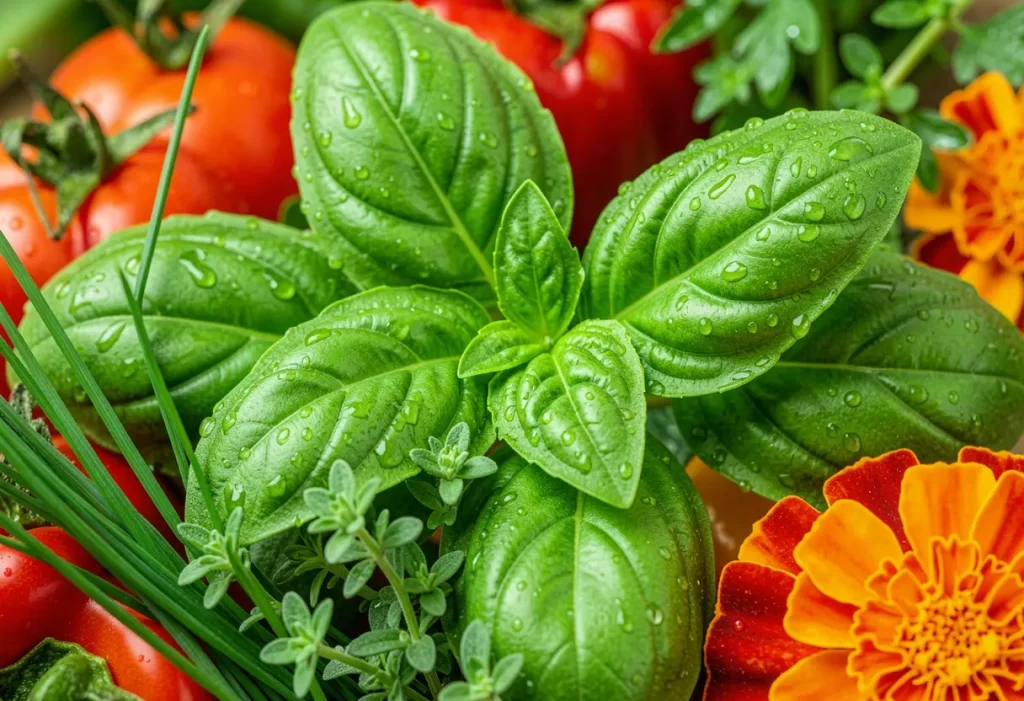
Basil grows best with certain companion plants that help it stay healthy. Planting basil near the right friends can improve its flavor and keep pests away. Careful planning helps both basil and its companions thrive in the garden.
Understanding the basics of spacing, watering, and sunlight makes a big difference. These tips will guide you to create a strong, vibrant garden with basil and its companions.
Give basil enough space to grow. Plant basil at least 12 inches apart from other plants. This allows good air flow and reduces disease risks.
Place companion plants like tomatoes or peppers nearby but not too close. Keep strong growers separate to avoid crowding basil.
Basil prefers moist, well-drained soil. Water the plants regularly but avoid waterlogging the roots. Companions like oregano and chives have similar water needs.
Mulch around the base helps keep soil moist and prevents weeds. Check soil moisture often to keep basil happy.
Basil needs full sun for at least 6 hours daily. Plant companions that also enjoy sun, such as tomatoes or marigolds, nearby.
Avoid shading basil with taller plants. Arrange companions to share sunlight evenly without blocking basil’s growth.
Harvesting and maintaining companion plants for basil keeps your garden healthy and productive. Proper care helps both basil and its neighbors grow strong. Regular attention avoids pest problems and supports better growth.
Trim companion plants regularly to prevent overcrowding. Cutting back leaves lets light reach basil. It also improves air flow around plants. Remove dead or damaged parts to stop disease spread. Keep plants balanced to maintain a healthy garden.
Check companion plants often for signs of pests. Look for holes, discoloration, or sticky residue on leaves. Early detection stops pests from spreading to basil. Use natural methods like handpicking or spraying water. Keep plants clean to reduce pest attraction.
Feed companion plants with balanced fertilizer to support growth. Use organic options like compost or fish emulsion for best results. Avoid over-fertilizing, which can harm basil and companions. Apply fertilizer every few weeks during growing season. Healthy soil creates strong, vibrant plants.
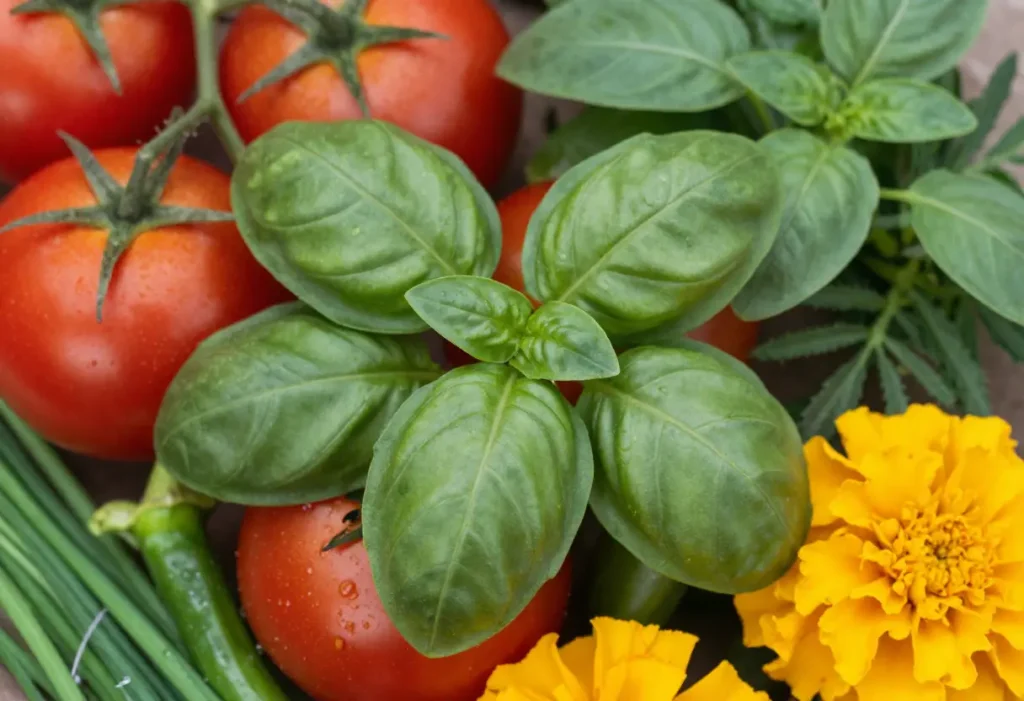
Tomatoes, peppers, and oregano grow well with basil. They help each other by improving flavor and keeping pests away.
Yes, basil repels mosquitoes, flies, and aphids. Planting it near vegetables can reduce pests naturally.
Companion plants provide shade, nutrients, or pest control. This support helps basil grow healthier and stronger.
Marigolds and nasturtiums attract ladybugs and bees. These insects help pollinate and control pests around basil.
Plant basil near tomatoes and peppers for best results. Avoid planting near rue or sage as they may compete.
Planting companion plants with basil helps your garden grow strong. These plants protect basil from pests and improve its flavor. Herbs like oregano and thyme make great neighbors. Vegetables such as tomatoes and peppers also grow well nearby. This method saves space and boosts plant health naturally.
Try different combinations to see what works best. Happy gardening and enjoy fresh, healthy basil all season long!