Gardening Made Simple.

Are you ready to add fresh, fragrant basil to your kitchen without ever leaving your home? Growing basil is easier than you might think, and with just a little care, you can enjoy vibrant leaves for cooking, garnishing, or even making your own pesto. Learning How to Grow Basil properly ensures strong, healthy plants that keep producing flavorful leaves all season long.
Imagine snipping fresh basil right from your own garden whenever you need it—saving money and boosting flavor. In this guide, you’ll discover simple steps to grow healthy basil plants, avoid common mistakes, and keep your herb thriving all season long.
Let’s get started so you can bring the taste of fresh basil straight to your table!
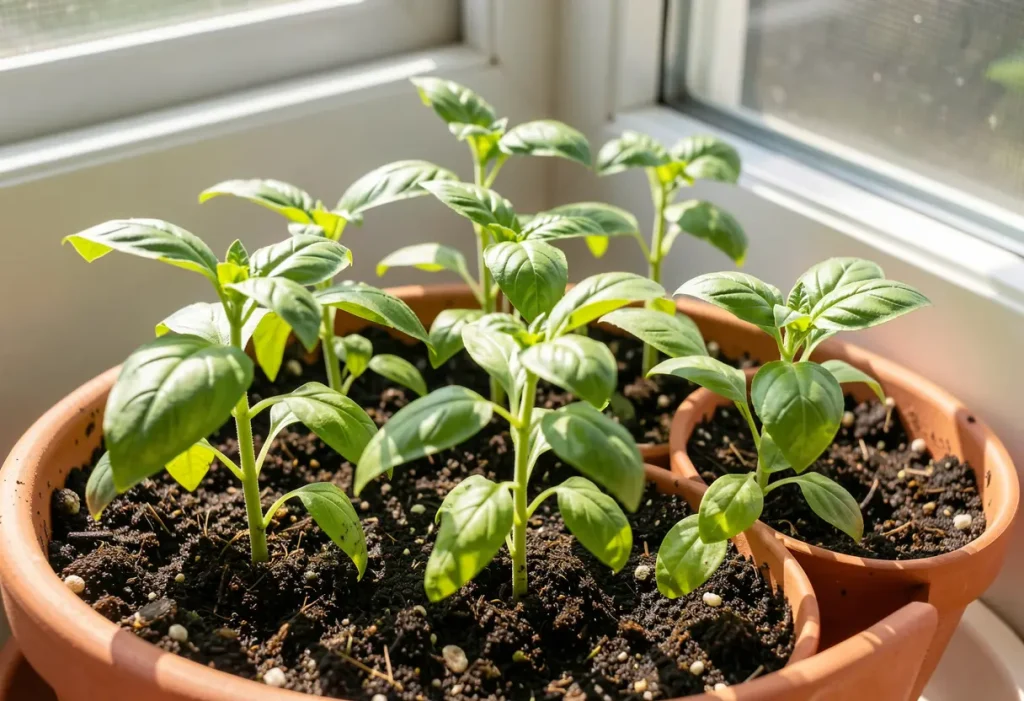
Choosing the right basil variety is important for a successful herb garden. Different types of basil have unique flavors, colors, and uses. Picking the right one can make growing basil easier and more enjoyable.
Some basil types grow better in certain climates and soils. Some are great for cooking, while others are perfect for decoration. Knowing the options helps you find the best fit for your needs.
Sweet basil is the most common and popular type. It has a fresh, sweet flavor that fits many dishes. Genovese basil is a famous sweet basil, often used in Italian cooking.
Thai basil has a spicy, anise-like taste. It suits Asian recipes well. Lemon basil offers a light citrus flavor that adds brightness to meals.
Genovese basil grows quickly and is easy to care for. It works well in many gardens. Sweet basil is forgiving and hardy, making it good for new growers.
Spicy globe basil stays small and compact. It is perfect for small spaces and pots. These types need simple care and give good results fast.
Purple basil has dark leaves and a mild flavor. It adds color to salads and dishes. Cinnamon basil offers a warm, spicy taste different from regular basil.
Holy basil, or tulsi, is used in herbal teas and remedies. It has a strong, unique flavor. These specialty types add variety and interest to any garden.
Choosing the right spot is key to growing healthy basil plants. The location affects how well basil grows and how tasty the leaves become. Pay close attention to light, soil, and whether to grow basil inside or outside. These factors help basil thrive and give you fresh herbs for your kitchen.
Basil loves sunlight. It needs at least six hours of direct sun daily. Too little sun makes the plant weak and leggy. Too much shade lowers leaf flavor and growth. Place basil in a sunny spot to keep it strong and fragrant.
Basil grows well both indoors and outdoors. Outdoors, pick a spot with full sun and good air flow. Indoors, place basil near a south-facing window. Make sure it gets enough light. Indoor basil needs more care to avoid pests and mold.
Basil prefers well-drained, fertile soil. It likes soil rich in organic matter. Avoid heavy clay or waterlogged soil. The soil pH should be slightly acidic to neutral, around 6 to 7. Good soil helps basil absorb nutrients and stay healthy.
Planting basil successfully requires some basic steps. This herb loves warmth and sunlight. It grows best in well-drained soil with good nutrients. Starting basil the right way helps you enjoy fresh leaves all season.
Basil seeds are tiny but easy to grow. Plant them indoors about six weeks before the last frost. Use small pots or seed trays with light potting mix. Press seeds lightly into the soil but do not cover them deep. Keep the soil moist and warm for germination. Seeds usually sprout in five to ten days. Thin seedlings to avoid crowding once they grow their first leaves.
Buying young basil plants is a quick way to start. Choose healthy seedlings with bright green leaves. Avoid plants with yellow or damaged leaves. Plant seedlings outside after the risk of frost passes. Harden them off by placing outside for a few hours daily before planting. This helps them adjust to outdoor conditions. Water seedlings well after planting to reduce shock.
Give basil enough space to grow healthy and strong. Plant seedlings about 12 to 18 inches apart. This allows air circulation and prevents disease. Plant basil at the same depth it grew in its pot. Avoid planting too deep, which can cause stem rot. Water the soil well after planting to settle it around roots. Proper spacing and depth help basil thrive in your garden.
Basil needs the right amount of water and food to grow well. Water keeps the plant healthy and strong. Feeding basil gives it the nutrients to make fresh, tasty leaves. Too much or too little water or fertilizer can hurt the plant. Proper care helps basil grow lush and full.
Water basil deeply once or twice a week. Check the soil before watering. The top inch should feel dry. Water more often in hot, dry weather. Avoid letting soil dry out completely. Keep soil moist but not soggy for best growth.
Use a balanced fertilizer with equal parts nitrogen, phosphorus, and potassium. Liquid fertilizers work well for basil. Feed the plant every two to four weeks during growing season. Organic options like compost or fish emulsion also help. Proper feeding supports strong leaves and fresh flavor.
Too much water causes root rot and weak plants. Drainage is key to prevent water buildup. Use pots with holes or well-draining soil. Watch for yellow leaves or wilting as signs of overwatering. Adjust watering frequency to keep basil healthy and thriving.
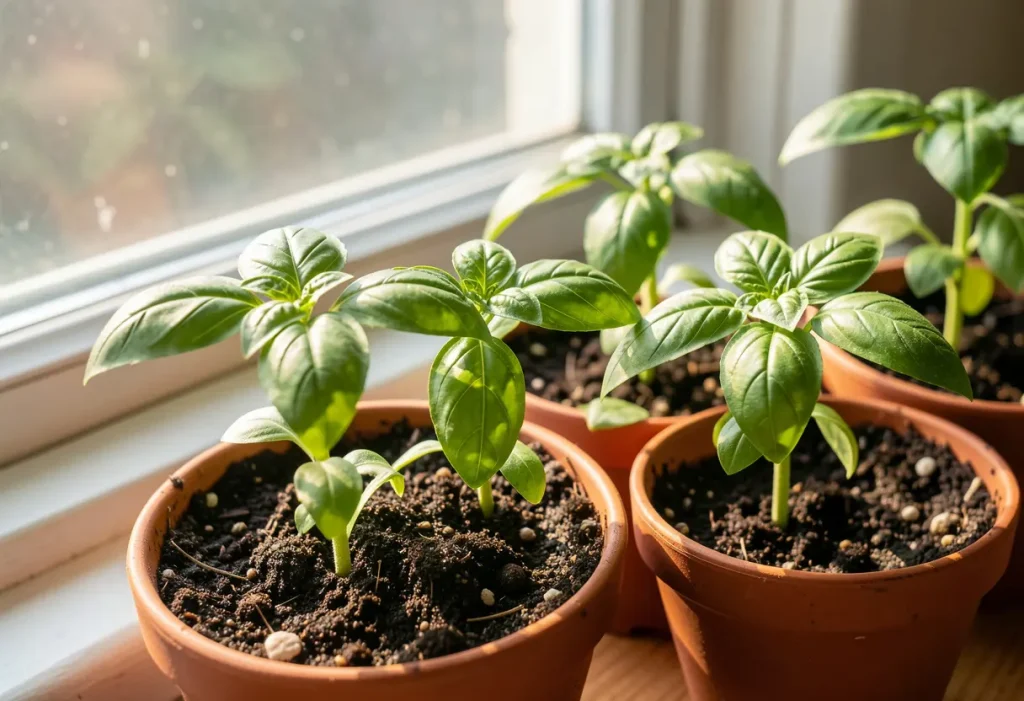
Pruning and harvesting basil correctly helps the plant grow healthy and strong. These techniques keep your basil fresh and tasty for a longer time. Proper care encourages more leaves and stops the plant from flowering too soon. Follow simple steps for better basil growth and harvest.
Prune basil early in the morning or late in the evening. Avoid pruning during the hottest part of the day. Start pruning when the plant has at least six leaves. Remove any flower buds as soon as they appear. This helps the plant focus on leaf growth.
Cut basil stems just above a pair of leaves or leaf nodes. Use sharp scissors or garden shears to avoid damage. Harvest leaves from the top to encourage new shoots. Do not take more than one-third of the plant at once. Regular harvesting keeps the plant producing fresh leaves.
Pinch or cut the tips of the main stems regularly. This stops the plant from growing tall and leggy. New branches will grow from the leaf nodes below. More branches mean more leaves for harvesting. Keep the plant trimmed to maintain a full, bushy shape.
Growing healthy basil requires attention to pests and diseases. These problems can harm your plants and reduce harvest quality. Early detection and proper care keep your basil thriving. Knowing common pests and natural treatments helps maintain a healthy garden.
Aphids are small, green bugs that suck sap from basil leaves. They cause yellow spots and curling leaves. Spider mites create tiny webs on leaves and cause speckled damage. Whiteflies are tiny white insects that fly off when disturbed. They weaken the plant by feeding on its juices. Slugs and snails chew holes in leaves, especially in damp conditions.
Spray plants with a mix of water and mild soap to remove pests. Neem oil works well as a natural insect repellent. Introduce ladybugs; they eat aphids and other harmful bugs. Handpick slugs and snails during early morning or evening. Use garlic or chili pepper spray to keep insects away.
Fungal diseases like powdery mildew appear as white spots on leaves. Avoid overwatering; water basil at soil level to keep leaves dry. Ensure good air circulation by spacing plants properly. Remove infected leaves immediately to stop spread. Using organic fungicides can protect your plants safely.
Extending the growing season helps you enjoy fresh basil longer. You can start basil early in spring and keep it growing late into fall. Using smart methods keeps your plants healthy and productive beyond the usual outdoor season.
Small steps make a big difference. Protect basil from cold and give it proper light and warmth. These tips help you get the most from your basil plants all year.
Growing basil in containers lets you move plants easily. Bring pots indoors when cold weather comes. Containers also control soil quality and moisture better than garden beds.
Choose pots with good drainage holes. Use fresh potting soil for healthy roots. Water basil regularly but avoid overwatering. Containers give you freedom to place plants in sunny spots.
Grow basil indoors on a bright windowsill or under grow lights. Basil needs about six hours of sunlight daily. If natural light is low, use LED grow lights to keep leaves green.
Keep indoor temperatures between 65°F and 75°F. Avoid cold drafts and sudden temperature changes. Mist leaves occasionally or use a humidity tray to keep air moist. Indoor basil benefits from regular trimming to stay bushy.
To keep basil alive through winter, bring outdoor plants inside before frost. Trim the plant back by one-third to encourage new growth. Place basil in a sunny spot and maintain warmth.
Water basil sparingly during winter. Too much water can cause root rot. Watch for pests like aphids and treat them quickly. With care, your basil can survive winter and thrive again in spring.
Fresh basil is a versatile herb. It adds flavor and aroma to many dishes. Beyond cooking, basil has many creative uses that bring its freshness to life. Explore ways to enjoy basil in your kitchen and at home.
Fresh basil pairs well with tomatoes, garlic, and cheese. Use it in salads, pasta, and sandwiches. Make classic pesto by blending basil with pine nuts and olive oil. Sprinkle chopped basil on pizza after baking. Fresh basil leaves also brighten soups and sauces.
Preserve basil to enjoy it longer. Freeze leaves in ice cube trays with water or oil. Dry basil by hanging small bunches upside down in a dark room. Store dried leaves in airtight containers. Making basil vinegar or infused oils keeps flavor fresh for months.
Basil has natural oils that soothe skin. Use fresh basil to make homemade herbal teas. Create simple basil-infused water for a refreshing drink. Basil can also be added to homemade soaps or lotions. These products carry a light, fresh scent and gentle herbal benefits.
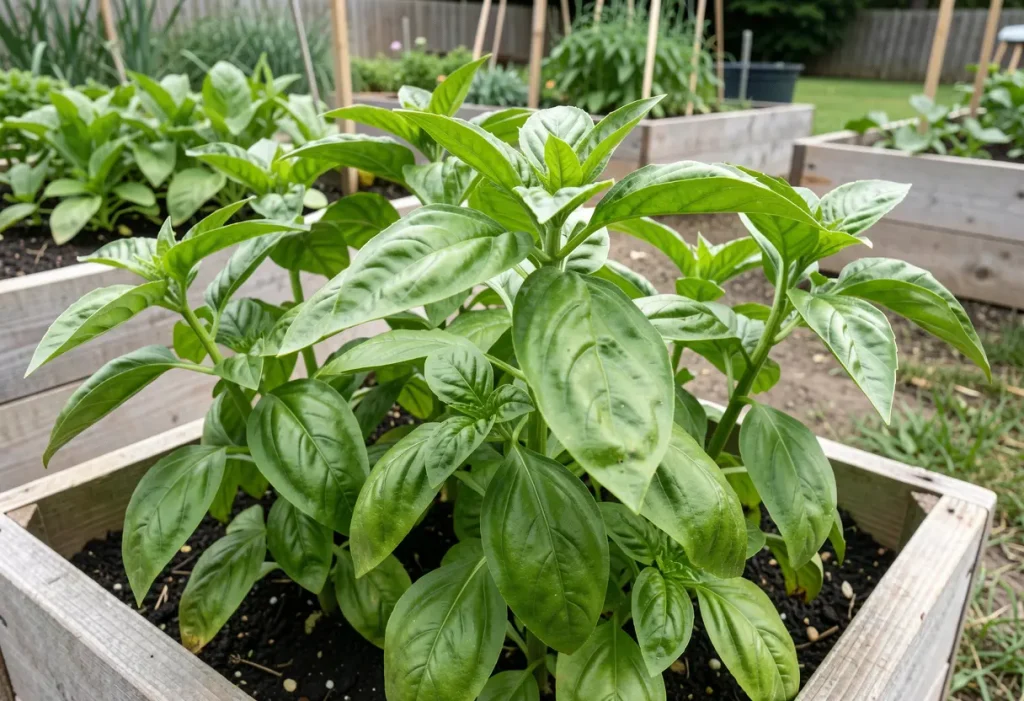
Basil needs regular watering to keep the soil moist but not soggy. Water it about every 2-3 days or when the top soil feels dry. Avoid letting the soil dry out completely.
Basil grows best in well-draining, fertile soil rich in organic matter. Use soil with good compost or potting mix to help retain moisture. Avoid heavy clay soils that hold too much water.
Basil needs at least 6 hours of direct sunlight each day. Place it in a sunny window or outdoor spot with good light. Less sunlight can make the plant weak and leggy.
Yes, basil grows well indoors if given enough light and warmth. Use a sunny window or grow lights to provide 6+ hours of light daily. Keep the room temperature around 70°F (21°C).
Keep basil healthy by watering properly and spacing plants for airflow. Check leaves often for pests like aphids or spider mites. Remove bugs by hand or use mild insect soap if needed.
Growing basil can be simple and rewarding. Give it plenty of sunlight and water regularly. Trim the leaves often to encourage new growth. Watch for pests and keep the soil healthy. Fresh basil adds great flavor to many dishes. Enjoy the process and the fresh herbs you harvest.
With care and attention, your basil will thrive all season. Start small and learn as you go. Happy gardening!