Gardening Made Simple.
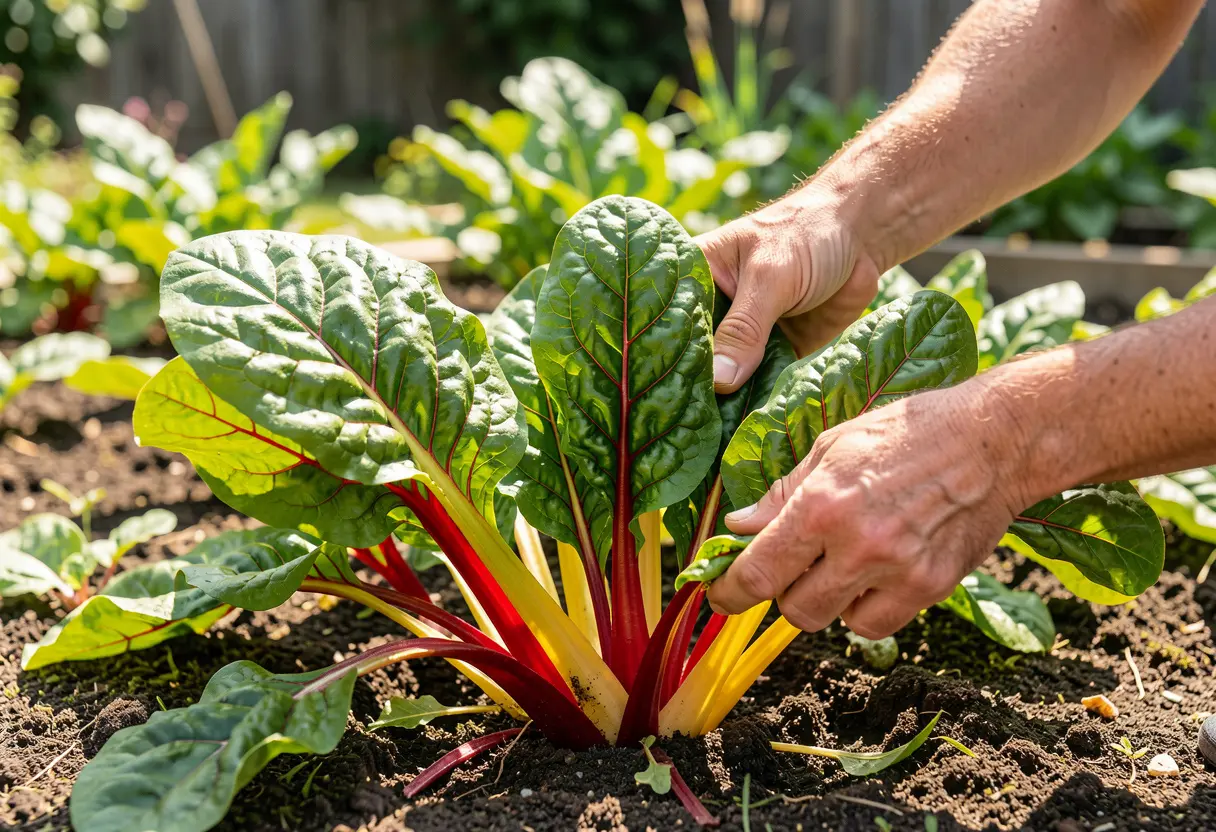
Are you growing Swiss chard and wondering exactly when to harvest Swiss chard? Picking it at the right time makes all the difference, giving you tender leaves, better flavor, and maximum nutrition from your garden.
If you harvest too early, you might miss out on the full flavor. Wait too long, and the leaves can become tough and bitter. You’ll discover simple signs to watch for and easy tips to help you harvest your Swiss chard at the perfect moment every time.
Keep reading to make sure your efforts in the garden pay off with fresh, delicious greens!
Knowing the signs of mature Swiss chard helps you pick the best leaves. Harvest at the right time for fresh, tasty greens. Swiss chard grows quickly, so checking often is key. Watch the leaves and stems closely to find the perfect time.
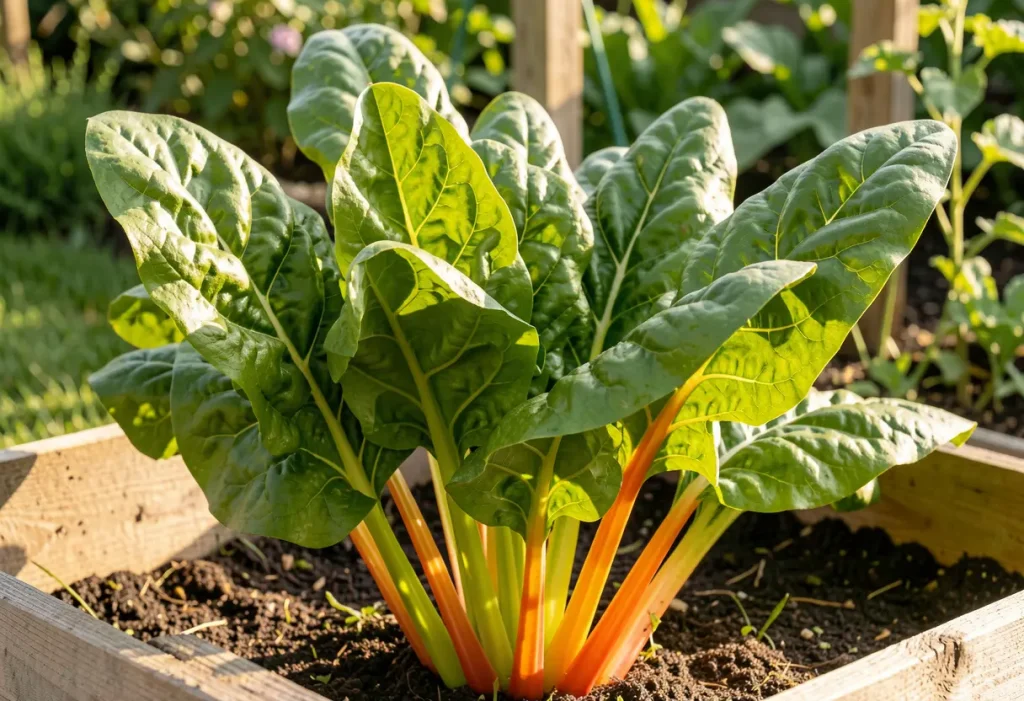
Leaves grow wide and can reach 6 to 12 inches. Mature leaves show a rich, dark green color. Avoid yellow or wilted leaves as they are old. Bright, healthy leaves mean the chard is ready to harvest.
Check the stems for thickness. Mature stems are firm and about 1 inch thick. Thin stems mean the plant needs more time. Thick stems support big leaves and have better flavor.
Swiss chard usually takes 50 to 60 days from planting. This range guides you when to start checking for maturity. Some varieties may mature faster or slower. Keep track of planting dates for best results.
Harvest timing is key to get the best taste and nutrition from Swiss chard. Knowing when and how to pick helps keep your plants healthy. Different strategies fit different garden goals. Some gardeners want fresh leaves all season. Others prefer a full harvest at once. Understanding harvest timing will improve your Swiss chard growing experience.
This method means picking only outer leaves. Leave the inner leaves to grow. Harvest leaves once they reach 6 to 8 inches. Cut them close to the base but avoid damaging the crown. This way, the plant keeps producing new leaves. You can harvest multiple times from the same plant. This method gives fresh greens over a long time.
This means cutting the whole plant at once. Wait until leaves are large and vibrant. Use sharp scissors or a knife to cut at ground level. This method suits when you want to harvest all at once. It works well before cold weather or the end of the season. After harvest, clear the garden bed for new planting.
Swiss chard grows best in cool weather. Harvest more often in spring and fall. Hot summer days can make leaves bitter. In hot months, pick leaves early in the morning. This keeps them fresh and tender. Watch the weather and adjust your harvest times. This helps you enjoy Swiss chard at its best.
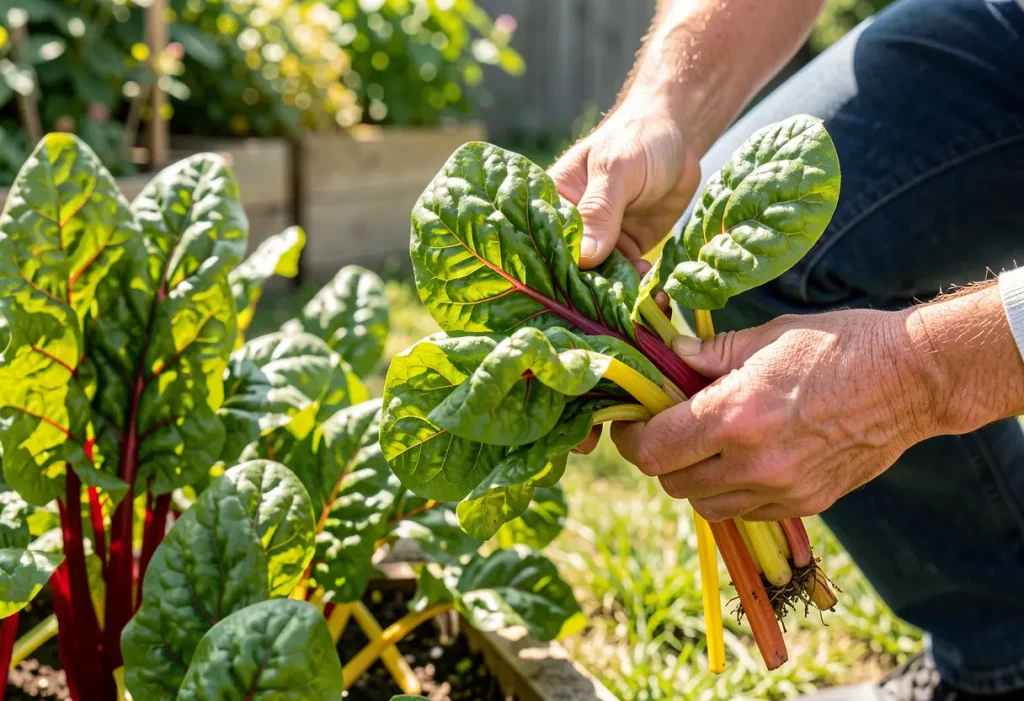
Harvesting Swiss chard requires the right tools. Using proper tools helps you cut the leaves cleanly. It also protects the plant for future growth. Sharp knives or scissors make the job easier and safer. Keeping tools clean prevents plant diseases. Let’s explore the best tools and how to care for them.
Pick a sharp knife or garden scissors. A sharp blade cuts without crushing the stems. Avoid dull tools that tear the leaves. Look for scissors with comfortable handles. This reduces hand fatigue during harvesting. Small garden knives also work well. Choose tools made from rust-resistant materials. This ensures they last longer in the garden.
Clean tools before and after use. Use warm water and mild soap to wash. Rinse well to remove all soap residue. Dry tools completely to stop rust. Sanitize with rubbing alcohol or a bleach solution. This kills bacteria and fungi on the blades. Regular cleaning prevents spreading diseases to plants. It keeps your Swiss chard healthy and productive.
Taking care of Swiss chard after harvesting helps keep it fresh and tasty. Proper post-harvest care reduces spoilage and maintains the vegetable’s color and texture.
Knowing how to wash and store Swiss chard correctly can extend its shelf life. Small steps make a big difference in preserving nutrients and flavor.
Wash Swiss chard gently under cold running water. Remove dirt and grit without bruising the leaves.
Dry the leaves by patting them with a clean towel. Avoid soaking, which can cause wilting.
Store Swiss chard in a plastic bag with small air holes. Keep it in the refrigerator’s crisper drawer.
Do not wash Swiss chard before storing if not used immediately. Excess moisture speeds up decay.
Wrap Swiss chard loosely in a damp paper towel. This keeps leaves moist but not wet.
Place the wrapped chard inside a perforated plastic bag. This balance allows air circulation.
Use Swiss chard within 3 to 5 days for best taste and texture. Older leaves may become tough and bitter.
Check stored chard daily. Remove any yellow or slimy leaves to prevent spread.
Harvesting Swiss chard at the right time is important for the best taste and health of the plant. Many gardeners make common mistakes that reduce the quality and yield of their chard. Avoid these errors to enjoy fresh, tender leaves longer.
Picking Swiss chard too soon gives you small, underdeveloped leaves. These leaves can be bitter and less nutritious. Wait until the leaves are at least 6 to 8 inches tall. Larger leaves have better flavor and texture.
Leaving Swiss chard on the plant for too long causes tough, bitter leaves. Older leaves become coarse and hard to chew. Harvest before the leaves grow too large. This keeps your chard tender and tasty.
Careless harvesting can harm the Swiss chard plant. Pulling leaves roughly may tear the stems or roots. Use a sharp knife or scissors to cut leaves close to the base. This method helps the plant grow new leaves faster.
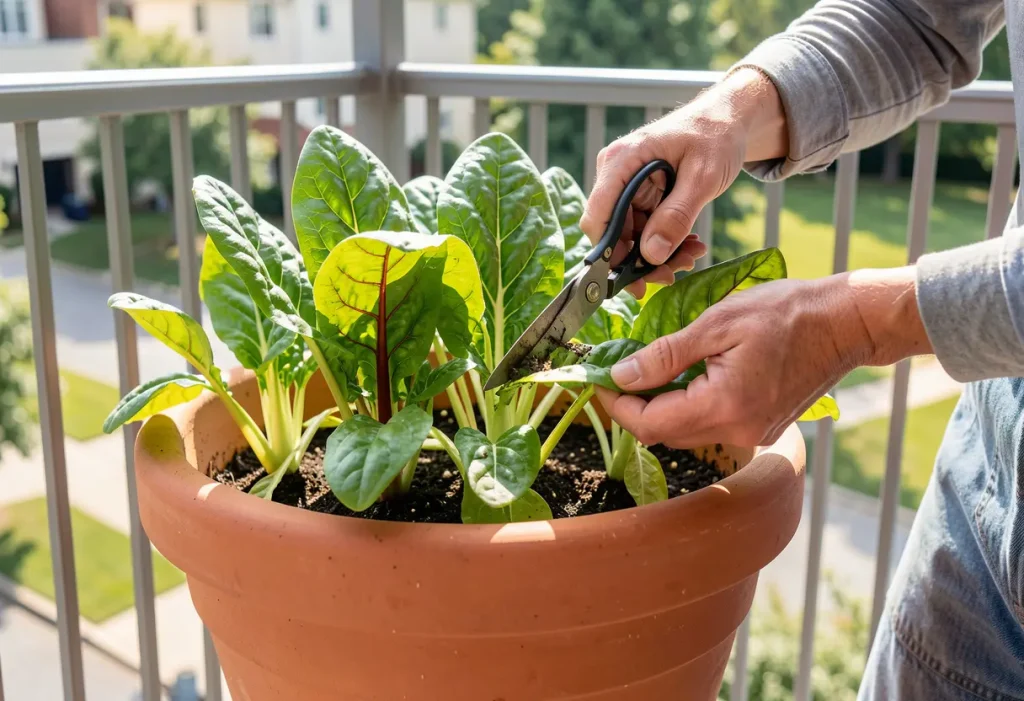
Swiss chard leaves are best picked when they reach 6 to 8 inches tall. This usually happens 50 to 60 days after planting. Picking at this size gives tender and tasty leaves.
Look for bright, firm leaves that stand upright and have a deep color. Avoid leaves that are yellow or wilted. These signs mean the chard is fresh and ready.
Yes, Swiss chard is a cut-and-come-again vegetable. Pick outer leaves first and let the center keep growing. This way, you get fresh leaves over weeks.
Harvest Swiss chard before it starts to flower for the best taste. Once it flowers, leaves can become bitter and tough. Early picking keeps leaves sweet.
Morning is ideal for harvesting Swiss chard leaves. The leaves are crisp and full of moisture then. This time helps keep the chard fresh longer.
Harvest Swiss chard when leaves reach 6 to 8 inches tall. Pick outer leaves first to let the plant keep growing. Fresh leaves taste best and have more nutrients. Regular harvesting helps the plant stay healthy and productive. Watch for tough or yellow leaves and remove them quickly.
Enjoy your garden’s vibrant, tasty greens all season long. Growing and picking at the right time makes a big difference. Simple care leads to a happy, fruitful Swiss chard patch. Keep an eye on your plants, and happy harvesting!