Gardening Made Simple.

Are you ready to grow vibrant, nutritious Swiss chard in your garden but unsure when to plant Swiss chard for the best results? Timing is everything when it comes to planting Swiss chard, and choosing the right season can mean the difference between weak plants and a healthy, abundant harvest.
Plant too early or too late, and you might miss out on a bountiful harvest. You’ll discover the perfect planting windows and easy tips to ensure your Swiss chard thrives. Keep reading to unlock the secrets to a healthy, colorful crop that will brighten your meals all season long.
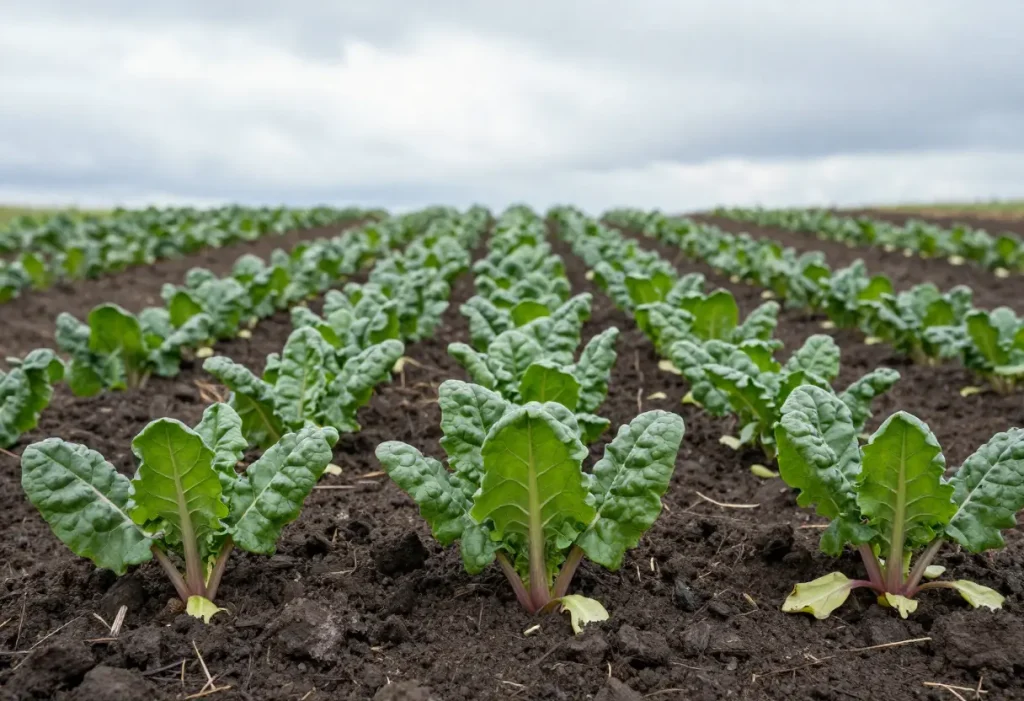
Knowing the best time to plant Swiss chard helps you grow healthy and tasty leaves. This leafy green thrives in cool weather but can handle some heat. Planting at the right time ensures faster growth and better flavor. Understanding seasonal windows, climate, and soil needs is key.
Swiss chard grows well in spring and fall. Plant seeds 2 to 4 weeks before the last frost in spring. For a fall harvest, plant seeds 6 to 8 weeks before the first frost. This timing avoids extreme heat, which can slow growth. In mild climates, you can plant almost year-round.
Swiss chard prefers cool, mild weather. It grows best between 50°F and 75°F. In hot climates, plant in early spring or late summer. In colder areas, start seeds indoors to avoid frost damage. Swiss chard is frost-tolerant but may slow down in extreme cold.
The soil must be warm enough for seeds to sprout. Ideal soil temperature for planting is 50°F to 85°F. Soil that is too cold can stop seed germination. Use a soil thermometer to check before planting. Proper soil warmth boosts seed growth and root development.
Preparing the soil is a key step before planting Swiss chard. Healthy soil helps plants grow strong and produce plenty of leaves. Taking time to prepare the soil gives Swiss chard the best start.
Swiss chard prefers loose, well-drained soil. Heavy clay soils hold too much water and can cause root problems. Sandy soils drain well but may dry out fast. Aim for soil that feels soft and crumbly.
Good drainage prevents water from pooling around the roots. Waterlogged soil can lead to root rot. If your soil drains poorly, consider raised beds or adding organic matter to improve it.
Swiss chard needs rich soil with plenty of nutrients. Mix compost or well-rotted manure into the soil before planting. This adds nitrogen and other nutrients that Swiss chard loves.
Work the amendments into the top 6 to 8 inches of soil. This helps roots access nutrients easily. Avoid fresh manure, which can burn young plants.
Swiss chard grows best in slightly acidic to neutral soil. Aim for a pH between 6.0 and 7.0. Test your soil with a simple pH kit before planting.
If the soil is too acidic, add lime to raise the pH. For alkaline soil, sulfur can lower the pH. Balanced pH ensures nutrient uptake and healthy growth.
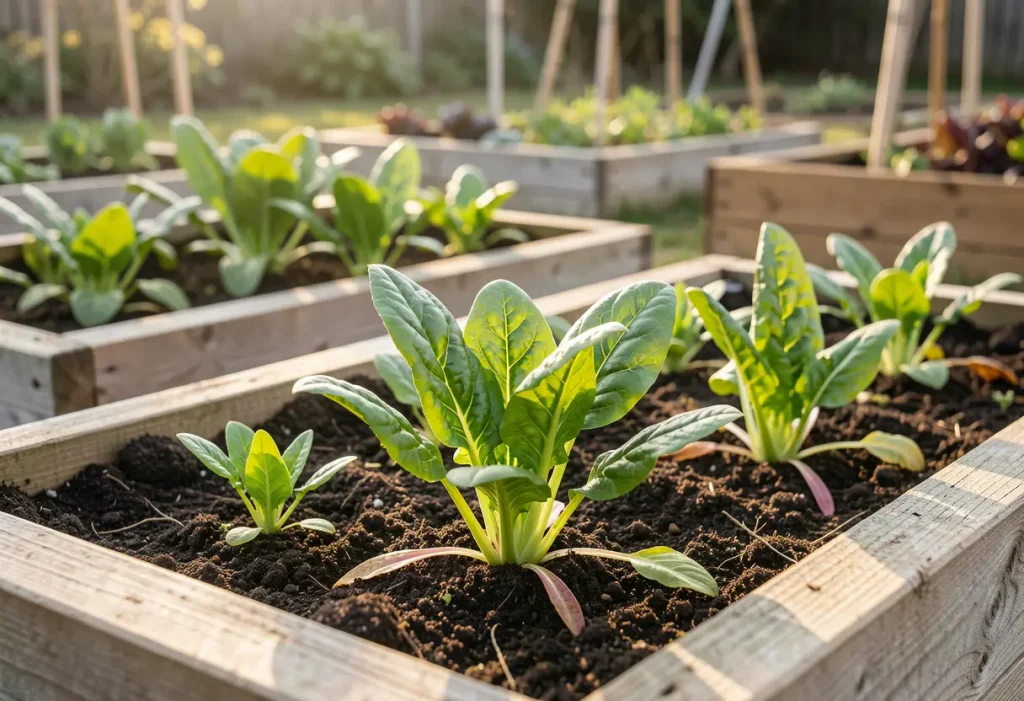
Planting Swiss chard correctly helps it grow strong and healthy. Using the right techniques makes a big difference. You can start Swiss chard from seeds or young plants. Knowing the best way to plant saves time and effort. Watering after planting supports early growth. Follow these steps for good results.
Plant Swiss chard seeds about 1/2 inch deep in the soil. Space seeds 2 to 4 inches apart. This gives each plant room to grow big leaves. Thin seedlings to about 6 inches apart after they sprout. Proper spacing helps air flow and reduces disease risk.
Direct sow seeds outdoors in cool weather. This works well in spring or fall. Transplant young seedlings if you start them indoors. Transplanting helps avoid frost damage. Choose healthy seedlings with 3 or 4 leaves. Plant them carefully to avoid root damage.
Water Swiss chard right after planting to settle soil. Keep soil moist but not soggy during germination. Water deeply once or twice a week. Consistent moisture helps roots grow strong. Avoid overwatering to prevent root rot and other problems.
Caring for young Swiss chard plants helps them grow strong and healthy. These plants need the right environment and care to thrive. Paying attention to soil, water, and protection makes a big difference. Here are simple tips for nurturing your young plants well.
Mulching keeps soil moist and cool around young plants. Use straw, leaves, or grass clippings as mulch. Mulch also stops weeds from growing and taking nutrients. Remove weeds carefully by hand to avoid damaging roots. Keep the area around plants clean to reduce pest hiding spots.
Young Swiss chard benefits from light feeding to boost growth. Use balanced fertilizer with equal nitrogen, phosphorus, and potassium. Apply fertilizer every two to three weeks for best results. Avoid over-fertilizing, which can harm plants. Water plants after fertilizing to help nutrients reach roots.
Check plants daily for signs of pests like aphids or leaf miners. Remove pests by hand or spray with mild insect soap. Keep plants spaced to improve air flow and reduce disease risk. Remove any yellow or damaged leaves to prevent spread. Healthy plants resist pests and diseases better.
Harvest timing is key to enjoying fresh, tender Swiss chard leaves. Picking leaves at the right time ensures the best taste and nutrition. Knowing the signs of readiness helps you avoid overgrown or tough leaves. Proper harvesting also encourages the plant to keep producing for longer. This section explains how to tell when Swiss chard is ready and the best ways to harvest it.
Swiss chard leaves are ready to pick when they reach 6 to 8 inches tall. The leaves should look bright green and firm. Avoid yellow or wilted leaves, which indicate aging or stress. Young leaves taste sweeter and have a softer texture. Mature leaves can be tougher and more bitter. Check the plant regularly to catch leaves at peak freshness.
Use scissors or garden shears to cut Swiss chard leaves cleanly. Cut leaves at the base, near the stem, but leave at least two inches of growth. This helps the plant heal and grow new leaves. Pick outer leaves first, leaving the center to keep growing. Avoid pulling leaves, which can damage the plant. Clean tools prevent disease and keep plants healthy.
Harvesting regularly encourages Swiss chard to produce more leaves. Pick leaves every one to two weeks for steady growth. Remove older leaves to direct energy to new growth. Water the plants well after harvesting to reduce stress. Use a balanced fertilizer to support leaf development. Proper care helps you enjoy fresh Swiss chard through the season.
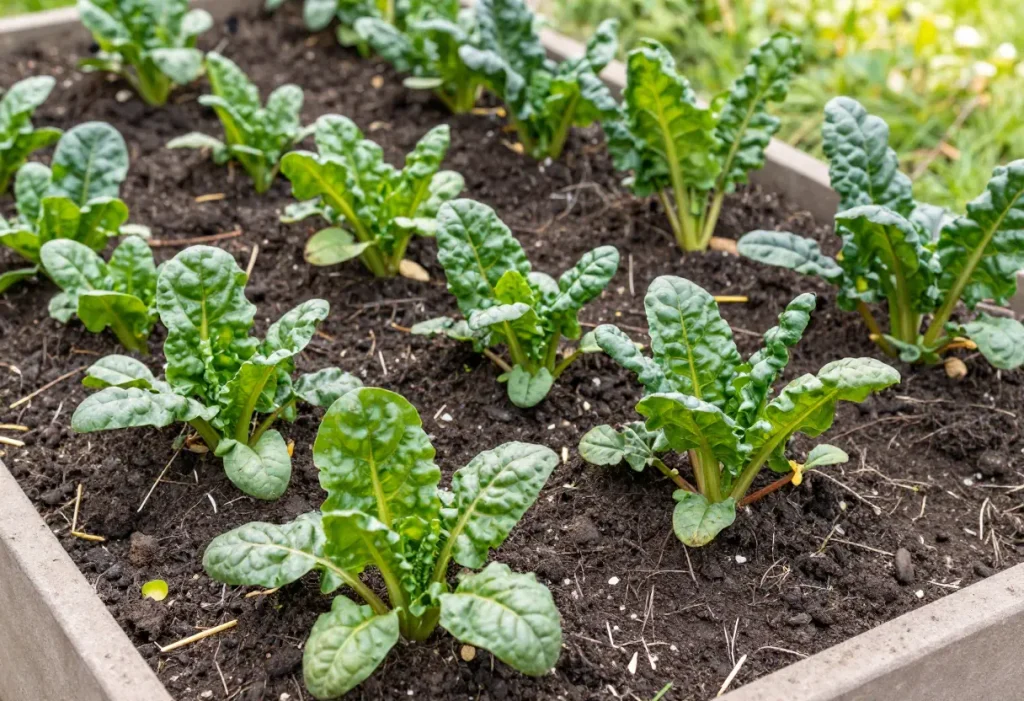
Swiss chard grows well in cool weather. Plant seeds in early spring or late summer for best results. This timing helps avoid hot temperatures that stress the plants.
Swiss chard typically takes 50 to 60 days to mature. You can start harvesting leaves in about 30 days. This fast growth makes it great for quick gardening.
Swiss chard can be planted in summer if temperatures stay below 75°F (24°C). It prefers cooler weather but tolerates some heat. Provide shade and water well to help it grow.
Swiss chard grows best in full sun but tolerates partial shade. At least 4 to 6 hours of sunlight daily is ideal. More sun usually means bigger, healthier leaves.
Plant Swiss chard seeds every 2 to 3 weeks for a steady harvest. This method is called succession planting. It ensures fresh leaves all season long.
Plant Swiss chard in cool weather for best growth. Sow seeds early spring or late summer. Choose a sunny spot with well-drained soil. Water regularly to keep soil moist but not soggy. Harvest leaves when they reach 6-8 inches tall.
Swiss chard grows fast and adds color to your garden. Enjoy fresh, nutritious greens all season long. Simple care leads to a healthy, tasty crop. Start planting at the right time for success. Your garden will thank you with vibrant Swiss chard.