Gardening Made Simple.
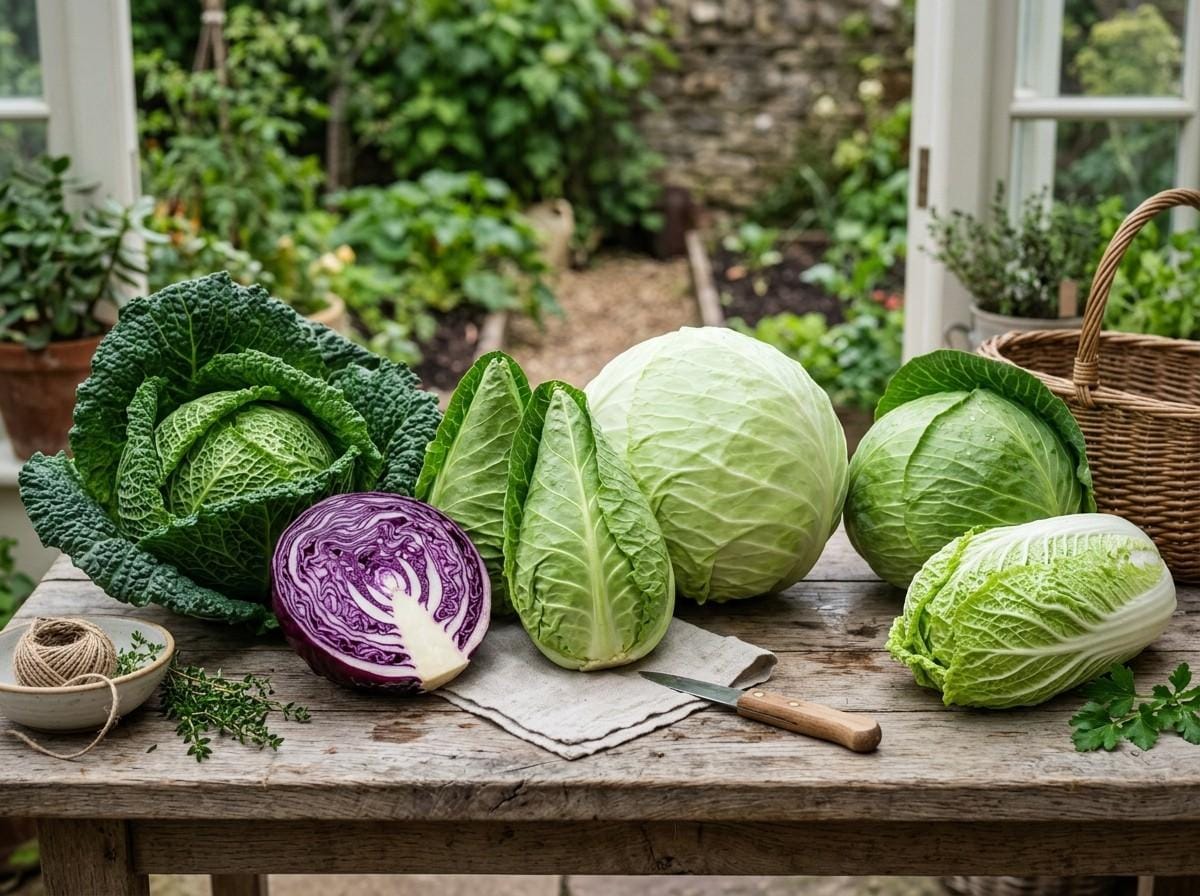
Are you curious about the different types of cabbage and how they can add flavor and nutrition to your meals? Whether you’re a kitchen newbie or a seasoned cook, knowing which cabbage to pick can change the way you enjoy your dishes.
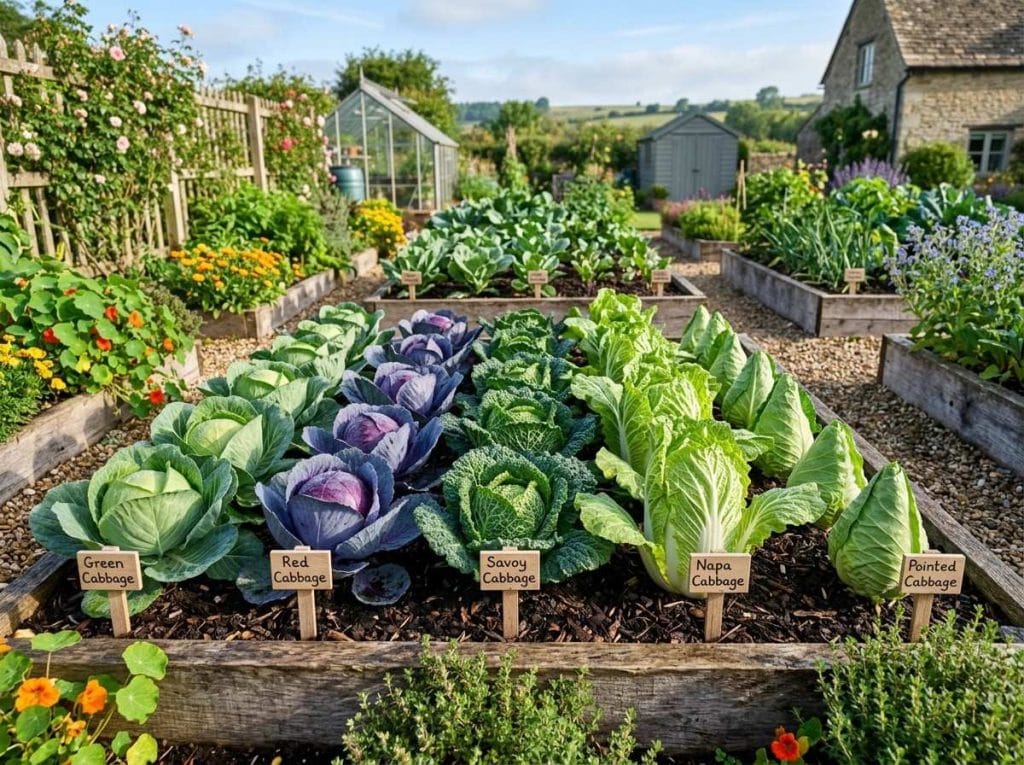
From crunchy to tender, mild to spicy, each variety has its own unique taste and texture that can transform salads, soups, and stir-fries. Keep reading to discover the cabbage types that will make your cooking easier and more exciting than ever before.
Your next favorite vegetable might just be one you haven’t tried yet!
Cabbage is a popular vegetable worldwide. It comes in many varieties. Each type has its own look, taste, and use. Knowing common cabbage varieties helps you choose the best one for meals.
These cabbages grow well in gardens and markets. They are easy to find and cook with. Let’s explore three common cabbage types you can try.
Green cabbage is the most common type. It has tightly packed, pale green leaves. The leaves are smooth and round. This cabbage has a mild, slightly sweet taste. It works well in salads, soups, and stews. It also stores well in the fridge for weeks.
Red cabbage stands out with dark purple leaves. The leaves are firm and crisp. It has a stronger, slightly peppery flavor than green cabbage. Red cabbage adds color to dishes like slaws and pickles. It also contains more antioxidants, which are good for health.
Savoy cabbage has wrinkled, curly leaves. The leaves are light green and softer than other cabbages. It tastes mild and sweet. Savoy cabbage is perfect for wraps and gentle cooking. It cooks faster and stays tender in soups and stir-fries.
Specialty cabbages bring unique flavors and textures to your meals. They differ from common green or red cabbages in taste and appearance. These varieties are popular in Asian cuisine and offer a mild, sweet taste. They cook quickly and work well in salads, soups, and stir-fries.
Napa cabbage has long, pale green leaves with thick white ribs. It is crunchy and tender at the same time. The flavor is mild and slightly sweet. This cabbage type is often used in kimchi and Asian soups. It cooks fast and holds its shape well.
Bok choy features dark green leaves and white stalks. It has a crisp texture and a mild, peppery flavor. This cabbage cooks quickly and stays crunchy. It is common in stir-fries and steamed vegetable dishes. Both the leaves and stalks are edible.
Chinese cabbage includes several varieties, often with light green leaves. It tastes sweet and soft when cooked. This cabbage is great for salads and soups. It absorbs flavors well, making it versatile for many recipes. Its delicate texture makes it a favorite in Asian cooking.
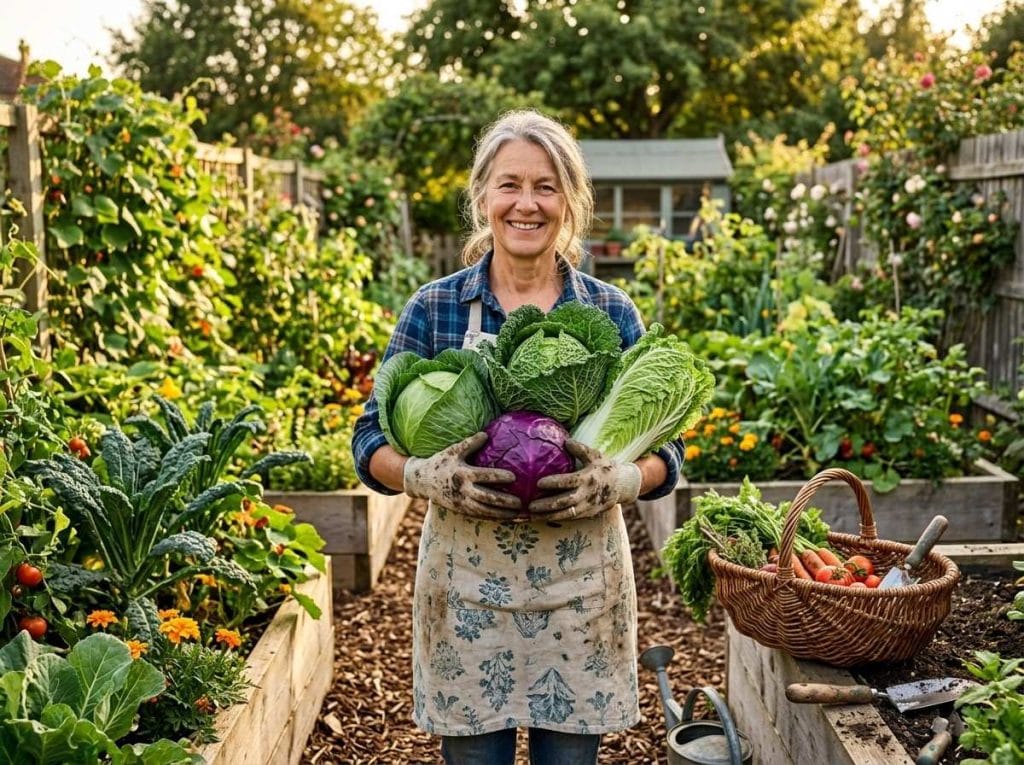
Cabbage is a versatile vegetable used in many dishes worldwide. Different types of cabbage suit different cooking styles. Choosing the right cabbage improves taste and texture. Cooking cabbage properly brings out its best flavors and nutrients.
Here are popular types of cabbage for various cooking needs. Each has unique qualities for salads, stir-fries, and fermentation.
Green cabbage works great in fresh salads. It has a crisp texture and mild flavor. The leaves are firm and crunchy, adding a fresh bite. Napa cabbage is soft and tender, perfect for lighter salads. Both types mix well with other vegetables and dressings.
Napa cabbage is ideal for stir-fries. It cooks quickly and stays tender. Savoy cabbage also works well with its curly leaves and sweet taste. These cabbages absorb sauces easily. They add a nice texture without becoming soggy.
Green cabbage is the best choice for fermentation. It has firm leaves that hold up during the process. Its natural sugars help develop good flavor and texture. Red cabbage can also be used for fermented dishes, adding color and a slightly different taste.
Growing cabbage requires care and attention to soil, climate, and planting methods. Proper harvesting ensures fresh, tasty heads. Follow these tips to grow healthy cabbage plants with ease.
Cabbage grows best in rich, well-drained soil. The soil should have a pH between 6.0 and 6.8. It likes cool weather and grows well in spring or fall. Avoid hot, dry conditions to prevent bitter leaves. Water regularly but do not overwater. Keep soil moist and cool for best growth.
Start seeds indoors about 6 to 8 weeks before the last frost. Transplant seedlings outdoors when they have 4 to 5 leaves. Space plants 12 to 24 inches apart to give room for heads. Plant in rows with enough space for air to flow. Use mulch to keep weeds down and soil moist.
Harvest cabbage when heads feel firm and solid. Cut the head at the base with a sharp knife. Leave some outer leaves to protect the head after cutting. Pick cabbage early in the morning for best flavor. Store harvested cabbage in a cool, dry place to keep it fresh.
Cabbage is more than just a crunchy vegetable. It offers many health benefits that support overall wellness. Eating cabbage can improve digestion, protect cells, and provide essential nutrients. Understanding these benefits helps you include cabbage in your diet wisely.
Cabbage is low in calories but rich in vitamins and minerals. It contains vitamin C, vitamin K, and fiber. These nutrients help keep your body strong and healthy. Cabbage also has small amounts of calcium and potassium.
The fiber in cabbage aids digestion and prevents constipation. It helps food move smoothly through your intestines. Cabbage also contains compounds that support good bacteria in the gut. This creates a healthy environment for digestion.
Cabbage has antioxidants that protect your cells from damage. These antioxidants fight harmful molecules called free radicals. Eating cabbage can reduce inflammation and may lower the risk of some diseases. Red and purple cabbages have extra antioxidants for added benefits.
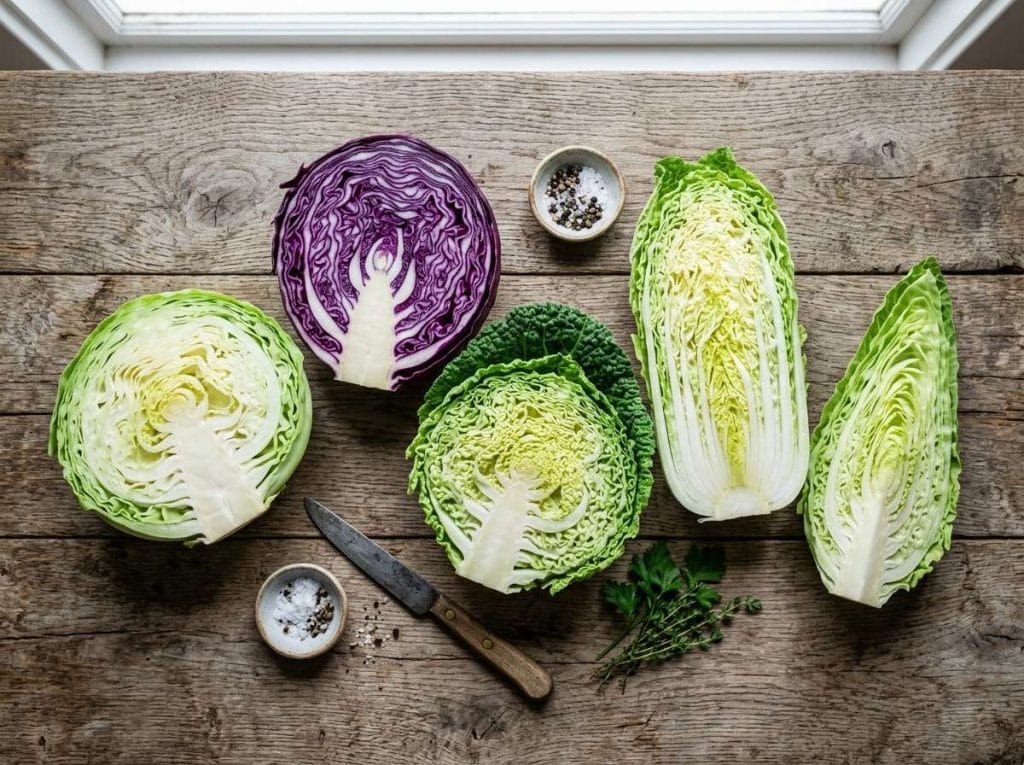
Common types include green, red, Savoy, Napa, and bok choy cabbages.
Savoy has crinkled leaves and a milder, sweeter taste than regular cabbage.
Napa cabbage and green cabbage are crisp and mild, ideal for salads.
Yes, red cabbage is tasty both cooked and raw, retaining its color.
Green cabbage is firm and ideal for fermenting into sauerkraut.
Cabbage comes in many shapes, colors, and flavors. Each type offers unique taste and nutrition. Choose the kind that fits your recipe and mood. Cooking with cabbage adds crunch and freshness to meals. Try new varieties to enjoy different textures and smells.
Growing cabbage at home can be fun and rewarding too. Keep exploring these leafy vegetables for healthy and tasty dishes. Simple, healthy, and delicious—cabbage is a great choice for everyone.