Gardening Made Simple.
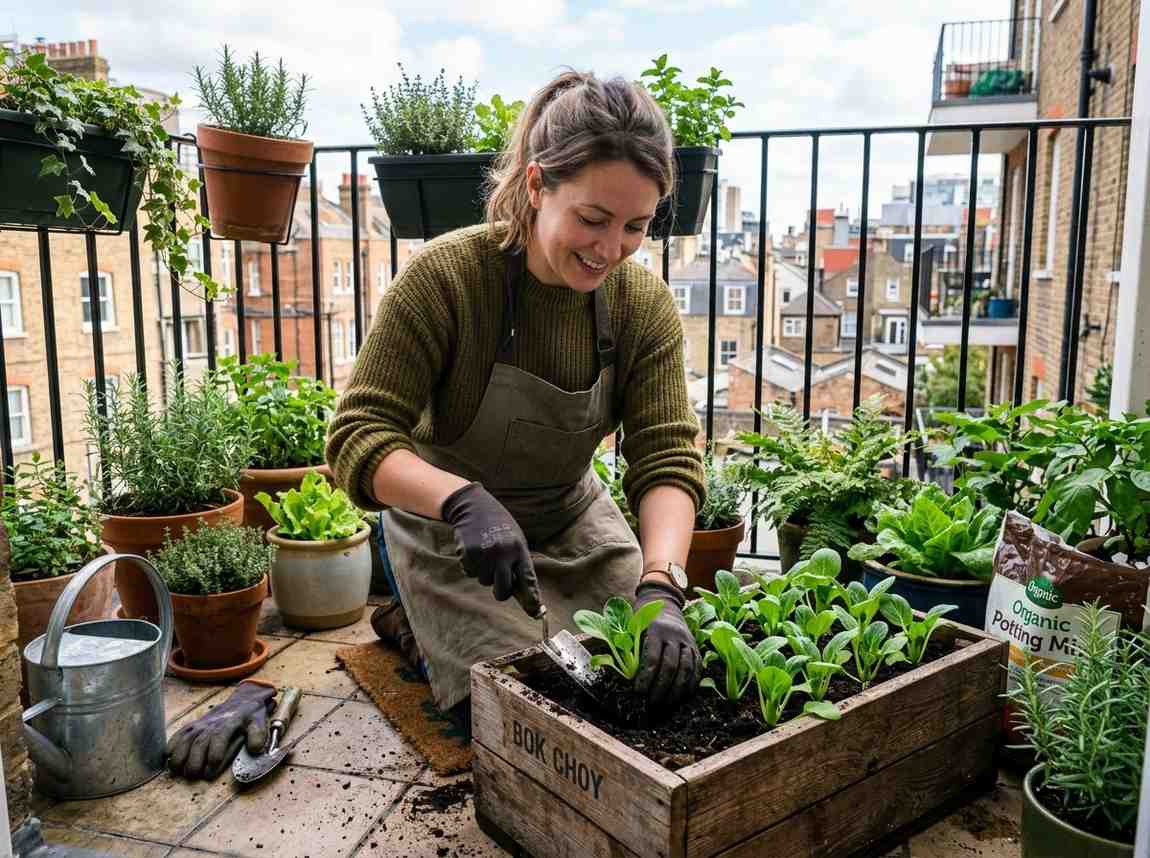
Are you wondering When to Plant Bok Choy for the best harvest? Timing is everything when it comes to growing this crisp, nutritious vegetable.
Plant it too early or too late, and you might miss out on tender leaves and a bountiful crop. You’ll discover the perfect planting windows and simple tips to help your bok choy thrive. Keep reading to make sure your garden delivers fresh, delicious bok choy just when you want it most.
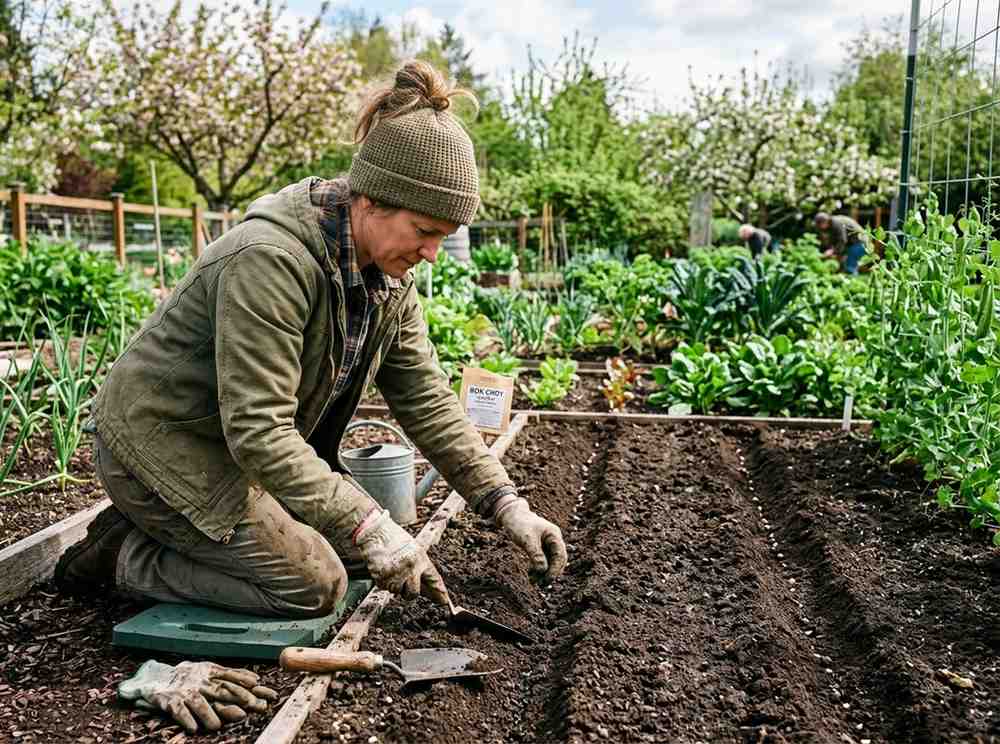
Bok choy is a cool-season vegetable that grows best in mild temperatures. It thrives in spring and fall when the air is not too hot. Understanding the right growing seasons helps you get crisp, tender leaves and a good harvest.
This plant does not do well in extreme heat or cold. Planning your planting times based on seasons improves growth and taste. You can enjoy fresh bok choy almost year-round with careful timing.
Plant bok choy seeds as soon as the soil can be worked. This is usually early spring, about 4 to 6 weeks before the last frost date. The soil should be around 45°F (7°C) or warmer. Cool weather helps the plant grow quickly and prevents bolting. Pick a spot with full sun or light shade to protect from strong spring sun.
Start planting bok choy in late summer for a fall harvest. The ideal time is 6 to 8 weeks before the first frost. Fall temperatures keep the leaves crisp and sweet. This season often produces the best flavor and texture. Keep soil moist and provide some shade if temperatures rise unexpectedly.
In mild climates, bok choy can grow through winter. Soil temperatures should stay above 40°F (4°C). Use a cold frame or row cover to protect plants from frost. Winter bok choy grows slower but remains tender and tasty. This method extends your fresh vegetable supply during colder months.
Bok choy grows best in the right soil and temperature. These factors help the plant develop strong roots and tender leaves. Knowing the ideal soil and temperature will help you decide the best time to plant bok choy.
Choose soil that drains well but keeps moisture. Loamy soil with organic matter is perfect. Mix compost or aged manure into the soil. This adds nutrients and improves texture. Avoid heavy clay or sandy soils. Test the soil pH; bok choy prefers 6.0 to 7.5. Loosen the soil to about 12 inches deep. This helps roots grow easily and absorb nutrients.
Bok choy grows best in cool weather. The ideal temperature is between 55°F and 70°F (13°C to 21°C). Temperatures above 75°F (24°C) can cause the plant to bolt. Frost can damage young plants but mature bok choy can tolerate light frost. Plant bok choy in early spring or late summer. This avoids hot summer heat and cold winter freezes. Monitoring temperature helps keep the crop healthy and tasty.
Planting bok choy correctly helps the plant grow strong and healthy. Good planting methods improve the chance of a good harvest. You can start bok choy from seeds or transplant young plants. Both methods work well and suit different gardeners. Understanding each method helps you choose the best option for your garden.
Start bok choy seeds indoors or directly in the garden. Use seed trays or small pots with good soil. Plant seeds about ¼ inch deep and keep the soil moist. Place the seeds in a warm spot with indirect sunlight. Seeds usually sprout within 5 to 7 days. Thin seedlings to avoid crowding. Keep the soil moist but not wet. Thin plants grow better with more space and air.
Move seedlings outdoors when they have 3 to 4 true leaves. Harden off seedlings by placing them outside for a few hours daily. This helps them adjust to outdoor conditions. Space transplants about 6 to 12 inches apart in rows. Water seedlings well after transplanting. Avoid planting on hot, sunny days to reduce stress. Mulch around plants to keep soil moist and cool. Healthy transplants grow faster and resist pests better.
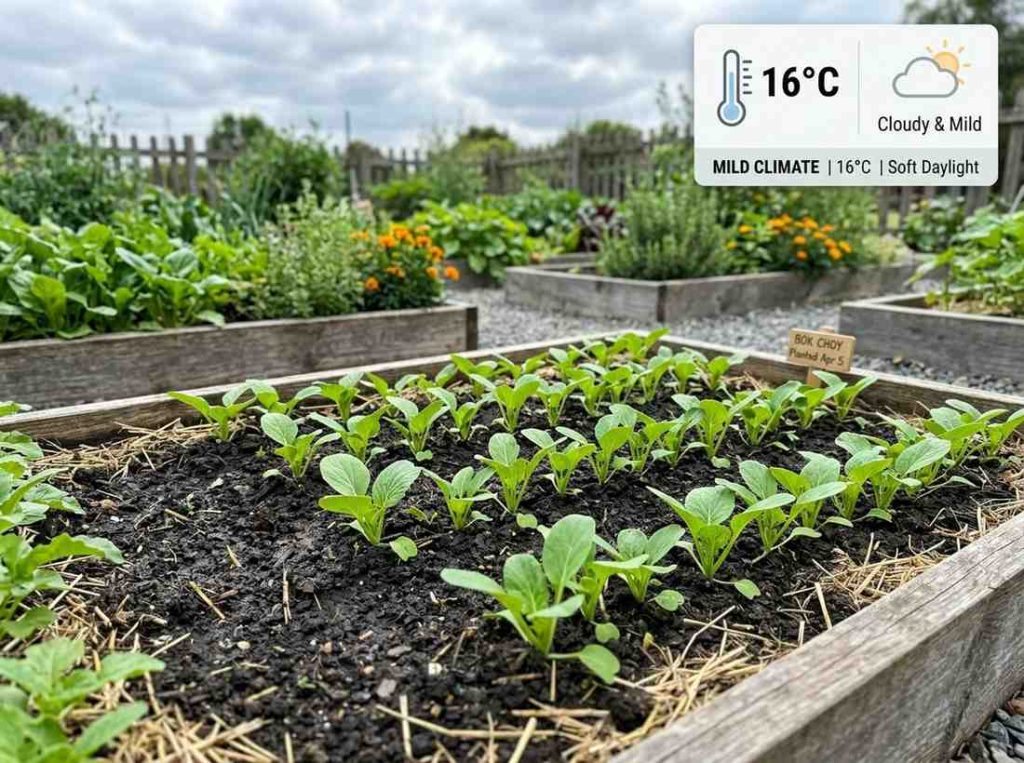
Bok choy grows best with the right sunlight and water. These two elements help the plant develop strong leaves and stems. Knowing how much light and water bok choy needs makes a big difference in your garden.
Bok choy prefers full sun but can handle some shade. It needs at least 4 to 5 hours of sunlight daily. Too much hot sun may cause the leaves to wilt. Morning sun and afternoon shade work well for hot climates. In cooler areas, more sun helps the plant grow faster.
Bok choy likes consistent moisture in the soil. Water the plant deeply once or twice a week. Keep the soil damp but not soggy. Dry soil can make the leaves turn yellow or taste bitter. Mulching helps keep soil moist and cool around the roots.
Planting bok choy at the right time helps reduce pests and diseases. Healthy plants resist bugs and illnesses better. Still, some pests and diseases can damage your crop. Preventing these problems keeps your bok choy strong and fresh.
Aphids often attack young bok choy leaves. They suck plant juices and cause leaves to curl. Cabbage worms eat holes in leaves, weakening plants. Flea beetles create small pits in leaves, making plants look unhealthy. Slugs and snails feed on bok choy leaves, especially at night. Regular checks help catch pests early. Remove pests by hand or use safe sprays.
Keep soil well-drained to prevent root rot. Avoid planting bok choy too close to other crops. Good air circulation reduces fungal infections. Remove dead or damaged leaves to stop disease spread. Rotate crops yearly to avoid soil-borne diseases. Use clean tools when working in the garden. These steps help keep your bok choy disease-free.
Harvesting bok choy at the right time ensures the best taste and texture. Knowing when and how to pick it helps keep the plants healthy. This section explains clear signs to watch for and simple ways to harvest your bok choy.
Bok choy is ready to harvest about 45 to 60 days after planting. The leaves should look full and dark green. The plant should be 6 to 12 inches tall. The stalks become thick and firm, not thin or soft. Watch for the leaves to open fully but not start to yellow. Avoid letting the plant flower, as this makes it bitter.
Use a sharp knife or garden scissors to cut bok choy at the base. Cut about an inch above the soil to avoid damaging the roots. Harvest early in the day for the freshest taste. You can pick the whole plant or harvest outer leaves only. Leaving the center allows the plant to keep growing. Handle the leaves gently to avoid bruising.
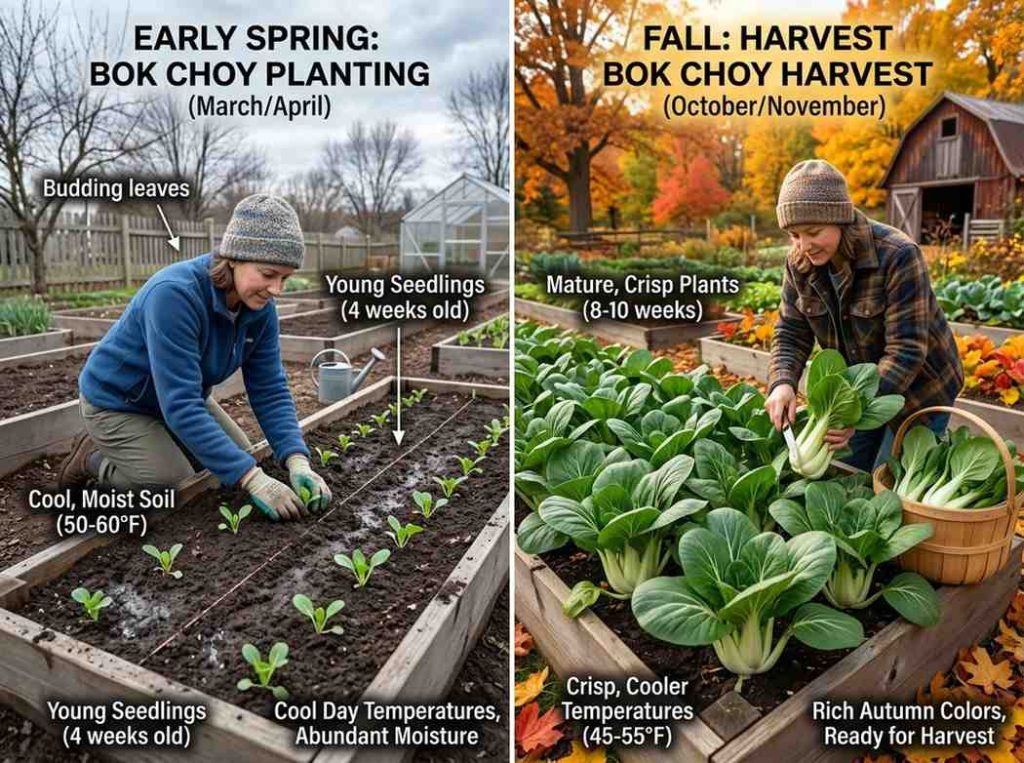
Plant bok choy in early spring or late summer for the best growth and cooler weather.
Bok choy usually grows in 30 to 45 days from planting to harvest.
Bok choy prefers cooler temperatures and may bolt or go bitter in heat.
Bok choy grows well in full sun but tolerates partial shade.
Keep soil moist by watering bok choy regularly, about once or twice a week.
Plant bok choy in cool weather for the best growth. Early spring or late summer suits this leafy vegetable well. Choose a spot with good sunlight and moist soil. Watch for frost, as it can harm young plants. Regular watering helps keep leaves fresh and crisp.
Harvest leaves when they reach a good size. Growing bok choy is simple and rewarding. A little care leads to healthy, tasty greens. Try planting at the right time for great results.