Gardening Made Simple.
Are your plants looking sad, wilting, or turning yellow despite your best care? How to Fix Root Rot is an important topic for gardeners because this common problem can quickly damage your plants if it isn’t treated in time.
Don’t worry, though. You can save your plants and bring them back to life with the right steps. You’ll discover simple, effective ways to spot root rot early and fix it before it’s too late. Keep reading to learn how to protect your plants and enjoy a thriving, healthy garden.
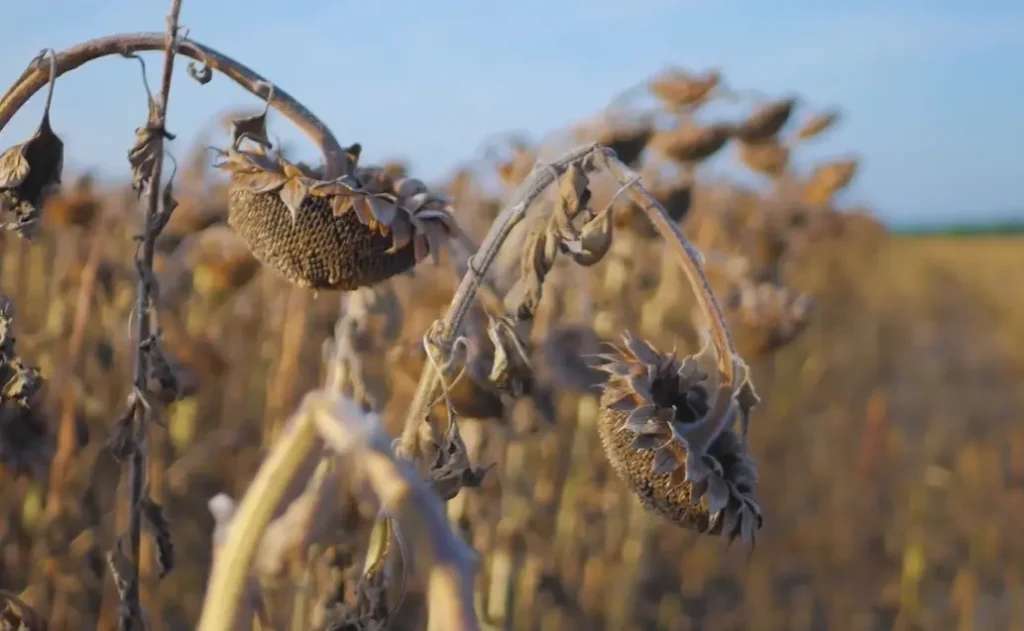
Root rot is a common problem in many plants. It damages the roots and stops plants from taking water and nutrients. Early signs help save your plant. Watch closely for changes in leaves, roots, and soil. These signs show your plant needs help fast.
Leaves may look droopy even if the soil is wet. Yellow spots or edges appear on the leaves. The plant may lose leaves quickly. These are clear signs roots are not healthy. Wilting and yellowing mean the roots cannot feed the plant well.
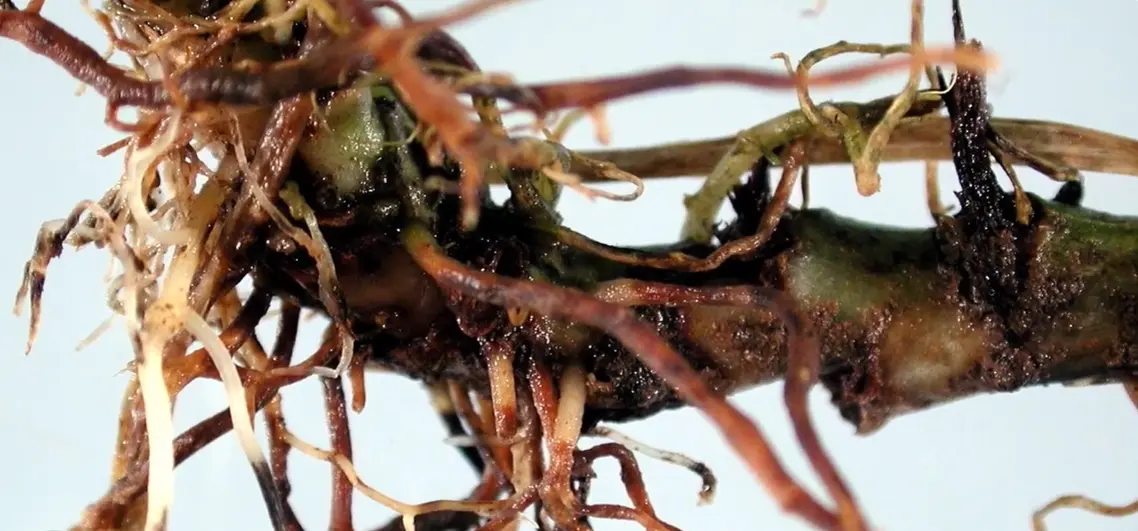
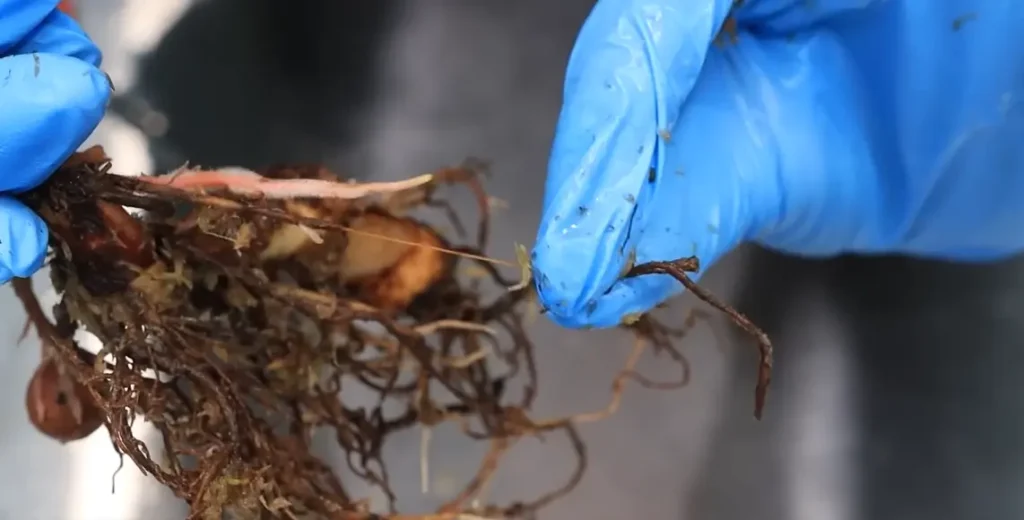
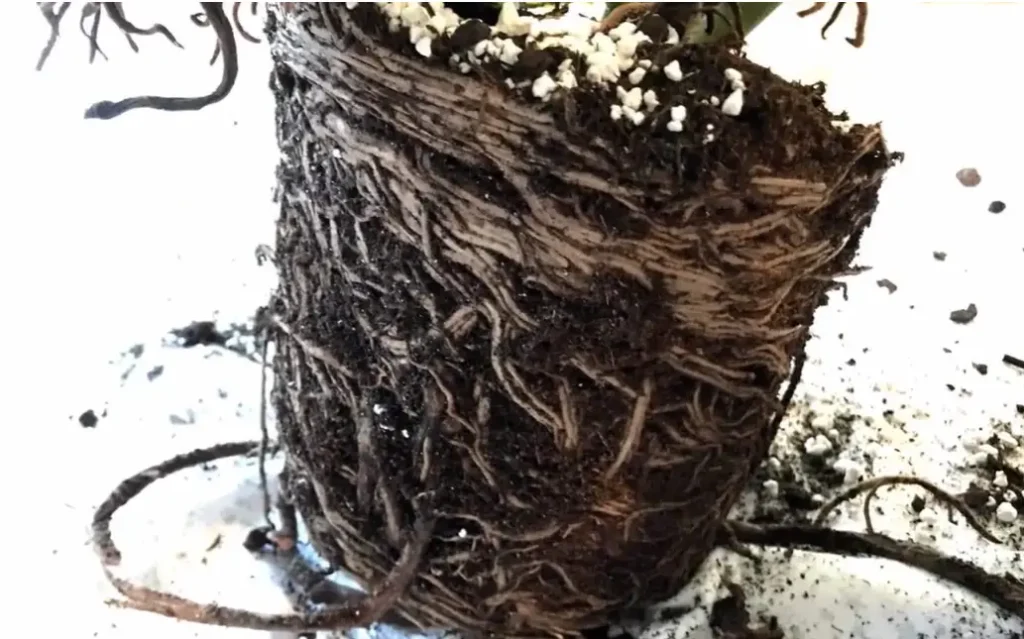
Healthy roots are firm and white. In root rot, roots turn brown or black. They become soft and mushy to touch. This decay stops the roots from working. Checking roots is key to confirm root rot. Gently pull the plant and inspect the root system.
Rotting roots cause a bad smell. The soil may smell sour or rotten. This smell shows harmful bacteria or fungi are active. Bad odor is a strong sign of root rot. Healthy soil usually smells fresh or earthy.
Root rot is a common plant problem that harms roots and stops growth. Understanding its causes helps save your plants early. Several factors create conditions where root rot can thrive.
Identifying these causes helps prevent damage and promotes healthy roots. Below are the most common causes that lead to root rot.
Too much water floods the soil and suffocates roots. Roots need air to breathe. Constant wet soil causes roots to die and rot. Overwatering creates an environment where fungi spread quickly. Water plants only when the topsoil is dry.
Soil that holds too much water traps moisture around roots. This stops oxygen from reaching root systems. Clay soils and pots without drainage holes cause water buildup. Good drainage lets excess water escape and keeps roots healthy. Use well-draining soil and containers with holes.
Soil with fungi or harmful bacteria spreads root rot disease. Using old or garden soil without sterilization risks infection. Contaminated soil infects new plants fast. Always use clean, fresh potting mix to avoid pests. Sterilize garden soil before planting sensitive plants.
Root rot spreads fast and harms plants badly. Acting quickly saves your plant and stops the disease from spreading. The first steps involve careful handling of the plant and tools. Cleanliness and proper trimming can help your plant recover.
Gently take the plant out of its pot. Avoid shaking the soil too much. This prevents more damage to the roots. Check the roots carefully for signs of rot.
Look for dark, mushy, or smelly roots. These are signs of rot. Use clean scissors to cut these roots off. Leave only healthy, firm roots. Trimming stops the rot from spreading further.
Wash your scissors with rubbing alcohol or bleach. Clean the pot with soap and water. This kills any leftover fungi or bacteria. Clean tools and pots keep the plant safe during replanting.
Proper soil and pot preparation is key to preventing root rot. Healthy roots need air and water to flow freely. Poor soil or pots without drainage cause water to stay, leading to root decay. Preparing the soil and pot right helps plants stay strong and grow well.
Use soil that allows water to drain quickly. Avoid heavy or compacted soil that holds water. Mix in sand, perlite, or peat moss to improve drainage. Well-draining soil stops roots from sitting in water. This reduces the chance of root rot.
Select pots with holes at the bottom. Drainage holes let excess water escape easily. Without holes, water pools at the roots. This creates a wet environment for harmful fungi. Proper drainage keeps roots dry and healthy.
Sterilizing soil kills fungi and bacteria that cause root rot. Heat soil in an oven or microwave before planting. This step stops disease from spreading to new plants. Clean soil provides a safe start for healthy roots.
Proper watering helps prevent root rot and keeps plants healthy. It controls moisture levels in the soil. Watering right means plants get enough water without sitting in wet soil. This section explains simple watering tips to avoid root rot and promote strong roots.
Check the soil before watering. Stick your finger about one inch deep. If the soil feels dry, it is time to water. Wet soil means the plant still has enough moisture. Watering only dry soil stops roots from drowning.
Waterlogging causes roots to rot and die. Avoid pouring too much water at once. Make sure excess water drains out of the pot. Use pots with holes at the bottom to help water flow out. Keep soil moist but not soggy.
Bottom watering lets roots absorb water slowly. Place the pot in a shallow tray of water. Let the soil soak up water from the bottom. Remove the pot after 20 minutes to prevent overwatering. This method keeps soil evenly moist and reduces root rot risk.
Root rot is a serious problem for many plants. Treating it early helps save the plant and stops the disease. Several treatment options can control and fix root rot effectively. Choose the right method based on the plant type and severity of the rot.
Fungicides kill the fungi that cause root rot. Use a product labeled for root rot treatment. Apply it to the soil and roots carefully. Follow the instructions on the package for best results. Repeat the treatment as needed to control the infection.
Beneficial microbes help fight harmful fungi naturally. These good bacteria and fungi protect roots and improve soil health. Add them to the soil around the plant roots. They compete with bad fungi and reduce root rot risk. This method supports long-term plant health.
Natural remedies can also help control root rot. Mix cinnamon powder or chamomile tea with water and apply to the soil. These substances have mild antifungal properties. They support root recovery without harsh chemicals. Use natural remedies as a gentle option for mild cases.
Preventing future root rot is key to keeping plants healthy. Healthy roots mean strong plants. Taking simple steps can stop root rot before it starts. These habits keep the soil and roots in good shape. Follow these tips to protect your plants.
Check soil moisture regularly. Soil that stays wet is a problem. Use your finger or a moisture meter to test. Let soil dry out a bit between waterings. Good drainage helps roots breathe and stay healthy. Remove any dead or decayed roots right away.
Give plants enough space to grow. Crowded plants hold too much moisture. Air cannot flow well between plants. This creates a wet environment that causes rot. Space plants according to their size needs. This helps roots get oxygen and stay dry.
Keep humidity at a balanced level. Too much humidity makes soil wet too long. Use a humidifier only if needed, but avoid overuse. Open windows or use fans to increase air flow. Balanced humidity helps roots stay healthy and strong.
Recovering a plant from root rot needs patience and care. The right steps help the plant regain strength and grow healthy roots. Focus on light, feeding, and health checks to support recovery.
Plants need light to make food through photosynthesis. Place your plant in a bright spot but avoid direct sunlight that burns leaves. Good light helps roots heal faster and boosts new growth.
Use a balanced, diluted fertilizer to avoid stressing the plant. Too much fertilizer can harm weak roots. Feed your plant only during active growth and skip feeding if it looks weak or sick.
Check leaves and stems for signs of improvement or damage. Look for yellow leaves or soft stems that may show ongoing problems. Adjust care based on your observations to protect the plant’s recovery.
Root rot is caused by overwatering and poor soil drainage that leads to fungal growth.
Look for yellow leaves, wilting, and a foul smell from the soil.
Yes, by trimming damaged roots and repotting in fresh, dry soil.
Water only when the top inch of soil feels dry to the touch.
Well-draining soil with sand or perlite reduces water buildup and root rot risk.
Fixing root rot takes patience and careful care. Start by removing the damaged roots gently. Use fresh, dry soil to replant your plant. Water only when the soil feels dry to touch. Good air flow helps roots stay healthy and strong.
Watch your plant daily for signs of stress or recovery. Acting quickly saves your plant from further harm. Healthy roots mean a healthy plant. Keep these steps in mind to avoid root rot again. Caring for your plants becomes easier with practice.
Your effort will bring green, thriving growth soon.