Gardening Made Simple.
Are you ready to grow onions that are big, healthy, and full of flavor? One of the most important steps is knowing exactly How Far Apart to Plant Onion Sets.
Planting them too close or too far apart can affect their growth and the size of your harvest. You’ll discover the perfect spacing tips that will help your onions thrive and make your garden the envy of your neighborhood. Keep reading, and you’ll learn simple, effective ways to boost your onion-growing success!
Choosing the right onion sets is key to growing healthy onions. The right sets help you get strong plants and good harvests. Picking good onion sets means knowing the types, checking their health, and thinking about the season. These factors affect how well your onions grow and how far apart you should plant them.
Onion sets come in different types. Common types include yellow, red, and white onions. Each type has a unique flavor and use. Some sets grow faster while others store longer. Choose the type based on your cooking needs and growing time.
Healthy onion sets look firm and dry. Avoid sets with mold, soft spots, or green shoots. Good sets are about the size of a marble or small grape. Pick sets that feel heavy for their size. Healthy sets grow strong roots and tops quickly.
Plant onion sets in the right season for best growth. Early spring works well for most regions. In mild climates, you can plant in fall for winter harvest. Avoid planting sets in very hot or frozen soil. Timing affects the size and flavor of your onions.
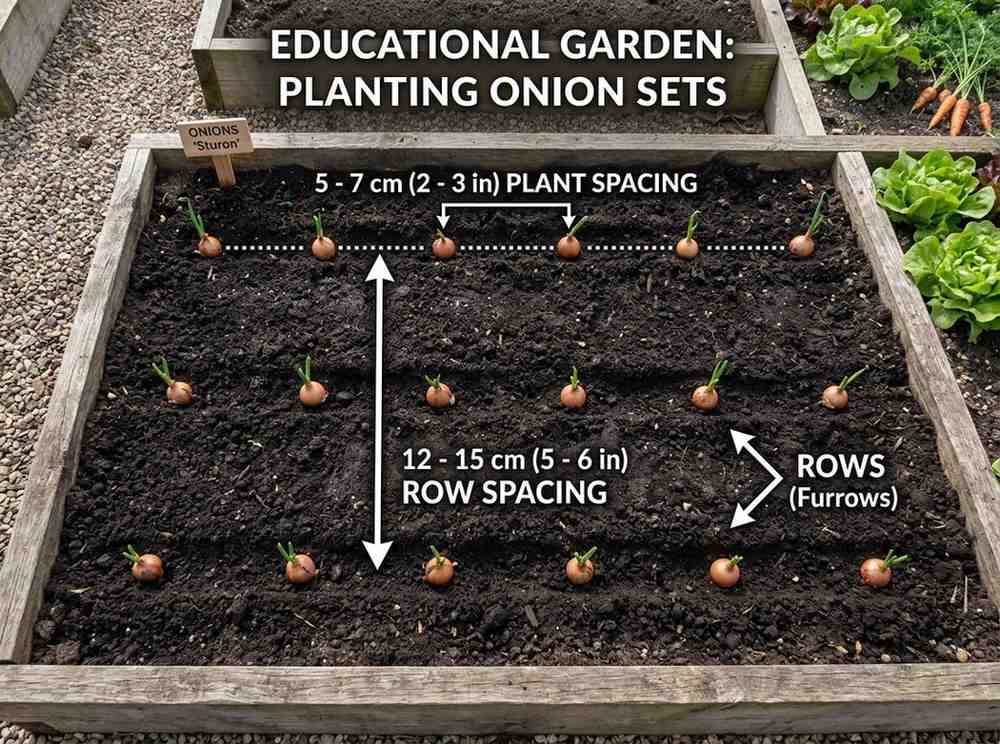
Planting onion sets with the right spacing helps them grow healthy and strong. Giving each onion enough room allows the bulbs to develop fully. Crowded onions may be small and weak. Proper spacing also improves air flow, which reduces disease risks. Understanding the ideal distance between rows and sets helps you plan your garden better.
Keep onion rows about 12 to 18 inches apart. This space lets you walk between rows for easy care. It also gives plants enough sunlight and air. Too narrow rows can cause crowding. Too wide rows waste garden space.
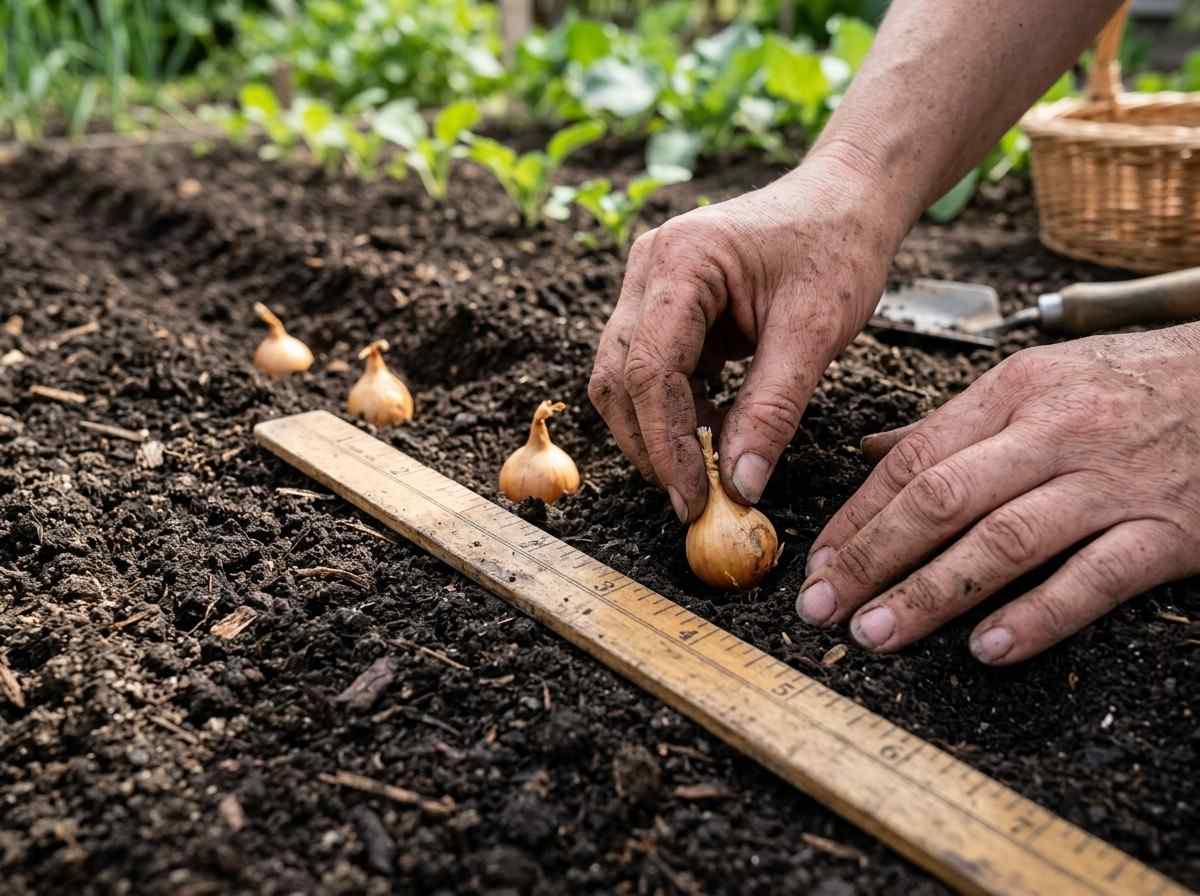
Plant onion sets 4 to 6 inches apart in each row. This distance allows bulbs to grow large. Closer planting may produce smaller onions. Wider spacing can reduce total yield. Follow this spacing for medium to large onions.
Onion variety affects how far apart to plant sets. Some types need more space to grow big bulbs. Soil quality can also change spacing needs. Rich soil supports closer planting. Poor soil needs wider spacing for good growth. Your garden size and tools also matter.
Preparing the soil is a key step before planting onion sets. Good soil helps onions grow healthy and strong. It creates a good environment for roots to spread and absorb nutrients. Proper soil preparation also helps keep the soil loose and well-drained. This section explains important points about soil for onion planting.
Onions grow best in loose, sandy, or loamy soil. Heavy clay soil can hold too much water. This leads to root rot and poor growth. Good drainage is important. Water should not stay around the roots for long. Raised beds or ridges help improve drainage in wet areas. Check soil moisture before planting. Soil that is too wet or too dry can harm onion sets.
Onions need nutrients to grow well. Nitrogen helps leaves grow green and strong. Phosphorus supports root development. Potassium improves bulb quality. Add compost or well-rotted manure to enrich the soil. Avoid fresh manure as it can burn roots. A soil test can show nutrient levels. Adjust fertilization based on test results for best growth.
Clear the planting area of weeds and debris. Loosen soil to a depth of 8 to 12 inches. Break up large clumps to create a fine texture. Mix organic matter evenly throughout the bed. Level the bed to ensure even planting depth. Form rows with enough space for onion sets. Proper bed preparation helps roots grow deep and bulbs develop evenly.
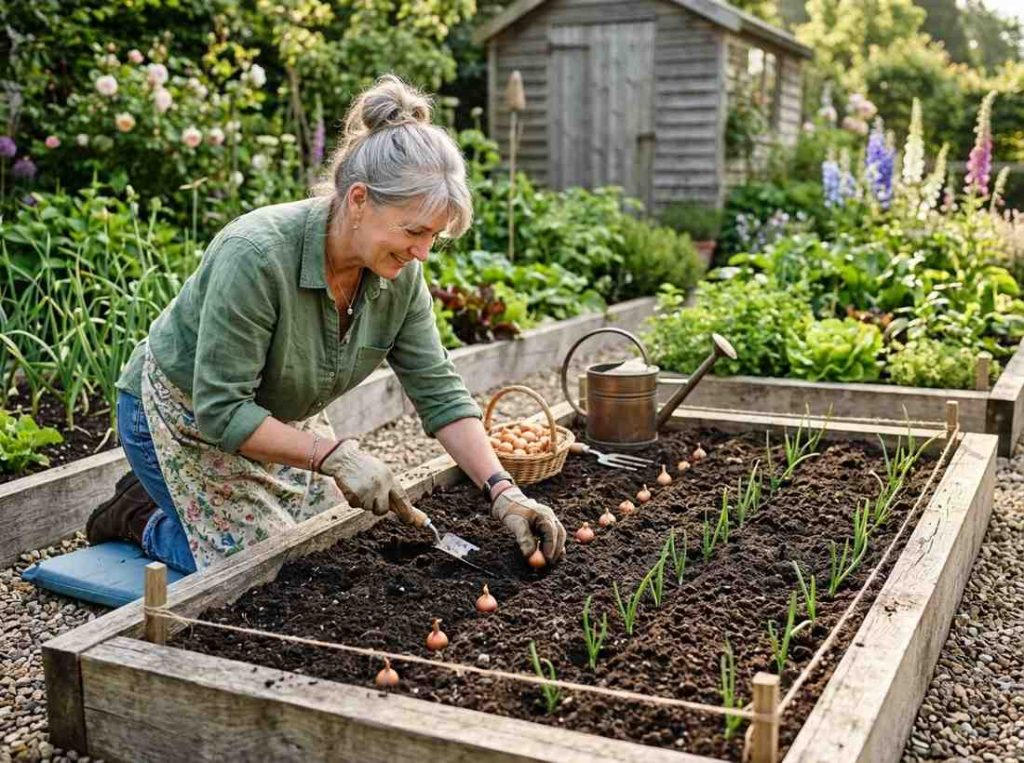
Planting onion sets correctly helps them grow strong and healthy. Good techniques improve bulb size and reduce disease risk. Pay attention to depth, placement, and watering for best results.
These simple steps make your onion garden more productive and easy to manage.
Plant onion sets about 1 inch deep in the soil. Too shallow, and they dry out fast. Too deep, and they may not sprout well. A light covering of soil is enough to protect them.
Place sets with the pointed end up and the root end down. This helps shoots grow up and roots grow down. Space sets 4 to 6 inches apart to give room for bulbs to grow. Rows should be about 12 inches apart for airflow and easy care.
Water sets gently after planting to moisten the soil. Avoid soaking to prevent rot. Keep soil lightly moist during the first few weeks. Once shoots appear, water more deeply but less often.
Taking care of onion sets during their growth is very important. Proper care helps onions grow bigger and healthier. It also prevents many common problems. This section explains how to care for onions after planting.
Keep the onion bed free from weeds. Weeds take water and nutrients from onions. Pull weeds by hand or use a small hoe. Mulching helps stop weeds from growing. Use straw or dry grass as mulch. Mulch also keeps soil moist and cool. It helps onions grow better and faster.
Feed onions with a balanced fertilizer during growth. Use nitrogen-rich fertilizer early to help green leaves grow. Later, use fertilizer with more phosphorus and potassium. Apply fertilizer every three to four weeks. Avoid over-fertilizing, as it can harm onion bulbs. Follow package instructions for best results.
Watch onions for signs of pests like onion maggots and thrips. Remove and destroy affected plants quickly. Use insecticidal soap if pests spread. Check for diseases such as onion rot or mildew. Good air circulation helps prevent disease. Water onions at the base to keep leaves dry. Healthy plants resist pests and disease better.
Harvesting onions is a key step in growing healthy bulbs. Knowing when and how to harvest helps keep onions fresh and tasty. Proper harvesting also prepares onions for long storage.
Onions are ready to harvest when their tops start to fall over. The green leaves turn yellow and dry. The bulbs feel firm and large enough. Wait until about half of the tops have fallen.
Check the size by gently digging a few bulbs. If they look full and round, they are mature. Avoid harvesting too early or late for best results.
Use a garden fork or hand tool to loosen soil around onions. Lift bulbs carefully without damaging them. Avoid pulling onions by their tops as this can break the bulbs.
Work in dry weather to reduce risk of rot. Shake off excess soil but do not wash onions yet. Let them dry naturally before moving to curing.
Place onions in a dry, airy spot out of direct sun. Spread them out in a single layer for about two weeks. This allows outer skins to harden and necks to dry.
Remove any soft or damaged onions before storage. Store cured onions in mesh bags or crates. Keep them in a cool, dry place for several months.
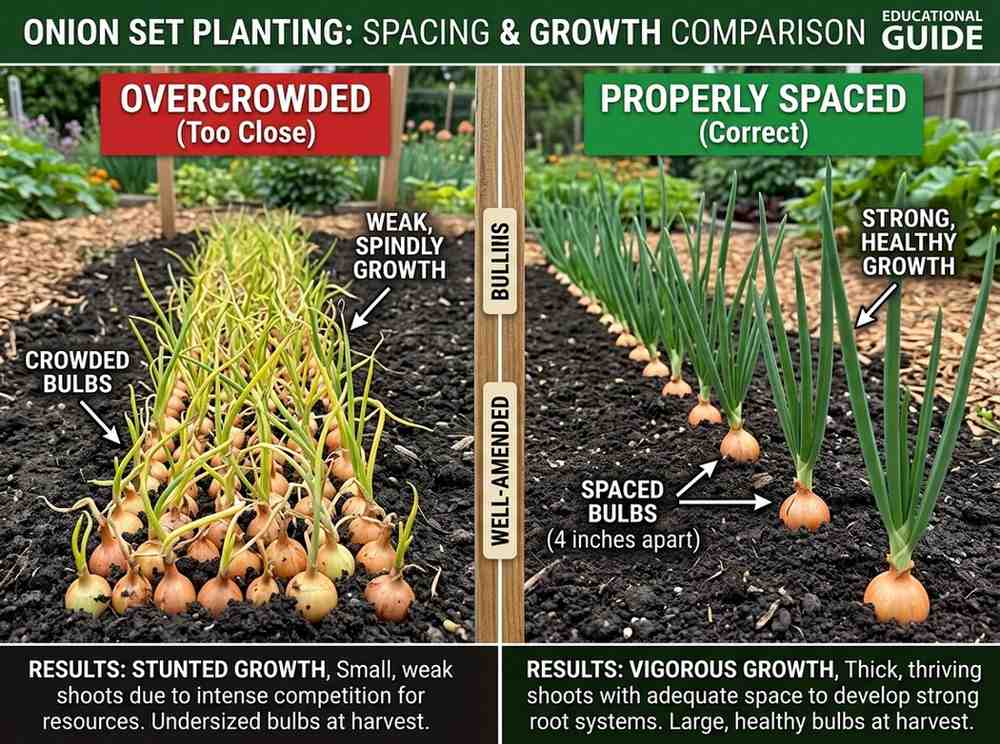
Plant onion sets 4 to 6 inches apart for healthy growth and good bulb size.
Space rows about 12 to 18 inches apart to allow easy access and air circulation.
Yes, closer spacing often results in smaller bulbs due to limited nutrients and space.
Planting too far wastes garden space and may reduce total onion yield.
Plant onion sets about 1 inch deep, with the pointed end facing up.
Plant onion sets at the right distance for healthy growth. Give each set enough space to grow big and strong. Crowding onions can cause small bulbs and poor harvests. Keep rows far enough apart for easy care and air flow.
Proper spacing helps prevent disease and makes weeding simple. Follow these tips to enjoy a good onion crop this season. Simple steps lead to better results in your garden. Start planting with care and watch your onions thrive.