Gardening Made Simple.

When to Plant Arugula is crucial for a healthy and productive harvest. Are you eager to grow fresh, peppery arugula right in your garden? Knowing exactly when to plant arugula can make all the difference between a bountiful harvest and a disappointing crop, ensuring tender, flavorful leaves throughout the season.
Plant it too early or too late, and you might miss out on the best flavor and texture. You’ll discover the perfect timing and simple tips to help your arugula thrive. Keep reading, and you’ll be on your way to enjoying crisp, homegrown greens in no time!
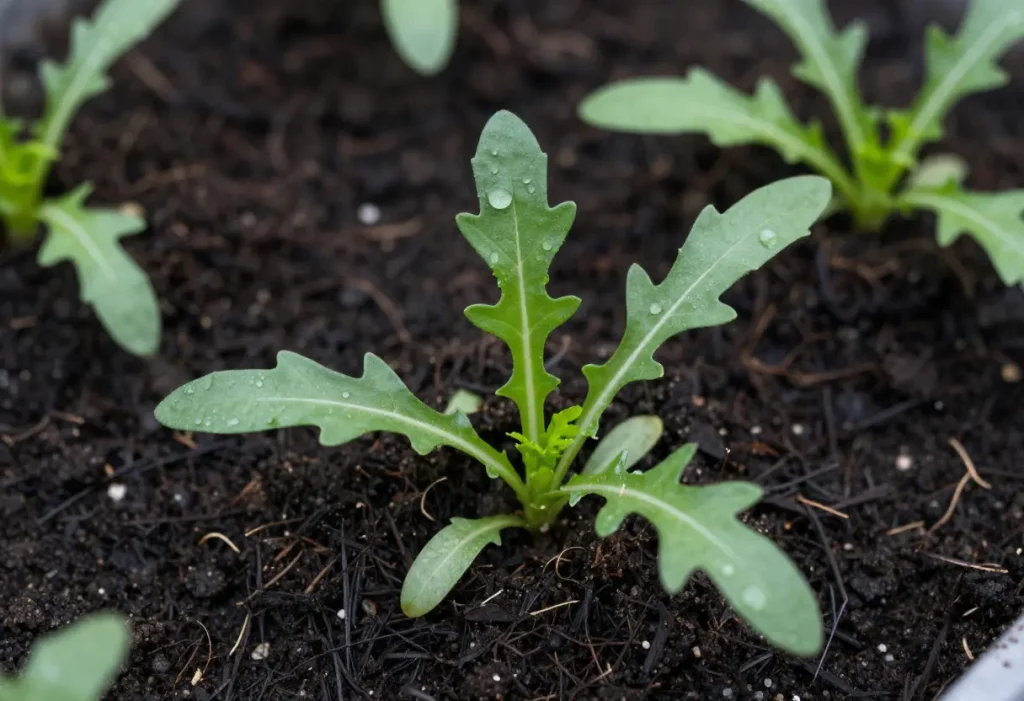
Arugula grows best in cool weather. Choosing the right season helps plants thrive. Planting at the right time gives you fresh, tasty leaves. The ideal seasons for arugula are spring and fall. These times avoid extreme heat or cold. Understanding each season’s needs improves your harvest.
Start planting arugula as soon as the soil thaws. Soil temperature should be around 45°F (7°C). Early spring planting lets arugula grow before summer heat. Use well-drained soil with plenty of organic matter. Water regularly but avoid waterlogging. Thin seedlings to 4-6 inches apart. This spacing helps leaves develop fully.
Plant arugula in late summer or early fall. Cooler temperatures slow leaf bitterness. Soil temperature should be about 50°F (10°C). Choose a spot with some afternoon shade to protect from harsh sun. Keep soil moist for steady growth. Harvest leaves before frost for best flavor. Fall planting often produces sweeter, tender leaves.
Growing arugula successfully starts with the right soil and climate. These factors affect plant health and leaf flavor. Understanding soil and temperature needs helps you pick the best planting time. Healthy soil and cool weather make arugula thrive.
Arugula prefers loose, well-drained soil. It grows best in soil rich in organic matter. Compost or aged manure improves soil quality. A slightly acidic to neutral pH, between 6.0 and 7.0, suits arugula well. Avoid heavy clay or waterlogged soils. Good drainage prevents root rot and disease.
Cool temperatures help arugula grow fast and tender. Ideal range is 45°F to 65°F (7°C to 18°C). Hot weather makes leaves bitter and tough. Plant arugula in early spring or fall for best results. Protect young plants from frost but avoid warm summer heat. Shade can help in warmer climates.
Preparing your garden bed is the first step to growing healthy arugula. Good preparation helps arugula roots grow strong. It also makes sure the plants get enough water and nutrients. Taking time to prepare the soil and choose the right spot will give your arugula the best start.
Start by loosening the soil to a depth of 8 to 10 inches. Remove rocks, weeds, and old roots. Mix in organic matter like compost or aged manure. This improves soil texture and adds nutrients. Check soil pH; arugula prefers slightly acidic to neutral soil, around 6.0 to 7.0. Water the bed lightly before planting to keep soil moist but not soggy.
Select a spot that gets at least 4 to 6 hours of sunlight daily. Arugula grows well in full sun or partial shade. Avoid areas with strong winds that can dry out the leaves. The soil should drain well to prevent waterlogging. Pick a place away from large trees or plants that compete for nutrients.
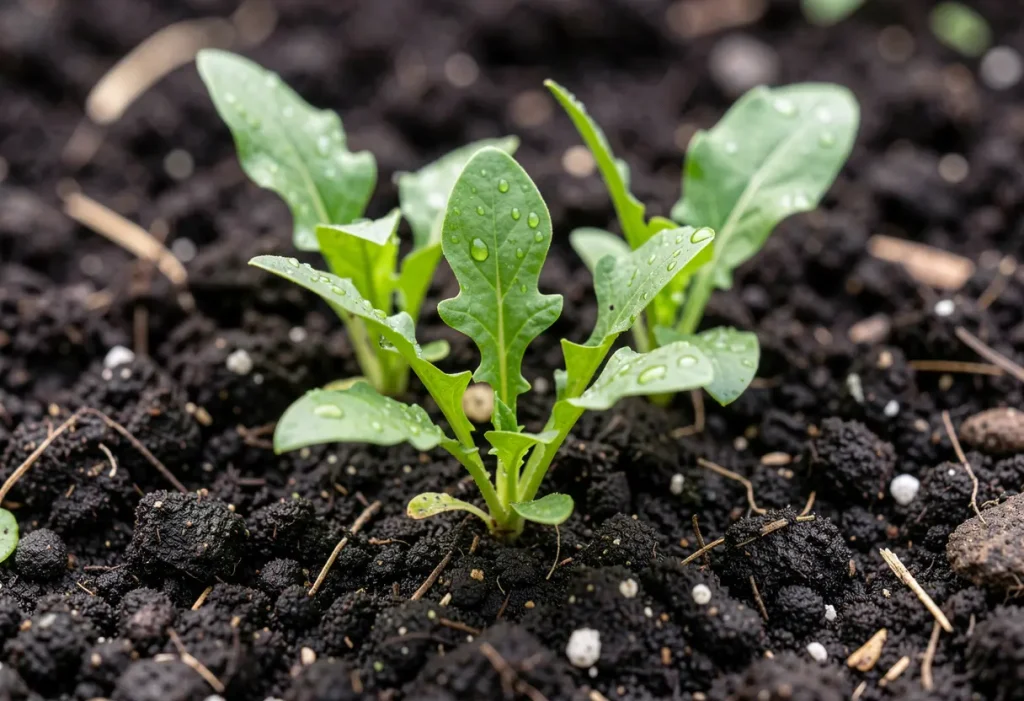
Sowing arugula seeds is the first step to a fresh, peppery harvest. Planting at the right depth and spacing helps the seeds grow strong. Proper watering after planting keeps the soil moist and encourages quick germination. Understanding these basics will improve your chances of growing healthy arugula.
Plant arugula seeds about ¼ inch deep in loose soil. This shallow depth allows seedlings to break through easily. Space seeds 1 inch apart to avoid overcrowding. Rows should be 10 to 12 inches apart for better air flow. Proper spacing prevents disease and gives leaves room to grow.
Water the soil gently right after sowing the seeds. Keep the soil moist but not soaked. Water daily until seeds sprout, usually in 5 to 7 days. After germination, reduce watering to once or twice a week. Consistent moisture helps seedlings develop healthy roots.
Managing the growth and harvest of arugula is key for a healthy, tasty crop. Proper care helps the plants grow strong and ready for picking. Small steps can make a big difference in your garden’s success.
Understanding how to thin seedlings and know the right time to harvest keeps your arugula fresh and full of flavor. These actions also prevent overcrowding and boost overall yield.
Arugula seeds grow quickly and often sprout close together. Thinning means removing some seedlings to give others space. This helps plants get enough air, sunlight, and nutrients.
Thin seedlings when they reach about 2 inches tall. Leave 3 to 4 inches between each plant. Use small scissors or pinch gently to avoid disturbing roots.
Thinning reduces competition and stops plants from becoming weak or crowded. It improves leaf size and taste, making your harvest better.
Pick arugula leaves early for the best flavor. Young leaves are tender and mild with a peppery taste. Wait too long, and the leaves become bitter and tough.
Start harvesting when leaves are 3 to 4 inches long. Use scissors to cut outer leaves first. Leave inner leaves to keep growing for a longer harvest.
Harvest regularly to encourage new growth. Avoid letting the plant flower, as this can make the leaves bitter. Fresh arugula tastes best and lasts longer after picking.
Troubleshooting common issues helps keep arugula healthy and productive. Many gardeners face problems like pests, diseases, and bolting. These issues can reduce leaf quality and yield. Knowing how to handle them improves your harvest.
Arugula attracts pests such as aphids and flea beetles. These insects damage leaves and stunt growth. Use insecticidal soap or neem oil to control pests safely. Remove any affected leaves to stop disease spread. Keep the garden clean and avoid overcrowding plants.
Bolting happens when arugula flowers too early. Hot weather and long days cause this problem. Bolting makes leaves bitter and tough. Plant arugula in cool seasons to avoid bolting. Water regularly and provide some shade during hot days. Harvest leaves early for the best taste.
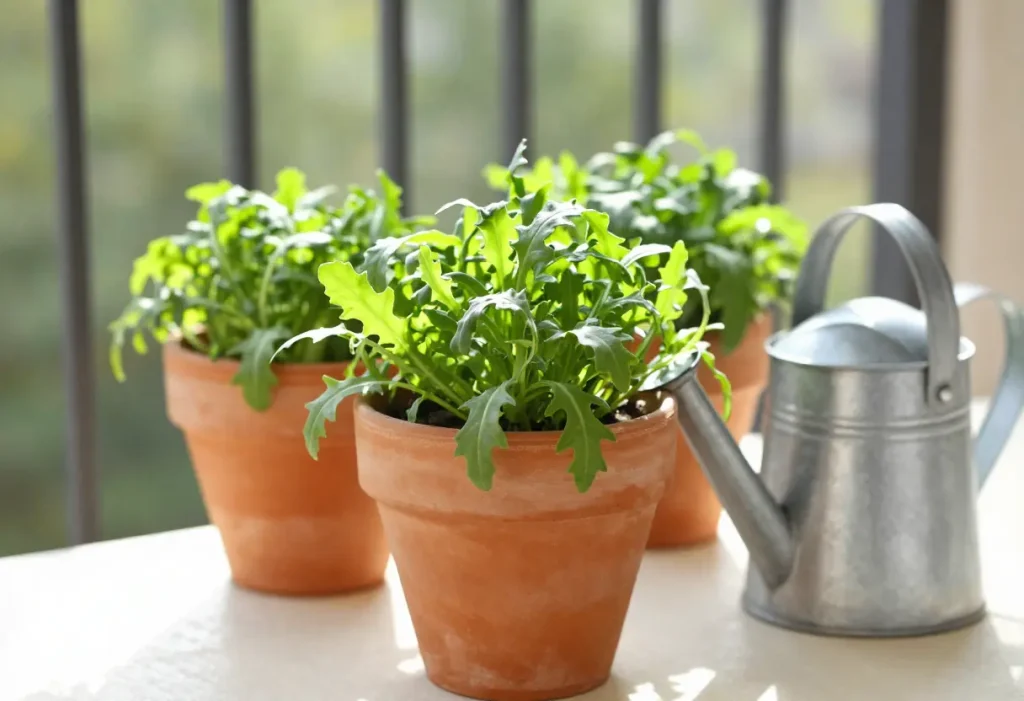
Arugula grows best in cool seasons like spring and fall. Plant it when temperatures are between 45°F and 65°F. This helps leaves stay tender and flavorful.
Arugula usually takes 30 to 40 days to mature. You can start harvesting leaves when they are about 2-3 inches long. Quick growth makes it perfect for fast gardening.
Arugula does not grow well in hot summer or freezing winter. High heat can make it bitter, and frost can kill the plants. Choose cooler months for best results.
Plant arugula seeds every 2 to 3 weeks for continuous harvest. This method is called succession planting. It keeps fresh leaves available for longer periods.
Arugula prefers loose, well-drained soil with a pH of 6. 0 to 7. 0. Rich soil with organic matter helps leaves grow healthy and green. Avoid heavy clay or dry soils.
Plant arugula in cool weather for the best taste and growth. Sow seeds early spring or late summer to avoid heat. Keep soil moist and choose a sunny spot. Harvest leaves young for a tender, peppery flavor. Growing arugula is simple and rewarding.
Enjoy fresh, homegrown greens in salads and dishes. Start planting at the right time and watch your garden thrive.