Gardening Made Simple.
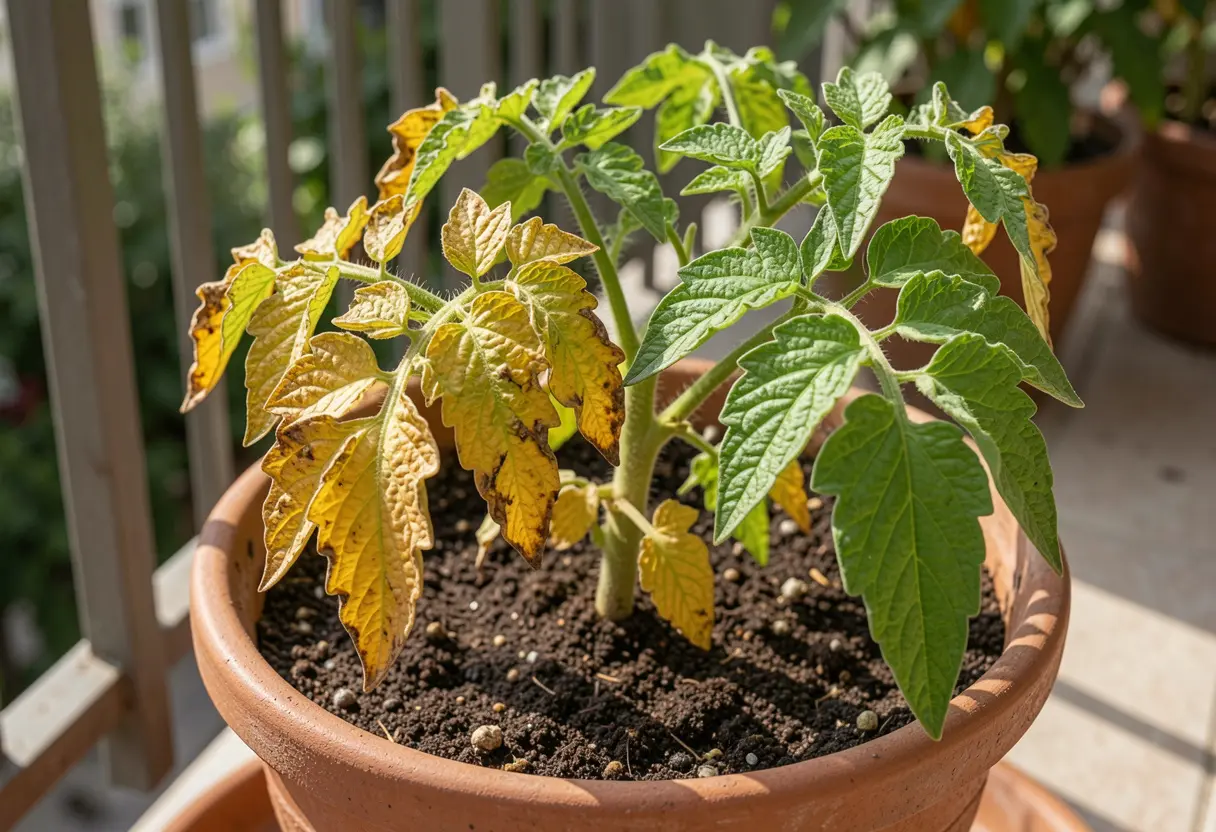
Are you noticing Yellow Leaves on Tomato Plants in Containers and wondering what’s going wrong? Yellowing leaves can be frustrating, especially when you’ve put time and care into growing your tomatoes.
But don’t worry—you’re not alone, and there’s a simple way to fix this. You’ll discover the main reasons behind yellow leaves and learn easy steps to bring your tomato plants back to vibrant health. Keep reading to save your harvest and enjoy juicy, healthy tomatoes soon!
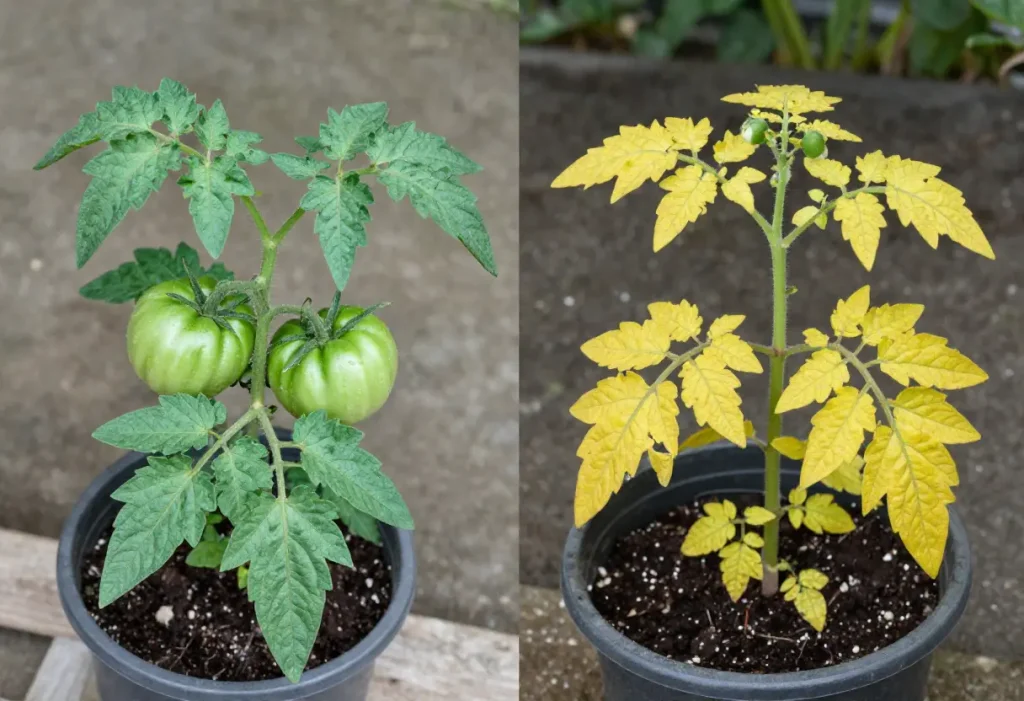
Yellow leaves on tomato plants in containers show a problem. These yellow leaves need attention fast. Several causes lead to yellowing. Knowing these helps keep tomato plants healthy. Below are the most common reasons for yellow leaves.
Water is crucial for tomato plants. Too little water makes leaves dry and yellow. Too much water causes root rot. Roots get less oxygen. Leaves turn yellow and fall off. Water the plants evenly. Check soil moisture before watering again.
Plants need nutrients to stay green and strong. Lack of nitrogen often causes yellow leaves. Magnesium and iron deficiencies also cause yellowing. Use balanced fertilizer to supply needed nutrients. Container soil can lose nutrients fast. Feed plants regularly for best growth.
Pests like aphids and whiteflies suck plant juices. This weakens plants and causes yellow leaves. Diseases like blight and wilt also cause yellowing. Check leaves for spots, holes, or pests. Treat pests with safe insecticides or natural methods. Remove diseased leaves to stop spread.
Too much sun or cold harms tomato plants. Heat stress causes leaf yellowing and wilting. Cold weather slows growth and turns leaves yellow. Wind and dry air dry out leaves. Keep plants in a stable, comfortable environment. Protect from harsh weather conditions.
Yellow leaves on tomato plants in containers signal a problem. Finding the cause helps save your plant. Diagnosing the issue involves simple checks. Focus on soil moisture, pests, light, and nutrients. These steps reveal the root of yellowing leaves.
Soil moisture is a common cause of yellow leaves. Overwatering makes roots wet and oxygen-poor. Underwatering dries roots and stops nutrient flow. Stick your finger 1-2 inches into soil. If it feels dry, water the plant. If wet, allow soil to dry before watering again.
Pests can harm tomato plants and cause yellow leaves. Look under leaves for tiny insects or webs. Aphids, whiteflies, and spider mites attack tomato plants. Use a magnifying glass for a closer look. Remove pests with water spray or insecticidal soap.
Tomato plants need full sun for healthy leaves. Less than 6 hours of sunlight causes yellowing. Too much direct afternoon sun can also stress plants. Move containers to a spot with 6-8 hours of morning sun. Ensure plants get balanced light throughout the day.
Yellow leaves may signal nutrient deficiencies. Nitrogen, magnesium, and iron are crucial for green leaves. Use a soil test kit to check nutrient levels. Add balanced fertilizer or specific nutrients as needed. Avoid over-fertilizing, which can harm roots and leaves.
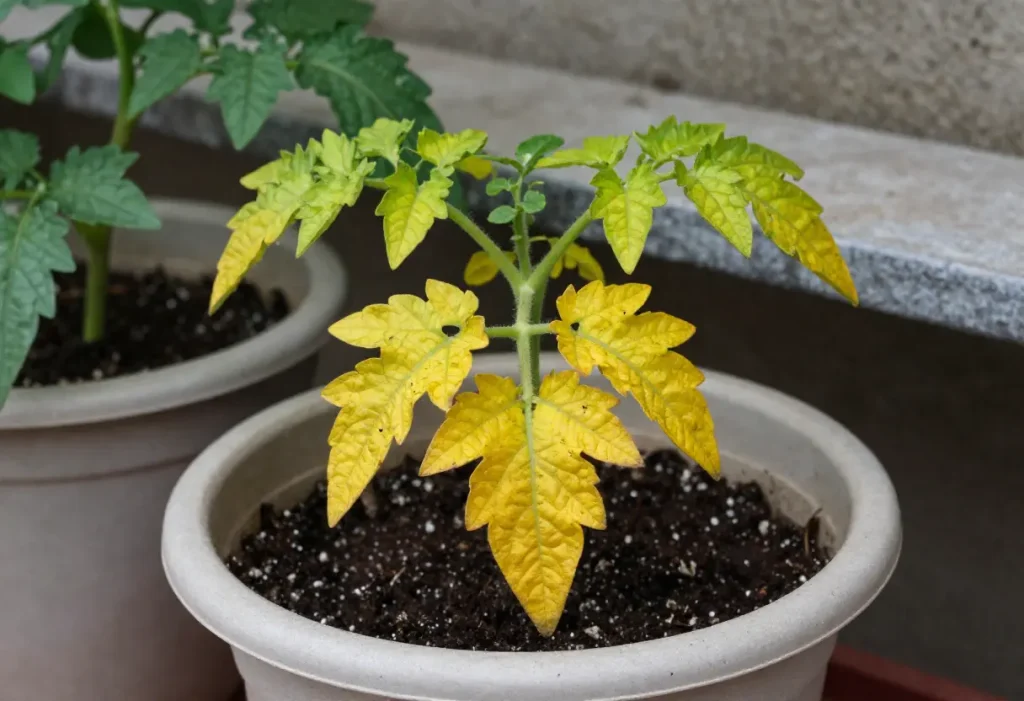
Yellow leaves on tomato plants in containers signal stress. Quick fixes can help your plants recover fast. Acting early improves their health and fruit production. Focus on simple steps that restore balance and vitality.
Overwatering causes root rot and yellow leaves. Underwatering leads to dry soil and weak plants. Check the soil moisture regularly. Water only when the top inch feels dry. Use containers with drainage holes to avoid water buildup.
Tomato plants need nutrients to stay green and strong. Yellow leaves often mean a lack of nitrogen. Use a balanced fertilizer with nitrogen, phosphorus, and potassium. Follow the label instructions to avoid overfeeding. Apply fertilizer every two weeks during growing season.
Pests like aphids and spider mites cause yellowing leaves. Inspect plants often for small bugs or webbing. Spray with insecticidal soap or neem oil. These treatments kill pests without harming plants. Repeat every few days until pests disappear.
Tomato plants need at least six hours of sunlight daily. Move containers to a brighter spot if leaves yellow. Good airflow prevents fungal diseases and helps leaves dry faster. Avoid overcrowding plants to keep air moving well around them.
Yellow leaves on tomato plants in containers show stress or poor care. Preventing this issue helps keep plants healthy and productive. Healthy leaves mean better growth and more tomatoes. Simple care steps avoid yellowing and keep plants strong.
Pick a container with good drainage holes. This stops water from sitting and causing root rot. Size matters. Use a pot at least 12 inches wide. Bigger containers hold more soil and moisture. This supports roots and reduces stress on plants.
Use fresh, well-draining potting mix. Avoid garden soil, which can be heavy and hold water. Good potting mix lets air reach the roots. It also holds enough moisture for the plant. Add compost for nutrients. This mix helps plants stay green and healthy.
Check plants daily for yellow leaves or other signs. Early spotting helps fix problems fast. Look at soil moisture to avoid over or underwatering. Watch for pests or diseases that cause stress. Keep a journal to track plant health and changes.
Trim yellow or dead leaves quickly. This stops disease spread and helps the plant focus energy. Cut lower leaves to improve air flow. Remove suckers between main stem and branches. Pruning keeps plants strong and reduces leaf yellowing.
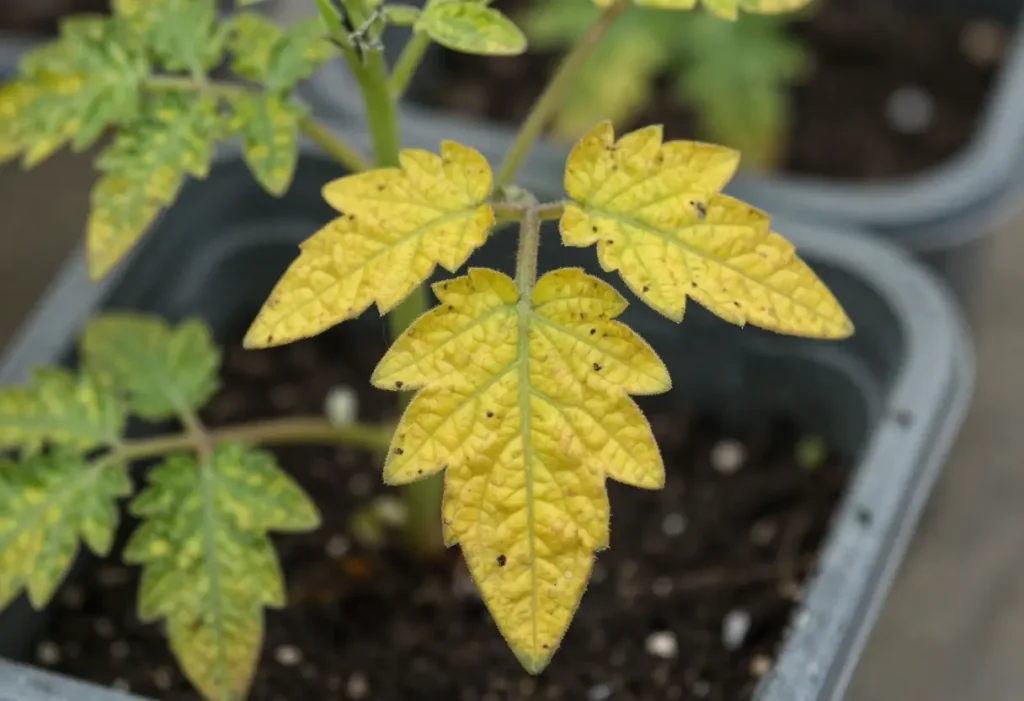
Yellow leaves often mean the plant is stressed from too much or too little water. Poor drainage or nutrient lack can cause this problem too.
Use well-draining soil and water evenly to keep roots healthy. Fertilize regularly with a balanced tomato fertilizer for best results.
Yes, overwatering can drown roots and stop oxygen flow. This stress causes yellow leaves and weak plant growth.
Lack of nitrogen or magnesium often causes yellow leaves. Feeding plants with a complete fertilizer can fix this quickly.
Pests like aphids or spider mites suck sap and damage leaves. This stress makes leaves yellow and weak over time.
Yellow leaves on tomato plants in containers need quick attention. Check watering habits and soil drainage first. Add nutrients if the soil looks weak. Keep plants in good sunlight but avoid too much heat. Watch for pests that harm leaves.
Healthy leaves mean healthy tomatoes. Small steps help your plants grow strong. Keep an eye on your plants every day. Enjoy fresh tomatoes from your container garden soon.