Gardening Made Simple.
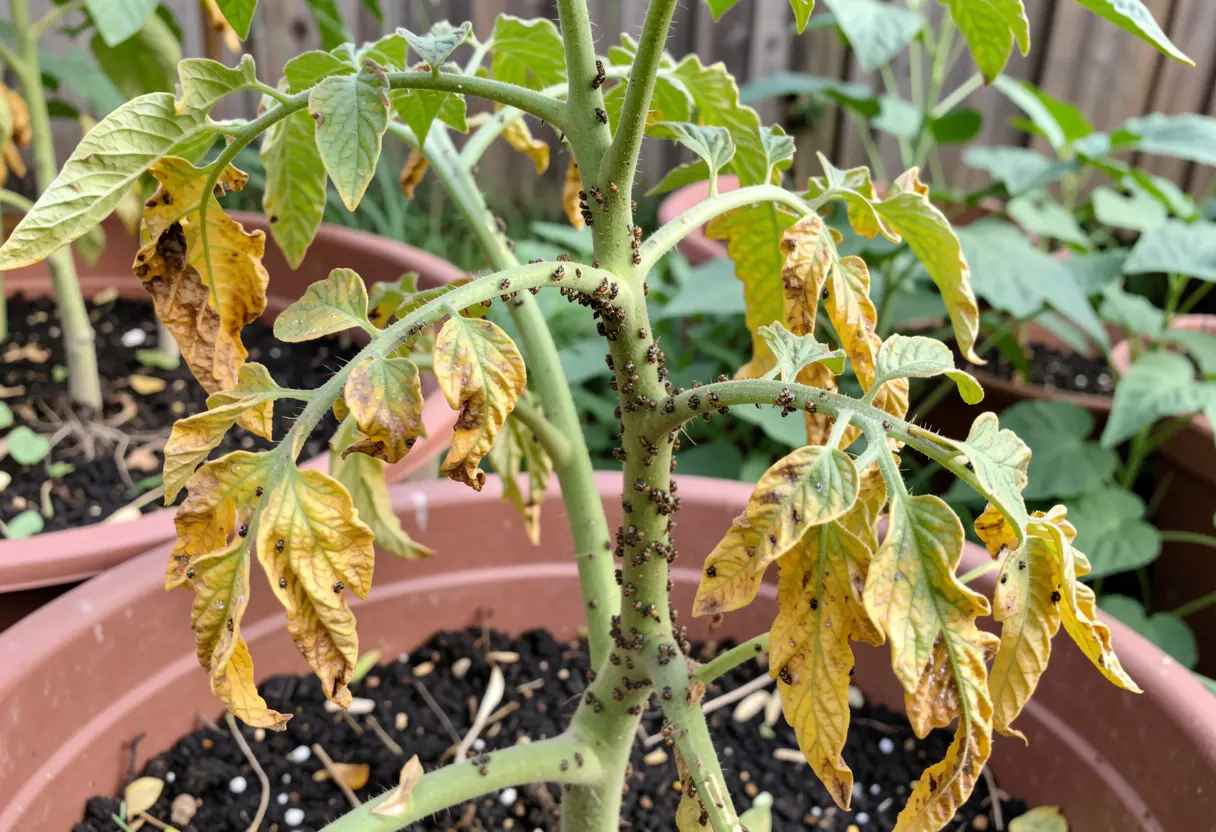
Aphids on Tomato Plants are common pests that can quickly weaken your garden if left unchecked. Are you noticing tiny, green bugs on your tomato plants and wondering what they are? Those little pests could be aphids, and they can rapidly cause damage by sucking sap from leaves, stunting growth, and spreading diseases. Proper identification and early action are key to protecting your plants.
If you want healthy, juicy tomatoes this season, it’s important to act fast. You’ll discover how to spot aphids early, why they’re harmful, and the best ways to get rid of them without harming your plants. Keep reading to protect your tomato plants and enjoy a bountiful harvest!
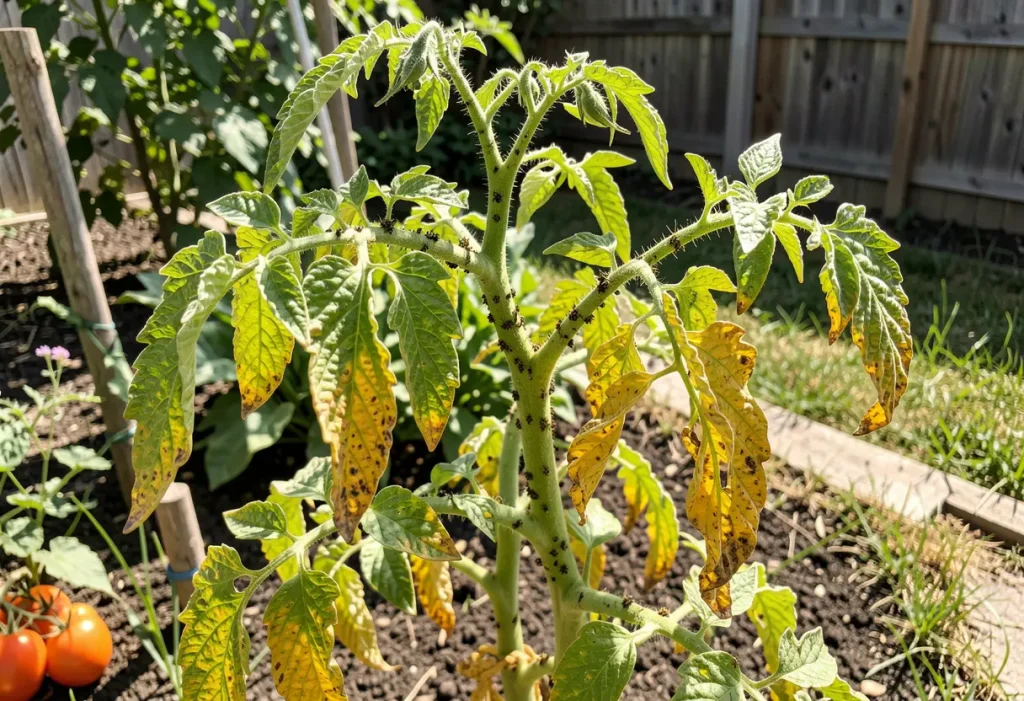
Identifying aphids on tomato plants is key to protecting your garden. These tiny pests can damage leaves and stunt plant growth. Early detection helps stop their spread quickly. Understanding what to look for makes spotting aphids easier. Below are common signs and the types of aphids affecting tomatoes.
Aphids often cluster on the underside of tomato leaves. You may see small green, black, or white insects. Leaves might curl, yellow, or become sticky with honeydew. Sticky leaves attract ants and promote mold growth. Plants may look weak or stop growing well. Tiny holes or spots on leaves can also appear. Watch for these signs regularly to catch aphids early.
The green peach aphid is common on tomatoes. It is small, light green, and pear-shaped. The potato aphid is darker and can carry diseases. The melon aphid is pale green and prefers new leaves. Each type sucks sap from plants, causing damage. Knowing these types helps target treatment effectively.
Aphids pose a serious threat to tomato plants. These tiny insects feed on the plant's sap. This weakens the tomato plant and slows its growth. The damage is often hidden at first. But over time, aphids can cause big problems for your tomatoes.
Understanding why aphids harm tomatoes helps in protecting your garden. They not only damage the plant directly but also spread harmful diseases. This makes controlling aphids a top priority for healthy tomato plants.
Aphids suck the sap from leaves, stems, and fruit. This causes leaves to curl and yellow. The plant loses vital nutrients and water. Aphids also produce a sticky substance called honeydew. Honeydew attracts mold, which can cover leaves and block sunlight. This reduces photosynthesis and weakens the plant. Heavy infestations stunt plant growth and reduce tomato yield.
Aphids carry viruses from one plant to another. These viruses can cause leaf spots, blights, and fruit deformities. The insects spread disease quickly as they move and feed. Once infected, tomato plants struggle to survive. Disease spread by aphids can ruin an entire crop. Controlling aphids helps stop the spread of these harmful diseases.
Aphids are small insects that can harm tomato plants. They suck the plant’s juices and spread diseases. Using natural methods to remove aphids keeps your garden safe and healthy. These ways do not use harsh chemicals. They protect beneficial bugs and the environment.
Some insects eat aphids. Ladybugs are one of the best helpers. They can eat hundreds of aphids daily. Lacewings and parasitic wasps also control aphid numbers. You can buy these insects online or at garden centers. Release them near your tomato plants. They find aphids and reduce their population naturally.
Simple sprays made at home help remove aphids. Mix water with a few drops of dish soap. Spray this solution on the tomato plants. It smothers the aphids and cleans the leaves. Another option is a garlic or neem oil spray. These sprays repel aphids without harming the plant. Spray your plants every few days for best results.
Chemical treatments can help control aphids on tomato plants. They act fast and reduce aphid numbers quickly. Using the right chemicals keeps your plants safe and healthy. Careful choice and correct use of insecticides prevent damage to tomatoes and beneficial insects.
Select insecticides labeled for use on tomatoes. Choose products that target aphids but are gentle on bees and ladybugs. Organic options like neem oil or insecticidal soap work well. Avoid broad-spectrum chemicals that harm useful insects. Always read the label for safety instructions and restrictions.
Spray insecticides during early morning or late evening. This reduces harm to pollinators active during the day. Cover all plant parts, especially the undersides of leaves where aphids hide. Use a fine mist spray to coat aphids without dripping. Repeat treatments as directed, but avoid overuse to prevent resistance.
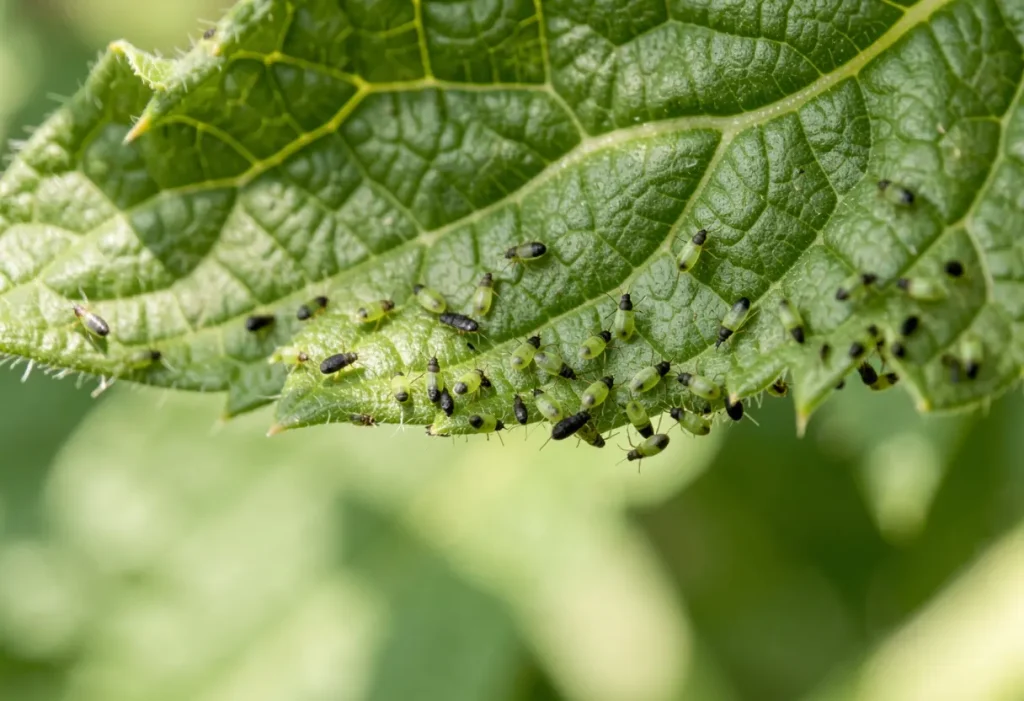
Preventing future aphid infestations on tomato plants helps keep your garden healthy. Stopping aphids before they appear saves time and effort. There are smart gardening methods that reduce aphid problems naturally. These methods support plant growth and protect your harvest.
Crop rotation means changing the plant type each season. This practice confuses aphids and breaks their life cycle. Planting tomatoes in a different spot each year lowers pest buildup.
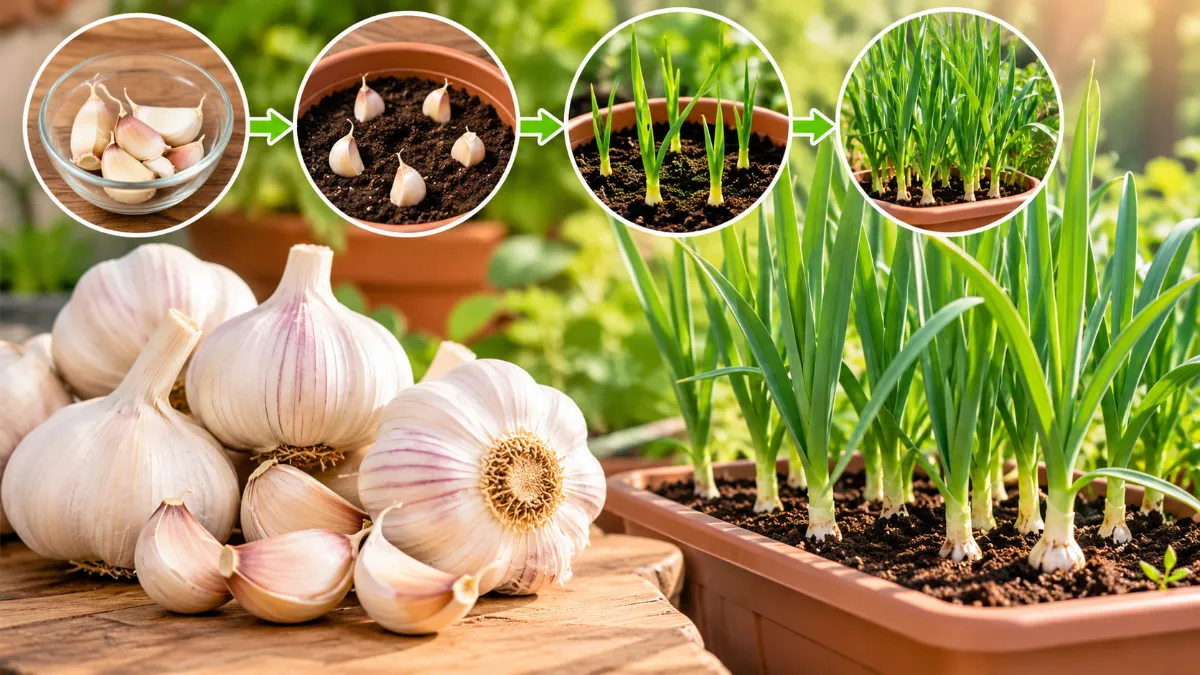
Companion planting uses certain plants to repel aphids. Marigolds and garlic are good choices near tomatoes. These plants send signals that aphids dislike. They also attract beneficial insects that eat aphids.
Healthy tomato plants resist aphids better. Water plants regularly but avoid overwatering. Strong plants grow thick leaves that aphids find hard to eat.
Use balanced fertilizer to feed tomatoes well. Weak plants attract more pests. Regularly check plants for early aphid signs. Early action stops infestations from spreading.
Monitoring and early detection are key to protecting tomato plants from aphids. These tiny pests multiply quickly and can cause serious damage if not caught early. Regular checks help spot aphids before they spread widely.
Early detection allows gardeners to act fast. This stops aphids from harming leaves, stems, and fruits. Careful observation saves plants and improves harvest quality.
Check tomato plants at least twice a week. Look closely under leaves and around new growth. Aphids often gather in clusters and are easy to miss at first glance.
Use a magnifying glass to see tiny aphids clearly. Watch for sticky residue and curled leaves, signs of aphid feeding. Pay special attention to the plant’s undersides and stems.
Sticky traps capture flying aphids and help measure their numbers. Place yellow sticky cards near tomato plants. Count trapped aphids weekly to track population changes.
A simple hand lens helps spot aphids early. Use it during regular inspections. Keep a garden journal to note aphid sightings and plant health. This record shows trends and guides treatment timing.
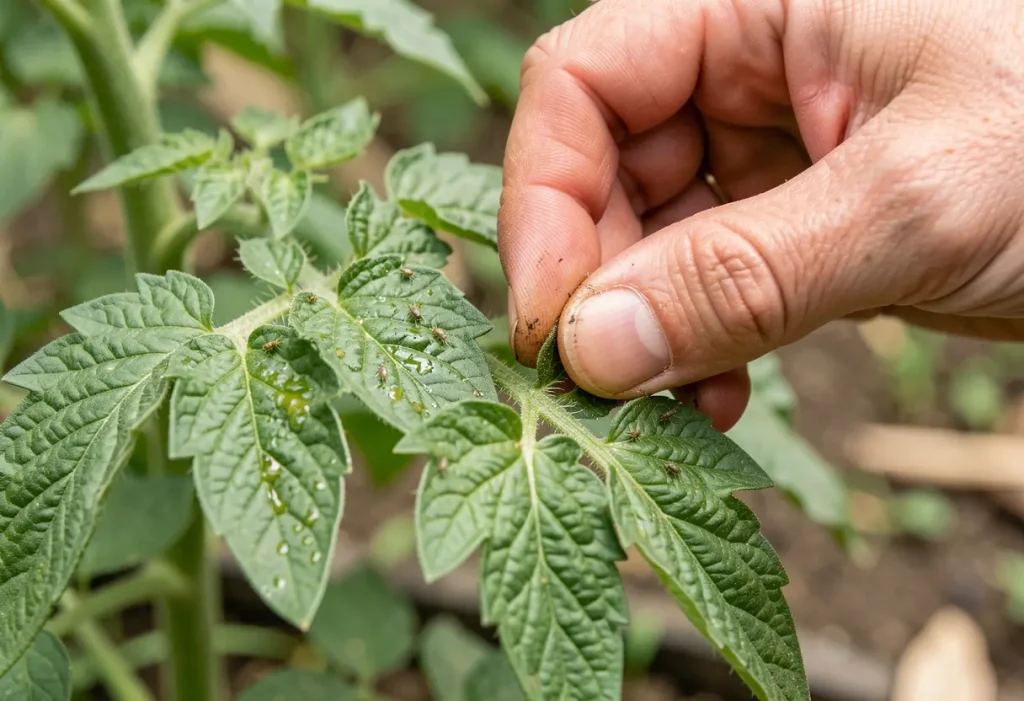
Aphids are small insects that suck sap from tomato plants, causing leaves to curl and stunt growth.
Look for clusters of tiny green, yellow, or black bugs on new leaves and sticky residue on plants.
Introduce ladybugs, spray soapy water, or use neem oil to reduce aphid numbers safely.
Aphids mainly harm leaves and stems but can spread viruses that affect fruit quality.
Inspect plants weekly, especially during warm weather when aphids multiply quickly.
Aphids can harm your tomato plants quickly. Watch your plants often for tiny bugs. Use simple methods like water spray or natural predators. Healthy plants resist pests better and grow strong. Keep soil clean and avoid overwatering. Small steps protect your garden from aphids.
Stay patient and consistent to see results. Your tomatoes will thank you with better growth. Gardening takes care and attention every day. Enjoy the process and learn as you go.