Gardening Made Simple.
Are you ready to take your basil growing skills to the next level? How to Harvest Basil Seeds is easier than you think, and it can save you money while giving you fresh, homegrown herbs year after year.
Imagine having a steady supply of basil right from your garden or windowsill—seeds that are ready to plant whenever you want. In this guide, you’ll discover simple steps to collect and store basil seeds perfectly. Keep reading, and you’ll unlock the secret to growing your own basil garden from scratch!
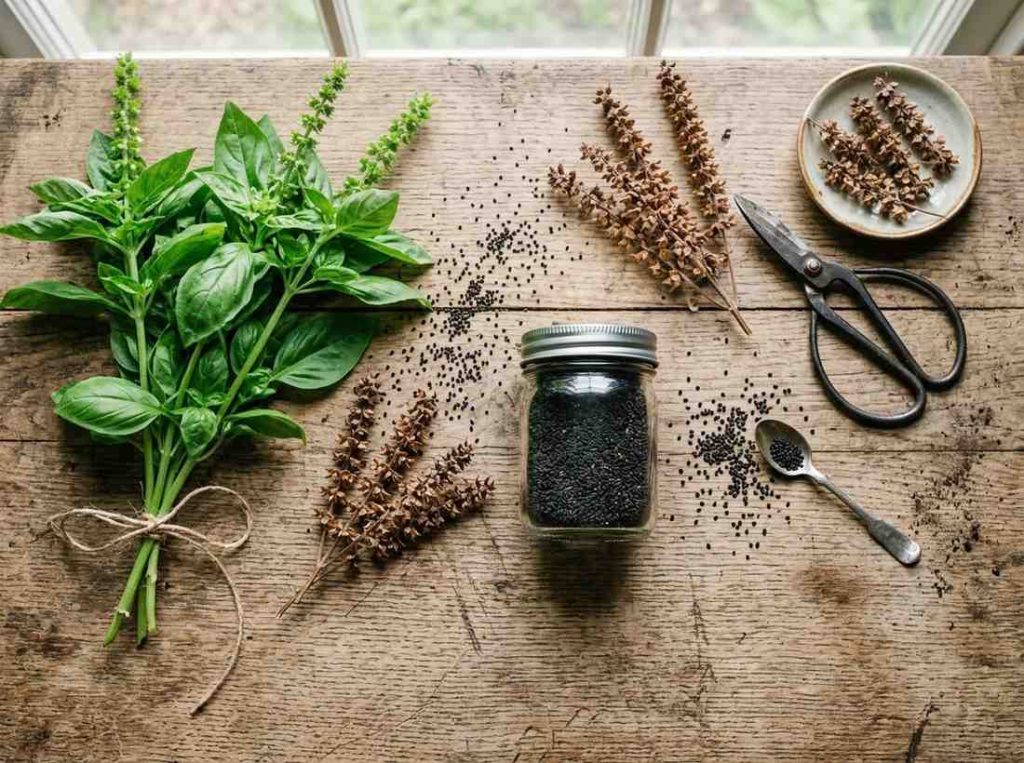
Choosing the right basil plants is key for a good seed harvest. Healthy plants produce strong seeds that grow well. Not all basil plants are good for seeds. Picking the best ones saves time and effort later.
Look for plants with good leaves and no signs of disease. The right timing also matters. Seeds must be fully mature to be useful. Watch your basil plants closely for the best moment.
Select basil plants with dark green, vibrant leaves. Avoid plants with yellow spots or wilting leaves. Strong stems and fresh smell show healthy growth. A healthy plant has a better chance to produce quality seeds.
Choose plants that have not been sprayed with chemicals. Seeds from organic plants are safer and healthier. Pick plants that grow in good soil and get enough sun.
Wait until basil flowers turn brown and dry. This means seeds inside are mature and ready. Seeds look small, black, and hard when ripe. Do not pick too early or seeds won't grow well.
Check plants daily as seeds can mature quickly. Harvest seeds before strong wind or rain can scatter them. Proper timing keeps seeds safe and viable for planting.
Preparing to collect basil seeds takes some care. You must know what to look for and have the right tools ready. This helps you gather healthy seeds for your next planting.
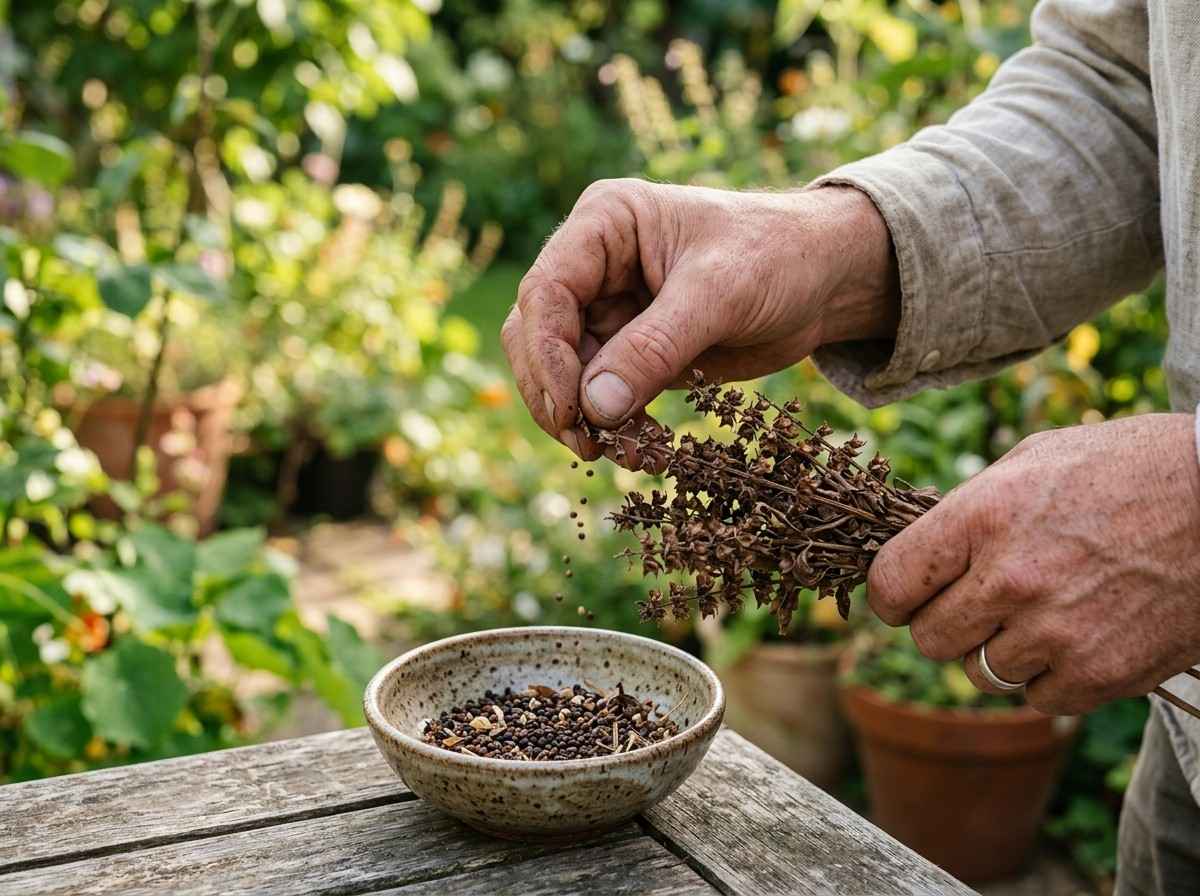
Look for basil flowers that have dried out. Seed heads form after the flowers fade. They turn brown or tan and feel hard. Avoid green or fresh flowers. These seeds are not ready yet. Wait until the seed heads are fully dry on the plant.
Use small scissors or garden shears to cut seed heads. Have a paper bag or envelope to store the seeds. Avoid plastic bags; they can trap moisture. A clean bowl helps separate seeds from chaff. Keep everything dry and clean to protect seed quality.
Harvesting basil seeds is a simple way to grow your own basil plants year after year. The process starts when the basil flowers fade and produce seeds. Collecting these seeds helps you save money and ensures you have fresh, healthy plants.
Seeds must be fully dry before storing. This keeps them from molding or rotting. Proper drying also improves seed longevity and germination success.
Wait until the basil flowers turn brown and dry. Use sharp scissors or garden shears to cut the seed stalks. Cut the stalks about 4 to 6 inches long. Handle them gently to avoid losing seeds. Place the cut stalks in a paper bag or a clean container.
Keep the seed stalks in a warm, dry place. Avoid direct sunlight to prevent seed damage. Let them dry for about two weeks. Once dry, rub the seed heads between your fingers. This releases the tiny black seeds. Remove any plant debris. Store seeds in a cool, dry container until planting season.
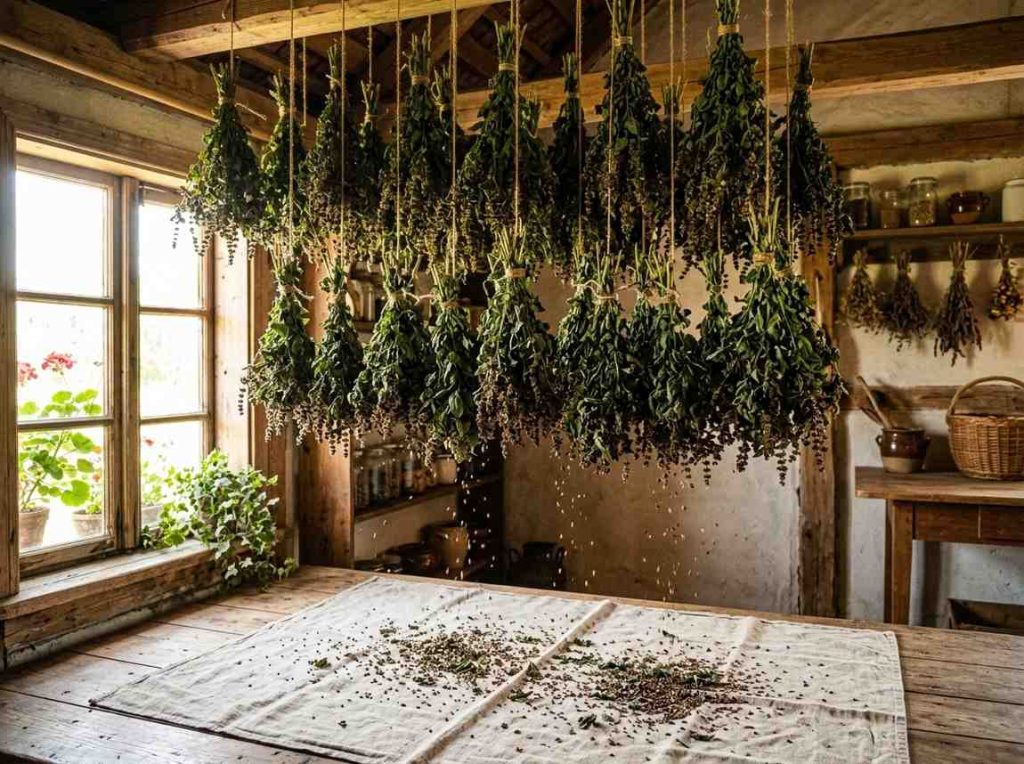
Extracting and cleaning basil seeds is an important step for successful planting. Proper handling keeps seeds healthy and ready to grow. This process involves carefully removing seeds from the flower heads and cleaning them to remove debris. Clean seeds store better and sprout faster in the soil.
Wait until basil flower heads turn dry and brown. Gently crush the heads over a bowl. The tiny seeds will fall out easily. Use your fingers to separate seeds from the plant parts. Avoid using water at this stage. Handle seeds with care to prevent damage.
Place the seeds in a fine mesh sieve. Shake gently to remove dust and small pieces. Blow lightly on the seeds to separate lighter chaff. Repeat until only clean seeds remain. Store seeds in a dry, cool place for future use.
Storing basil seeds properly keeps them fresh and ready for planting. Seeds last longer when stored in the right way. You can avoid mold, pests, and early sprouting with good storage. Follow simple steps to protect your basil seeds for months or even years.
Pick small containers that seal tightly. Glass jars with lids work well. Plastic containers with snap-on tops are also good. Avoid containers that let air or moisture inside. Paper envelopes are not best for long storage. Label each container with the seed type and date.
Store basil seeds in a cool, dark place. A temperature between 40°F and 50°F is best. Keep seeds away from sunlight and heat sources. Moisture can spoil seeds quickly. Use silica gel packets or dry rice to absorb extra moisture. Check containers occasionally to ensure seeds stay dry and safe.
Harvesting basil seeds is simple, but better seed yield takes care and attention. Small actions can improve how many seeds your basil plants produce. Healthy plants and a longer growing season help seeds grow strong and plentiful.
Start with good soil. Basil needs well-drained, rich soil to grow well. Water plants regularly but avoid soaking the soil. Too much water can harm the roots. Check leaves for pests or diseases. Remove any damaged parts to keep the plant strong. Use natural fertilizer to feed the basil. Healthy plants make more flowers and seeds.
Harvest basil seeds late in the season after flowers dry. Protect plants from early frost by covering them. Move pots indoors if needed to keep growing. Prune plants lightly to encourage new flower growth. More flowers mean more seeds. Starting seeds early indoors can also lengthen your harvest time.
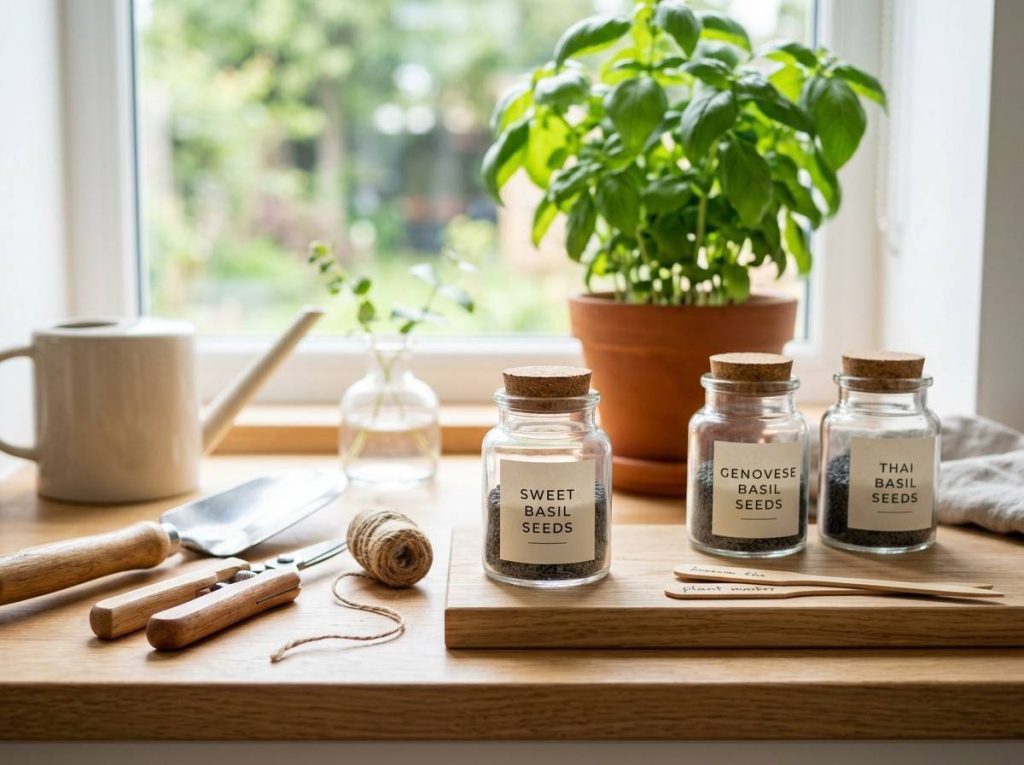
Basil seeds are ready when seed pods turn brown and dry. The plant stops flowering and the pods become brittle. This means the seeds are mature.
Cut the seed heads and place them in a paper bag. Let them dry completely for a few days. Then gently crush the pods to release seeds.
Store basil seeds in a cool, dry place in an airtight container. Avoid moisture and direct sunlight to keep seeds viable. Proper storage helps seeds last longer.
Most basil varieties produce seeds, but sweet basil is most common for harvesting. Some types may have fewer seeds or different seed sizes. Check your plant’s seed pods.
Basil seeds stay viable for about 3 to 5 years if stored well. Older seeds may still grow but with lower success rates. Use fresh seeds for best results.
Harvesting basil seeds is simple and rewarding. Wait until the flowers dry and turn brown. Gently collect the tiny seeds from the flower heads. Store them in a cool, dry place for best results. Plant seeds next season for fresh basil plants.
This process helps you grow basil at home easily. Enjoy fresh herbs anytime by saving your own seeds. Growing basil from seeds saves money and feels satisfying. Try it yourself and watch your garden grow!