Gardening Made Simple.
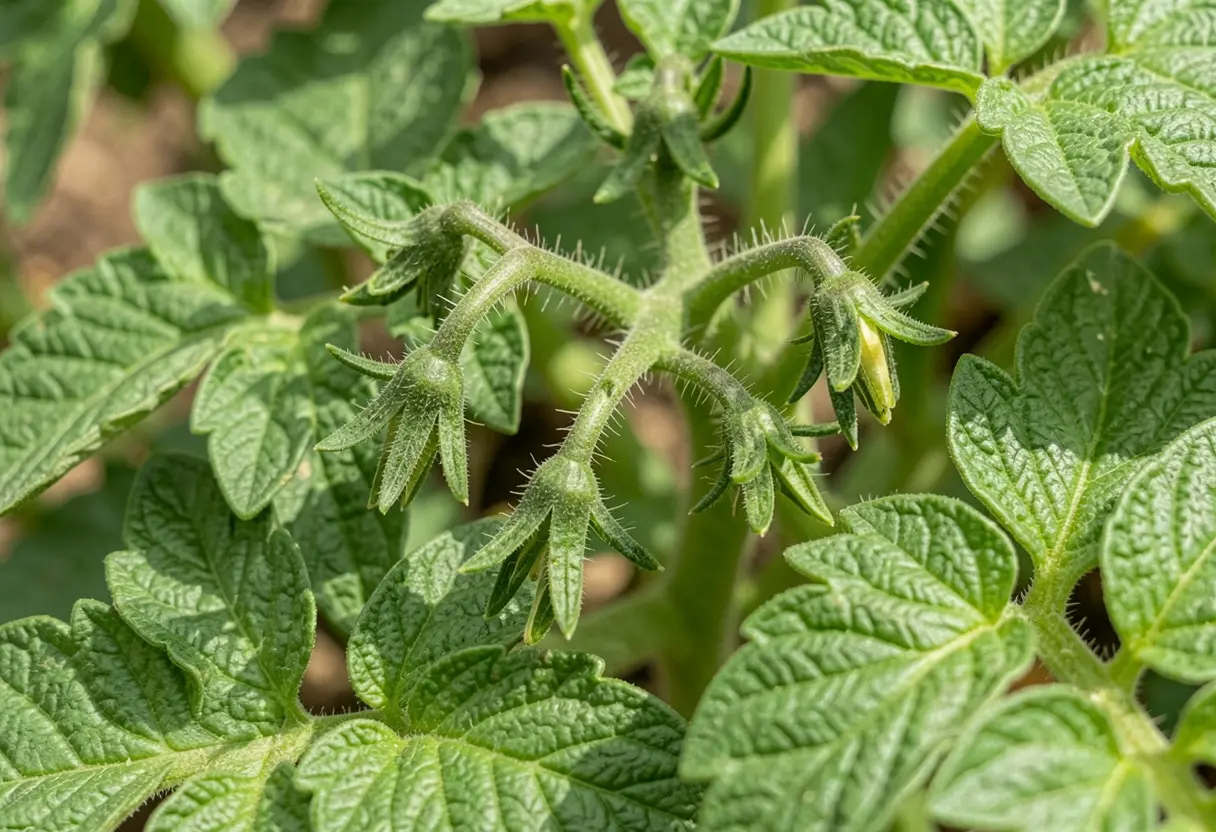
Are you growing Early Girl tomatoes but frustrated because your plants aren’t flowering? You’re not alone. If you're dealing with Early Girl Tomato Not Flowering, there are several common reasons behind it—and the good news is, most of them are easy to fix.
When your tomato plants fail to bloom, it can feel like all your hard work is going to waste. But don’t give up just yet. Understanding why your Early Girl tomato isn’t flowering is the first step to turning things around.
In this post, you’ll discover simple, effective tips to get your plants blooming and on track for a bountiful harvest. Keep reading, and soon you’ll see those green buds transform into vibrant flowers—and eventually, delicious tomatoes.

Early Girl tomatoes are popular for their quick harvest. Flowering is a key step before fruit appears. Sometimes, these plants do not produce flowers. This issue frustrates many gardeners. Understanding common causes helps fix the problem. The reasons often relate to care and environment. Here are key factors that stop Early Girl tomatoes from flowering.
Tomatoes need at least six hours of sunlight daily. Less sun weakens the plant. Flower production slows or stops completely. Shade from trees or buildings can block light. Moving plants to a sunnier spot often helps. Sunlight fuels growth and flower development.
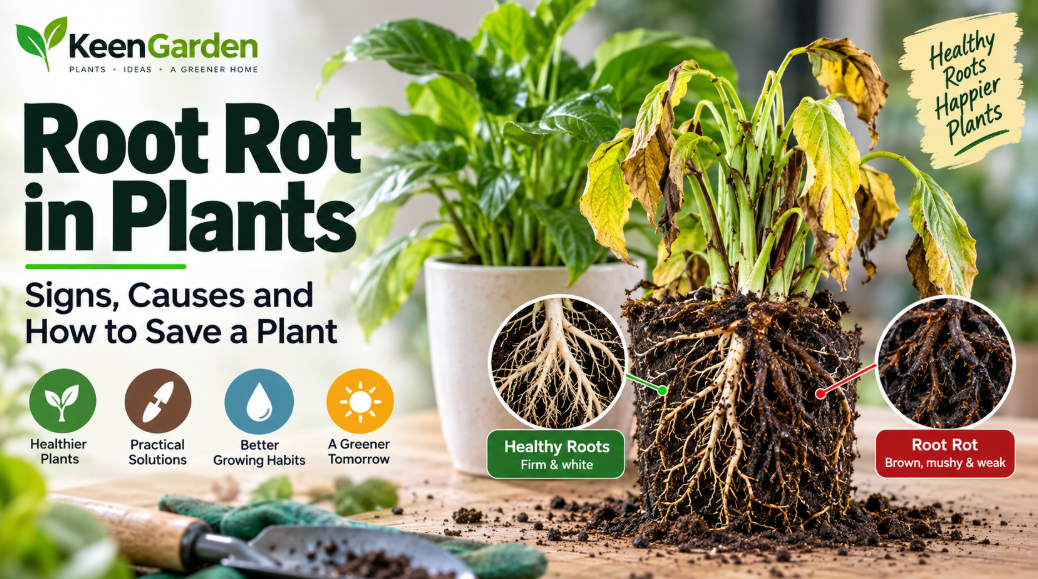
Too much water harms tomato roots. Constant wet soil causes stress and root rot. Plants focus on survival, not flowering. Soil should dry slightly between watering. Proper watering supports healthy flowers and fruit.
Tomatoes need balanced nutrients for flowers. Excess nitrogen causes lush leaves but few flowers. Lack of phosphorus limits bloom growth. Use fertilizer with correct nutrient ratios. Feeding plants properly encourages flower formation.
Extreme temperatures affect tomato flowering. Too hot or too cold disrupts buds. Ideal daytime temps are 70 to 85°F. Night temps should stay above 55°F. Protect plants from frost and heat waves. Stable temperature helps flowers develop well.
Wrong pruning can remove flower buds. Cutting too much delays blooming. Removing suckers carefully improves airflow and growth. Learn correct pruning times and methods. Proper trimming encourages more flowers and fruits.
Preparing the soil correctly helps Early Girl tomatoes grow strong and healthy. Good soil gives plants the nutrients they need to flower and produce fruit. Poor soil can stop flowers from forming, which means fewer tomatoes. Follow these simple soil preparation tips to support your tomato plants.
Early Girl tomatoes grow best in loose, well-drained soil. Clay soils hold too much water and can cause root problems. Sandy soils drain quickly but may not hold enough nutrients. A mix of sand, silt, and clay, called loam, works best. This type of soil allows roots to breathe and access water easily.
Organic matter improves soil texture and fertility. Compost, aged manure, or leaf mold are great choices. Spread a 2-3 inch layer on the soil surface and mix it in well. Organic matter helps soil hold moisture and nutrients longer. It also encourages beneficial microbes that help plants grow.
Soil pH affects how well plants absorb nutrients. Early Girl tomatoes prefer a pH between 6.0 and 6.8. Test soil pH with a simple kit or send a sample to a lab. If soil is too acidic, add lime to raise the pH. If soil is too alkaline, add sulfur to lower it. Proper pH keeps nutrients available for healthy flowering.
Watering plays a key role in helping Early Girl tomatoes start flowering. Proper water helps the plant grow strong and healthy. It also supports flower development. Too much or too little water can stop flowers from forming. Follow smart watering strategies to encourage blooms.
Water Early Girl tomatoes at the same time each day. Early morning is best for watering. This allows leaves to dry and reduces disease risk. Keep soil moist but not wet. Use a small amount of water regularly. Avoid letting the soil dry out completely.
Too much water can harm tomato plants. Waterlogging causes roots to rot and prevents oxygen flow. Check soil drainage before watering. Use pots or raised beds if soil is heavy clay. Water deeply but less often to avoid puddles. Stop watering if the soil feels soggy.
Mulch helps keep soil moisture steady. It reduces water evaporation and keeps soil cool. Spread organic mulch like straw or leaves around the plant base. Mulch also stops weeds that compete for water. Replenish mulch as it breaks down to keep moisture levels stable.

Fertilizing plays a key role in helping Early Girl tomatoes produce flowers. Without proper nutrients, plants may grow leaves but fail to flower. The right fertilizer encourages healthy flower growth and boosts fruit production. Understanding how to fertilize correctly can solve flowering problems effectively.
Choose a fertilizer rich in phosphorus for flower growth. Phosphorus supports strong buds and blooms. Look for fertilizers labeled with a higher middle number, such as 5-10-5. Avoid high nitrogen fertilizers that encourage leaf growth over flowers. Organic options like bone meal or fish bone fertilizer work well too.
Apply fertilizer when plants start to grow flowers. Early feeding supports bud development. Avoid fertilizing too early, as it promotes leaf growth. Feed again after the first flowers appear to boost fruit set. Regular feeding every two to three weeks keeps plants healthy and flowering.
Balance nitrogen and phosphorus for best results. Too much nitrogen causes leafy plants with few flowers. Too little nitrogen can stunt growth. Aim for a balanced fertilizer with slightly more phosphorus. This mix encourages both healthy leaves and strong flowers. Proper balance means better tomato yields.
Managing temperature and light is key to helping Early Girl tomatoes produce flowers. These plants need the right balance of warmth and sunlight. Too much heat or too little light can stop flowering. Understanding how to control these factors supports healthy growth and fruit production.
Early Girl tomatoes struggle in very hot weather. Temperatures above 85°F can stop flowers from forming. Protect plants by watering deeply early in the morning. Use mulch to keep soil cool. Move potted plants to shaded spots during heat waves.
These tomatoes need at least six hours of direct sunlight daily. Place plants where they get full sun, like south-facing gardens. Trim nearby bushes or branches that block light. More sun helps plants grow strong and flower well.
Shade cloth reduces heat without blocking all sunlight. Use it during the hottest part of the day. A cloth with 30-50% shade works well. This keeps plants cooler and prevents flower drop. Remove the cloth after temperatures cool down.
Proper pruning is key to helping Early Girl tomatoes bloom. It removes extra growth that wastes the plant’s energy. Pruning helps the plant focus on making flowers and fruits. It also keeps the plant healthy and strong.
Suckers grow between the main stem and branches. They take energy from flowers and fruits. Cut suckers off when they are small. Use clean scissors or pinch them with fingers. Removing suckers helps the plant grow better flowers.
Too many leaves block sunlight from flowers. Trim some leaves to let more light reach the plant. Cut leaves near the bottom and inside parts of the plant. Do not remove too many leaves at once. This balance keeps the plant healthy and blooming.
Good air flow stops diseases and helps flowers grow. Prune crowded branches to open the plant. Space leaves and stems apart by trimming. Air circulation keeps the plant dry and strong. Strong plants bloom more flowers and produce more fruit.
Pest and disease control plays a key role in helping Early Girl tomato plants produce flowers. Pests and diseases can stress the plant and stop it from flowering. Healthy plants grow better and give a good harvest. Knowing how to spot and manage pests and diseases keeps your tomato plants strong. This section covers common pests, natural ways to treat them, and how to prevent fungal infections.
Look for small insects on leaves and stems. Aphids are tiny and green or black. They suck sap from the plant and cause leaves to curl. Whiteflies are small white bugs that fly up when touched. Spider mites are tiny and create fine webs on leaves. Caterpillars chew holes in leaves and fruit. Early detection helps stop damage before it spreads.
Use insecticidal soap or neem oil to control pests. Spray the solution on affected parts of the plant. Introduce ladybugs or lacewings; they eat harmful insects. Remove heavily infested leaves to reduce pests. Keep the garden clean and free of weeds where pests hide. These methods protect plants without harmful chemicals.
Fungal diseases can stop flowering and damage plants. Avoid wetting leaves when watering. Water the base of the plant early in the day. Space plants properly to allow air circulation. Remove any infected leaves or plants immediately. Use mulch to keep soil moisture steady and prevent fungus spread.
Speeding up flowering in Early Girl tomatoes requires some extra care. You can try simple methods that help flowers appear sooner. These tips focus on improving plant health and encouraging blooms.
Growth hormones can boost flower development in tomato plants. Applying a natural hormone like gibberellin helps trigger flowering. Use the hormone carefully and follow the product instructions. Avoid overusing, as it can harm the plant.
Hormones work best when plants are healthy and growing well. Combine this method with good watering and feeding for best results.
Plants need space to grow flowers properly. Crowded Early Girl tomatoes get less light and air. This slows down flowering and increases disease risk.
Leave about 18-24 inches between each plant. This spacing allows better airflow and sunlight. It helps flowers form faster and plants stay strong.
Check your tomato plants often for signs of stress or pests. Healthy plants flower more quickly. Remove any damaged leaves or stems to keep plants healthy.
Water your tomatoes consistently but avoid waterlogging. Feed them with balanced fertilizer to support growth. Regular care creates the best conditions for early flowering.

Lack of sunlight or too much nitrogen can stop flowers from growing. Tomatoes need 6-8 hours of sun daily. Balanced fertilizer helps flower development.
Early Girl tomatoes usually bloom 40-50 days after planting. Warm soil and good care speed up flowering. Cold or stress delays flowers.
Yes, overwatering causes root problems and weak plants. Tomatoes need moist but not soggy soil for flowers. Water deeply, less often.
Pruning can help by improving air flow and light reach. Removing suckers focuses energy on flower and fruit growth. Avoid heavy pruning.
Ideal temperature is 70-85°F (21-29°C) during the day. Too hot or cold weather stops flowering. Keep plants in stable, warm spots.
Early Girl tomatoes need the right care to start flowering. Check sunlight, water, and soil regularly. Avoid too much fertilizer or stress on the plants. Patience is key; flowers will appear soon with proper care. Keep watching your plants grow day by day.
Small changes make a big difference in blooming. Enjoy the process and soon, tasty tomatoes will come. Growing tomatoes can be simple and fun. Stay consistent, and your garden will reward you.