Gardening Made Simple.
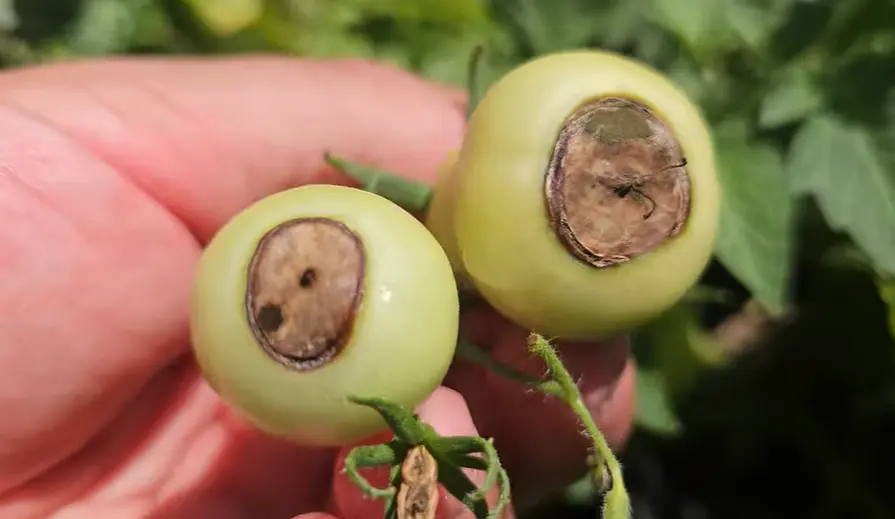
Are you frustrated to see your tomato plants struggling with ugly, sunken spots at the blossom end of the fruit? Blossom end rot can quickly ruin your harvest and leave you wondering how to save your tomatoes without harsh chemicals. A simple Tomato Blossom End Rot Home Remedy can help restore plant health and protect your crop for a better harvest.
The good news is, you don’t have to give up on your garden. You’ll discover simple, effective home remedies that can help you stop blossom end rot in its tracks. Keep reading, and you’ll learn easy steps to protect your tomatoes and enjoy a healthy, bountiful crop this season.
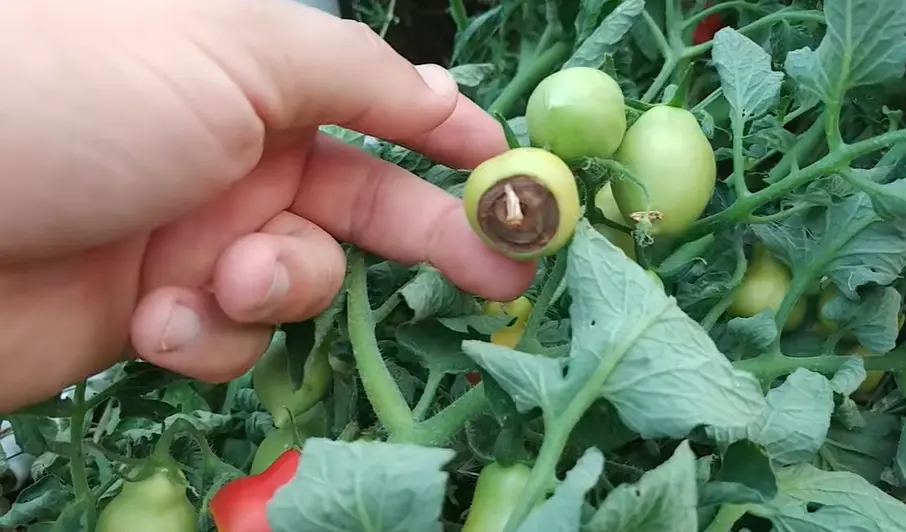
Blossom end rot is a common problem in tomato plants. It causes dark, sunken spots at the fruit's bottom. Understanding its causes helps prevent damage and keep tomatoes healthy. Several factors can trigger this condition. Knowing these will guide you in caring for your plants properly.
Calcium is essential for tomato fruit development. Lack of calcium weakens cell walls. This leads to the soft, brown spots seen in blossom end rot. Even if soil has calcium, plants may not absorb enough. Rapid growth or uneven watering can block calcium movement.
Inconsistent watering causes stress to tomato plants. Dry spells followed by heavy watering disrupt calcium uptake. Soil moisture should stay even and steady. Too much water washes away nutrients. Too little water stops nutrient flow. Both extremes contribute to blossom end rot.
Soil pH affects nutrient availability for plants. Tomatoes prefer a pH between 6.0 and 6.8. If pH is too low or too high, calcium becomes less available. This causes deficiency symptoms, including blossom end rot. Testing soil pH helps maintain the right balance.
Identifying symptoms early helps save your tomato plants from Blossom End Rot. Catching signs quickly allows you to treat plants before damage spreads. Early detection improves fruit health and yield. Watch your plants closely for subtle changes. These signs often appear before the rot worsens.
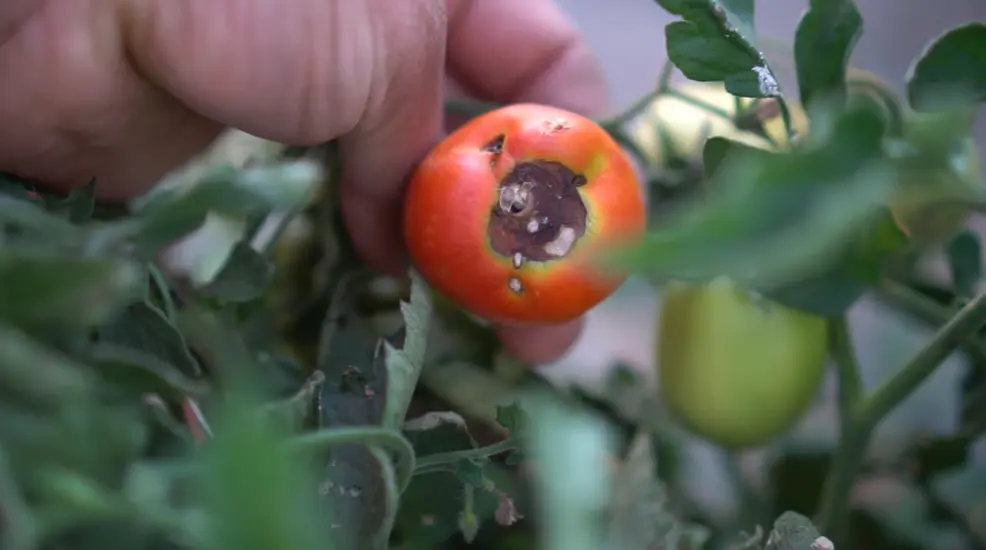
Dark lesions appear as small, sunken spots on tomato bottoms. They start as water-soaked marks and turn black or brown. These spots grow larger over time if untreated. Check the fruit daily, especially during hot, dry weather. Early dark lesions signal calcium deficiency or uneven watering. Treating these spots early stops spread and saves the fruit.
Deformed fruit often shows uneven shapes or sunken areas near the bottom. These changes happen because cells die from lack of calcium. Fruits may look shriveled or cracked. Notice if tomatoes stop growing normally or feel hard at the blossom end. Deformation indicates early Blossom End Rot. Catching these signs helps you fix the problem fast.
Adjusting watering habits can help stop blossom end rot in tomato plants. This problem often happens because the plant does not get the right amount of water. Changing how you water can keep your tomatoes healthy and strong.
Tomato plants need steady moisture in the soil. Dry spells can cause calcium to stop moving inside the plant. Water the plants regularly to keep the soil evenly moist. Use a watering can or hose with a gentle spray.
Check the soil often. It should feel damp but not soggy. Water deeply so roots grow strong and healthy. Consistency helps prevent the dry spots that lead to blossom end rot.
Too much water can hurt tomato plants as much as too little. Overwatering can wash away nutrients, including calcium. It can also cause root problems and stop the plant from absorbing minerals.
Water only when the top inch of soil feels dry. Use good drainage in pots and garden beds. Standing water or soggy soil can make the problem worse. Balance is the key to healthy tomatoes and no blossom end rot.
Improving soil calcium helps prevent blossom end rot in tomatoes. This condition happens when plants lack calcium. Adding calcium to soil supports strong cell walls and healthy fruit growth. You can improve soil calcium with easy home remedies. These methods boost calcium naturally and keep your plants healthy.
Calcium supplements are a quick way to add calcium to soil. You can buy these supplements at garden stores. Follow the instructions on the package for best results. Calcium nitrate is a popular choice. It dissolves easily and reaches plant roots fast. Applying supplements regularly helps keep calcium levels steady. This reduces the chance of blossom end rot.
Crushed eggshells provide a natural source of calcium. Rinse eggshells and let them dry. Crush them into small pieces or powder. Mix the crushed shells into the soil around tomato plants. Over time, eggshells break down and release calcium slowly. This method improves soil health without chemicals. It’s a safe and eco-friendly way to add calcium.
Balancing soil pH is key to preventing tomato blossom end rot. The right pH helps plants absorb calcium. Calcium keeps the fruit healthy and stops rot. Unbalanced pH can lock nutrients in the soil. This makes them unavailable to tomato plants. Adjusting soil pH creates a better growing environment. It supports strong roots and vibrant tomatoes.
Testing soil pH is the first step. You can buy simple pH test kits online or at garden stores. Take soil samples from different spots around your garden. Mix the samples well to get an average reading. The ideal pH for tomatoes is between 6.0 and 6.8. If your soil falls outside this range, it needs adjustment. Testing helps you know exactly what your soil needs.
Lime raises soil pH for acidic soils below 6.0. It adds calcium and magnesium too. Spread lime evenly over the soil surface. Work it into the top few inches of soil. Sulfur lowers soil pH for alkaline soils above 6.8. It makes the soil more acidic and helps nutrient uptake. Use sulfur carefully and follow package instructions. Both lime and sulfur improve nutrient availability. Balanced soil pH reduces blossom end rot risk.
Mulching is a simple way to help tomato plants fight blossom end rot. It covers the soil around the plants with a layer of material like straw, wood chips, or grass clippings. This layer brings many benefits that support healthy tomato growth. Mulching helps keep the soil stable and moist. It also protects roots from sudden changes in temperature. These effects reduce stress on the plants and improve fruit quality.
Mulch holds water in the soil. It stops water from evaporating too fast under the sun. This means the soil stays moist longer. Moist soil helps tomato plants absorb calcium better. Calcium is key to preventing blossom end rot. Mulching also cuts down on the need to water often. Consistent moisture keeps the tomatoes healthy and strong.
Soil can get very hot during the day and cold at night. These temperature swings can stress tomato roots. Mulch acts like a blanket, keeping the soil temperature steady. Stable soil temperature helps roots work well. Healthy roots take up nutrients evenly. This lowers the risk of blossom end rot and helps the plant grow better.
Foliar sprays offer a fast way to tackle blossom end rot in tomato plants. They deliver calcium directly to leaves and fruit. This method helps plants absorb calcium quickly. It supports cell wall strength and reduces rot damage. Foliar sprays work well when soil calcium is low or not moving to the fruit.
Calcium chloride is a common choice for foliar sprays. It dissolves easily in water and provides calcium fast. Use a 1-2% solution to spray tomato leaves and fruit. Spray in the early morning or late afternoon to avoid leaf burn. The spray helps stop blossom end rot from spreading. It also improves fruit quality and firmness.
Spray calcium chloride every 7-10 days for best results. Avoid spraying during hot midday sun to protect leaves. Make sure to cover both leaf tops and bottoms. Use a fine mist sprayer for even coverage. Keep spraying until fruit stops showing rot symptoms. Consistent application helps keep tomatoes healthy and strong.
Preventing blossom end rot in future tomato crops saves time and effort. Focus on good soil care and smart planting choices. Healthy soil and plants resist problems better. Take steps that protect your plants from the start.
Change where you plant tomatoes each year. Avoid planting tomatoes or related crops in the same soil. This helps keep soil healthy and balanced. It reduces the chance of nutrient loss and disease. Crop rotation improves soil nutrients and moisture. Rotate with plants like beans or lettuce for best results.
Choose tomato types that handle stress well. Some varieties resist blossom end rot better than others. Look for seeds labeled as resistant or tolerant. These plants cope better with uneven watering and calcium shortages. Planting strong varieties reduces the chance of fruit damage.
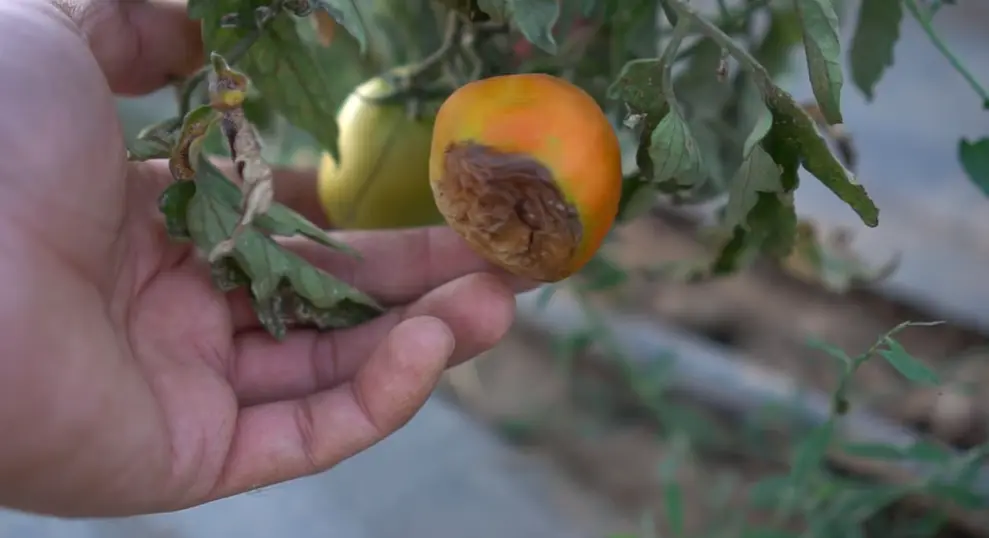
Tomato blossom end rot is caused by calcium deficiency in the fruit during growth.
Apply calcium-rich sprays and keep soil evenly moist to help treat blossom end rot.
Yes, inconsistent watering can cause calcium to not reach the fruit, leading to rot.
Crushed eggshells add calcium to soil slowly, which may reduce blossom end rot over time.
Use calcium sprays early when fruit starts to form to prevent blossom end rot.
Tomato blossom end rot can harm your plants, but you can stop it. Use simple home remedies like adding calcium to the soil. Keep the soil moist but not too wet. Check your plants often for early signs of trouble.
Healthy plants grow better tomatoes. Small changes make a big difference over time. Care and attention help your garden thrive. Try these tips to protect your tomatoes this season. Your plants will thank you with fresh, tasty fruit. Gardening can be easy and rewarding with the right steps.