Gardening Made Simple.
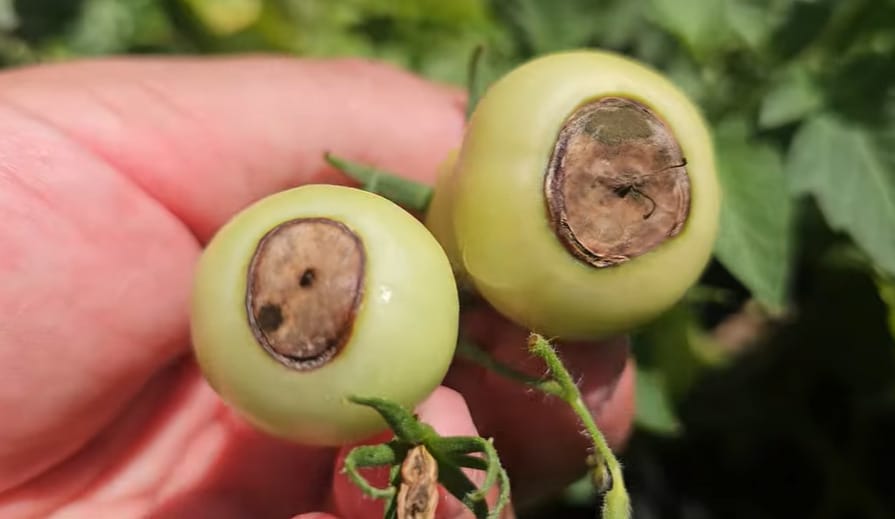
Are your tomato plants showing dark, sunken spots at the bottom of the fruit? This common problem is called Blossom End Rot Tomatoes, and it can be frustrating to deal with. Understanding how to prevent and treat Blossom End Rot Tomatoes ensures healthier plants and a more abundant, delicious harvest.
But don’t worry—understanding what causes blossom end rot and how to prevent it can save your harvest and help you grow healthy, juicy tomatoes. You’ll discover simple tips and effective solutions to protect your tomatoes and enjoy a bountiful garden.
Keep reading to learn how to say goodbye to blossom end rot for good!
Blossom end rot is a common problem in tomato plants. It causes dark, sunken spots at the bottom of the fruit. Understanding the causes helps prevent this issue. Several factors can lead to blossom end rot. Some relate to soil, others to watering and environment.
Tomatoes need calcium for healthy fruit growth. Low calcium in soil often causes blossom end rot. Even if calcium is present, plants may not absorb it well. This happens when roots are damaged or soil is too dry.
Water helps move calcium to tomato fruits. Irregular watering causes stress and blocks calcium uptake. Dry spells followed by heavy watering are harmful. Consistent soil moisture keeps calcium flowing properly.
Soil pH affects nutrient availability for plants. Tomatoes grow best in slightly acidic soil, pH 6.0 to 6.8. If soil pH is too low or high, calcium becomes less available. Testing and adjusting soil pH can prevent nutrient problems.
High temperatures and strong winds stress tomato plants. Stress reduces the plant’s ability to absorb calcium. Rapid fruit growth during hot weather also increases calcium demand. Protecting plants from extreme conditions helps avoid blossom end rot.
Blossom end rot is a common problem in tomato plants. It causes dark, sunken spots on the bottom of the fruit. This issue often results from low calcium levels or uneven watering. Preventing blossom end rot helps grow healthy, tasty tomatoes. Follow simple steps to reduce the risk and enjoy a better harvest.
Start by testing your soil for calcium content and pH levels. Tomatoes prefer soil with a pH between 6.0 and 6.8. Add lime or gypsum to increase calcium if needed. Mix organic matter like compost into the soil to improve structure. Well-prepared soil holds water and nutrients better. This supports steady plant growth and reduces blossom end rot chances.
Water tomato plants deeply and regularly. Keep the soil moist but not soggy. Avoid letting soil dry out completely between waterings. Use a drip system or water at the base to protect leaves. Consistent moisture helps plants absorb calcium effectively. Uneven watering can cause calcium deficiency and blossom end rot.
Apply mulch around tomato plants to keep soil moisture steady. Mulch prevents water evaporation and reduces soil temperature swings. It also stops weeds from competing for water and nutrients. Organic mulches like straw or shredded leaves work best. Mulching creates a stable environment that lowers blossom end rot risk.
Select tomato varieties known for resistance to blossom end rot. Some hybrids have been bred to handle calcium stress better. Resistant varieties reduce the chance of damage even in less ideal conditions. Check seed catalogs or ask local gardeners for recommendations. Planting resistant tomatoes helps ensure a more successful crop.
Blossom end rot on tomatoes can damage your harvest quickly. Acting fast helps save the plant and future fruits. Several simple fixes improve plant health and reduce this problem.
These quick steps support tomato growth and reduce calcium deficiency. Try these methods to help your tomatoes recover and stay strong.
Calcium is key to stop blossom end rot. Use calcium sprays or add powdered calcium to the soil. This helps the plant get the needed nutrients fast. Apply supplements early in the growing season for best results.
Uneven watering causes calcium to not reach the fruit. Water tomato plants deeply and regularly. Avoid letting the soil dry out completely. Consistent moisture helps calcium move through the plant well.
Foliar sprays deliver nutrients directly to leaves and fruits. Use sprays with calcium and other minerals. Spray in the early morning or late afternoon. This method helps the plant absorb calcium quickly.
Cut off fruits affected by blossom end rot. Removing bad tomatoes saves energy for healthy growth. This stops rot from spreading to other fruits. Check plants often to remove damaged fruit promptly.
Maintaining healthy soil is key to preventing blossom end rot in tomatoes. Healthy soil holds nutrients and water well. It supports strong tomato plants. Long-term care helps keep soil fertile and balanced. This reduces stress on tomatoes and lowers disease risk.
Test soil regularly to know its nutrient levels. Use simple soil test kits or send samples to labs. Check pH and nutrient content, especially calcium and magnesium. Add lime to raise pH or sulfur to lower it. Use amendments based on test results for best soil health.
Mix compost or well-rotted manure into soil each year. Organic matter improves soil structure and water retention. It feeds beneficial microbes that help plants. Mulch with leaves or straw to protect soil surface. This keeps soil moist and cool, aiding tomato growth.
Change where tomatoes grow each season. Avoid planting tomatoes in the same spot yearly. Rotate with legumes or leafy greens to balance nutrients. Crop rotation reduces pests and soil diseases. It keeps soil fresh and supports healthy plant roots.
Use fertilizers with balanced nutrients to avoid excess nitrogen. Too much nitrogen causes lush leaves but weak fruit. Include calcium-rich fertilizers to prevent blossom end rot. Follow package instructions for dosage. Balanced feeding supports steady tomato growth and fruit quality.
Blossom end rot is a common problem for tomato plants. Recognizing the signs early can save your harvest. Watch your tomatoes carefully for changes that signal trouble.
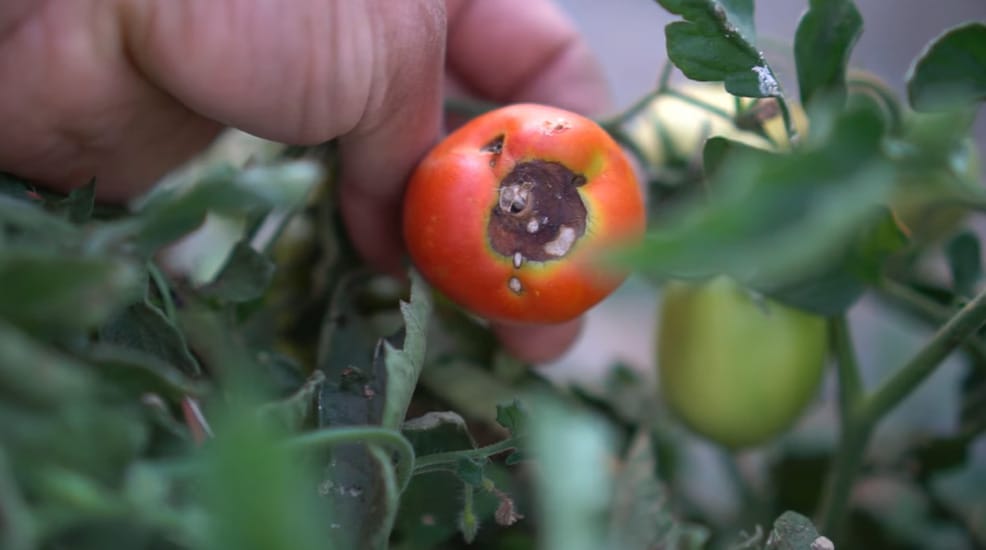
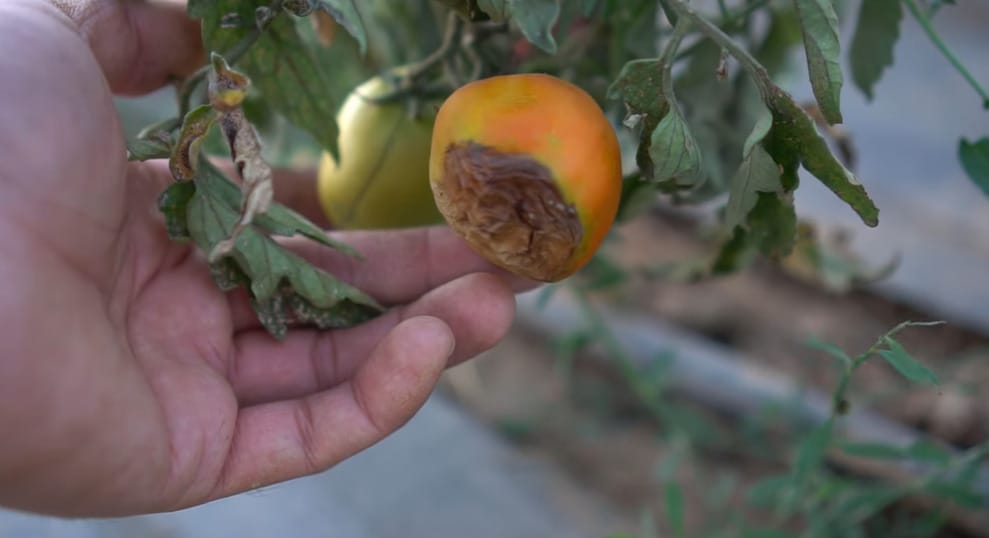
Look for small, sunken spots on the bottom of tomatoes. These spots often start dark green or brown. They grow larger and turn black or leathery. The affected area is dry and sunken, not wet. Fruit near the stem usually looks normal at first.
Leaves might wilt or curl even with enough water. Sometimes, leaves turn yellow or brown at the edges. The stem near the fruit may also show signs of stress. These signs mean the plant struggles to take up calcium.
Blossom end rot is different from fungal diseases. It does not cause spots all over the fruit. Unlike blight, it stays only at the fruit’s bottom. Other disorders often affect leaves more than fruit.
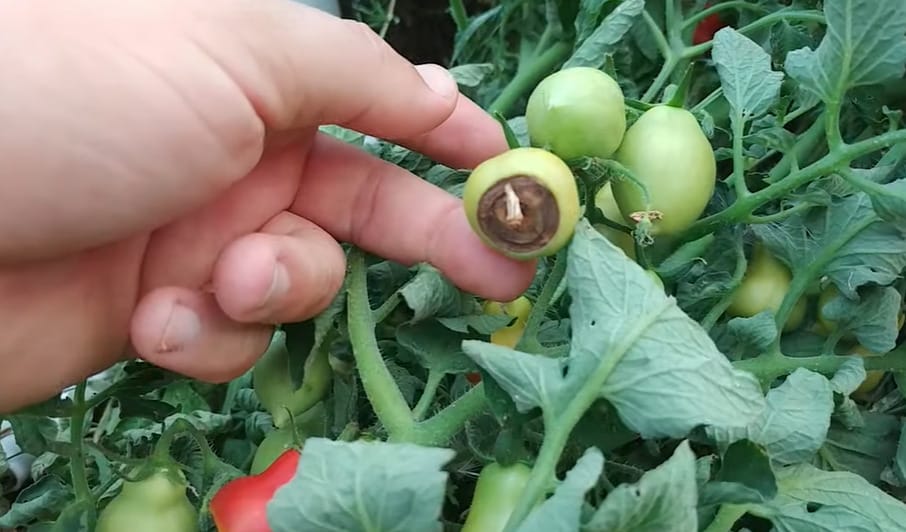
Blossom end rot is caused by a lack of calcium in the tomato fruit.
Water plants evenly and add calcium-rich fertilizer to prevent blossom end rot.
Blossom end rot only affects fruit, not the entire tomato plant or its growth.
Blossom end rot is not contagious; it is a nutrient deficiency issue.
It usually appears when tomatoes start to grow and the fruit is developing.
Blossom end rot can harm tomato plants if not managed well. Keep soil moist and rich in calcium for healthy growth. Check plants often to catch problems early. Use mulch to keep soil moisture steady. Healthy plants make better tomatoes.
Small care steps prevent big damage. Watch your garden, act fast, and enjoy fresh, tasty tomatoes all season.