Gardening Made Simple.
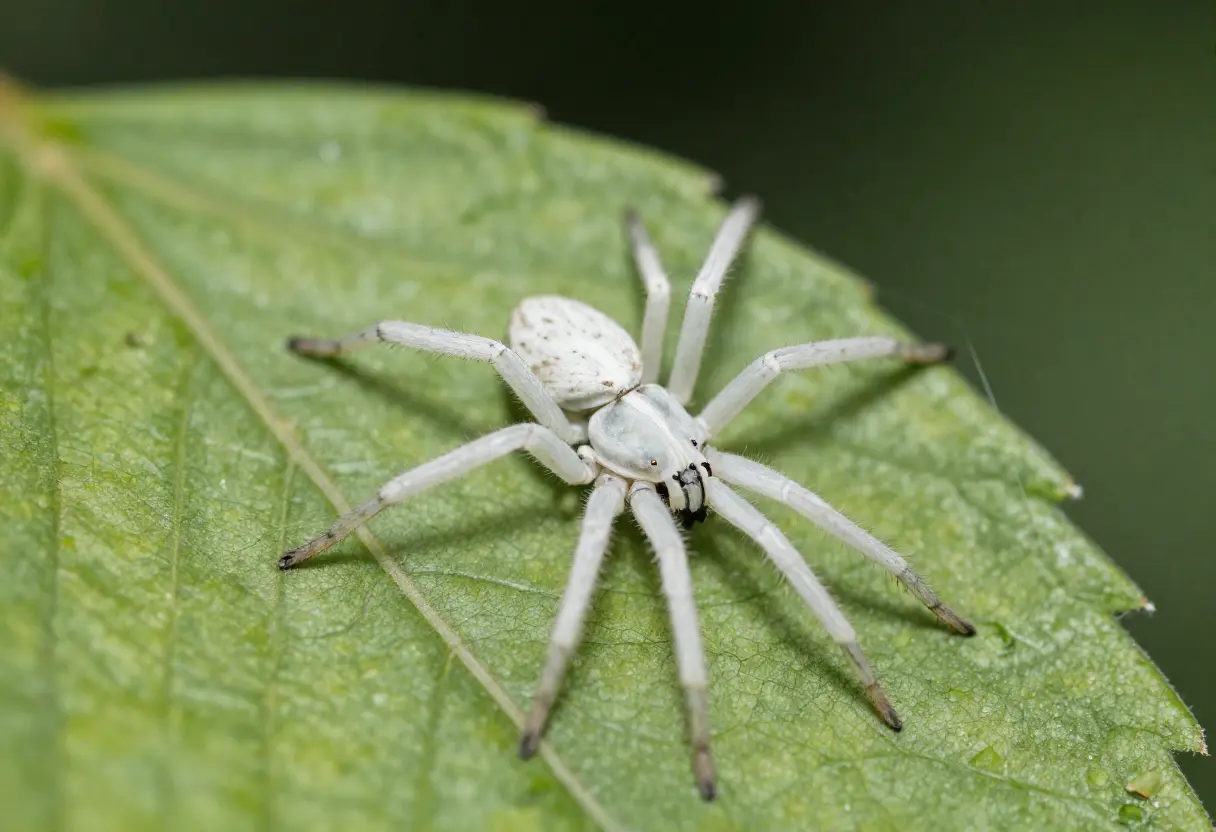
Are you noticing tiny white specks moving on your plants? Those could be white spider mites, and they’re more than just a minor nuisance. Dealing with White Spider Mites on Plants early is essential to prevent damage and keep your plants healthy and thriving.
These tiny pests can quickly damage your beloved plants, leaving leaves discolored and weak. If you want to protect your green space and keep your plants healthy, understanding how to spot and deal with white spider mites is crucial. Keep reading to discover simple, effective ways to identify and get rid of these invisible enemies before they take over your garden.
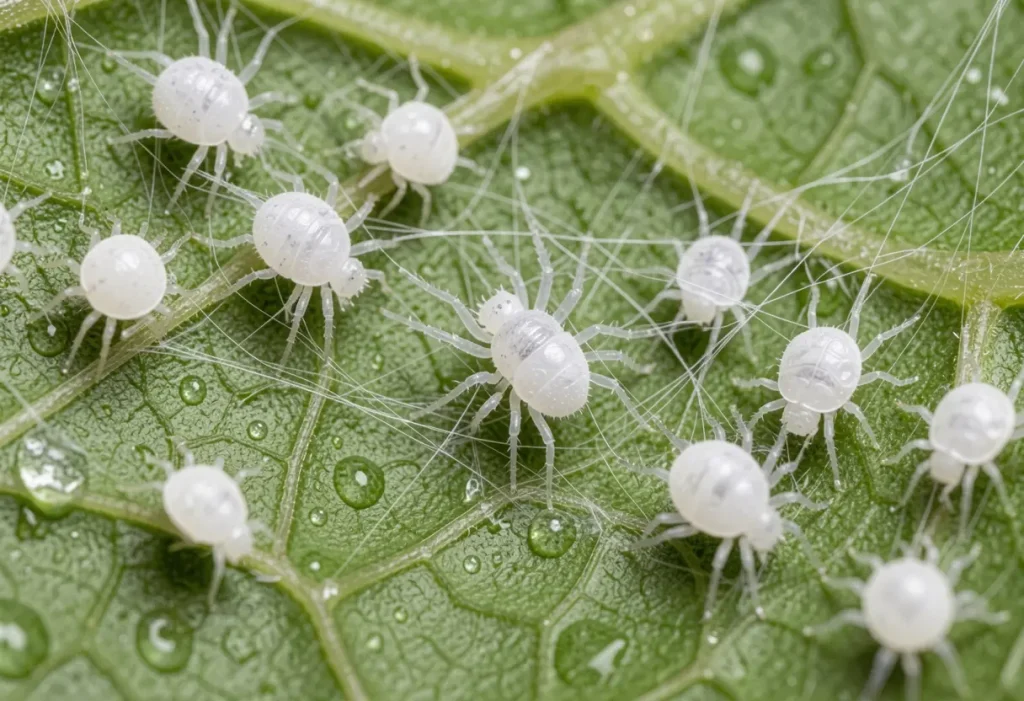
Identifying white spider mites early helps protect your plants. These tiny pests cause damage that can spread fast. Spotting them quickly can save your garden or indoor plants from harm.
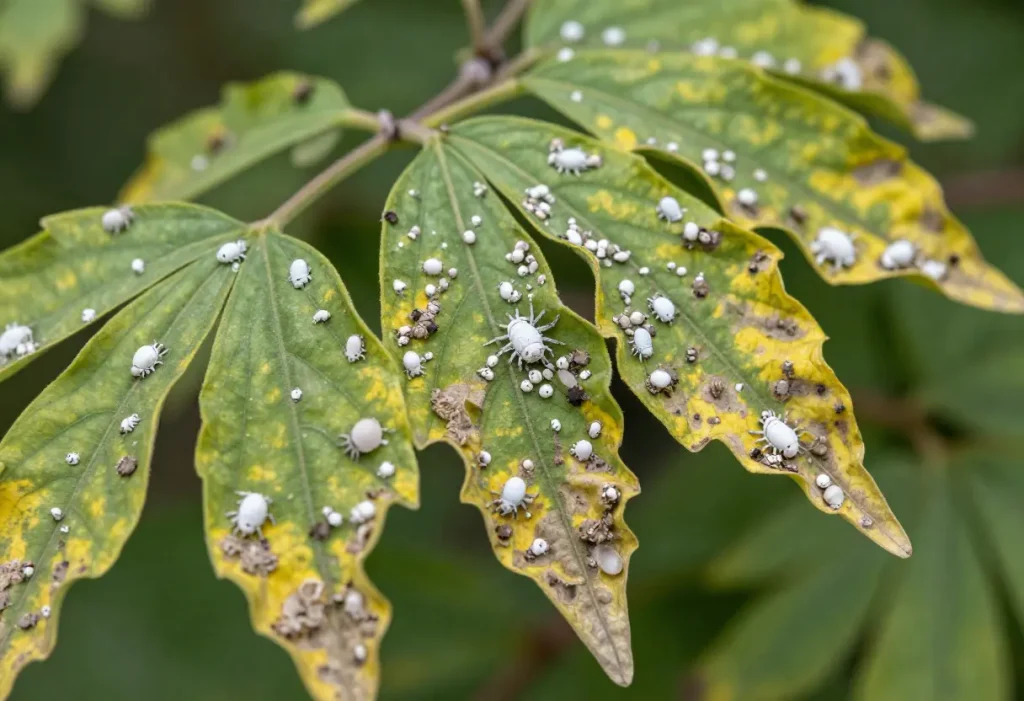
White spider mites are very small, about 0.5 millimeters long. They look like tiny white or pale dots on leaves. Their bodies are round and soft. You might see fine webbing around infested areas. These webs protect them and their eggs.
White spider mites attack many plants. Houseplants like ivy and palms often get infested. Garden plants such as tomatoes, beans, and strawberries are common targets. They also harm ornamental plants and fruit trees. These mites thrive in dry, warm conditions.
Leaves may show tiny yellow or white spots. Leaves might look dusty or have fine webbing underneath. Plants can lose their shine and appear dull. Leaves may curl, dry out, or drop early. Infested plants grow slowly and look weak.
White spider mites cause serious harm to plants. Their feeding damages leaves, stems, and buds. This damage weakens the plant and lowers its ability to grow and produce fruit. Early signs may seem small but quickly worsen. Understanding the damage helps in spotting problems early and saving plants.
White spider mites suck sap from leaves. This removes essential nutrients. Leaves lose their green color and turn yellow or pale. Small white or yellow spots appear on leaf surfaces. Over time, leaves may dry out and fall off. Discolored leaves reduce the plant’s ability to make food through photosynthesis.
Damage from mites slows plant growth. Plants use energy to heal wounds instead of growing. Stunted shoots and smaller leaves are common. Young plants may stop growing entirely. Weak plants are more likely to suffer from other pests and diseases. Growth reduction affects the overall health of the plant.
White spider mite damage lowers crop yield. Fruit and flowers may drop early or not form at all. Reduced leaf area limits energy production for fruit development. Farmers and gardeners see fewer and smaller fruits. This impact can cause economic loss and lower food supply. Protecting plants is crucial to maintain good yield.
White spider mites harm plants by sucking their sap. They multiply fast and cause leaves to dry and fall. Natural predators and biological control offer safe ways to reduce these pests. These methods use living creatures and natural products to keep mites in check. They protect plants without harmful chemicals.
Certain insects eat white spider mites. Ladybugs and lacewings are popular helpers. They hunt and eat mites on leaves. These insects keep mite numbers low. You can buy them online or at garden stores. Release them in your garden for natural pest control.
Neem oil is a natural spray from neem tree seeds. It stops mites from growing and laying eggs. Spray neem oil on affected plants every week. It is safe for bees and other insects. Neem oil also helps protect plants from other pests.
Some plants repel white spider mites. Planting garlic, chives, or marigolds nearby helps. These plants keep mites away without chemicals. Companion planting also attracts beneficial insects. It makes your garden stronger and healthier.
Chemical treatments are a common way to control white spider mites on plants. These tiny pests can damage leaves and reduce plant health quickly. Using the right chemicals helps protect plants and stops mite populations from growing. It is important to choose effective products and use them safely.
Miticides are special chemicals made to kill spider mites. Some miticides work by breaking the mites’ outer shell. Others stop mites from growing or laying eggs. Popular miticides include abamectin, spiromesifen, and bifenthrin. Each product works differently, so read the label carefully. Rotate miticides to prevent mites from becoming resistant.
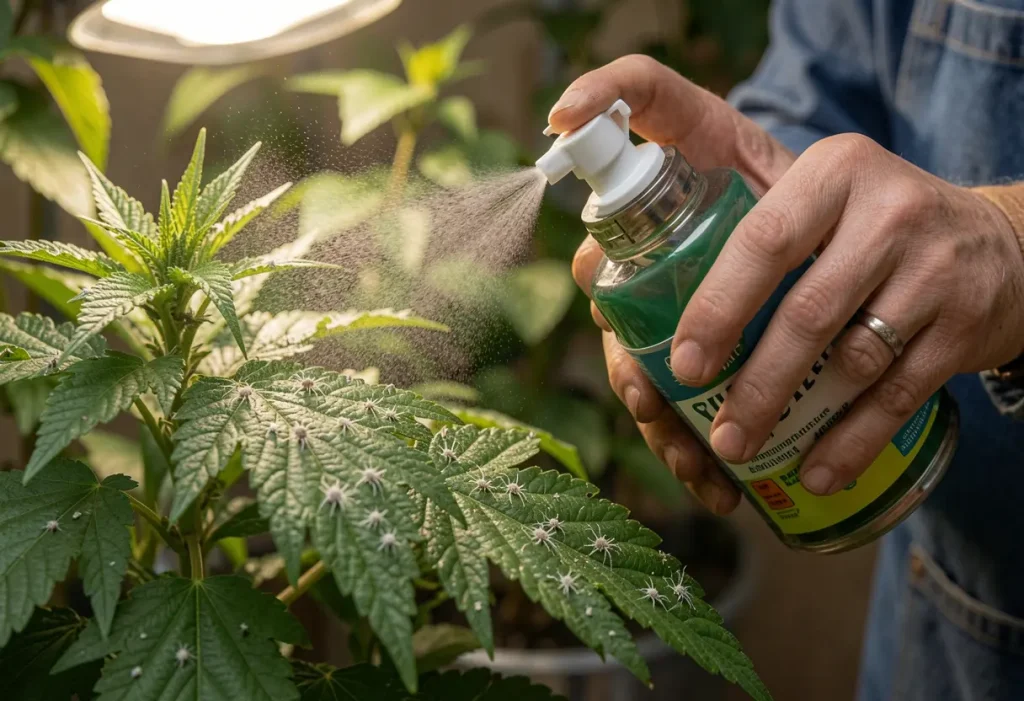
Spray plants evenly to cover all leaf surfaces. Focus on the undersides of leaves, where mites hide. Apply treatments in the early morning or late evening to avoid sun damage. Use a fine mist sprayer for better coverage. Repeat the application as directed on the label for best results.
Wear gloves and protective clothing while applying chemicals. Avoid inhaling sprays by using a mask. Keep pets and children away from treated plants. Store miticides in a safe place, away from food or drink. Follow all label instructions to protect yourself and the environment.
Cultural practices help keep white spider mites away from plants. These methods create an environment that is not friendly to mites. Healthy plants resist pests better. Simple daily actions can stop mite problems early. Focus on watering, checking plants often, and keeping the growing area clean.
These steps reduce the chances of mite infestation. They support plant health and prevent damage. Let’s explore key cultural practices to protect your plants from white spider mites.
White spider mites thrive in dry and dusty conditions. Water plants regularly to keep leaves moist. Avoid letting soil dry out completely. Increase humidity by misting plants or using a humidifier. Moist air slows mite growth and spread. Balanced watering also helps plants stay strong and resist pests.
Check plants often for signs of mites. Look under leaves and on stems. Early detection stops mites from multiplying. Remove any infested leaves right away. Use a magnifying glass if needed. Regular inspection keeps mite populations low. It saves plants from serious damage later.
Clean the growing area to remove mite eggs and webs. Dispose of fallen leaves and plant debris quickly. Sterilize pots and tools before use. Avoid overcrowding plants to improve air flow. Good sanitation limits places where mites can hide. Clean surroundings make it harder for mites to settle.
White spider mites can damage your plants quickly. You do not need strong chemicals to fight them. Simple home remedies work well. These remedies are safe for your plants and easy to make. You can use common kitchen items to protect your garden.
Soap and water spray kills spider mites by suffocating them. Use mild liquid soap, not detergent. Mix one teaspoon of soap with one liter of water. Spray the solution on affected leaves. Repeat every few days until mites disappear. Avoid spraying in direct sunlight to protect leaves.
Garlic and pepper create a strong spray that repels spider mites. Crush a few garlic cloves and a hot pepper. Soak them in water for 24 hours. Strain the mixture and spray on your plants. This natural solution stops spider mites from spreading. Use fresh spray every week for best results.
Alcohol-based sprays kill spider mites on contact. Mix one part rubbing alcohol with three parts water. Add a few drops of soap to help the spray stick. Spray directly on spider mites and their webs. Test on a small leaf first to avoid damage. Use this spray once a week for control.
Spotting white spider mites early helps protect plants from damage. These tiny pests multiply fast. Early detection stops infestations before they spread widely. Monitoring plants regularly keeps gardens healthy and vibrant.
Sticky traps catch flying pests and help track mite presence. Place traps near affected plants or where mites hide. Check traps often for tiny white specks. This method shows mite activity early, before visible damage appears.
Look closely at leaves, stems, and branches for mites. Check the undersides of leaves where they prefer to live. Use a magnifying glass to spot tiny white webs or moving dots. Regular checks catch infestations at the start, making treatment easier.
Keep notes on where and when mites appear on plants. Track changes in mite numbers over days or weeks. This helps predict spread and guides timely action. Records improve understanding of pest behavior and control success.
White spider mites are tiny pests that feed on plant sap, causing damage and discoloration.
Look for tiny white dots, fine webbing, and yellow or brown leaf spots.
They cause leaf discoloration, stunted growth, and can eventually kill the plant.
Use insecticidal soap, neem oil, or introduce natural predators like ladybugs.
Yes, they can quickly move and infest nearby plants if not controlled early.
White spider mites can harm your plants quickly. Watch your plants often for tiny white spots. Act fast to stop these pests from spreading. Use safe methods like water sprays or natural predators. Healthy plants resist pests better. Keep soil clean and avoid overwatering.
Small steps help keep spider mites away. Protect your garden with regular care and patience. Your plants will grow strong and stay healthy. Simple actions make a big difference in pest control. Stay alert and enjoy a pest-free garden.