Gardening Made Simple.

Are you tired of seeing tiny spider mites damage your beloved plants? These little pests can quickly turn your green space into a nightmare. Using a proven Spider Mites Home Remedy can help you get rid of them naturally, protect your plants, and restore a healthy, thriving garden without harsh chemicals.
But don’t worry—you don’t need harsh chemicals or expensive treatments to fight them. You’ll discover simple, effective home remedies that you can use right now to protect your plants and keep your home garden thriving. Keep reading, and learn how to take control before spider mites take over!
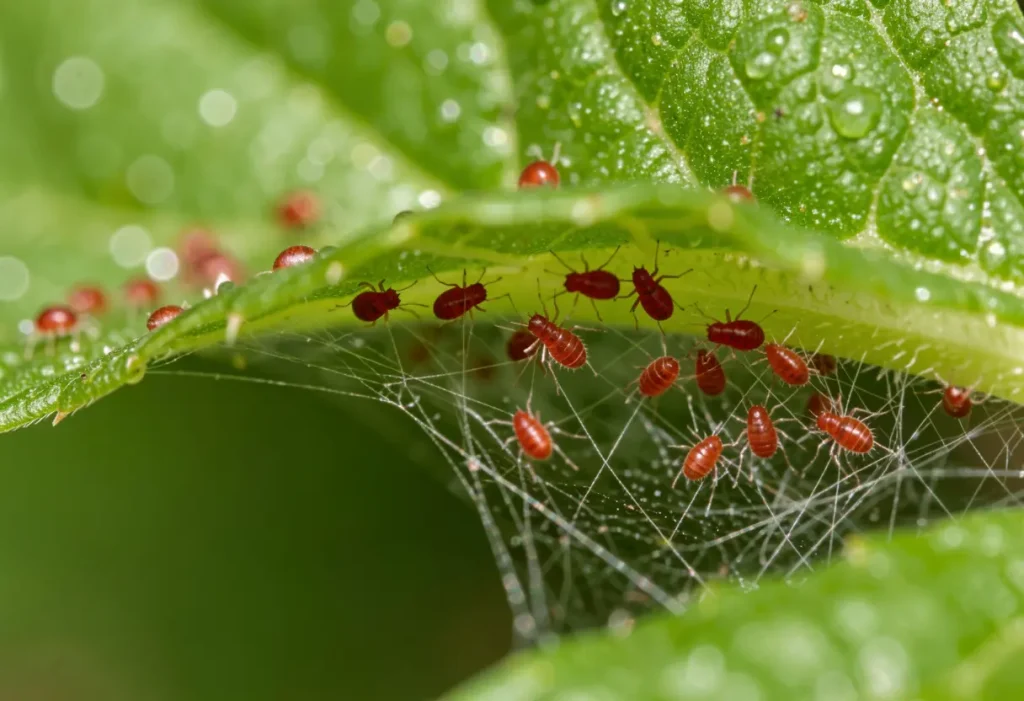
Spider mites are tiny pests that harm plants. They are hard to see with the naked eye. Knowing how to identify them early helps protect your plants.
These pests feed on plant leaves, causing damage and weakening the plant. Spotting them quickly can save your garden or houseplants.
Look for small yellow or white spots on leaves. These spots show where spider mites have eaten the plant cells. Leaves may turn bronze or yellow and start to drop.
Fine webbing is a clear sign of spider mites. It often appears on the underside of leaves and between branches. The webs protect the mites from natural enemies and sprays.
Plants may look dusty or dirty due to the mites. You might see tiny moving dots under a magnifying glass. These dots are the spider mites themselves.
Two common types attack home plants: the two-spotted spider mite and the spruce spider mite. The two-spotted mite is light green to yellow with two dark spots on its back.
The spruce spider mite is smaller and reddish. It prefers conifers like pine and spruce trees. Both types cause similar damage and make webs.
Knowing the type helps choose the best control method. Both mites thrive in hot and dry conditions. Check plants often during warm seasons.
Natural predators help control spider mites without chemicals. These tiny hunters eat spider mites and keep their numbers low. Using natural predators creates a healthy garden balance. It reduces damage to your plants and is safe for the environment.
Ladybugs are excellent spider mite predators. They consume many spider mites every day. Lacewing larvae also feed on spider mites and other pests. Predatory mites specifically hunt spider mites. These helpful insects can protect your plants naturally. You can buy them online or at garden centers.
Plant flowers like dill, fennel, and marigold to attract predators. Avoid using pesticides that kill beneficial insects. Provide shelter with mulch and small plants. Water your garden carefully to keep it healthy. A balanced garden invites natural predators and controls spider mites.

Homemade sprays and solutions offer a natural way to fight spider mites at home. They use simple ingredients found in most kitchens. These remedies can protect your plants without harsh chemicals. Regular use helps keep spider mites away and your plants healthy.
Neem oil is a popular natural pesticide. Mix 2 teaspoons of neem oil with 1 quart of water. Add a few drops of mild liquid soap. Stir well before spraying on plants. Spray every 7 days until spider mites disappear. Neem oil blocks mites from feeding and breeding.
Soap and water is a simple, effective solution. Use 1 teaspoon of mild liquid soap with 1 quart of water. Mix gently to avoid too many bubbles. Spray the solution on all plant parts, especially under leaves. Repeat every 4 days for best results. Soap breaks down mites’ outer shell, killing them quickly.
Garlic and pepper sprays work as natural repellents. Blend 2 cloves of garlic and 1 hot pepper with 2 cups of water. Let the mix sit for 24 hours. Strain and add 1 quart of water with a few drops of soap. Spray plants thoroughly to keep spider mites away. Garlic and pepper irritate mites and stop their growth.
Controlling the environment around your plants is key to stopping spider mites. These tiny pests thrive in dry, warm places. Changing humidity and temperature can make your plants less inviting to them. Simple adjustments help keep spider mites away without harsh chemicals. Follow these tips to create a safer space for your plants.
Spider mites prefer low humidity. Raise humidity above 50% to slow their growth. Use a humidifier or mist your plants often. Cooler temperatures also reduce their activity. Keep your room between 65°F and 75°F (18°C to 24°C). Avoid hot, dry air that encourages mites to multiply. These small changes can protect your plants from spider mites.
Dry plants attract spider mites. Water your plants regularly but avoid overwatering. Keep the soil moist but not soggy. Check the top layer of soil; it should feel dry before watering again. Use a spray bottle to water the leaves. This helps increase humidity around the plant. Proper watering keeps plants healthy and less prone to spider mites.
Preventive measures are key to stopping spider mites before they harm your plants. These tiny pests multiply fast and can cause serious damage. Taking simple steps regularly helps keep your plants safe and healthy.
Small actions can make a big difference in avoiding infestations. Check your plants often and handle new plants carefully. These habits protect your garden and reduce the need for harsh treatments.
Check your plants every few days for spider mites. Look under leaves and on stems. Early signs include tiny webs and small yellow or white spots. Catching mites early stops their spread.
Use a magnifying glass if needed. Gently shake leaves over a white paper. Mites fall and become easier to see. Regular inspections keep your garden mite-free.
Keep new plants separate from others for two weeks. This prevents hidden spider mites from spreading. Place them in a different room or corner.
Watch new plants closely during this time. Treat any signs of mites before moving them to your main garden. Quarantine protects all your plants from infestation.
Spider mites are tiny pests that harm plants by sucking their juices. Healthy plants resist mites better. Proper care strengthens plant defenses and reduces mite damage. Simple daily habits help keep these pests away.
Feed plants with balanced nutrients. Use fertilizer that fits the plant type. Avoid too much nitrogen; it attracts spider mites. Healthy plants grow strong and fight pests. Water plants properly to help nutrient absorption. Weak plants invite spider mites easily.
Remove dead leaves and old growth often. This cuts places where mites hide and breed. Clean leaves gently with a damp cloth or spray. Keep the area around plants tidy. Good airflow reduces mite problems. Pruning helps sunlight reach all parts of the plant.
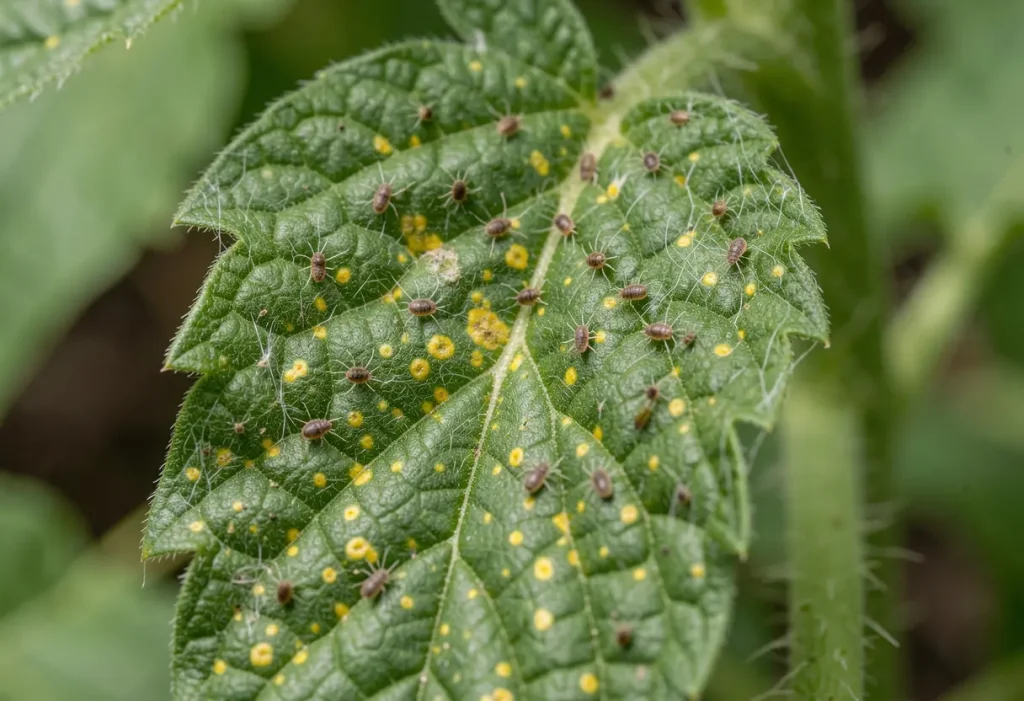
Spider mites are tiny pests that suck sap from leaves, causing yellow spots and leaf drop.
Look for fine webbing on leaves and tiny moving dots on the plant’s underside.
Soap water spray, neem oil, and rubbing alcohol wipes can reduce spider mite numbers.
Apply treatments every 4 to 7 days until mites disappear and plant health improves.
Spider mites can infest both indoor and outdoor plants, especially in dry, warm areas.
Spider mites can harm your plants if left unchecked. Using home remedies helps control them safely. Regularly check your plants for tiny webs and spots. Spray with water or neem oil to keep mites away. Clean leaves gently to remove pests and dust.
Healthy plants resist spider mites better than weak ones. Stay patient and consistent with treatments for best results. Protect your garden with simple, natural methods every day. Small efforts lead to big improvements in plant health. Keep your green space thriving without harsh chemicals.