Gardening Made Simple.
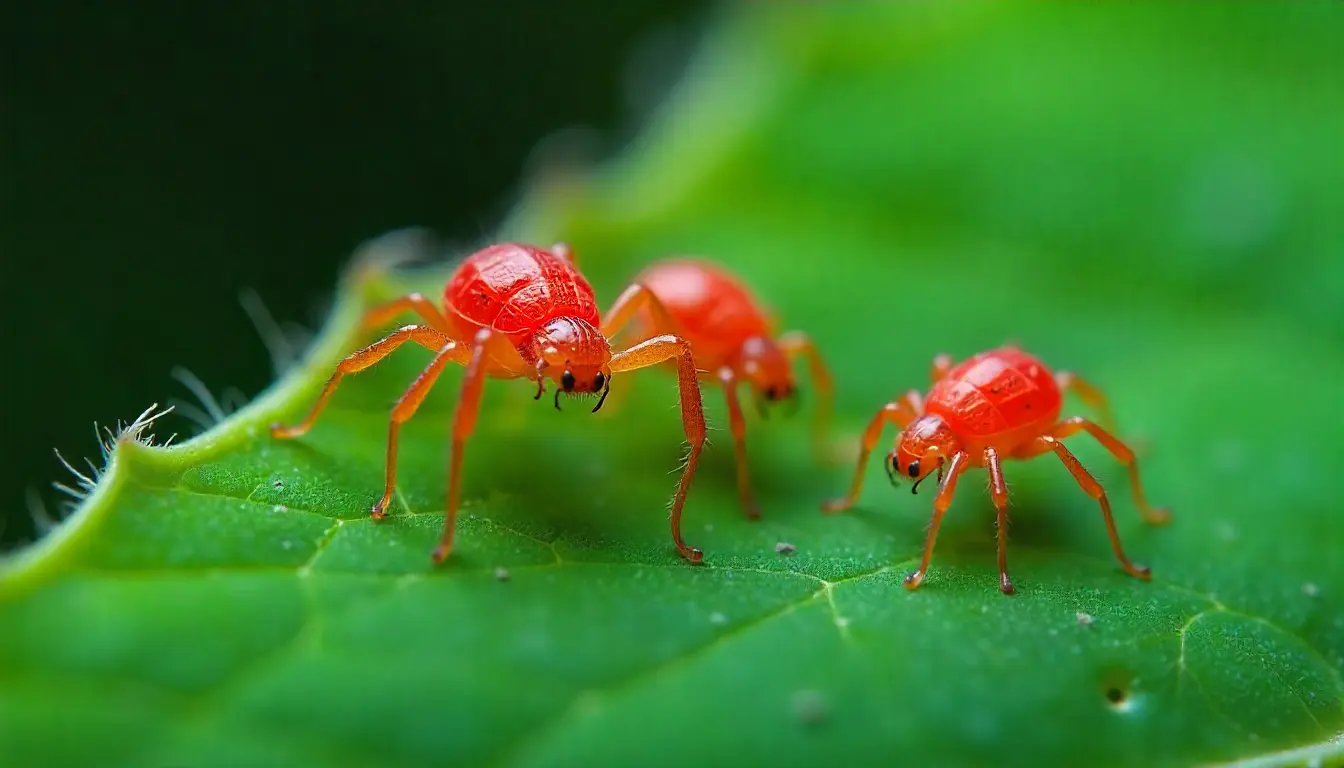
Are you noticing tiny spots or fine webbing on your tomato plants and wondering what’s causing it? Spider mites on tomato plants are often the sneaky culprits, quietly damaging leaves and weakening your garden if left untreated.
These tiny pests can quickly ruin your tomato crop if you don’t catch them early. You’ll discover how to spot spider mites, why they’re harmful, and simple steps you can take to protect your plants. Keep reading to save your tomatoes and enjoy a healthy, thriving garden.

Spider mites are tiny pests that harm tomato plants. They are hard to spot but cause clear signs on leaves. Identifying spider mites early helps save your tomato crop. Understanding their life cycle and damage patterns is important. This section guides you through key signs to watch for.
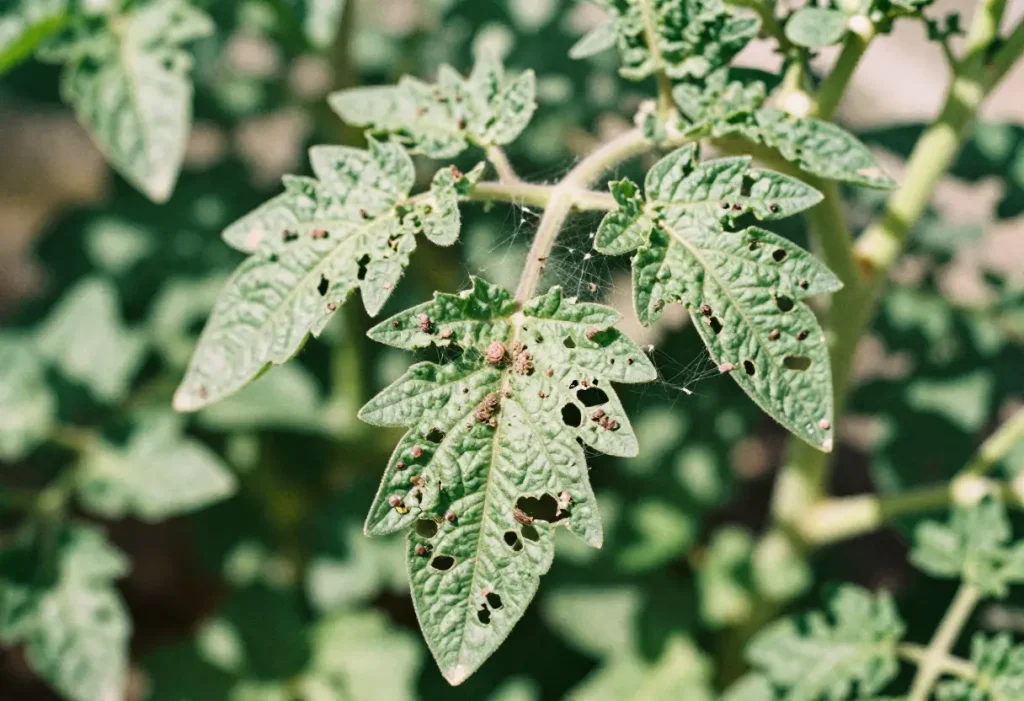
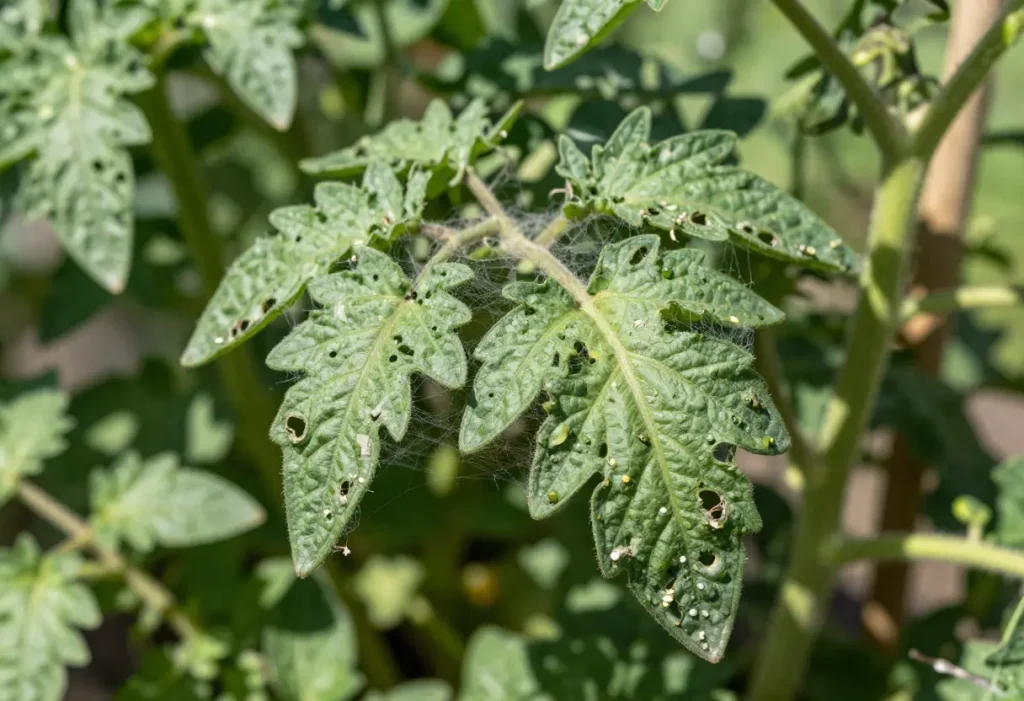
Look for small yellow or white spots on leaves. These spots often appear on the underside of leaves. Leaves may turn bronze or yellow as damage grows. Fine webbing between leaves and stems is a strong sign. Leaves might curl or drop off if mites multiply fast.
Spider mites grow quickly in warm, dry weather. Eggs hatch in a few days into tiny, spider-like larvae. These larvae feed on leaves, causing damage as they grow. Adult mites are about the size of a grain of sand. They move slowly but spread easily across plants.
Damage starts as tiny spots that merge into larger patches. Leaf color changes from green to yellow or bronze. Severe infestations cause leaves to dry and fall off. Webbing covers leaves, making plants look dusty or dirty. If untreated, spider mites weaken tomato plants badly.
Preventing spider mite infestations on tomato plants starts with smart care and attention. These tiny pests thrive in hot, dry conditions and can quickly damage your plants. Taking early steps reduces the risk of an outbreak. Healthy plants resist pests better and grow stronger.
Spider mites prefer dry and dusty environments. Keep your tomato plants well-watered but avoid overwatering. Maintain humidity by misting leaves or using a humidity tray. Provide enough space between plants for air circulation. Cooler temperatures slow down mite reproduction. Avoid planting tomatoes in direct, harsh sunlight all day.
Some insects eat spider mites and help control their numbers naturally. Ladybugs, lacewings, and predatory mites are effective. Encourage these insects by planting flowers like marigolds and dill nearby. Avoid using broad-spectrum pesticides that kill helpful bugs. Introducing beneficial insects early can prevent mites from taking hold.
Check your tomato plants often for early signs of spider mites. Look for tiny webs and speckled leaves. Remove any damaged leaves to stop mite spread. Wash leaves with a gentle spray of water to remove mites. Keep the garden clean and free of plant debris. Rotate crops each season to reduce pest buildup in soil.
Spider mites are tiny pests that can damage tomato plants quickly. Using natural remedies helps control these pests safely. These methods protect plants without harsh chemicals. They support a healthy garden environment. Natural treatments work well and are easy to prepare.
Mix water with mild soap to make a simple spray. Spray this solution on the leaves to remove spider mites. Use a spray bottle for even coverage. Repeat every few days to keep mites away. Another option is a garlic spray. Crush garlic cloves and soak them in water overnight. Strain and spray the liquid on tomato plants. These sprays disrupt mites and reduce their numbers.
Neem oil is a natural extract that controls spider mites effectively. Dilute neem oil with water and spray on leaves. It stops mites from feeding and laying eggs. Insecticidal soap works in a similar way. Spray the soap solution directly on the mites. Both neem oil and insecticidal soap are safe for plants and people. Use these treatments early to prevent large infestations.
Predatory mites eat spider mites and keep their numbers down. These helpful insects live naturally in gardens. You can buy and release them near tomato plants. Create a garden environment that attracts predatory mites. Avoid using chemical pesticides that kill beneficial insects. Healthy plants and natural enemies help control spider mites naturally.
Spider mites can cause serious damage to tomato plants. Chemical treatments may be necessary when infestations grow too large for natural controls. These treatments help protect plants and improve tomato health. Knowing which chemicals are safe and how to apply them is important. Use chemicals only as a last step after trying other methods first.
Choose pesticides labeled safe for tomato plants. Look for products containing neem oil, insecticidal soap, or pyrethrins. These options control spider mites without harming tomatoes. Avoid harsh chemicals that can damage plant leaves or fruit. Organic or natural pesticides reduce risks to beneficial insects and the environment.
Spray pesticides in the early morning or late evening. Avoid applying during hot, sunny hours to prevent leaf burn. Cover all plant parts, especially undersides of leaves where mites hide. Repeat applications every 7 to 10 days until mites disappear. Follow product instructions carefully for dosage and safety.
Chemical treatments can harm pollinators like bees. Avoid spraying flowers to protect them. Wear gloves and a mask during application. Keep pets and children away from treated plants. Overuse may cause mites to become resistant to pesticides. Use chemicals sparingly and only when needed.
Spotting spider mites early helps protect tomato plants. These tiny pests multiply fast and damage leaves quickly. Regular monitoring can catch problems before they grow. Early detection saves plants and reduces the need for strong treatments.
Check tomato leaves often, especially the undersides. Look for tiny dots or webbing. Use a white paper to tap leaves gently. Watch for small moving specks falling on the paper. Inspect plants every few days during warm, dry weather.
A magnifying glass helps see the small mites clearly. A hand lens with 10x zoom works well. Use a flashlight to brighten shaded leaf areas. Sticky traps near plants catch some mites for easy viewing. These tools make detection faster and more accurate.
Write down inspection dates and any signs of mites. Note treatments applied and their results. Track weather conditions and plant health changes. A log helps spot patterns and plan better care. Review it regularly to improve pest control.
Spider mites are tiny pests that feed on tomato leaves, causing damage and reducing plant health.
Look for tiny yellow or white spots and fine webbing on the undersides of tomato leaves.
Yes, heavy infestations can weaken plants and may eventually kill them if untreated.
Use water sprays, neem oil, or introduce predatory insects like ladybugs to reduce spider mites.
Keep plants healthy with good watering, avoid dry conditions, and inspect plants regularly for pests.
Spider mites can harm tomato plants quickly. Watch your plants often for tiny webs or spots. Early action helps keep damage low. Use water sprays or natural predators to fight mites. Healthy plants resist pests better. Keep soil moist and remove dead leaves.
Small steps make a big difference in your garden. Stay patient and consistent for best results. Your tomatoes will grow stronger and healthier. Pest control is part of good gardening care.