Gardening Made Simple.
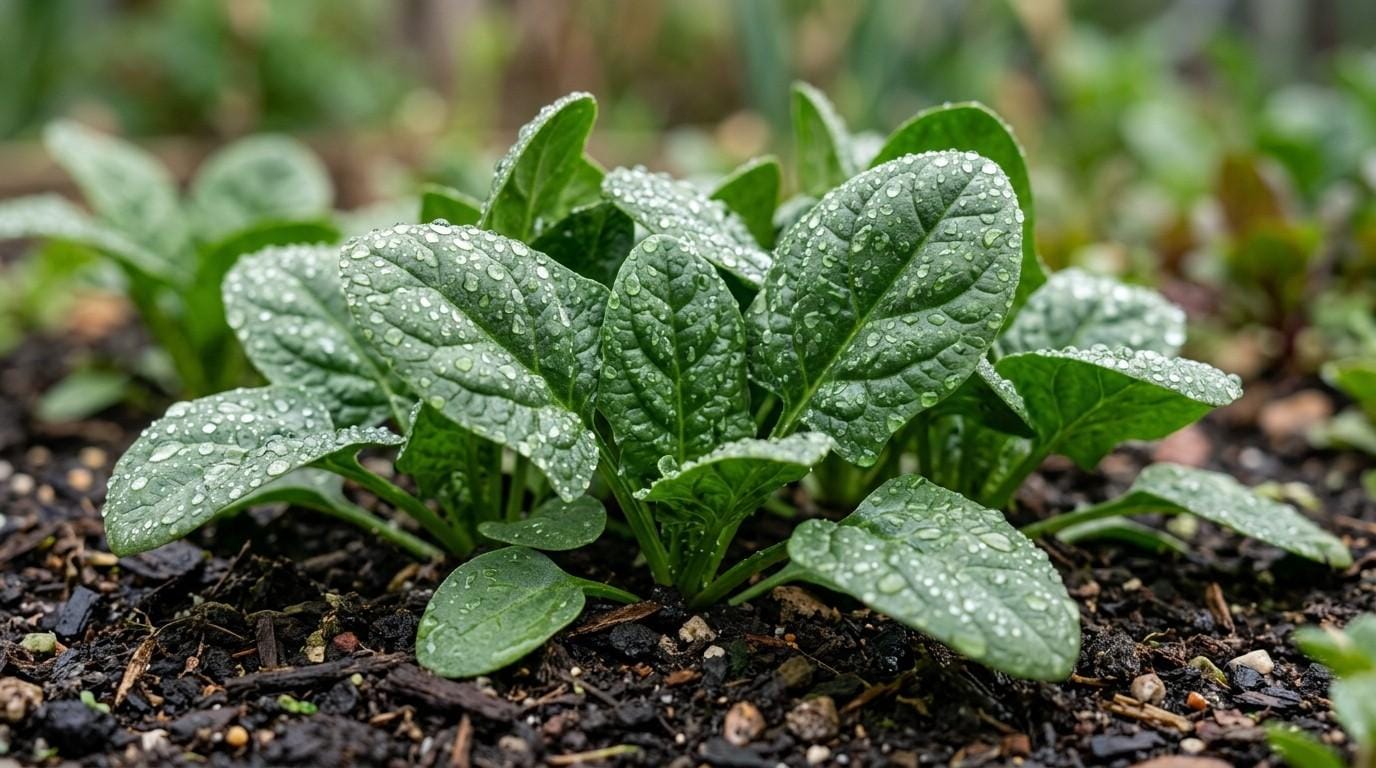
Where Does Spinach Grow is a common question for gardeners and anyone interested in fresh, healthy vegetables. If you're wondering where does spinach grow, this cool-season leafy green thrives in fertile, well-drained soil and mild temperatures. This guide explains the best climates, growing conditions, and regions where spinach grows successfully, whether in home gardens or on commercial farms.
Whether you’re a health enthusiast, a home gardener, or simply curious, knowing where spinach grows helps you appreciate its fresh taste and nutritional power. Keep reading to discover the secrets behind spinach’s natural homes and how this knowledge can benefit you every day.
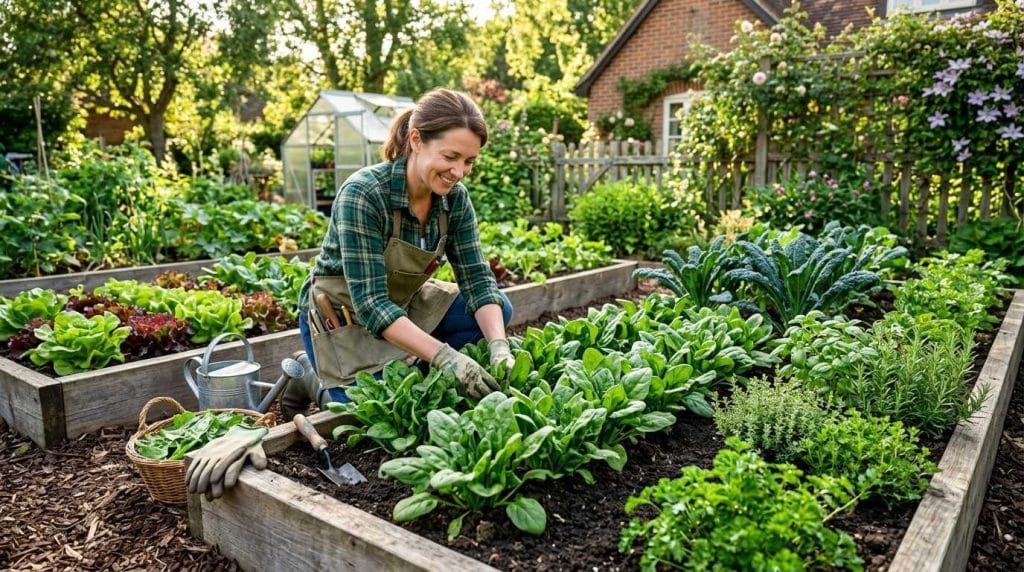
Spinach grows best in certain climates that support its quick growth and rich leaves. Understanding the climate needs helps gardeners and farmers grow healthy spinach plants. The right temperature, soil, and water play key roles in spinach production.
Spinach prefers cool weather. Ideal temperatures range from 50 to 70 degrees Fahrenheit. Hot weather causes spinach to bolt and become bitter. It grows well in early spring and fall seasons. Frost can tolerate light frost but not extreme cold.
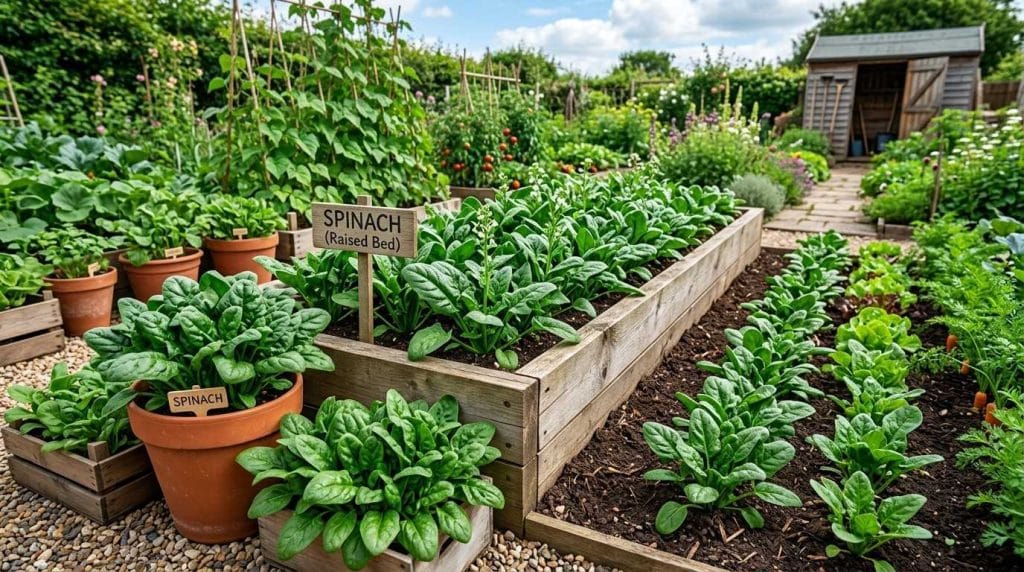
Spinach thrives in rich, well-drained soil. Soil should be loose and full of organic matter. A slightly acidic to neutral pH of 6.0 to 7.0 works best. Heavy clay or sandy soils limit growth. Good soil helps roots absorb nutrients easily.
Spinach needs consistent moisture to stay fresh and tender. Water the plants regularly to keep soil moist but not soggy. Too little water causes leaves to wilt and dry out. Proper watering supports steady leaf growth and nutrient uptake.
Spinach is a popular leafy green grown worldwide. It thrives in cool, moist climates. Many countries cultivate spinach on a large scale to meet global demand. Understanding where spinach grows helps appreciate its availability and quality.
The United States is a top spinach producer. California leads with its mild climate and fertile soil. Spinach grows year-round in some regions. Farmers use advanced techniques to boost yields. The U.S. supplies fresh and frozen spinach domestically and abroad.
China grows the most spinach in the world. Its vast land and diverse climates support large farms. Many small farmers grow spinach for local markets. The country exports spinach mainly in frozen form. China’s spinach farming helps feed millions daily.
India produces spinach mostly in northern and central regions. The cool weather during winter suits spinach well. Farmers grow various spinach types for fresh use. Spinach is a staple in Indian diets. Local markets rely heavily on seasonal spinach harvests.
Europe has many spinach-growing countries, including Spain and Italy. These countries benefit from mild Mediterranean climates. Spinach grows mostly in spring and fall. Europe values organic and fresh spinach varieties. The region exports spinach to other parts of the world.
Spinach grows best in cool weather. Different regions have unique growing seasons. Understanding these seasons helps gardeners plan their planting times. Spinach thrives in both spring and fall. Some areas also support winter cultivation. Knowing these details leads to better harvests and healthier plants.
Spring and fall offer ideal conditions for spinach. The soil stays cool, and temperatures remain mild. These seasons prevent spinach from bolting quickly. In most regions, planting starts early spring. Fall planting happens as temperatures begin to drop. Both seasons provide enough moisture for spinach to grow well. Gardeners enjoy fresh spinach leaves during these times. The cooler weather enhances leaf flavor and texture.
Winter spinach grows in milder climates. Some regions experience mild winters suitable for spinach. Cold-tolerant varieties survive frost and light snow. Gardeners use row covers to protect plants. Winter spinach grows slower but stays fresh. It provides a green harvest during colder months. Planning winter crops extends the spinach growing season. This practice supports year-round fresh greens for many families.
Spinach farming uses different methods to grow healthy leaves. Farmers choose techniques based on climate, soil, and market needs. Each method has its own benefits and challenges. Understanding these helps growers produce better spinach crops.
Spinach grows best in cool weather with good soil moisture. Proper care during planting, watering, and harvesting affects the yield and quality. Here are common spinach farming techniques used worldwide.
Traditional farming involves planting spinach directly in the soil. Farmers prepare the land by plowing and adding compost. Seeds are sown in rows with enough space between plants. Watering is done using irrigation or rainfall. Farmers control weeds and pests manually or with simple tools. This method suits large open fields and small gardens alike. It is cost-effective and uses natural soil nutrients.
Organic spinach farming avoids chemical fertilizers and pesticides. Instead, farmers use natural compost and green manure. Crop rotation helps keep the soil healthy and free from diseases. Biological pest control uses helpful insects to protect the plants. This method produces spinach free from harmful chemicals. It is popular among health-conscious consumers. Organic farming improves soil quality over time.
Hydroponics grows spinach without soil, using nutrient-rich water. Plants grow in containers with support materials like coconut fiber or rock wool. This method uses less water and space than soil farming. It allows control over nutrients and environment, reducing pests and diseases. Hydroponic spinach can grow year-round indoors or in greenhouses. This technique gives fast growth and high yields.
Growing spinach is not easy. Farmers face many problems that affect how much spinach they can produce. These challenges can reduce the quality and amount of spinach available for market. Understanding these issues helps growers prepare better and find solutions.
Spinach plants are often attacked by pests like aphids and leaf miners. These insects damage the leaves and lower crop yield. Diseases such as downy mildew and white rust also harm spinach plants. Farmers must use careful pest control and disease management to protect their crops.
Spinach grows best in cool weather. High temperatures can cause the plants to bolt and produce bitter leaves. Too much rain or drought can also harm growth. Changing climate patterns make it hard to predict the best planting times. Farmers need to watch the weather closely.
Spinach prices change with market demand. Sometimes demand is high, and prices rise. Other times, low demand lowers prices. This uncertainty makes it hard for farmers to plan planting and harvesting. They must stay informed about market trends to reduce risks.
Spinach farming is changing fast. New ideas and tools make growing spinach easier and better. Farmers want to grow more spinach with less harm to the earth. They also want to meet the growing demand from people worldwide. The future of spinach farming looks smart and green.
Many new trends will shape how spinach is grown. These trends help farmers grow healthy spinach, save resources, and reach more markets. Let’s see what the future holds for spinach cultivation.
Technology is helping farmers grow spinach better. Sensors check soil health and water levels. Drones watch fields from above. These tools help farmers spot problems early. Robots can plant and harvest spinach fast. Technology saves time and reduces waste.
Smart greenhouses control temperature and humidity. This helps grow spinach all year. Data from sensors guide farmers on when to water and feed plants. Technology makes farming more precise and efficient.
Farmers use less water and fewer chemicals today. They use natural ways to keep soil healthy. Crop rotation and compost help plants grow strong. Sustainable farming protects the earth and future crops.
Growing spinach with less harm means cleaner food. It also keeps farms productive for a long time. Farmers work to balance good yields and care for nature.
Spinach is popular worldwide. More people want fresh, healthy greens. Farmers grow spinach for local and global markets. Better transport and storage keep spinach fresh longer.
New markets open in places where spinach was less common. This creates more chances for farmers. The global demand pushes farmers to improve quality and quantity.
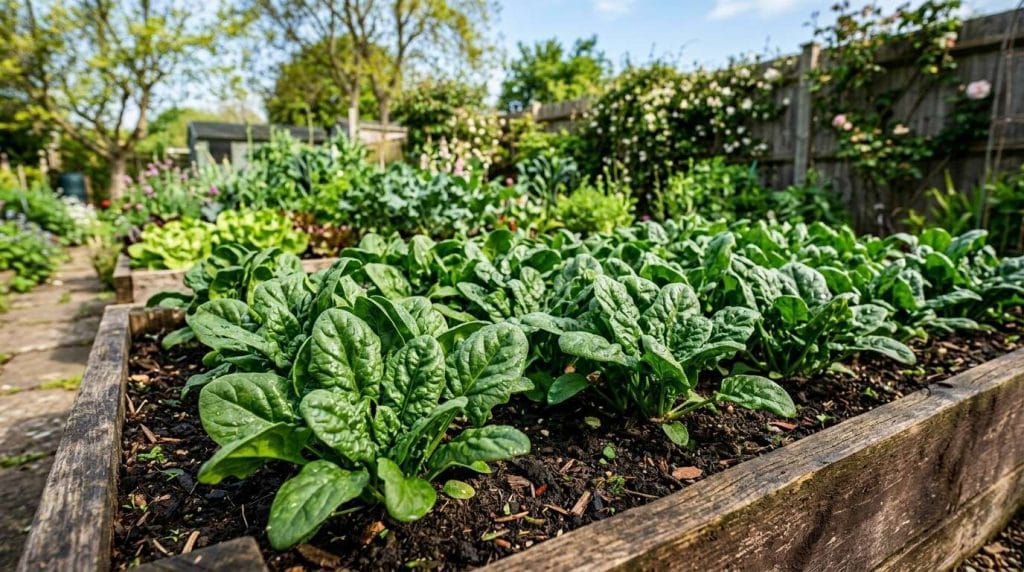
Spinach grows best in cool, temperate regions across North America, Europe, and Asia.
Yes, spinach grows well in home gardens with good soil and partial sunlight.
Spinach prefers cool weather with temperatures between 50°F and 70°F for best growth.
Spinach typically takes 4 to 6 weeks from planting to harvest.
Spinach is mostly grown in spring and fall due to its preference for cool weather.
Spinach grows best in cool, moist places with good soil. It thrives in gardens, farms, and even pots. This leafy green needs sunlight but not too hot weather. Knowing where spinach grows helps you pick fresh, healthy leaves. Try growing spinach at home to enjoy its benefits.
It’s easy and rewarding to grow your own greens. Fresh spinach adds taste and nutrition to any meal. Keep these simple tips in mind for healthy spinach plants. Growing spinach can be a fun and tasty experience.