Gardening Made Simple.
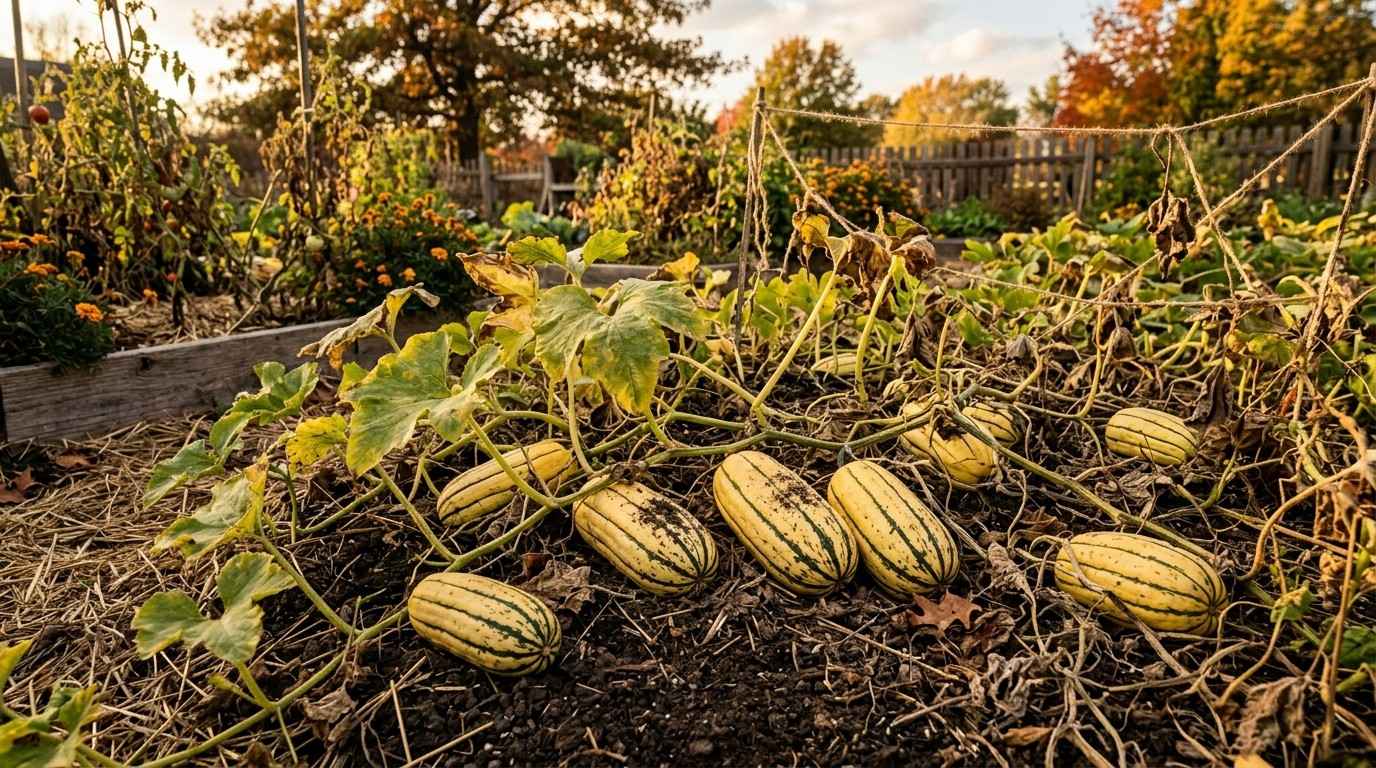
Delicata squash is a favorite among home gardeners and chefs for its sweet, nutty flavor and edible skin. But one of the biggest challenges for growers is knowing Delicata Squash When to Pick for the best taste and storage quality. Harvest too early, and the squash may be bland and underdeveloped. Wait too long, and you risk rot, pest damage, or reduced quality.
Understanding the signs of ripeness will help you harvest delicata squash at its peak for maximum flavor and long-lasting storage.This article explains everything you need to know about picking delicata squash, including what to look for, common mistakes, expert tips, and how to store your harvest for months of enjoyment.
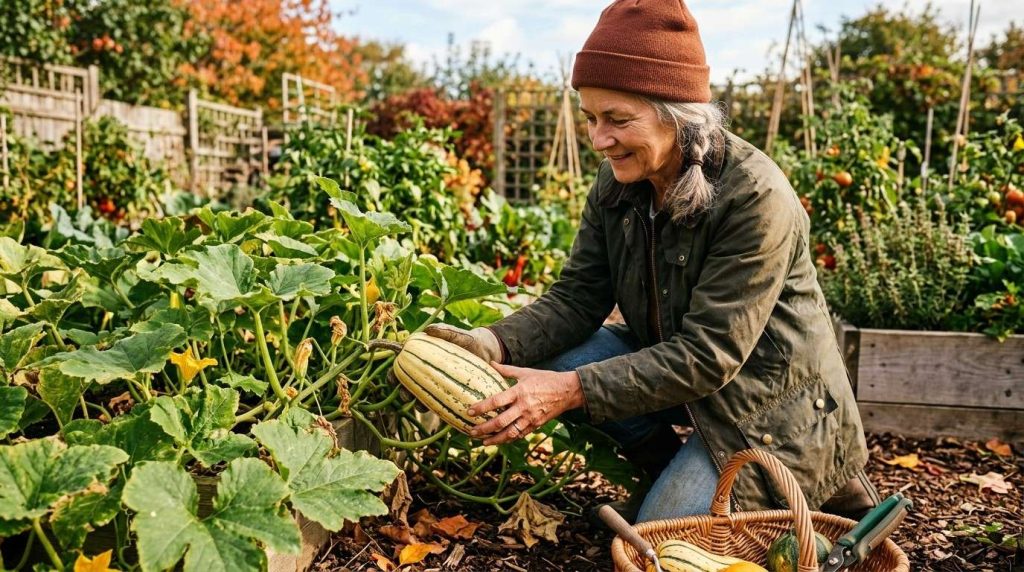
Delicata squash, sometimes called sweet potato squash, is a type of winter squash. Unlike summer squash, which is picked immature, winter squash is harvested when mature and fully ripened on the vine. Delicata has a thin, cream-colored skin with green or orange stripes, and its flesh is sweet and smooth.
One reason delicata is so popular is that you don’t need to peel it. The skin softens during cooking, making it easy to prepare. It’s also a productive plant: a single vine can produce many squash in a season. But to get the most from your crop, timing the harvest is crucial.
To know when to pick, it helps to understand the growth stages of delicata squash:
Each stage has signs you can watch for, but the last two are most important for harvest.
Harvesting at the right time means checking several signs, not just the calendar. Here are the main things to look for:
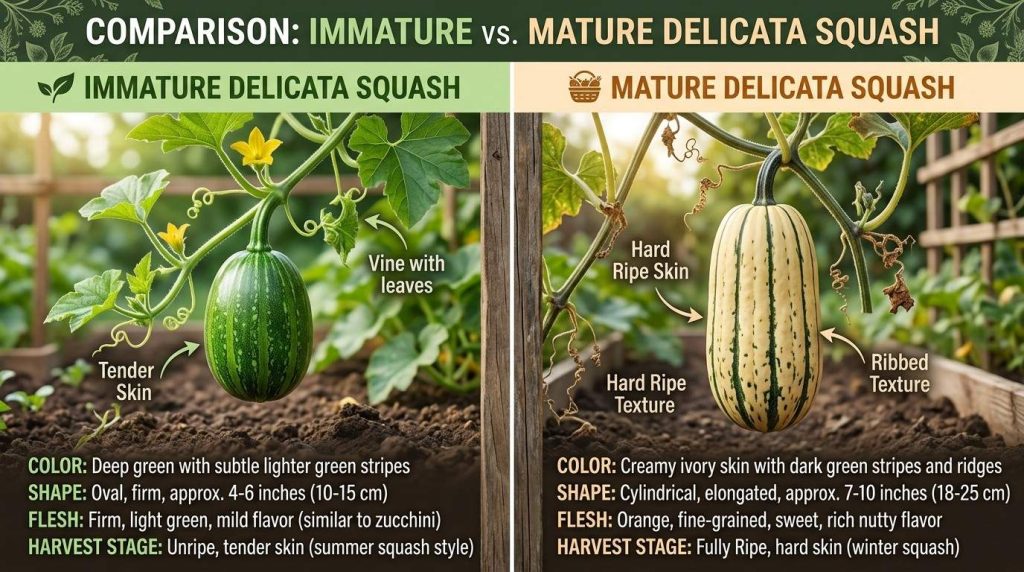
The most obvious sign is color change. Immature delicata squash are pale green with faint stripes. As they ripen, the background color turns creamy yellow, and the stripes become dark green or orange. A fully ripened squash will look vibrant, not dull or faded.
Press your fingernail gently into the skin. If it punctures easily, the squash is not ready. Mature delicata has a firm, tough rind that resists pressure. This tough skin helps the squash store longer and signals that sugars have developed inside.
The stem is a reliable indicator. When the squash is mature, the stem attached to the fruit becomes dry, hard, and corky. A green or soft stem means the fruit is still growing. Wait until the stem turns tan or brown for best results.
Delicata squash typically reaches maturity 80-100 days after planting. If you kept track of when the first fruits formed, count about 50-60 days from that point. Weather can speed up or slow down this process, so combine this with other signs.
If the vine is still green and vigorous, the squash may need more time. When the plant begins to die back—leaves yellow, vines dry out—it’s a natural signal that harvest time is near.
Pick up a squash and tap it gently. A mature delicata will sound hollow, while immature fruit sounds dull. This isn’t as reliable as other methods but can help confirm your decision.
Choosing the right time to pick delicata squash affects:
If you harvest too soon, the flavor will be bland, and the squash may spoil quickly. Waiting too long can expose the fruit to frost, pests, or rot.
Follow these steps to ensure you harvest at the best time:
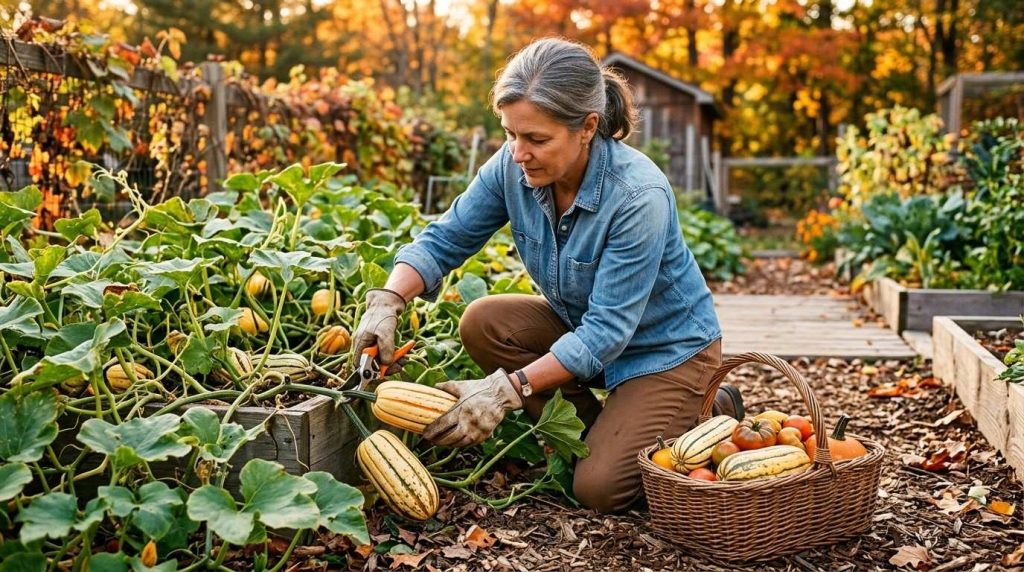
To pick, use clean, sharp pruners or a knife. Cut the stem 1-2 inches above the fruit. Leaving a short stem reduces the risk of rot during storage. Handle squash gently—bruises can cause spoilage.
Even experienced gardeners make mistakes with winter squash. Here are some common errors and how to avoid them:
Many people get excited and harvest as soon as the squash look big enough. This results in poor flavor and short shelf life. Always wait for the full color change and hard rind.
Delicata squash doesn’t store as long as other winter squash types. If you leave it too long, the rind can crack, or the fruit may rot in wet weather. Pick as soon as the vine starts to decline.
Cutting the stem flush with the fruit can open a path for bacteria. Always leave a short stem attached.
A sudden frost can ruin your crop. If a frost is predicted, harvest all mature squash—even if a few are not fully ripe. Immature squash won’t store as well, but it’s better than losing the whole harvest.
Rough handling causes bruises and cuts. These spots rot quickly in storage. Always handle delicata squash gently, and avoid stacking them more than two layers high.
Here’s a quick reference to help you decide if your delicata squash is ready to pick:
| Feature | Immature Squash | Mature Squash |
|---|---|---|
| Skin Color | Pale green, faint stripes | Creamy yellow, bold stripes |
| Rind Hardness | Soft, easily punctured | Hard, resists fingernail |
| Stem | Green, flexible | Dry, corky, tan or brown |
| Sound | Dull thud | Hollow sound |
| Flavor | Bland, less sweet | Rich, sweet, nutty |
| Storage Life | Short (1-2 weeks) | Long (up to 3 months) |
In most climates, delicata squash is ready to harvest from late August to early October. The exact timing depends on when you planted and your local weather. For example:
Always check the 10-day weather forecast in late summer. If a cold snap is coming, it’s better to pick slightly early than lose your crop.
Delicata squash needs warm days and cool nights to ripen fully. Hot, dry weather can speed up maturity, while cool, rainy weather can slow it down. If you have a wet fall, check your squash more often for signs of rot or mildew.
Frost is the biggest risk. Even a light frost (32°F or 0°C) can damage the fruit, causing watery spots and poor storage. If you expect a frost, pick all squash with mature color and hard skin, even if the stem is a bit green.
This simple chart shows typical harvest windows for delicata squash in different US regions.
| Region | Typical Planting | Harvest Window |
|---|---|---|
| Northern US (zones 3-5) | Late May - Early June | Early September |
| Midwest/Northeast | Late May | Late September |
| Pacific Northwest | Late May | Late September - Early October |
| Southern US (zones 7+) | Early May | October |
Unlike butternut or acorn squash, delicata has a thin skin and does not need long curing. However, a short curing period improves flavor and storage.
Curing helps the skin harden further and allows any small wounds to heal. After curing, move squash to cool storage.
Proper storage keeps your delicata squash fresh for up to three months. Here’s what you need to know:
Do not store delicata squash in the refrigerator—temperatures are too cold and cause the flesh to break down. A basement, pantry, or unheated room works well.
Check your squash weekly. Use any with soft spots or blemishes first.
To help you plan your harvest and storage, here’s how delicata compares with other winter squash:
| Squash Type | Shelf Life (months) | Skin Thickness | Flavor |
|---|---|---|---|
| Delicata | 2-3 | Thin, edible | Sweet, nutty |
| Butternut | 4-6 | Thick, hard | Sweet, rich |
| Acorn | 2-3 | Medium | Mild, slightly sweet |
| Spaghetti | 2-4 | Medium | Mild, stringy |
Sometimes, you must pick delicata squash before it’s fully mature—because of frost, disease, or broken vines. While these won’t store as long, you can still use them:
Don’t expect the same sweet flavor, but they’re still good in recipes that add spices or sauces.
After years of growing delicata squash, a few tips stand out for better results:
A less obvious but important tip: Don’t wash squash before storage. Moisture on the surface can lead to mold and rot. Just brush off loose dirt.
Many first-time growers wonder why their delicata squash doesn’t taste as sweet as store-bought, or why it spoils quickly. Often, the answer is harvest timing. Another missed detail is the effect of temperature swings late in the season—cool nights and warm days help concentrate sugars.
Finally, some gardeners don’t realize that cured and stored delicata squash may actually taste better after a few weeks in storage.
Once you’ve picked and stored your delicata squash, it’s time to enjoy them! Delicata is perfect for roasting, stuffing, or adding to soups and salads. The skin is edible, so prep is easy.
A simple way to cook: Slice squash into half-moons, toss with olive oil and salt, and roast at 425°F for 20-25 minutes. The result is sweet, caramelized, and nutritious.
If you want more creative recipes, check out trusted sites like Bon Appétit for inspiration.
If the skin is starting to shrivel, crack, or develop soft spots, the squash is likely overripe. Overripe delicata may also have a dull color and a dry, brittle stem. While still edible, the texture and flavor may suffer. Use these squash soon and don’t store them for long.
Yes, you can eat immature delicata squash, but the taste will be less sweet, and the texture may be watery. If you must harvest early (due to frost or vine damage), use them in recipes with strong flavors or sauces to enhance their taste.
A short curing period (7-10 days in a warm, dry place) is helpful. It allows the skin to harden and small wounds to heal, which improves storage. However, delicata does not need as long a cure as butternut or other thick-skinned squash.
The most common reasons are early harvest or poor ripening conditions. Squash picked before full color and rind hardness won’t develop full sweetness. Cool night temperatures and warm days at the end of the season help sugars build up. Also, let squash rest for 1-2 weeks after harvest for even better flavor.
If picked at full maturity, cured, and stored properly, delicata squash lasts 2-3 months. Check for signs of rot or soft spots every week. Use any damaged squash first, as it will not store as well.
Harvesting delicata squash at the right time can transform your garden’s bounty into a delicious, long-lasting treat. By watching for key signs—color, rind hardness, and stem dryness—you’ll enjoy the sweet, nutty flavors that make this squash a fall favorite. With proper handling and storage, your delicata squash will stay fresh for months, giving you healthy meals deep into winter.