Gardening Made Simple.
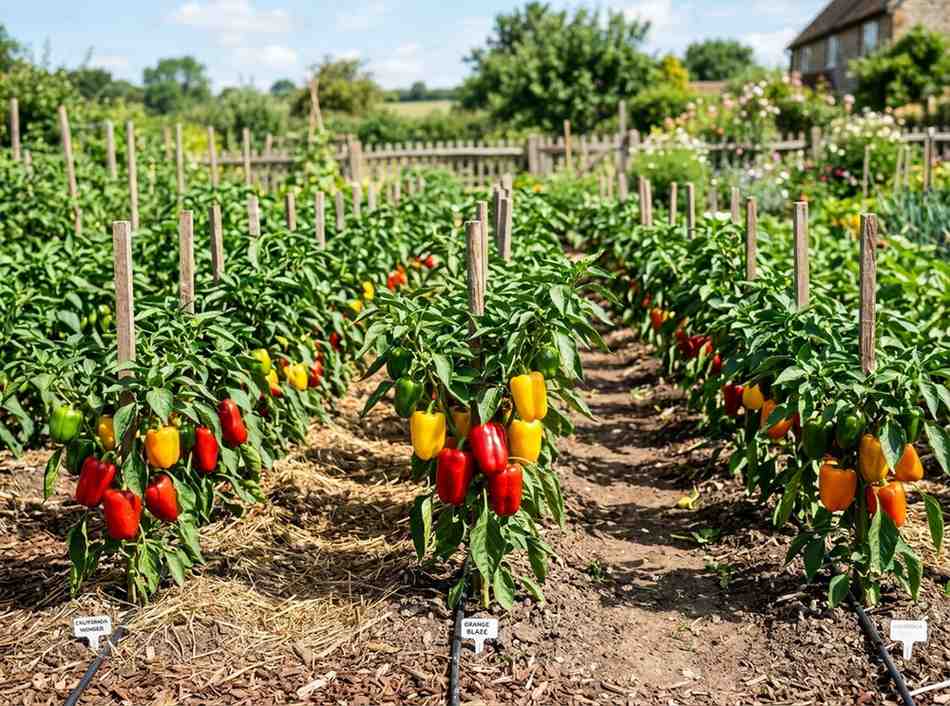
Growing bell peppers can be rewarding for both beginners and experienced gardeners. These colorful vegetables add flavor and nutrition to meals, and they thrive in many home gardens. But one question often comes up: how far apart to plant bell peppers for healthy growth and high yields?
The answer isn’t just a number—it depends on your climate, soil, gardening style, and the pepper variety. If you plant them too close, the plants compete for sunlight and nutrients. Too far apart, and you waste space and risk lower yields. Understanding the right spacing makes all the difference.
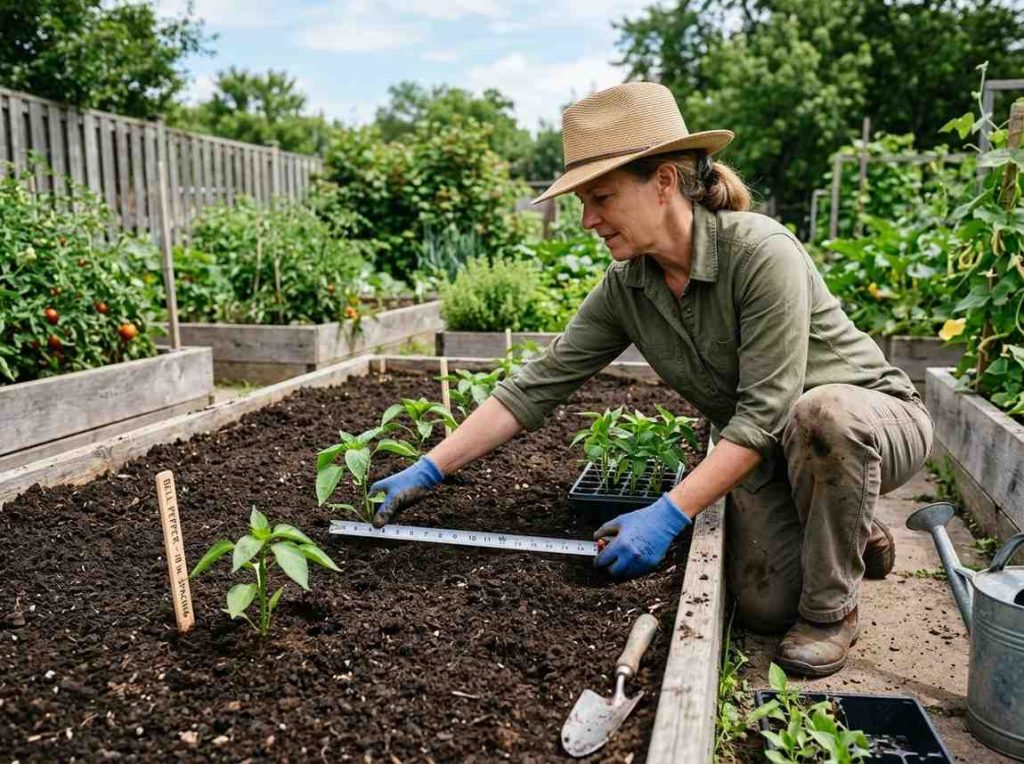
Let’s explore everything you need to know about planting bell peppers with the correct spacing. We’ll look at scientific recommendations, real-world examples, and practical advice for different garden setups. Whether you grow in containers, raised beds, or traditional plots, you’ll find guidance to help your bell peppers thrive.
Bell peppers need space—not just for roots, but also for leaves and stems. Proper spacing affects several key factors:
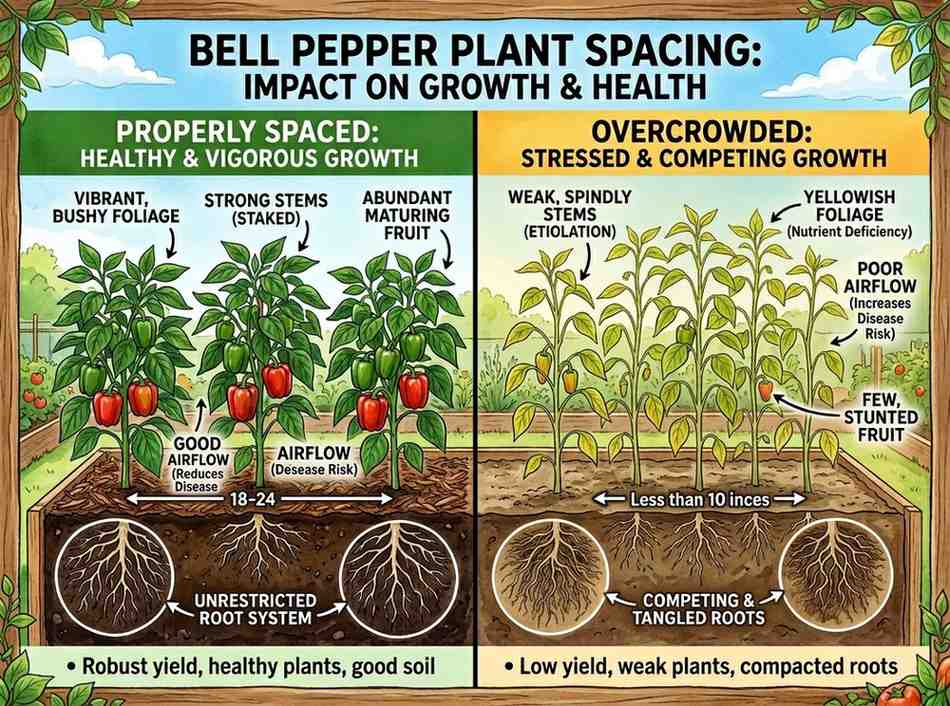
When bell peppers are crowded, leaves overlap and block sunlight. Moisture lingers, creating a breeding ground for mold and bacteria. Roots fight for resources, leading to stunted growth and smaller fruits. Well-spaced plants are easier to care for, harvest, and monitor for pests.
Most agricultural experts and seed companies suggest a simple guideline: 18 to 24 inches apart for bell pepper plants, measured stem-to-stem. This spacing works for most home gardens and commercial fields.
But let’s break down the options based on different methods:
| Planting Method | Recommended Spacing | Notes |
|---|---|---|
| Traditional garden rows | 18–24 inches between plants 24–36 inches between rows | Allows easy access for weeding and harvesting |
| Raised beds | 15–18 inches between plants | Closer spacing is possible due to improved drainage |
| Containers | 1 plant per 12–14 inch pot | Ensure enough soil depth (at least 10 inches) |
These numbers aren’t random. Several studies and gardening trials show that bell peppers spaced at 18–24 inches produce larger, healthier fruits and reduce disease risk. For example, research from the University of California found that peppers spaced at 24 inches had up to 15% higher yields than those planted closer together.
Spacing isn’t one-size-fits-all. Consider these factors before deciding how far apart to plant your bell peppers:
Some bell pepper varieties grow bushier or taller than others. Classic blocky peppers like ‘California Wonder’ need more space, while compact varieties like ‘Mini Bell’ can be planted closer.
In humid regions, wider spacing (24 inches) helps prevent fungal diseases by improving air flow. In dry climates, you can plant a bit closer.
Rich, well-amended soil lets you plant peppers closer together. Poor soil means you should space them further apart so each plant can access enough nutrients.
If your garden gets less than 6 hours of sunlight a day, wider spacing helps maximize what each plant receives.
Are you planting in rows, blocks, or containers? Each method affects how you space your peppers. For example, in square-foot gardening, one bell pepper per square foot is common—but yields may be lower if the variety is large.
Getting the spacing right starts with accurate measurement. Here’s a simple approach:
Avoid guessing—eyeballing distance often leads to crowded plants.
Bell peppers grow well in several types of gardens. Let’s look at spacing for each:
Rows are common for larger gardens. Follow these steps:
Rows make it easier to weed, water, and harvest. Wide rows also improve air flow.
Raised beds drain better and allow closer spacing:
Raised beds suit smaller gardens and let you grow more peppers in less space. Just don’t overcrowd—roots still need room.
Bell peppers can thrive in pots on balconies or patios. The key is enough soil and space:
If you use grow bags or larger containers, you can plant two peppers, but space them well.
Spacing affects both the health of your bell pepper plants and how many fruits you get. Let’s look at real data:
| Spacing | Yield per Plant | Disease Risk |
|---|---|---|
| 12 inches | Low (smaller fruits, fewer peppers) | High (crowded, poor airflow) |
| 18 inches | Moderate to High | Moderate (better air, some overlap) |
| 24 inches | High (large, healthy fruits) | Low (good airflow) |
| 36 inches | Very High (but less efficient use of space) | Very Low |
As you can see, 18–24 inches strikes a balance. Wider spacing helps prevent problems, but very wide spacing (over 36 inches) wastes garden space.
If you want practical steps, follow this guide:
Even experienced gardeners can make mistakes with pepper spacing. Here are some pitfalls to avoid:
Let’s look at a few real-life examples to see how spacing affects bell pepper plants:
These examples show that while guidelines are helpful, local conditions matter. Test different spacings in your own garden and observe the results.
Bell peppers are vulnerable to pests like aphids, spider mites, and diseases such as blight and mildew. Spacing plays a big role in managing these threats:
If you see yellowing leaves or spots, check your spacing. Sometimes simply thinning plants can solve the problem.
Bell peppers don’t stay the same size. As they grow, their needs change:
If you start with seeds, don’t worry about spacing until you transplant. But after transplanting, keep your peppers spaced properly for best results.
To get the most from your bell peppers, try these expert tips:
Many beginners don’t realize that peppers continue to expand for weeks after flowering. Make sure you leave enough space for this growth.
Bell peppers have unique spacing needs compared to other popular vegetables. Here’s a quick comparison:
| Vegetable | Recommended Spacing | Notes |
|---|---|---|
| Bell peppers | 18–24 inches | Needs good airflow |
| Tomatoes | 24–36 inches | Can get very large |
| Eggplants | 18–24 inches | Similar to peppers |
| Cucumbers | 36–48 inches | Need space to sprawl |
| Lettuce | 8–12 inches | Compact growth |
Notice that bell peppers share spacing needs with eggplants, but not with sprawling crops like cucumbers.
Studies from agriculture universities show that spacing affects both plant health and productivity. For example:
These numbers highlight the importance of following recommended spacing for best results. For more in-depth data, see this Wikipedia article on bell peppers.
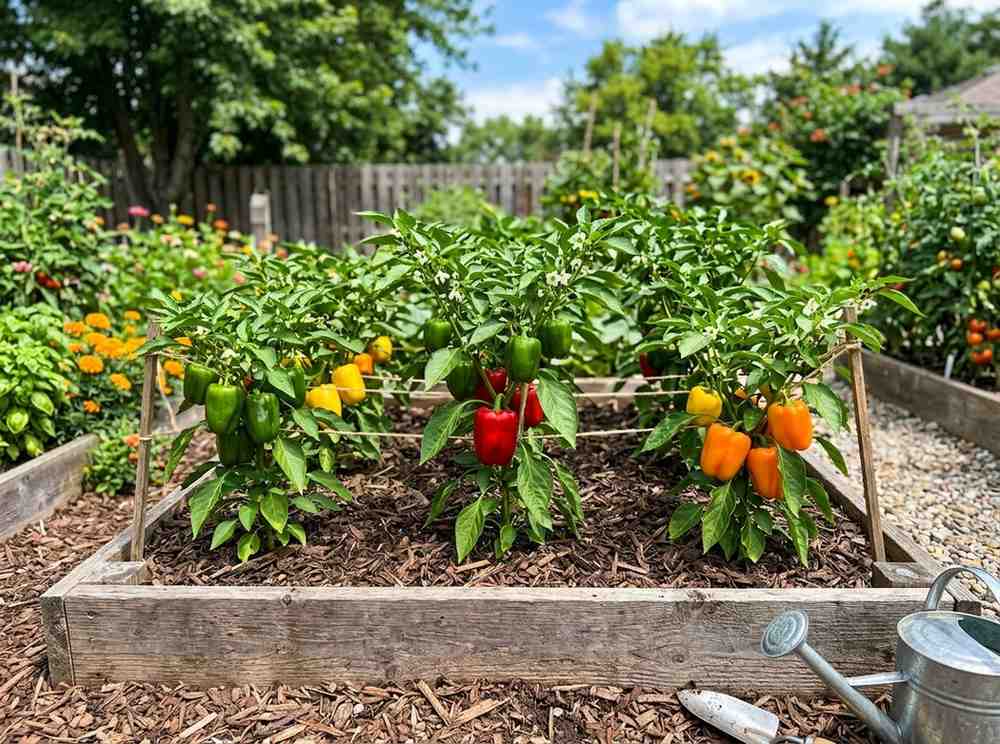
Plant one bell pepper per container that’s at least 12–14 inches wide. If you use larger pots, keep peppers at least 12 inches apart inside the container. Too close, and they compete for soil and water.
Yes, you can plant bell peppers 15–18 inches apart in raised beds, as long as the soil is rich and drains well. Raised beds allow closer spacing because roots grow deeper and air circulation is better.
Crowded bell peppers may have smaller fruits, higher disease risk, and weaker growth. Leaves overlap, blocking sunlight and trapping moisture. Plants also compete for nutrients and water, leading to stunted development.
Absolutely. Large varieties need more space (20–24 inches), while compact types can be planted closer (12–15 inches). Always check the seed packet or plant tag for variety-specific advice.
For best results, plant bell peppers 18–24 inches apart in rows with 24–36 inches between rows. Use rich, well-draining soil and rotate crops each year. This setup balances yield, health, and garden space.
Growing bell peppers is about more than just planting and watering. Proper spacing helps you get bigger, healthier fruits and reduces problems with pests and disease. By following expert advice and adjusting for your local conditions, you can enjoy a successful harvest—whether you grow in rows, beds, or containers.
Don’t be afraid to experiment with spacing and learn what works best for your garden. With the right approach, your bell peppers will flourish and add color to your meals for months to come.