Gardening Made Simple.
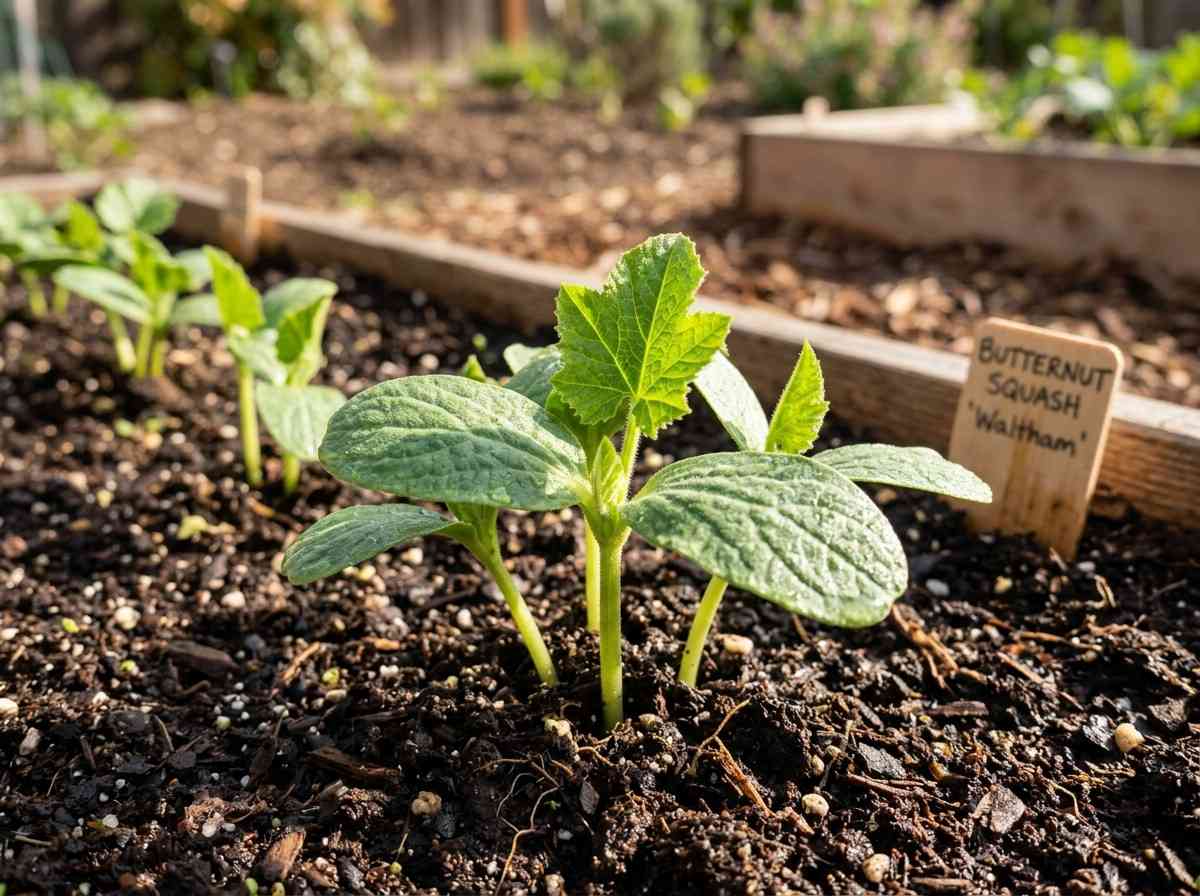
Butternut squash is a favorite in home gardens because of its sweet flavor, creamy texture, and long storage life. Planting Butternut Squash from Seed may seem challenging at first, but with the right techniques, even beginner gardeners can grow healthy plants and enjoy a plentiful harvest.
This guide will take you through every stage—from choosing seeds to picking ripe squash—using clear, simple language and practical advice.
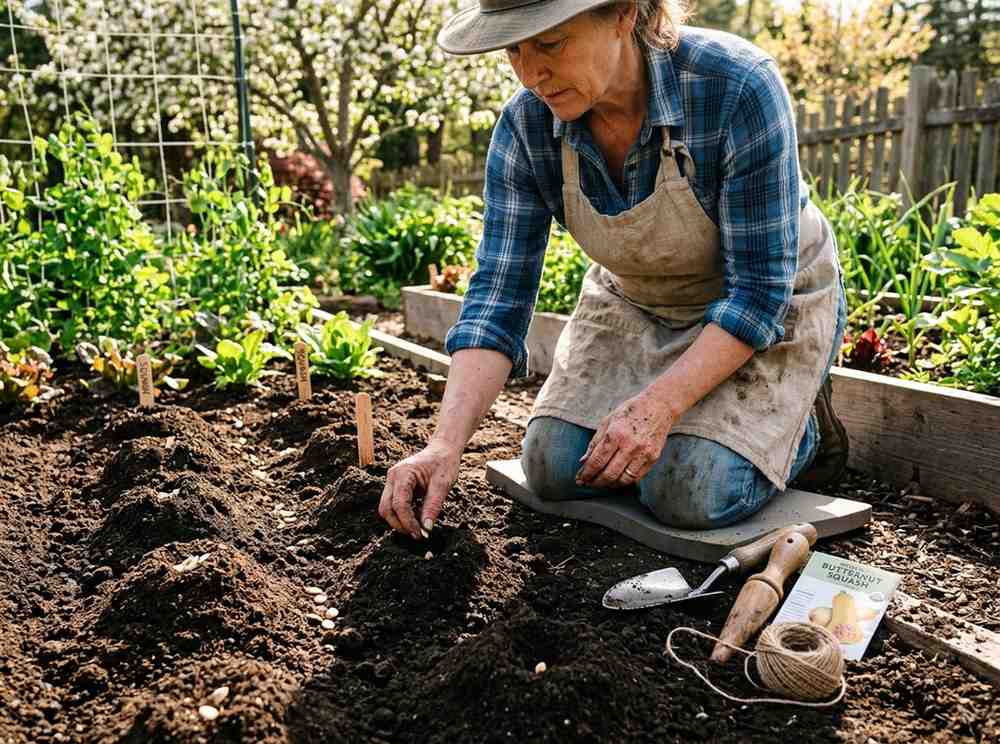
Starting butternut squash from seed has several advantages. First, seeds are usually cheaper than starter plants. You also get a wider choice of varieties, some of which may not be available as seedlings. By planting seeds directly, you help the plant develop a strong root system from the start, which leads to healthier vines and better yields.
Another benefit is control. You know exactly how your plants are raised, so you can avoid chemicals or choose organic practices. And there’s a real sense of achievement when you watch a tiny seed become a big, productive vine.
Butternut squash (Cucurbita moschata) is a type of winter squash that stores well and is packed with nutrients. Each fruit usually weighs 2–5 pounds and has tan skin with orange flesh inside. The vines can grow very long—sometimes up to 15 feet—so they need space to spread out.
Butternut squash is warm-season and frost-sensitive. It takes around 80–110 days to reach maturity, depending on the variety and growing conditions. The plant prefers full sun and rich, well-drained soil.
Some common varieties include:
Choosing the right variety depends on your space, climate, and taste preferences.
Before you plant, some planning helps ensure success.
Butternut squash needs warm soil to sprout. The best time to plant seeds outdoors is after the last frost when soil temperatures reach at least 60°F (16°C). In most regions, this is late spring. If you have a short growing season, start seeds indoors 2–4 weeks before the last frost date.
Each plant needs plenty of room. Vines may spread 6–15 feet, although bush types are more compact. Plan for about 4–6 feet between plants or hills.
Full sun (6–8 hours daily) is essential for good growth and fruit development. Avoid shady spots or crowded beds.
Selecting high-quality seeds is the first step.
Look for seeds from reputable suppliers. Organic and heirloom seeds are available from many sources. If you saved seeds from last year’s squash, make sure they came from an open-pollinated variety for best results.
Butternut squash seeds stay viable for 4–6 years if stored in a cool, dry place. Older seeds may have lower germination rates.
Butternut squash seeds do not need special treatment, but soaking them in warm water for 2–4 hours before planting can help speed up germination.
Healthy soil is the foundation for strong plants.
Butternut squash grows best in loamy, well-drained soil with lots of organic matter. Avoid heavy clay or waterlogged areas.
Aim for a soil pH of 6.0–6.8. Mix in compost or aged manure before planting. A balanced fertilizer (such as 10-10-10) can boost early growth.
Loosen the soil to at least 12 inches deep. Remove rocks and weeds. Raised beds or mounds (hills) can improve drainage, especially in wetter climates.
Now you’re ready to plant. Here’s how to do it step by step.
If your growing season is short, start seeds indoors:
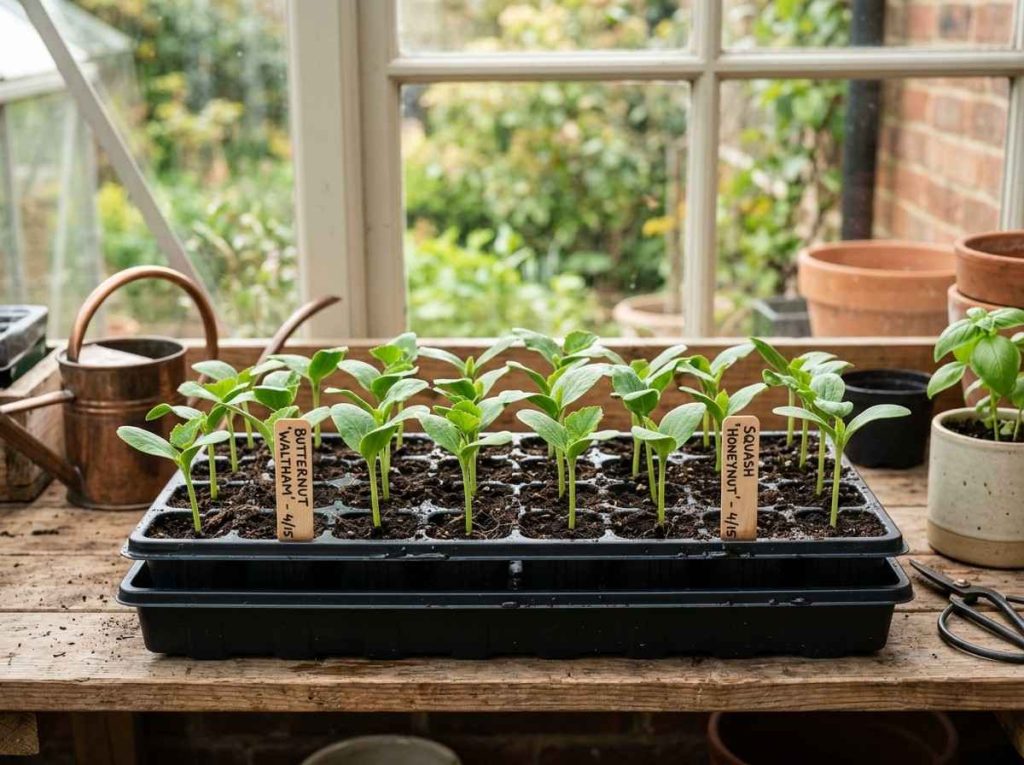
Proper watering and mulching are key for healthy vines and fruit.
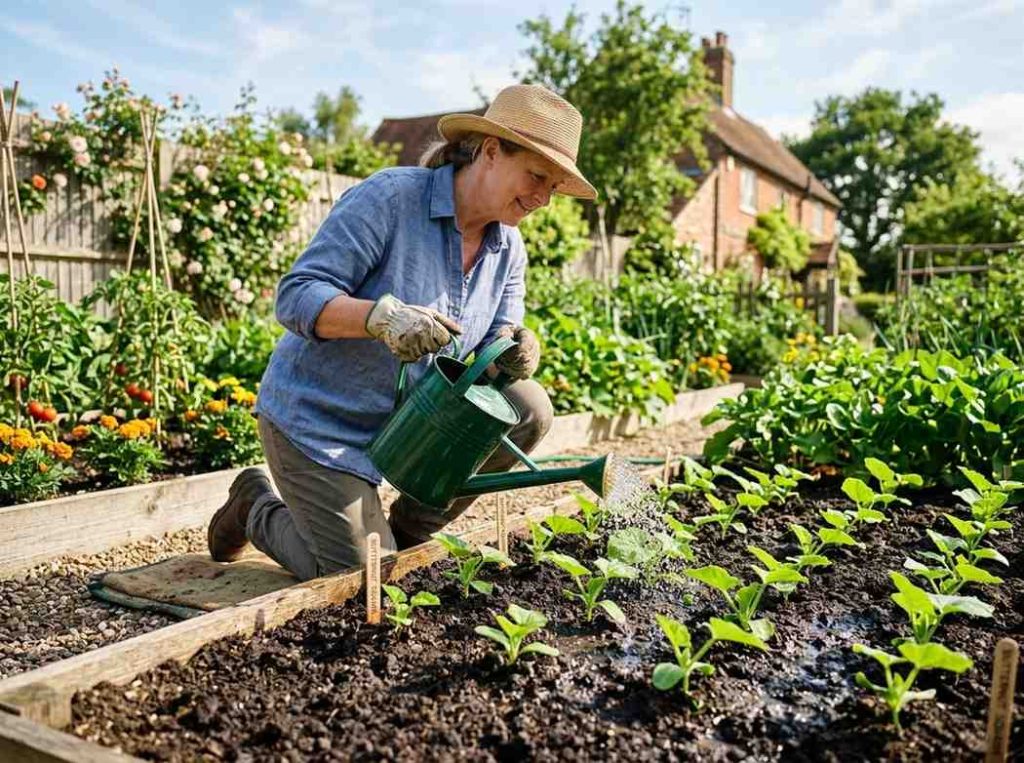
Butternut squash needs consistent moisture, especially during flowering and fruiting. Aim for about 1–1.5 inches of water per week, either from rain or irrigation.
A 2–3 inch layer of organic mulch:
While butternut squash vines often sprawl on the ground, you can also train them vertically.
Squash is a heavy feeder, so proper fertilization matters.
Butternut squash plants have separate male and female flowers. Bees and other pollinators move pollen from male to female flowers, which is needed for fruit to develop.
Butternut squash is tough, but some problems can appear. Here’s how to spot and handle the most common ones.
Some butternut squash types are bred for resistance to powdery mildew and other diseases. Check seed packets for this feature.
Regular maintenance keeps your plants healthy.
Weeds compete for water and nutrients. Remove them regularly, especially when plants are young. Mulching helps reduce weed growth.
Inspect leaves and stems every few days. Early action can stop pests or diseases from spreading.
Butternut squash usually doesn’t need pruning, but you can pinch off tips of long vines to encourage more fruit set and control size.
Even with good care, problems can arise. Here’s a quick comparison of symptoms and solutions:
| Symptom | Possible Cause | Solution |
|---|---|---|
| Yellow leaves | Overwatering, nutrient deficiency | Check soil moisture, fertilize appropriately |
| Small fruit | Poor pollination, lack of nutrients | Hand pollinate, add fertilizer |
| Wilting vines | Vine borers, root rot | Inspect stems, remove borers, improve drainage |
| White powder on leaves | Powdery mildew | Increase airflow, apply fungicide |
Knowing when and how to harvest is key for the best flavor and storage.
Curing helps harden the skin and improves storage life.
Properly cured butternut squash can last 2–4 months or longer.
A main reason people love butternut squash is its long storage life.
Butternut squash can be:
Tip: Save the seeds from your best fruits for next year. Clean and dry them thoroughly before storage.
It’s helpful to know how butternut squash stacks up against other types. Here’s a quick comparison:
| Squash Type | Flavor | Storage Life | Average Size |
|---|---|---|---|
| Butternut | Sweet, nutty | 2–4 months | 2–5 lbs |
| Acorn | Mild, slightly sweet | 1–2 months | 1–2 lbs |
| Spaghetti | Mild, stringy texture | 1–3 months | 2–4 lbs |
| Hubbard | Rich, sweet | 5–6 months | 10–20 lbs |
Butternut squash offers a good balance of flavor, storage, and manageable size, making it a popular choice for home gardeners.
Once you’ve mastered the basics, these tips can help you get more from your plants:
Insight: Many new gardeners forget that squash vines keep growing late into the season. By pinching off the ends of vines in late summer, you help the plant direct energy to maturing fruit instead of growing new leaves and flowers.
It’s easy to make errors when growing butternut squash, especially for the first time. Here are some mistakes and how to avoid them:
Non-obvious insight: Many gardeners think all the fruit must be harvested before the first frost. But if frost is light and only touches the leaves, mature fruit on the vine is often fine. Just harvest before a hard freeze.
For those in USDA zone 6 (average last frost: May 1):
Adjust dates for your local frost schedule.
In most US regions, May or early June is best. Wait until all danger of frost is gone and soil is at least 60°F (16°C). In warmer zones, you can plant as early as late April.
Yes, but choose a large container (at least 10 gallons). Use bush varieties, give plenty of sun, and water regularly. Trellis support helps keep vines manageable.
It usually takes 80–110 days from planting to harvest, depending on the variety and growing conditions.
Early in the season, plants produce mostly male flowers, which naturally drop off. If female flowers are falling, it may be due to poor pollination or stress from heat or drought.
After curing, keep squash in a cool (50–55°F), dry, well-ventilated space. Avoid stacking and check often for spoilage. Properly stored, squash can last up to 4 months.
Growing butternut squash from seed is rewarding and not as hard as it seems. With careful planning, good soil, and regular care, you can enjoy a harvest of sweet, nutty squash that lasts well into winter. For more tips on growing squash and other vegetables, check out resources like the University of Minnesota Extension. Happy planting!