Gardening Made Simple.

Many gardeners dream of a thriving vegetable garden packed with different plants. Tomatoes and squash are two of the most popular choices, but a common question arises: Can you plant squash and tomatoes together? The answer is not as simple as a yes or no. It depends on your garden goals, space, and how much care you can provide.
This article explores the science, practical strategies, and potential pitfalls of growing these two vegetables side by side. By the end, you’ll know whether companion planting tomatoes and squash is a smart move for your garden—and how to do it successfully if you decide to try.

Before you plant anything together, it’s important to understand what each plant needs. Both squash and tomatoes are warm-season crops, but their growth habits, root systems, and space requirements are quite different.
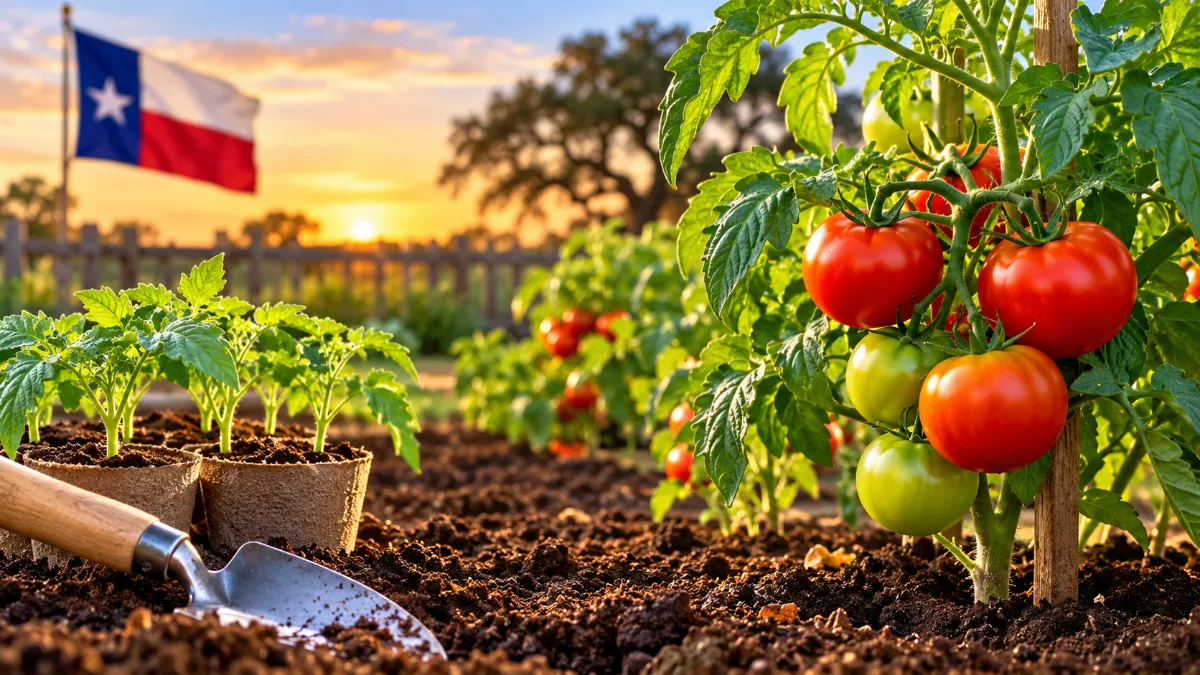
Tomatoes (Solanum lycopersicum) are vining plants that can grow upright or sprawl, depending on variety. They are heavy feeders and need rich, well-drained soil. Tomatoes prefer:
Most tomatoes are indeterminate, meaning they keep growing and producing fruit until frost. Their roots can go deep—sometimes up to 2–3 feet if the soil allows.
Squash (Cucurbita spp.) includes summer squash (like zucchini) and winter squash (like butternut or acorn). These plants have a sprawling, vining habit—some varieties can take up a lot of space. Squash prefers:
Summer squash usually grows as a bush but can still spread wide. Winter squash tends to vine further.
Here’s a side-by-side comparison to make it clearer:
| Characteristic | Tomatoes | Squash |
|---|---|---|
| Growth Habit | Vining (upright or sprawling) | Vining or bush (usually sprawling) |
| Root Depth | Deep (2–3 feet) | Shallow to moderate |
| Space Needed | 1–2 ft apart | 3–6 ft apart (vining types) |
| Support | Often needed | Rarely needed |
| Water Needs | Consistent | Consistent |
Companion planting is the practice of growing different plants together for mutual benefit. Some combinations help deter pests, improve flavor, or boost yields. Others can cause problems like increased disease or competition for resources.
Tomatoes are often grown with basil or marigolds to repel pests. Squash is commonly planted with corn and beans in the traditional “Three Sisters” method. But what about squash and tomatoes together?
Many gardening blogs and books mention companion planting, but some advice is based on tradition more than science.
What matters most is how you manage the plants—their spacing, support, and care.
If you want to try growing squash and tomatoes together, you’ll need a smart plan. Here’s how to set your garden up for the best chance of success.
Not all squash or tomatoes are created equal. Some varieties are easier to pair together.
Both plants are heavy feeders. Before planting, mix plenty of compost or well-rotted manure into the soil. Aim for a soil pH between 6.0–6.8.
A soil test helps you know if you need to add more nitrogen, phosphorus, or potassium.
Don’t crowd your plants. Good airflow prevents disease and gives each plant enough light and nutrients.
A good starting layout:
Here’s a simple visual comparison of spacing needs:
| Plant | Recommended Spacing | Notes |
|---|---|---|
| Tomato (staked) | 24–36 inches | Single stem, upright |
| Bush Squash | 36–48 inches | Compact, good for small spaces |
| Vining Squash | 48–72 inches | Needs room to spread |
Tomatoes need to go up. Stakes, cages, or trellises keep fruit off the ground and reduce disease risk. This also helps squash vines roam below without tangling with tomato stems.
For vining squash, consider a small trellis to keep some vines off the ground and direct them away from tomato plants.

Both plants like even moisture, but wet leaves invite disease. Water at the base of plants, not overhead.
Add a thick layer of organic mulch (like straw or shredded leaves) around both crops. This keeps roots cool, saves water, and helps prevent weeds.
Because both are heavy feeders, side-dress with compost or a balanced fertilizer every 3–4 weeks. If leaves turn yellow or growth slows, check for nutrient deficiency.
Monitor your garden often. Early detection is key.
Every garden is unique, but here are a few layouts and ideas that have worked for both small and large spaces.
This setup uses space efficiently while keeping plants separated.
This works well for patios or limited space.
Both plants need a lot of nutrients and water. If you don’t fertilize and water enough, one may out-compete the other. Usually, squash—especially vining types—can shade out tomatoes if left unpruned.
Some diseases like powdery mildew and early blight affect both crops. Planting together can create a humid microclimate, which can make things worse if you don’t provide enough airflow. Prune lower tomato leaves and guide squash vines to keep space between plants.
Squash flowers are large and bright, attracting bees. More bees can help pollinate tomatoes, but tomatoes are mostly self-pollinating. Still, more insect activity is generally good for the garden.
Squash leaves shade the soil, which can help keep tomato roots cool during heat waves. However, too much shade reduces tomato fruit production. Prune some squash leaves if you notice tomatoes getting less sun.
There are situations where planting squash and tomatoes together is a bad idea:
If you want the benefits of both crops but don’t want to risk problems, try these strategies:
The answer to “can you plant squash and tomatoes together? ” may change depending on your climate.
Your local extension service or master gardener group can give region-specific tips.
To help you decide quickly, here’s a summary:
| Pros | Cons |
|---|---|
| - Maximizes space - Suppresses weeds - Conserves soil moisture - Attracts pollinators | - Higher risk of disease - Competition for nutrients - Potential for overcrowding - Harder pest management |
Even with best practices, sometimes planting squash and tomatoes together doesn’t work out. Here’s what to do if things go wrong:
Learn from each season and adjust your spacing, variety choices, and care methods next time.

Some gardeners warn against this pairing because both crops are heavy feeders and susceptible to similar fungal diseases. If you don’t manage space, airflow, and nutrients carefully, one crop may suffer or both may get sick. However, with good planning, many gardeners have success.
It’s not recommended. Both need a lot of root space and nutrients. Sharing a container often leads to stunted growth. If you’re limited to containers, grow one crop per pot for best results.
For bush squash, keep at least 3–4 feet between each plant and the nearest tomato. For vining squash, space even wider—4–6 feet is ideal. This spacing gives enough room for growth and airflow, reducing disease risk.
Straw, shredded leaves, or grass clippings work well for both tomatoes and squash. Apply a 2–4 inch layer around plants, but keep mulch a few inches away from stems to prevent rot and pest problems.
A good resource is the Wikipedia page on companion planting. It offers research links, plant lists, and more background on which crops grow well together.
Planting squash and tomatoes together is possible, but it takes more attention and care than many gardeners expect. If you manage space, nutrients, and airflow wisely, you can enjoy a bountiful harvest from both crops. If you’re new to gardening, start small, observe, and adjust—your garden will teach you what works best in your unique space.