Gardening Made Simple.
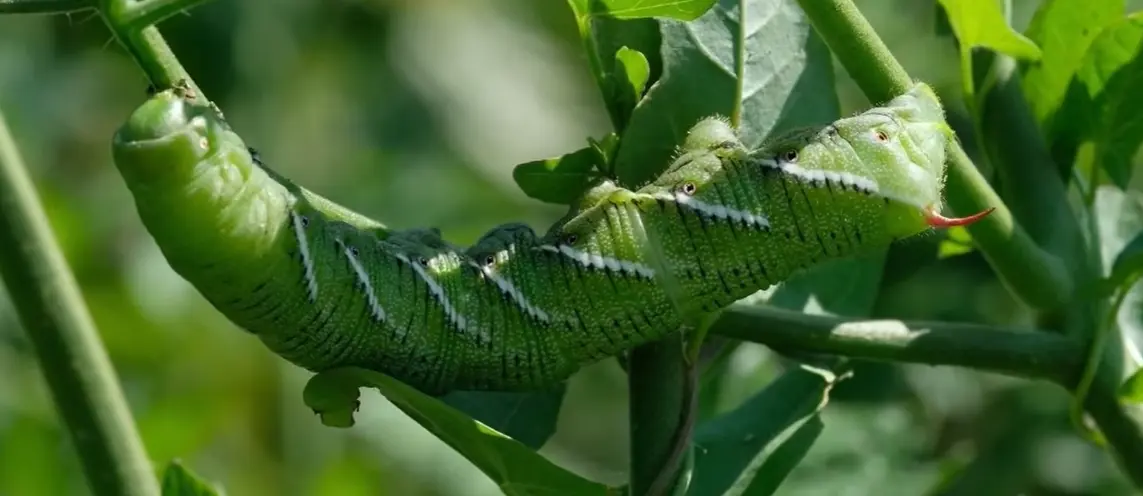
Are you tired of seeing your tomato plants damaged by huge, green caterpillars? How to Get Rid of Tomato Hornworms is essential knowledge for gardeners, helping you protect your plants and ensure a healthy, bountiful harvest.
But don’t worry—you can protect your tomatoes and keep your plants healthy. You’ll discover simple and effective ways to get rid of tomato hornworms for good. Keep reading to save your garden and enjoy a bountiful harvest this season!
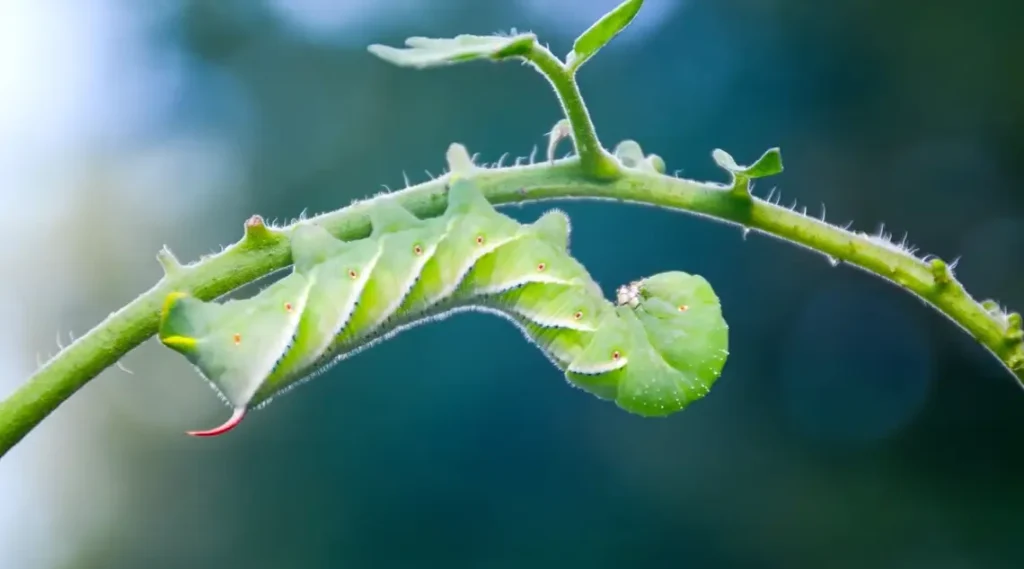
Tomato hornworms can cause serious damage to your tomato plants. Knowing how to identify them early helps protect your garden. This section explains how to spot these pests and signs of their presence.
Tomato hornworms are large, green caterpillars. They can grow up to 4 inches long. Their bodies have white and black markings. A horn-like projection sticks out from their rear. This horn is usually blue or black. Their color helps them blend with tomato leaves. This makes them hard to see at first.
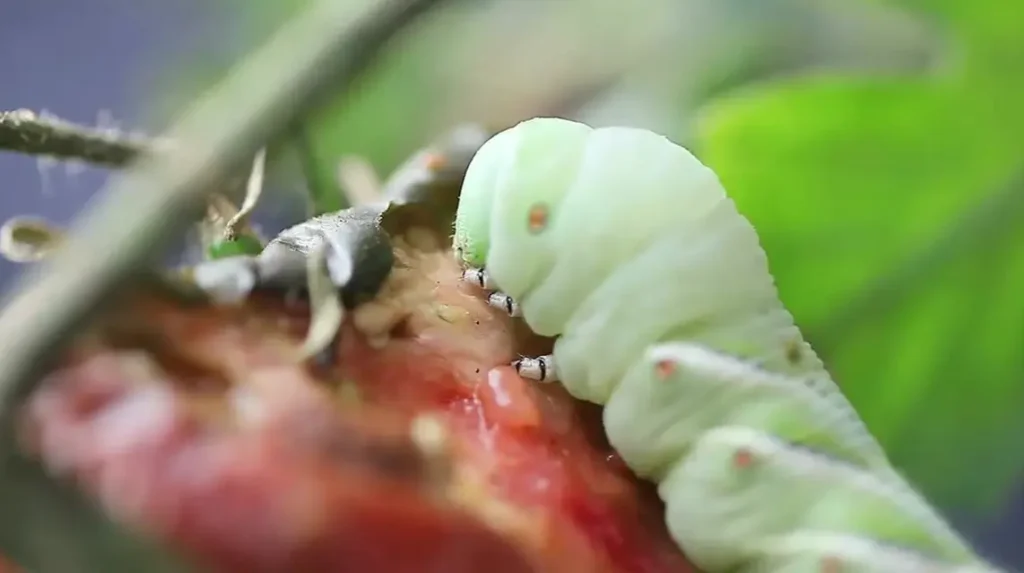
Look for leaves with large, irregular holes. Hornworms eat leaves, stems, and fruit. You may find green droppings on leaves or soil. Defoliated plants look weak and stressed. Fruits may have scars or damage. Sometimes, hornworms drop from plants when disturbed. Check the undersides of leaves for eggs or small caterpillars too.
Natural predators are a safe way to control tomato hornworms. These helpful creatures eat or kill hornworms. Attracting them to your garden reduces pest damage. You avoid using harsh chemicals that can harm plants and beneficial insects.
Many insects hunt tomato hornworms. Ladybugs eat hornworm eggs and small larvae. Lacewings feed on young hornworms and other pests. Parasitic wasps lay eggs inside hornworms. The wasp larvae then eat the hornworm from inside.
Grow flowers like dill, fennel, and yarrow. These plants attract parasitic wasps and ladybugs. Avoid using pesticides that kill beneficial insects. Let these natural hunters keep your garden safe.
Several bird species enjoy eating tomato hornworms. Birds like chickadees, wrens, and sparrows are common garden helpers. They spot and eat hornworms on leaves and stems.
Provide birdhouses and water sources. Plant shrubs or trees nearby for shelter. Creating a bird-friendly space invites these natural pest controllers.
Manual removal is a direct and effective way to control tomato hornworms. It involves physically taking the pests off your plants. This method works well for small gardens and helps protect your tomatoes without chemicals. You can spot the hornworms easily because of their large size and bright green color. Regular checking keeps your plants safe and healthy.
Wear gloves to protect your hands while picking hornworms. Look under leaves and along stems carefully. Hornworms blend in well with tomato leaves. Use a small container to collect them. Remove all you find to stop their spread. Do this early in the morning or late in the evening. These times are when hornworms are most active. Be gentle to avoid damaging your plants.
After collecting hornworms, you must dispose of them safely. Drop them in a bucket of soapy water to kill them quickly. Avoid tossing them on the ground, as they can crawl back. You can also feed them to birds or chickens if you have any. Another way is to seal them in a plastic bag and throw it in the trash. Proper disposal prevents the pests from returning to your garden.
Organic control methods help protect your tomato plants naturally. These methods avoid harmful chemicals that can hurt beneficial insects and soil health. Using organic treatments can keep your garden safe and healthy. Two effective options include neem oil and Bacillus thuringiensis (Bt). Both target tomato hornworms without damaging your plants or the environment.
Neem oil works as a natural pesticide against tomato hornworms. It comes from the neem tree and breaks the pest’s growth cycle. Spray neem oil directly on the affected leaves. Cover both top and bottom surfaces for best results. Repeat the spray every 7 to 10 days until hornworms disappear.
Neem oil also repels other harmful insects. It disrupts feeding and stops larvae from turning into adults. Apply neem oil in early morning or late evening to avoid leaf burn. Always follow product instructions for safe use.
Bacillus thuringiensis, or Bt, is a natural bacteria that kills caterpillars. It works by producing toxins inside the hornworm’s gut. These toxins stop the pest from eating and cause it to die. Bt is safe for humans, pets, and beneficial insects.
Apply Bt as a spray on tomato leaves where hornworms feed. Use it when you first see hornworm eggs or small larvae. Repeat the application every few days for full control. Bt breaks down quickly in sunlight, so regular spraying is important.
Using chemical solutions can help control tomato hornworms quickly. These pests can damage tomato plants fast. Chemicals offer a direct way to reduce their numbers. Safety is very important when using pesticides. Proper use protects you, your plants, and the environment.
Choose pesticides made for hornworms. Products with Bacillus thuringiensis (Bt) work well. Bt targets caterpillars but is safe for people and pets. Another option is spinosad, which kills hornworms effectively. Avoid broad-spectrum insecticides to protect beneficial insects. Always pick a pesticide labeled for tomato plants.
Read the pesticide label carefully before use. Wear gloves and protective clothing during application. Spray in early morning or late evening to reduce harm to bees. Apply pesticides evenly on leaves, especially the undersides. Repeat treatments as directed, usually every 7-10 days. Store chemicals safely, away from children and pets.
Stopping tomato hornworms before they start saves time and effort. Preventing future infestations keeps your garden healthy and your plants strong. Taking simple steps now can protect your tomatoes for many seasons.
Changing where you plant tomatoes each year reduces hornworm problems. These pests like to return to the same spot. Moving crops breaks their life cycle. It lowers the chance of eggs and larvae hiding in the soil.
Planting different vegetables in the same area also improves soil health. Strong soil helps plants resist pests naturally. Crop rotation is a smart, natural way to guard your garden.
Some plants keep hornworms away. Planting herbs like basil or marigolds near tomatoes helps repel pests. Their smell confuses hornworms and stops them from landing on your plants.
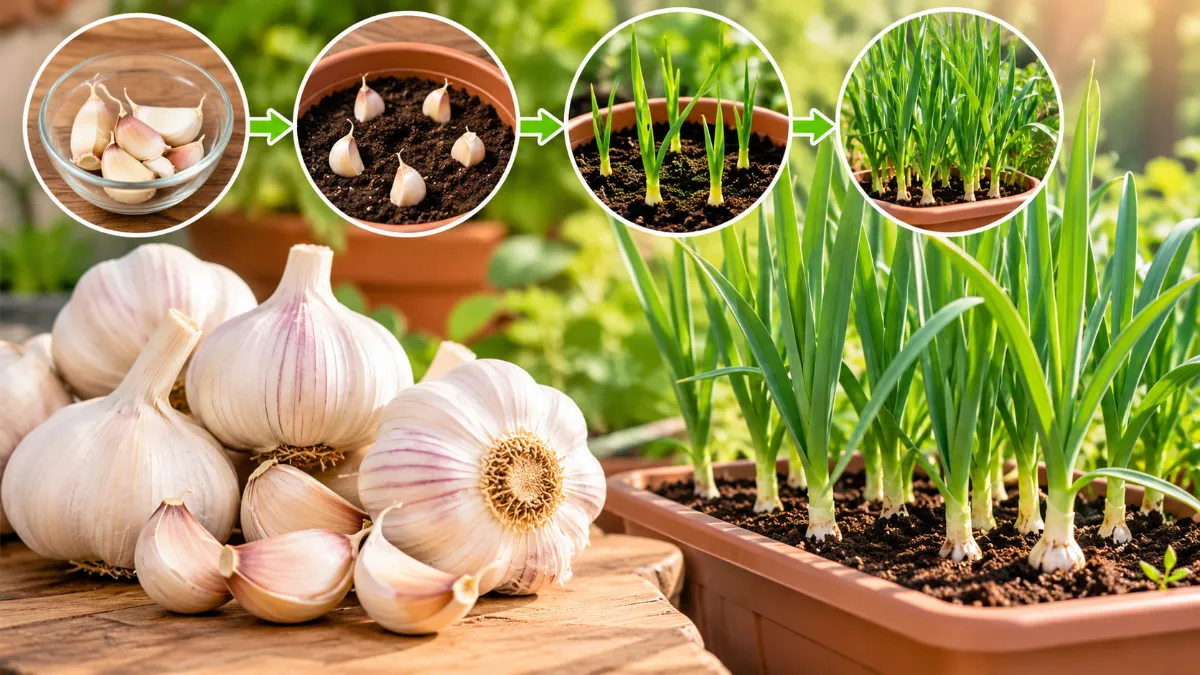
Other good companions include onions and garlic. These plants create a barrier that pests avoid. Companion planting supports natural pest control without chemicals.
Strong tomato plants face fewer problems with pests like tomato hornworms. Healthy plants grow fast and can recover better from damage. Maintaining good care helps prevent infestations. Focus on key habits that keep your tomatoes thriving.
Good watering and soil care build a strong base. These steps make plants less attractive to pests. Use these tips to keep your tomato garden healthy and pest-resistant.
Water tomatoes deeply but not too often. Deep watering encourages strong root growth. Shallow watering makes roots weak and plants stressed. Stressed plants attract more pests, including hornworms.
Water at the base of plants. Avoid wetting leaves. Wet leaves can cause diseases and attract pests. Early morning watering lets leaves dry quickly. This reduces the risk of problems.
Use well-drained soil with plenty of organic matter. Compost improves soil health and plant growth. Healthy soil supports strong roots and plants.
Apply balanced fertilizer for steady growth. Avoid too much nitrogen; it can cause leafy growth. Leafy plants may attract hornworms more. Follow package instructions for best results.
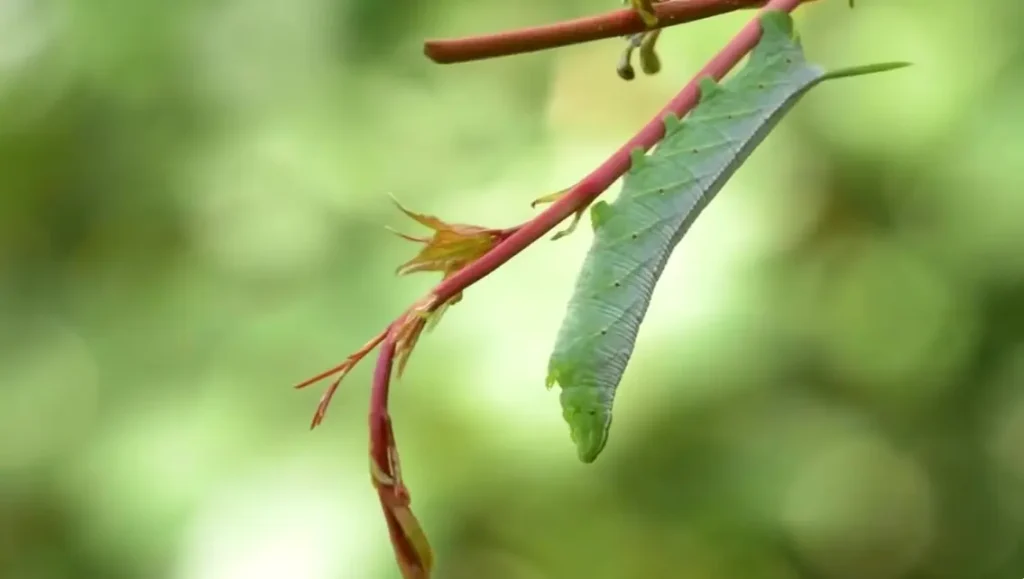
Tomato hornworms are large green caterpillars that eat tomato leaves and fruit, damaging plants quickly.
Look for chewed leaves, missing fruit, and green droppings on tomato plants.
Handpick hornworms off plants or use natural predators like parasitic wasps.
Sprays made from garlic or neem oil can repel or kill hornworms safely.
Early morning or late evening, when hornworms are less active, is best for removal.
Tomato hornworms can damage your plants quickly. Catch them early to stop harm. Handpick the worms off your tomatoes. Use natural predators like ladybugs to fight pests. Keep your garden clean and check plants often. Healthy plants resist pests better.
Small steps make a big difference. Protect your tomatoes and enjoy a better harvest. Stay patient and consistent with your care. Your garden will thank you.