Gardening Made Simple.
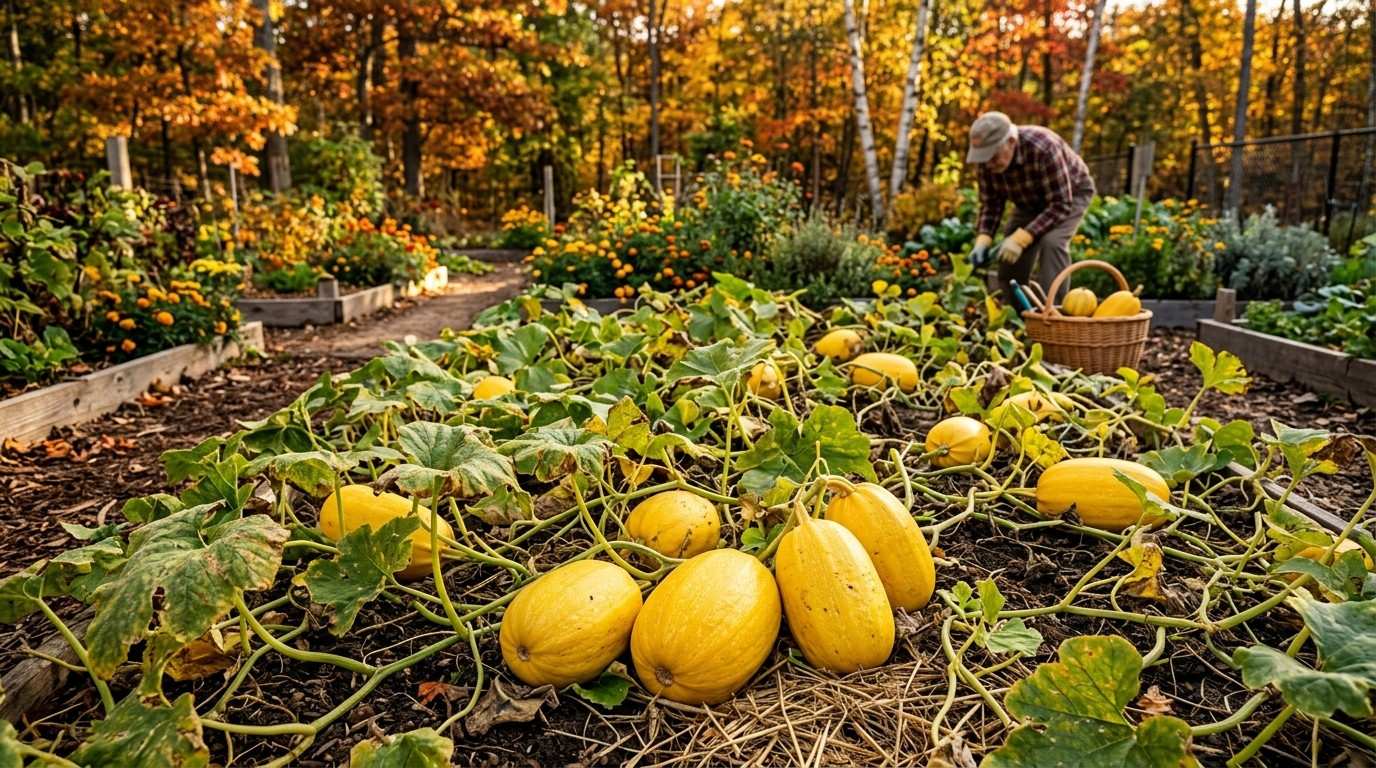
Spaghetti squash is one of those vegetables that surprises both new and experienced cooks. Its unique texture, which turns stringy like pasta after cooking, has made it popular for healthy meals and gluten-free diets. But if you want the best flavor and texture, knowing when is spaghetti squash in season is key.
Timing matters for taste, price, and even nutritional value. In this article, you’ll learn when to find the freshest spaghetti squash, how to identify peak season, and why it matters for your kitchen and health. Whether you are a gardener, shopper, or curious eater, you’ll find practical advice and helpful comparisons that clear up common confusion.
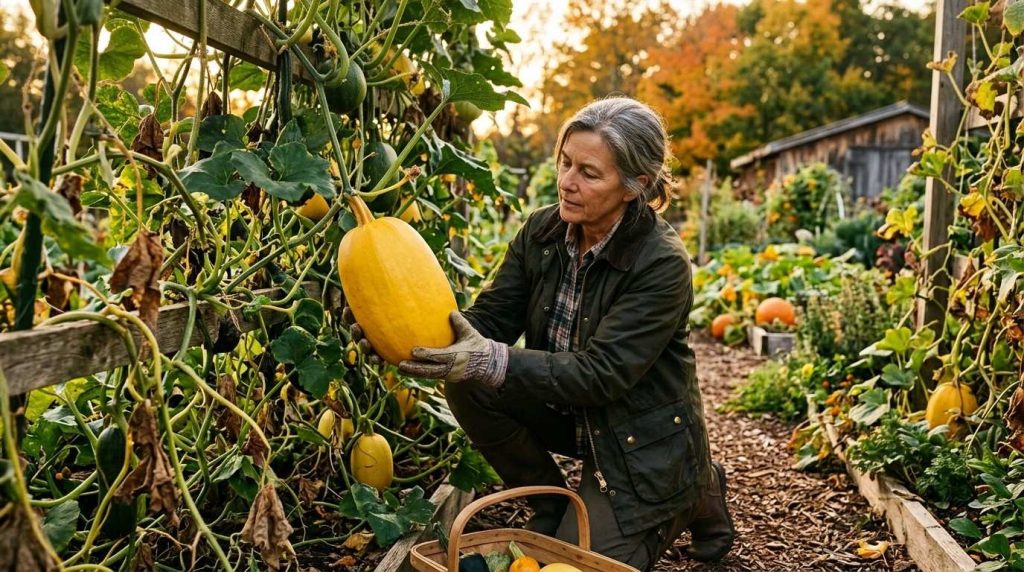
Spaghetti squash is a type of winter squash known for its oval shape, pale yellow skin, and unique interior. When cooked, its flesh separates into strands that look like spaghetti noodles. This vegetable is native to North and Central America and belongs to the Cucurbitaceae family, which includes pumpkins, gourds, and other squashes. Unlike summer squash, which has tender skin and matures quickly, spaghetti squash develops hard skin and stores well for months.
Nutritional value is another reason why it’s popular. One cup (155 grams) of cooked spaghetti squash contains:
Its mild flavor makes it a blank canvas for sauces and toppings, and it’s easy to prepare by roasting, microwaving, or boiling.
To answer “when is spaghetti squash in season,” it helps to understand how squash seasons work. There are two main types:
Spaghetti squash is not grown year-round in most places. It depends on climate, soil, and growing methods. The seasonal cycle affects how fresh, sweet, and affordable your squash will be.
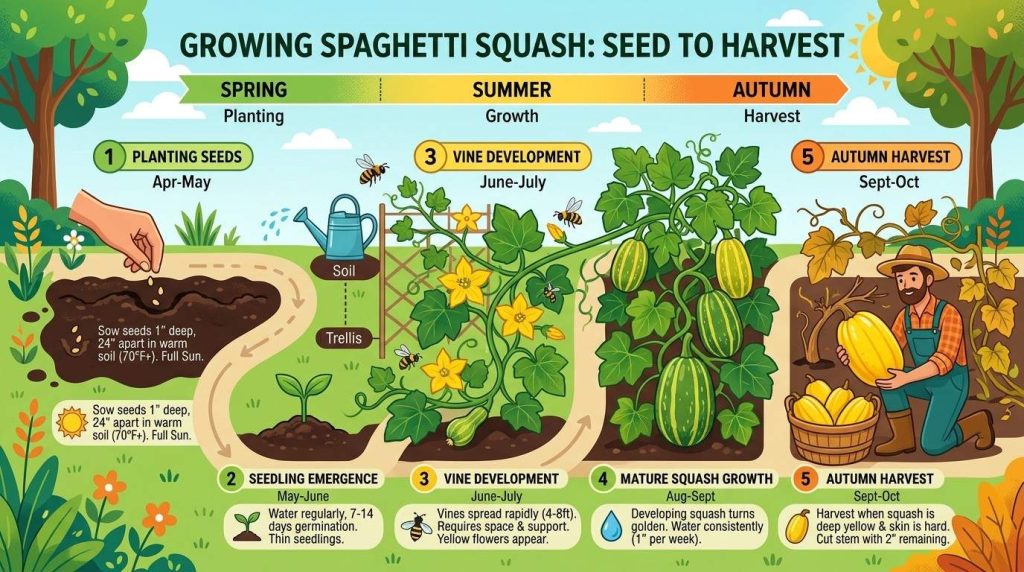
Spaghetti squash needs warm weather to grow. It’s planted after the last frost in spring and matures in late summer to early fall. In warmer regions (like California or Florida), the season can be longer, but in northern states, it’s shorter.
Here’s a quick comparison of regional seasons:
| Region | Planting | Harvest | Peak Availability |
|---|---|---|---|
| Northeast US | May-June | September-October | September-November |
| Midwest US | May-June | September-October | September-November |
| South US | April-May | August-September | August-October |
| West Coast | April-May | August-September | August-November |
Some growers use greenhouses or storage to extend the season, but the freshest squash is always local and in-season.
The main harvest season for spaghetti squash in the United States is late summer through fall. Most farmers plant squash seeds in spring, and the plants need about 90 to 100 days to mature. Harvest usually begins in late August and continues through October.
You’ll find the best, freshest spaghetti squash at local markets between September and November. In warmer climates, you might see it as early as August. Grocery stores may sell squash all year, but out-of-season squash is often older, stored for months, and less flavorful.
Several factors make fall the best time:
If you buy squash in winter or early spring, it was likely harvested earlier and stored. While it still tastes good, it may be less sweet and have drier flesh.
Spaghetti squash isn’t just popular in the US. It’s grown in Canada, Mexico, Europe, and Asia, though the season varies.
Availability in stores depends on local farming and imports. In some countries, spaghetti squash is rare and only found at specialty stores.
Here’s a quick look at how spaghetti squash season compares worldwide:
| Country/Region | Planting | Harvest | Peak Season |
|---|---|---|---|
| United States | April-June | August-October | September-November |
| Canada | May-June | September-October | September-October |
| Mexico | March-May | July-September | August-September |
| France | April-May | August-October | September-October |
| Japan | April-May | August-September | August-September |
Buying in-season squash is only part of the story. You also need to choose the freshest ones. Here’s how to tell:
Fresh, in-season squash is usually displayed prominently at markets in fall. If you’re unsure, ask the seller when it was harvested.
Eating in-season produce is not just a trend. It has real benefits:
Out-of-season squash is often shipped from far away or stored for months. This can cause loss of flavor and nutrients. For best results, buy during peak season and use within a few weeks.
If you want to control freshness, growing spaghetti squash is a rewarding option. Here’s a basic guide:
Growing your own lets you enjoy peak season flavor and save money.
Where you buy spaghetti squash affects freshness and price. Farmers’ markets offer local, just-harvested squash, while supermarkets may sell squash stored for months.
Comparison table:
| Source | Freshness | Price | Availability | Seasonal |
|---|---|---|---|---|
| Farmers’ Market | High | Low during season | Limited to fall | Yes |
| Supermarket | Medium/Low | Medium | Year-round | No |
For the best flavor, buy from farmers’ markets during fall. If you shop at supermarkets, check labels for origin and harvest date.
Using fresh, seasonal squash makes a big difference in your recipes. Here are some ideas:
In-season squash cooks faster and tastes sweeter. It’s also less watery, so dishes hold their shape.
Many beginners forget to check ripeness before cooking. Overripe or underripe squash can be bland or watery. Always use squash picked in peak season for best results.
Spaghetti squash is known for its long shelf life. If you buy in season, you can store it for months.
Never store spaghetti squash in plastic bags. Moisture causes mold and rot. If you notice soft spots or mold, throw it away.
Most new cooks don’t realize that even small changes in storage or harvest time affect flavor.
Avoid these mistakes to enjoy the best quality.
Eating spaghetti squash during peak season is good for the planet and your wallet.
If you care about sustainability, choose in-season, local squash whenever possible. For more on seasonal eating, check the Wikipedia page on seasonal food.
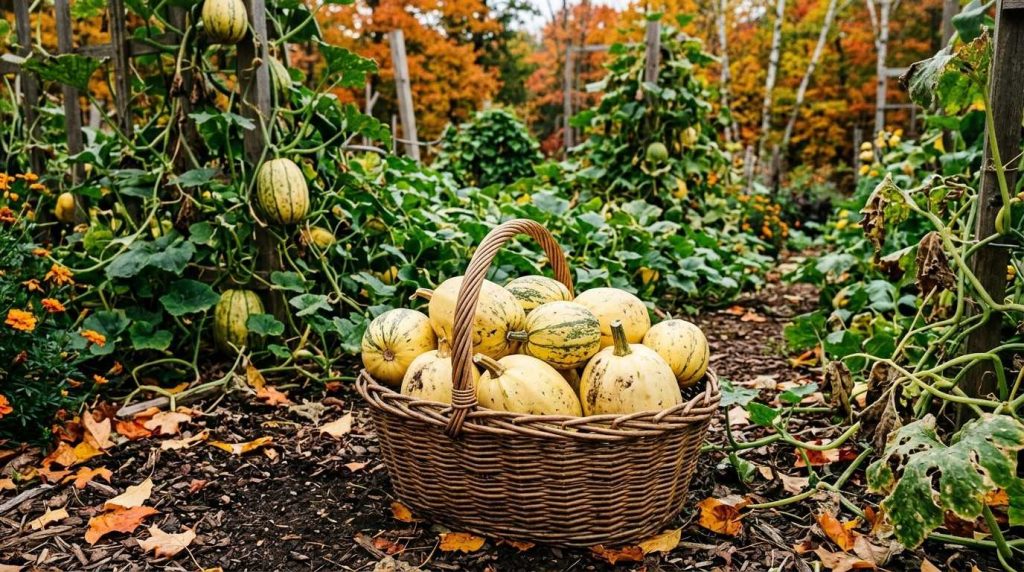
The best months to buy spaghetti squash are September, October, and November. That’s when local squash is freshly harvested and most flavorful.
You can find spaghetti squash in supermarkets year-round, but it’s only freshly harvested during fall. Off-season squash is usually stored or imported, so it may be less tasty.
Ripe spaghetti squash has hard, golden-yellow skin, a dry stem, and feels heavy for its size. Avoid squash with green patches or soft spots.
Yes. In-season squash is sweeter, juicier, and more tender. Stored squash can be dry and less flavorful. Cooking methods can help, but fresh squash always tastes better.
Yes, but you’ll need to start seeds indoors and transplant after the last frost. Choose varieties with shorter growing periods and protect plants from early frost for the best harvest.
Choosing the right time to buy or grow spaghetti squash makes all the difference. By understanding when spaghetti squash is in season, you’ll enjoy richer flavors, better nutrition, and lower prices. Whether you’re shopping, cooking, or gardening, use these tips to make your meals more delicious and sustainable.