Gardening Made Simple.
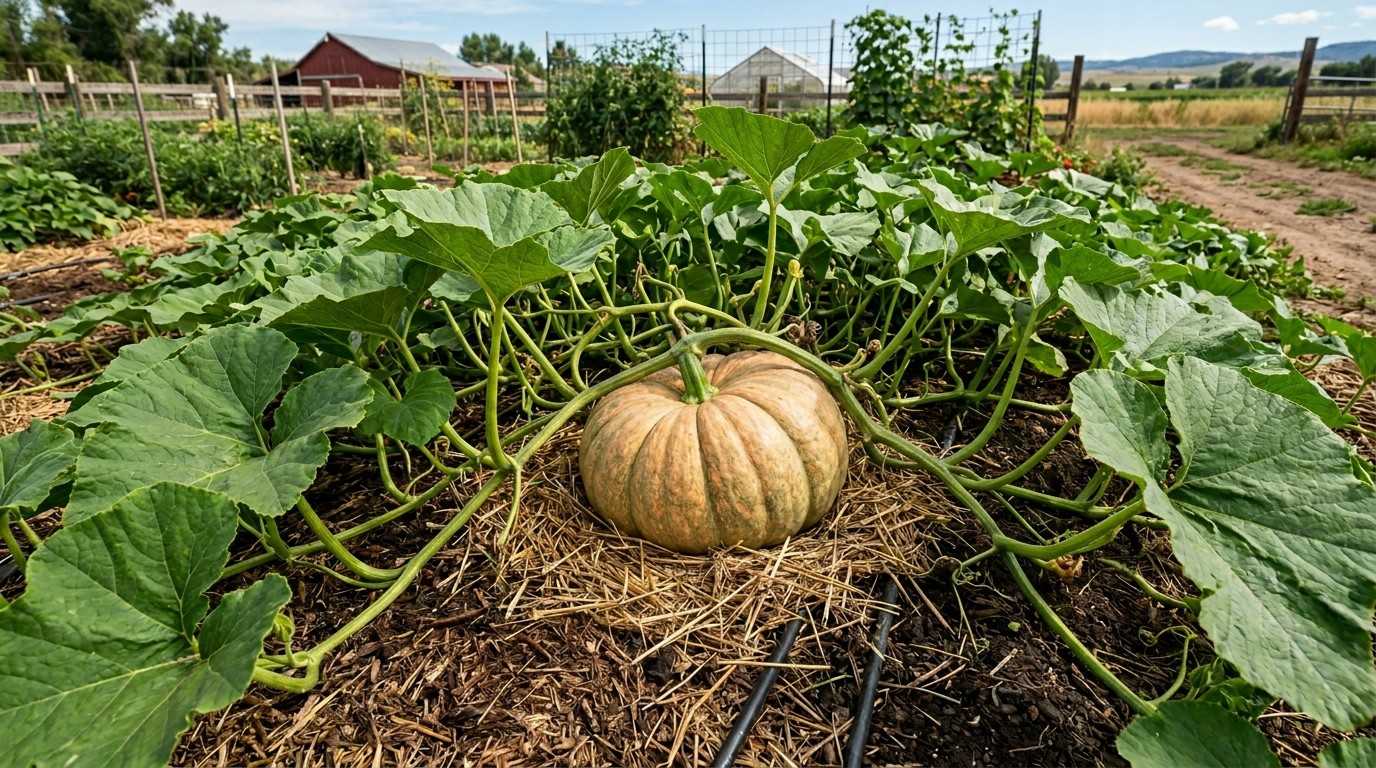
Growing an Atlantic Giant pumpkin is both a science and an adventure. These pumpkins can weigh over 2,000 pounds—about the size of a small car. People all over the world try to break size records each year, but even beginners can enjoy the journey.
Whether you want a state fair winner or just a huge pumpkin for your yard, learning How to Grow Atlantic Giant Pumpkin successfully requires the right combination of soil preparation, watering, feeding, and care. This guide will walk you through every step, including practical tips that many growers overlook.
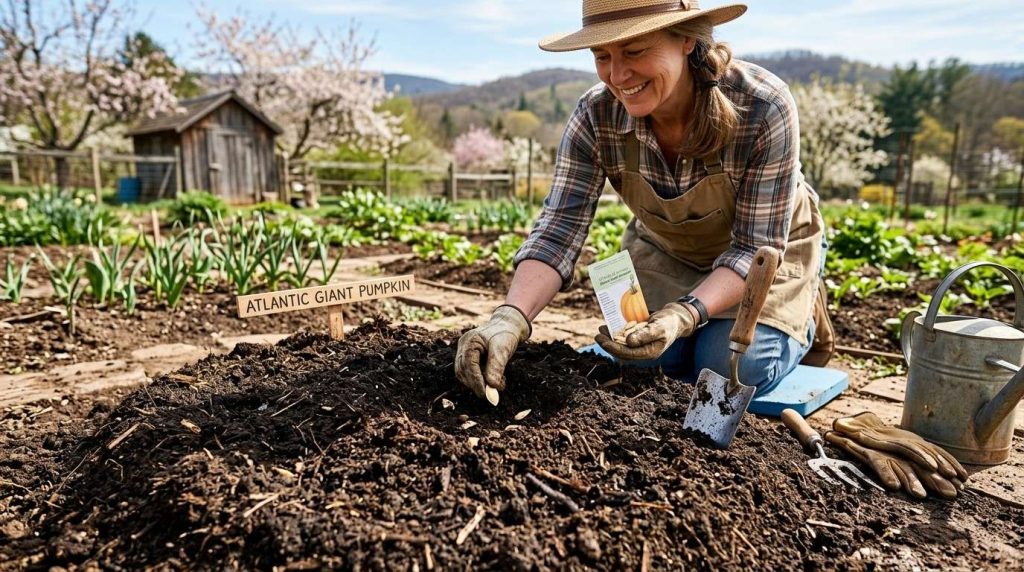
The Atlantic Giant is not just any pumpkin. Developed by Howard Dill in Nova Scotia in the 1970s, this variety holds the world record for pumpkin weight. Atlantic Giants can reach sizes of over 2,600 pounds, but growing a true giant takes more than just planting seeds. They need special care, space, and patience.
A key fact: These pumpkins are not grown for eating. Their flesh is thin and watery, not sweet like pie pumpkins. The real goal is size, making them perfect for competitions or for impressing your neighbors.
Atlantic Giants need a long, warm growing season—ideally 120 to 160 frost-free days. They grow best in USDA zones 4–9. If you live where summers are short, start seeds indoors to give them a head start.
Choose a sunny location. Pumpkins need at least 8–10 hours of direct sunlight daily. Shade will slow growth and limit size. The site should be protected from strong winds, which can damage big leaves and vines.
One of the biggest mistakes beginners make is underestimating space. Each plant needs at least 400–600 square feet. That’s about the size of a small apartment. The vines can grow over 30 feet in every direction.
If you don’t have that much space, you can still grow a big pumpkin, but it won’t reach record-breaking size. Crowded vines compete for nutrients and sunlight.
Good soil is the foundation for a giant pumpkin. Atlantic Giants are heavy feeders and need:
Start preparing your soil in the fall before planting. Add 4–6 inches of compost and till it in deeply (at least 12 inches). If your soil is heavy clay, mix in sand to improve drainage. Poor drainage leads to root rot, which can kill your plant quickly.
Here’s a quick soil comparison:
| Soil Type | Drainage | Best For Atlantic Giant? |
|---|---|---|
| Sandy Loam | Excellent | Yes |
| Clay | Poor | No |
| Silt | Average | Sometimes |
For a true Atlantic Giant, buy seeds from a reputable supplier or competition grower. Some seeds from champion pumpkins are sold online and can be expensive, but even regular Atlantic Giant seeds will give you impressive results.
Start seeds indoors 3–4 weeks before your last frost date. Use 5-inch peat pots, as roots grow quickly and don’t like transplant shock.
Steps:
Once the first set of true leaves appear, move seedlings to a sunny window or under grow lights. Don’t rush them outside—cold soil will stunt growth.
Before moving your seedlings outdoors, harden them off. This means slowly getting them used to outdoor conditions over 7–10 days. Place them outside for a few hours a day, increasing time gradually.
Transplant into the garden when soil is at least 60°F (16°C). Dig a hole twice as wide and deep as your pot. Add a handful of organic fertilizer (10-10-10 or 5-10-10) and mix well.
Plant the seedling with the first leaves just above soil level. Water gently but deeply. Mulch around the plant with straw or grass clippings to keep roots cool and moist.
Atlantic Giant vines grow fast—up to 12 inches per day in the peak of summer. Proper vine training helps maximize pumpkin size and keeps the plant healthy.
Train the main vine in a straight line. Direct secondary vines out to each side, like fish bones. This spacing gives leaves maximum sunlight.
Here’s a simple training comparison:
| Training Method | Pumpkin Size Potential | Difficulty |
|---|---|---|
| Straight Main Vine | Maximum | Medium |
| Random Growth | Reduced | Easy |
| Spiral Training | Varies | Hard |
Bury vine nodes (where leaves join the vine) with soil. Roots will grow from these points, giving the plant more access to water and nutrients. This is a trick many beginners miss but can boost pumpkin weight significantly.
Giant pumpkins need a lot of water but hate wet feet. Water deeply, aiming for 1–2 inches per week. Early morning watering is best. Drip irrigation or soaker hoses are ideal because they keep leaves dry and prevent disease.
Don’t water on a fixed schedule. Instead, check the soil 4–6 inches below the surface. If it feels dry, water deeply.
Pumpkins are heavy feeders. Here’s a general schedule for best results:
Always follow package instructions. Over-fertilizing can burn roots and reduce size.
A quick tip: Foliar feeding (spraying diluted fertilizer on leaves) can give a quick nutrient boost during rapid growth.
Atlantic Giants produce male flowers first, then females (with a tiny pumpkin at the base). To grow the biggest pumpkin, you want to control pollination.
Hand pollination ensures strong genetics and bigger fruit. After pollination, keep only one or two pumpkins per plant—remove any extras so all energy goes into your chosen giant.
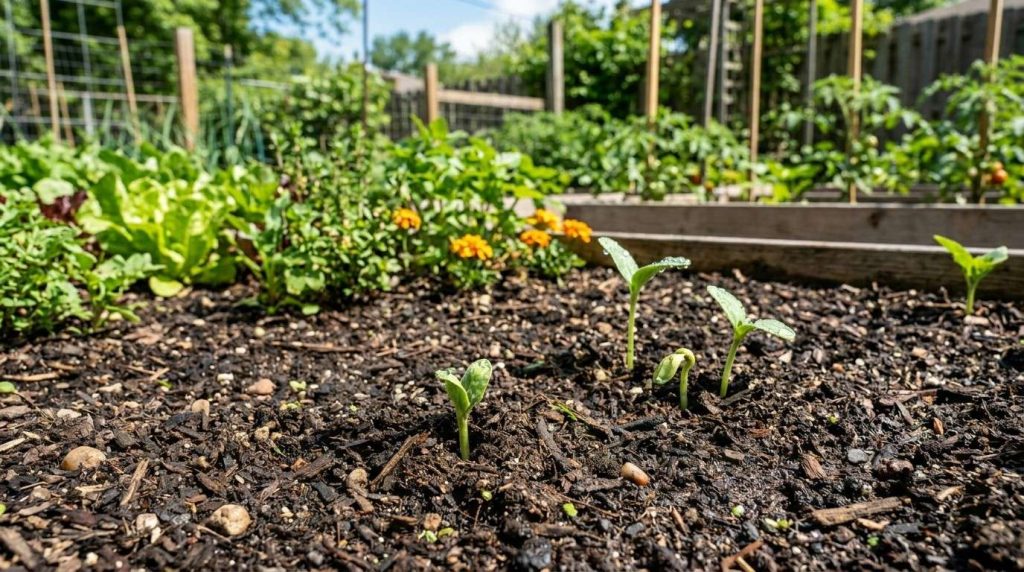
Cut off new secondary vines after the main vine is about 10–12 feet long and secondaries are 8–10 feet. Remove tertiary vines (side shoots from secondaries). This focuses the plant’s energy on pumpkin growth, not more leaves.
When several pumpkins are set, choose the healthiest one. Look for:
Remove all other pumpkins as soon as your chosen fruit is growing well. This is hard, but necessary for maximum size.
As your pumpkin grows, it can develop flat spots or split if not supported. Place a piece of plywood, foam, or sand under the fruit when it’s the size of a soccer ball. This keeps it dry and prevents rot.
Protect the pumpkin from sunscald by shading it with a sheet or light tarp during the hottest part of the day. Never use dark materials, which absorb heat.
Keep animals away with fencing. Deer, raccoons, and even squirrels will chew on pumpkins, ruining months of work.
Atlantic Giants are prone to powdery mildew, downy mildew, and root rot. Rotate crops every year—don’t plant pumpkins in the same spot twice in a row.
Watch for cucumber beetles, squash bugs, and vine borers. Use floating row covers until flowering, then remove for pollination. Hand-pick bugs or use organic sprays as needed.
A key insight: Many record growers use beneficial insects like ladybugs to control pests naturally, reducing the need for chemicals.
A healthy Atlantic Giant can gain 20–40 pounds per day during peak growth. Measure circumference daily with a soft tape. Growth rates slow if the plant is stressed by heat, drought, or disease.
Here’s a typical growth timeline:
| Week | Pumpkin Size | Main Care Task |
|---|---|---|
| 1–2 | Softball to soccer ball | Pollination, select fruit |
| 3–5 | Basketball to beach ball | Prune, support fruit |
| 6–10 | 100–500+ lbs | Maximize water/nutrients |
| 11–16 | 500–2,000+ lbs | Protect, measure, monitor |
Most Atlantic Giants are mature 90–120 days after pollination. The stem begins to dry and the pumpkin’s color deepens. Harvest before your first hard frost.
Cut the pumpkin’s stem with a sharp knife, leaving 6–12 inches of stem attached. This helps prevent rot. Use a tarp, sled, or heavy-duty dolly to move the pumpkin—never roll it, as this can damage the skin.
If you plan to enter a contest, clean the pumpkin gently with water and a soft brush. Avoid using soap or chemicals.
If your pumpkin was pollinated with a specific male flower, you can save seeds for next season. Let the pumpkin cure for 2–3 weeks, then cut it open and scoop out seeds. Rinse seeds, let them dry for 2 weeks in a single layer, and store in a cool, dry place.
Label your seeds with the pumpkin’s weight and parentage for future reference.
Non-obvious tip: Many growers forget to check soil pH mid-season. Heavy watering can lower pH, blocking nutrients. Test every few weeks and adjust as needed.
Not every Atlantic Giant will break records. Most home growers can expect pumpkins in the 200–600 pound range with good care. It takes years of practice, special genetics, and sometimes luck to reach 1,000 pounds or more.
The current world record, set in 2021, is over 2,700 pounds. Most competitors use seeds from previous champions and dedicate their whole summer to the project. For most people, growing a 300-pound pumpkin is a huge success.
For more information on pumpkin genetics and official rules, the Atlantic Giant Wikipedia page is a useful resource.
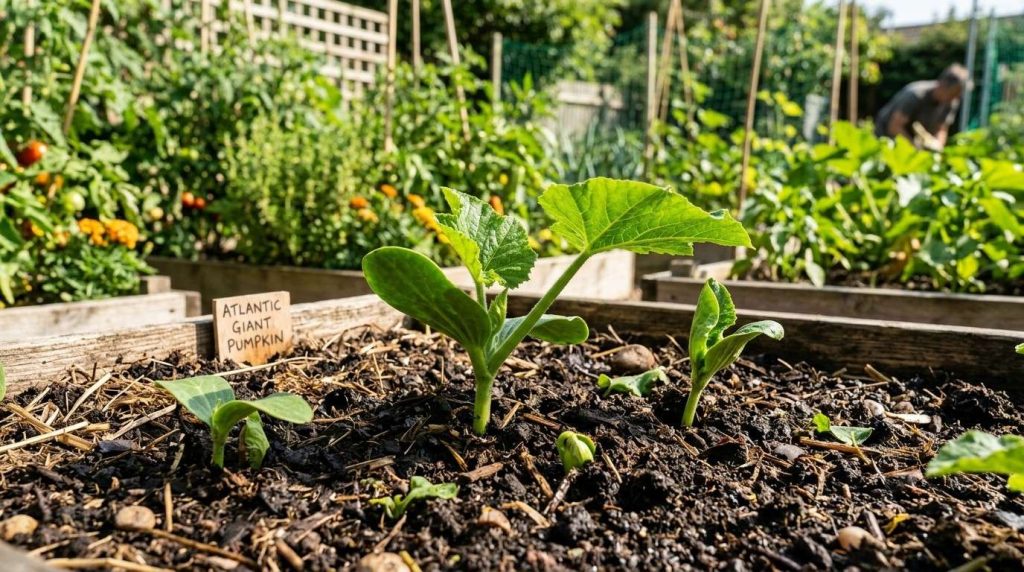
Most home growers spend between $50 and $200 on seeds, soil amendments, fertilizer, and water for one season. Costs go up if you buy champion seeds or invest in special equipment like shade tents or drip irrigation.
Technically, yes, but the flesh is stringy and bland—not good for pies or roasting. Most people use these pumpkins for decoration, contests, or compost after the season ends.
From planting to harvest, it takes about 120–160 days (4–5 months). Seedlings started indoors can shave 2–3 weeks off the outdoor season.
The most accurate method is using a pallet scale or platform scale. For home use, you can estimate weight with a tape measure using the formula: circumference × circumference × length ÷ 800. This gives a close estimate, but official contests use certified scales.
Splitting happens when growth is too rapid or water fluctuates. To prevent this:
Water evenly and don’t let soil dry out between waterings.
Provide afternoon shade during heat waves.
Avoid over-fertilizing after the pumpkin is set
Growing an Atlantic Giant pumpkin is a project that rewards patience, planning, and attention to detail. Even if you don’t break a record, the joy of watching a pumpkin grow bigger every day is worth the effort. With the right steps and a bit of luck, you’ll have a giant orange trophy to display by the end of the season.