Gardening Made Simple.

Planting garlic is more than just putting cloves in the ground. In Virginia, timing matters, and the right season can make the difference between healthy bulbs and disappointing results. Whether you are a new gardener or have some experience, understanding when to plant garlic in Virginia is key to growing strong, flavorful bulbs. This article gives you practical advice, clear steps, and expert insights to help you plant garlic at the best time and avoid common mistakes.

Virginia has a mix of climates: coastal, piedmont, and mountain regions. Most of the state falls in USDA hardiness zones 6a to 7b. These zones mean winters are cold enough for garlic to develop well, but not so harsh that the bulbs struggle to survive. Garlic needs cold temperatures to form bulbs, but too much heat or humidity can cause disease.
In Virginia, temperatures in fall often range from 45°F to 65°F, and winters dip below freezing. Garlic uses these cold months to grow roots underground and then sprout leaves in early spring. If you plant too early, the garlic may sprout and freeze. If you plant too late, roots may not develop enough before winter. Timing is everything.
Most experts recommend planting garlic in Virginia from mid-October to early November. This timing fits the climate, allowing garlic roots to grow before the ground freezes. The cooler weather also helps prevent diseases and pests that thrive in warm soil.
Here’s a quick guide for planting garlic in different parts of Virginia:
| Region | USDA Zone | Recommended Planting Dates |
|---|---|---|
| Northern Virginia | 6a/6b | October 15 – November 5 |
| Central Virginia | 7a/7b | October 20 – November 10 |
| Coastal Virginia | 7b | October 25 – November 15 |
| Southwest Virginia | 6a | October 10 – October 31 |
Some gardeners plant garlic as early as late September, but this can be risky. Early planting may lead to shoots appearing before winter, making them vulnerable to frost. The most reliable window is late October to early November.
Garlic is unique—it needs a cold period, called vernalization, to form large bulbs. Planting in fall allows the cloves to develop strong roots before winter. Then, when spring arrives, garlic uses these roots to grow quickly.
Planting in fall also helps garlic avoid common pests and diseases. Warm soil encourages fungal problems, like white rot. Fall’s cooler temperatures reduce these risks. Plus, garlic cloves planted in fall get a head start compared to spring planting. You’ll harvest bigger and better bulbs.
Spring planting is possible, but results are often poor. Bulbs stay small, and the garlic may not have enough time to mature. In Virginia, spring-planted garlic rarely matches the quality of fall-planted garlic.
Not all garlic types grow well in Virginia. There are two main kinds:
Here’s a comparison of popular varieties:
| Variety | Type | Best Region | Storage Life | Flavor Profile |
|---|---|---|---|---|
| German Extra Hardy | Hardneck | Statewide | 4-6 months | Strong, spicy |
| Music | Hardneck | Cooler regions | 5-6 months | Rich, mild |
| Inchelium Red | Softneck | Coastal/Piedmont | 8-10 months | Mild, sweet |
| California Early | Softneck | Coastal | 10-12 months | Mild |
Hardneck varieties are easier to peel and offer stronger flavor, but their storage life is shorter. Softneck garlic stores longer, making it good for home cooks who want garlic year-round.
Healthy soil is the foundation for good garlic. Garlic likes loose, well-drained soil with lots of organic matter. Heavy clay or wet soil can cause rot. Test your soil’s pH—it should be between 6.0 and 7.0.
To prepare your garlic bed:
Garlic roots grow deep, so loosen the soil at least 8 inches. This step helps roots spread and bulbs grow larger.
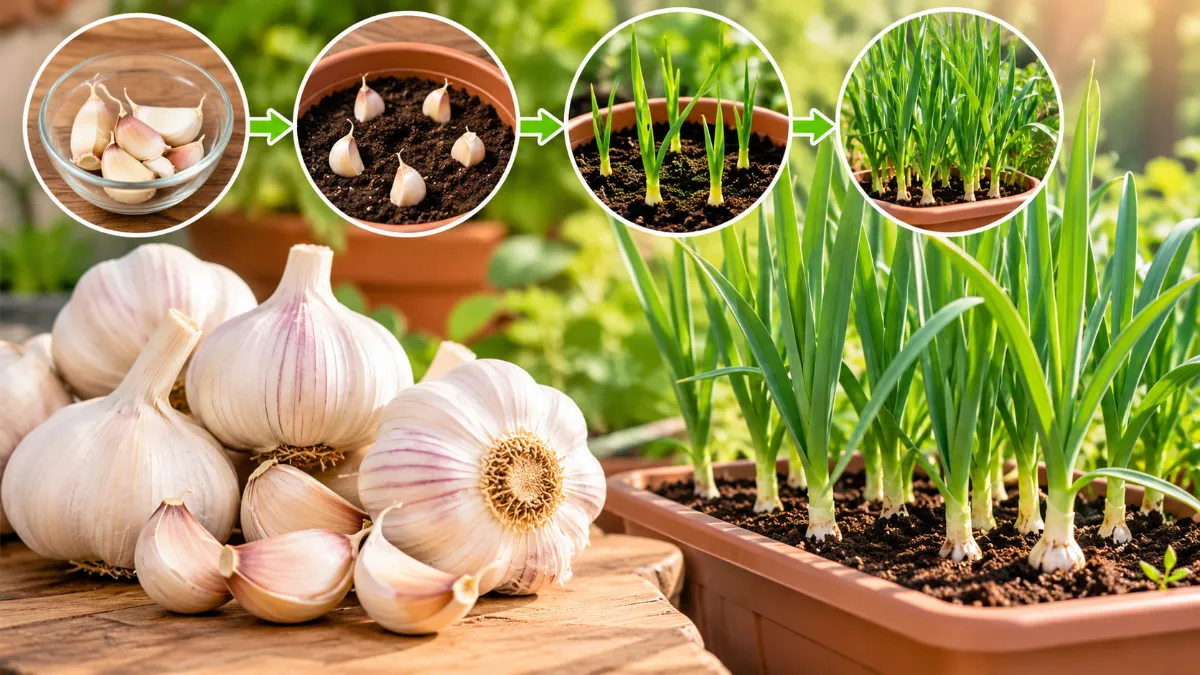
Planting garlic is simple, but a few details matter. Follow these steps for best results:
Most beginners miss two important points:
Garlic needs little care in winter. The mulch keeps soil warm and moist. In early spring, remove some mulch as the weather warms. Garlic shoots will appear as soon as soil temperatures rise above 40°F.
Key care steps:
Garlic is tough, but early spring frost can hurt young shoots. Cover with row covers if a cold snap is expected.

Garlic planted in fall is ready to harvest by late June to mid-July. Timing depends on the variety and weather. When the lower leaves turn yellow and dry, it’s time to harvest.
To harvest:
Proper curing is important. It prevents rot and improves flavor. Once garlic is dry, trim stems and roots, and store bulbs in a cool, dry place.
A common mistake is leaving garlic in the ground too long. Over-mature bulbs split and lose storage quality.
Many beginners make errors that reduce garlic yield. Here are the most frequent mistakes:
Avoiding these mistakes gives you a healthy, tasty crop.
A planting calendar helps you stay organized. Here’s a simple timeline:
Stay flexible. Weather changes can shift the calendar by a week or two.
Some gardeners wonder about planting garlic in spring. Here’s a comparison:
| Planting Season | Root Growth | Bulb Size | Disease Risk | Harvest Time |
|---|---|---|---|---|
| Fall | Strong | Large | Low | June-July |
| Spring | Weak | Small | Higher | August-September |
Fall planting always wins in Virginia. Spring planting is only for emergencies, like if you missed the fall window.
Growing garlic in Virginia is not hard if you follow a few key tips:
Many beginners don’t realize that removing garlic scapes can increase bulb size by up to 20%. Another missed insight: raised beds improve drainage, which is crucial in Virginia’s rainy springs.
Garlic is less troubled by pests than other crops, but a few problems can appear:
Disease-resistant garlic varieties and proper crop rotation reduce risks. Healthy soil and clean seed are your best defense.
Garlic is a great companion plant. It deters pests and helps nearby vegetables. Plant garlic near:
Avoid planting garlic near peas or beans, as it may stunt their growth. Companion planting helps your whole garden stay healthy.
Always use certified seed garlic, not grocery store bulbs. Local nurseries, farmers markets, and online sellers offer good choices. Look for:
One reliable resource for finding local garlic varieties is the Virginia Cooperative Extension.

Plant each garlic clove about 2 inches deep. The pointy end should face up. Cover with soil and mulch right after planting.
It’s best not to use grocery store garlic. It may be treated to stop sprouting and may not suit Virginia’s climate. Buy seed garlic from a trusted source.
If garlic sprouts early, cover with more mulch. The shoots may die back in cold weather, but the cloves should survive and regrow in spring.
Harvest garlic when lower leaves turn yellow and dry out, but the top leaves are still green. This usually happens in late June or early July.
Yes, garlic grows well in large containers. Use loose soil, plant cloves 2 inches deep, and water regularly. Make sure the container drains well.
Growing garlic in Virginia is rewarding and simple if you plant at the right time and follow these steps. With proper care, you’ll enjoy big, flavorful bulbs that last for months. Start planning now and let your garden supply you with fresh garlic for every meal.