Gardening Made Simple.

Are you ready to grow sweet, crunchy carrots right in your garden? Knowing exactly when to plant carrots can make all the difference between a bountiful harvest and disappointing results.
If you plant too early or too late, your carrots might not grow as well as you hope. But don’t worry—this guide will help you understand the perfect timing for planting carrots, so you can enjoy fresh, homegrown veggies straight from your soil.
Keep reading to discover the best seasons, soil tips, and simple tricks to get your carrots off to a strong start!
Choosing the right season to plant carrots is key to a healthy harvest. Carrots grow best in cool weather. Picking the best planting time helps the roots develop sweet and tender. Knowing the seasons that suit carrots improves your garden’s success.
Plant carrots early in spring. The soil should be workable but not too wet. Sow seeds about two to three weeks before the last frost date. Cool spring temperatures help carrots grow slowly. Slow growth means better flavor and texture.
Fall is great for a second carrot crop. Plant carrots about 10 to 12 weeks before the first frost. Cooler weather stops carrots from becoming woody. The roots get sweeter after a light frost. Fall planting also avoids pests common in summer.
Carrots dislike hot weather. High temperatures cause roots to become tough and bitter. Avoid planting during the hottest months. Also, very cold soil can stop seed germination. Keep soil temperature between 50°F and 85°F for best growth.
Preparing the soil is the first key step for planting carrots. Healthy soil helps carrots grow straight and sweet. It also makes it easier for roots to expand deep into the earth.
Good soil preparation takes time. It sets the stage for strong, healthy carrots. Starting with the right soil and nutrients leads to a better harvest.
Carrots grow best in loose, sandy soil. Heavy clay soil can block root growth. Avoid rocky soil to prevent forked carrots. Well-tilled soil helps roots grow straight and long.
Carrots prefer soil with a pH between 6.0 and 6.8. Test your soil to check the pH level. Add lime to raise pH or sulfur to lower it. Use balanced fertilizer with phosphorus and potassium. Too much nitrogen makes carrots grow leaves, not roots.
Good drainage prevents waterlogging and root rot. Raised beds can help water drain away quickly. Mix organic matter like compost to improve soil texture. Avoid heavy watering; moist but not soggy soil works best.
Selecting the right carrot varieties plays a big role in your garden's success. Each variety has its own growth time, size, and resistance to problems. Knowing these differences helps you pick the best carrots for your soil and climate. It also affects when you should plant your seeds. Understanding these points makes growing carrots easier and more fun.
Early carrot varieties grow faster. They are ready to harvest in about 50 to 60 days. Plant these if you want a quick crop. Late varieties take longer, usually 70 to 80 days. They often taste sweeter and grow larger. Choose late varieties for a longer growing season and bigger carrots.
Carrots come in many shapes and sizes. Some are short and round, perfect for small gardens. Others are long and slender, growing deep in the soil. Pick a size that suits your garden space. Round carrots are easier to pull out. Long carrots need loose soil to grow well.
Some carrot varieties resist common diseases better. This reduces problems like root rot and leaf blight. Choosing disease-resistant types lowers the need for chemicals. It also helps carrots grow healthy and strong. Check seed packages for disease resistance information before buying.
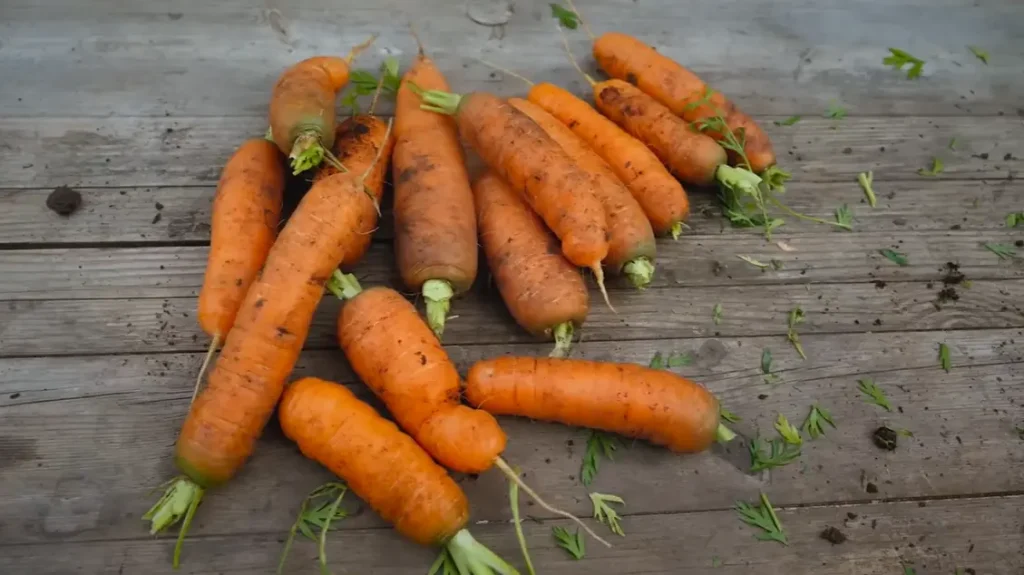
Planting carrots requires careful attention to certain techniques to ensure healthy growth. Good planting methods improve seed germination and root development. These techniques include correct seed spacing, thinning seedlings, and proper watering. Understanding each step helps grow strong and tasty carrots.
Plant carrot seeds about 1/4 inch deep. Too deep can slow germination. Space seeds 1 to 2 inches apart. Crowded seeds cause weak roots. Spread seeds evenly for best results.
Thin seedlings when they reach 2 inches tall. Leave about 3 inches between plants. Thinning reduces competition for nutrients. It helps carrots grow larger and straight. Remove smaller, weaker seedlings carefully.
Keep soil moist but not soaked. Water gently to avoid washing away seeds. Regular watering helps roots grow deep. Avoid letting soil dry out completely. Consistent moisture gives carrots a sweet taste.
Planting carrots requires careful attention to climate and weather. These factors greatly affect carrot growth and root quality. Understanding local conditions helps you pick the best planting time.
Carrots grow best in cool weather. They can tolerate light frosts but suffer in extreme heat. Watching temperature and frost dates can improve your harvest.
Know the average last frost date in spring for your area. Plant carrots a few weeks before this date to use the cool soil. Early planting can lead to better flavor and texture.
Protect young plants from unexpected frosts with mulch or covers. Mulching keeps soil warm and moist. It also slows down weed growth around carrots.
Carrots grow best between 55°F and 75°F (13°C to 24°C). Temperatures above 80°F (27°C) can cause poor root development. Hot weather may make carrots bitter or tough.
Cool soil encourages steady growth and sweet carrots. Warm soil speeds up germination but might reduce quality. Monitor soil temperature to time your planting right.
Row covers shield carrots from cold and pests. Use lightweight fabric to keep warmth without blocking sunlight. Covers help extend the growing season in cooler climates.
Remove covers on warm, sunny days to avoid overheating. Row covers also protect seedlings from insects and birds. They create a small greenhouse effect around your carrots.
Growing carrots can be fun but challenging. Many gardeners face problems that stop carrots from growing well. Knowing common challenges helps you fix problems fast. This section covers key issues and how to solve them. Keep your carrot patch healthy and productive.
Carrots attract pests like carrot flies and aphids. These bugs damage leaves and roots. Use row covers to protect young plants. Pick pests off by hand when you see them. Plant herbs like rosemary nearby to repel insects naturally.
Carrot roots can grow crooked or forked. Hard or rocky soil causes this problem. Prepare soil well by removing stones and breaking clumps. Keep soil loose and moist for straight roots. Avoid planting carrots after potatoes or onions to reduce deformities.
Weeds compete with carrots for water and nutrients. Pull weeds regularly by hand to stop them. Mulch around carrot plants to block weed growth. Mulch also keeps soil moist and cool. Avoid deep hoeing to protect carrot roots.
Harvest timing is key to getting the best carrots. Picking carrots too soon means they stay small and taste bland. Waiting too long can make them tough and woody. Knowing the right signs and methods helps you enjoy fresh, sweet carrots every time. Proper storage also keeps them fresh after harvest.
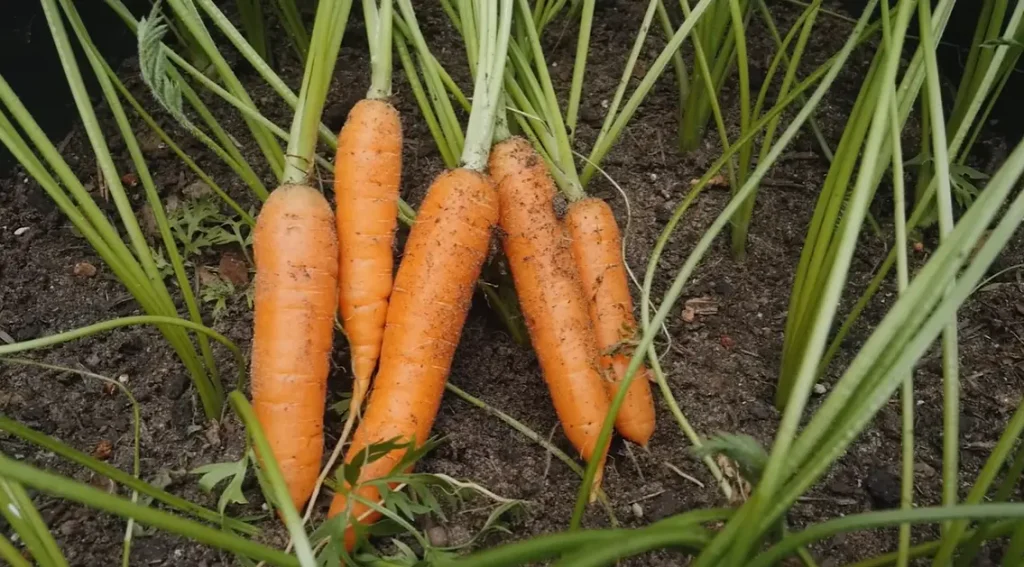
Carrots usually mature in 60 to 80 days after planting. Look at the carrot tops where they meet the soil. They should be about 1/2 to 3/4 inches wide. The color will be bright and deep, not pale. The leaves may start to yellow slightly, a natural sign they are ready. Gently pull one carrot to check size before harvesting the whole crop.
Loosen the soil around carrots with a garden fork first. Pull carrots carefully to avoid breaking them. Hold the top firmly and pull straight up. Shake off soil but avoid washing carrots before storing. Handle carrots gently to prevent bruising or damage.
Remove the green tops to stop moisture loss. Store carrots in a cool, dark place with high humidity. A refrigerator drawer or a root cellar works well. Keep carrots in a plastic bag with holes for air. Check them often and remove any soft or rotten ones to prevent spoilage.
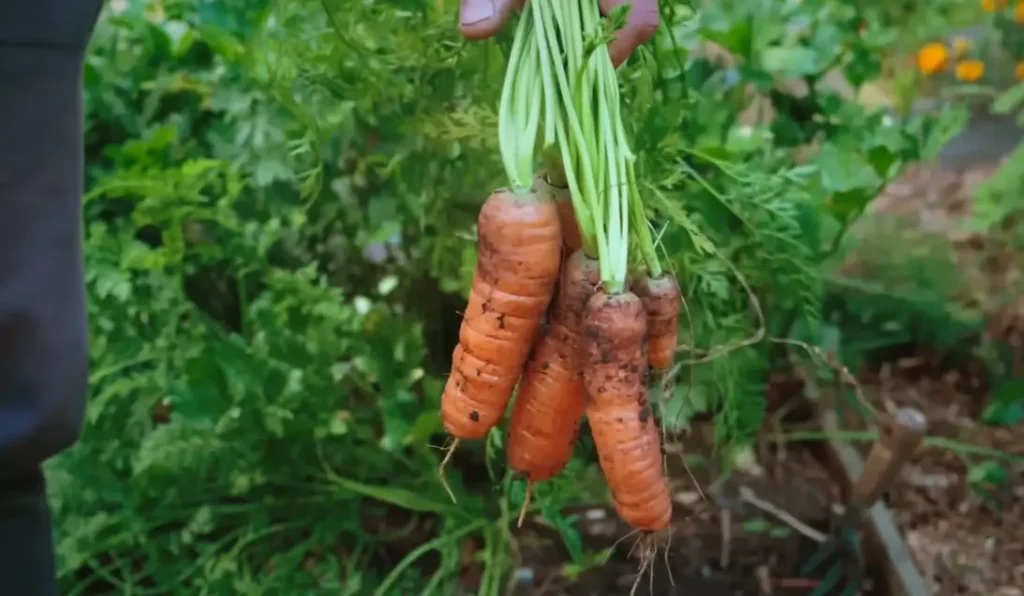
Plant carrots in early spring, as soon as the soil can be worked and is about 45°F (7°C).
Carrots usually take 70 to 80 days to mature after sowing the seeds.
Yes, carrots can be planted in late summer for a fall harvest in cooler climates.
Carrots grow best in soil temperatures between 50°F and 85°F (10°C to 29°C).
Carrots grow best when sown directly in the garden for better root development.
Plant carrots when the soil is cool and moist. Early spring or late summer works best. Avoid planting in very hot weather. Carrots grow well in loose, sandy soil. Water them regularly but don’t overwater. Watch for pests and thin the seedlings.
Healthy carrots need time to mature, usually 70 to 80 days. Planning the right planting time helps ensure a good harvest. Start planting at the right time, and enjoy fresh carrots soon. Simple steps lead to a successful carrot garden.