Gardening Made Simple.
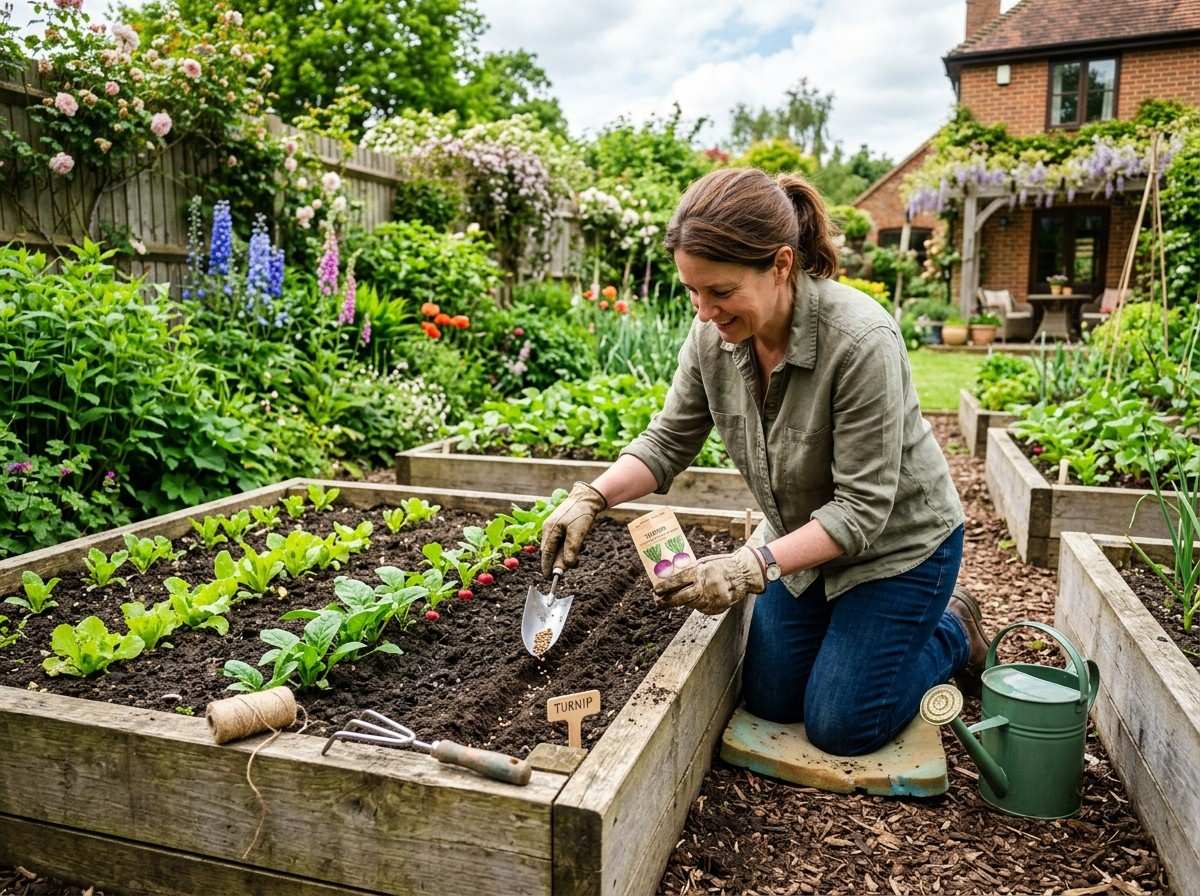
Turnips are a classic root vegetable, loved for their crisp texture and mild flavor. They grow quickly, store well, and thrive in cool weather. But if you want a successful harvest, timing is everything. Many gardeners ask, When Do You Plant Turnips to get the best results. Planting at the right time helps ensure tender roots, healthy greens, and a productive harvest, while avoiding problems caused by extreme heat or frost.
Understanding the ideal planting season is the first step toward growing flavorful turnips in your garden. The answer depends on your climate, growing goals, and local conditions. In this guide, you’ll learn exactly when to plant turnips, how to adjust for your region, and practical tips for strong, healthy crops.

Turnips (*Brassica rapa subsp. rapa*) are part of the brassica family, which includes cabbage and radishes. They are biennials grown as annuals for their roots and greens. Turnips mature quickly, usually in about 30 to 60 days from sowing. Unlike heat-loving vegetables, turnips prefer cool temperatures. Their ideal growth window is when daytime highs stay between 40°F and 75°F (4°C to 24°C). When the weather is right, turnips produce sweet, tender roots. If it gets too hot, they may turn woody or bitter.
Several factors affect the best planting time for turnips. Understanding these will help you pick the right window for your garden.
Turnips are frost-tolerant. In fact, light frosts can improve their flavor. However, hard freezes can kill young seedlings. Your region’s average last spring frost and first fall frost dates are the main markers for timing. In cool regions, you’ll have shorter windows. In mild climates, you can grow turnips almost year-round.
Turnips grow best with 12–14 hours of daylight. Very short days can slow growth. Long, hot days can stress the plants and hurt root quality.
For quick sprouting, soil should be at least 40°F (4°C), but ideal is 50–75°F (10–24°C). Cold, wet soil can cause seeds to rot or germinate slowly.
Decide whether you want spring turnips, fall turnips, or both. Spring crops are planted early and harvested before summer heat. Fall crops are planted in late summer and harvested in cool autumn weather.
The best planting time for turnips changes with geography and climate. Here’s how to plan for common US growing regions.
Here’s a summary for easy planning:
| Region | Spring Planting | Fall Planting |
|---|---|---|
| Northern US | Mar–Apr | Jul–Aug |
| Midwest/Northeast | Mar–May | Jul–Sep |
| Southern US | Jan–Mar | Sep–Nov |
| Pacific Northwest | Feb–Apr | Jul–Sep |
To pick the best date, you’ll need two pieces of information: your local frost dates and the days to maturity for your chosen turnip variety.
You can get average frost dates from your local extension service or online resources like the National Weather Service. Remember, these are averages—weather can vary from year to year.
Turnip varieties have different days to maturity, usually 30 to 60 days. Popular quick-maturing types like ‘Hakurei’ can be ready in 30–38 days, while others may take up to 60 days.
For a fall harvest, count backward from your average first fall frost date. Add extra days for slower growth if autumn is cool and cloudy.
Suppose your first frost is October 15, and your turnip variety matures in 45 days. You should plant seeds no later than August 31. If you want roots after a few frosts, plant earlier—mid-August is safer.

Both spring and fall turnips have benefits, but many gardeners prefer fall crops. Here’s how they compare:
| Aspect | Spring Turnips | Fall Turnips |
|---|---|---|
| Flavor | Mild, less sweet | Sweeter after frost |
| Pest Pressure | High (flea beetles, root maggots) | Lower |
| Growth Speed | Fast if cool | Fast, but slower as days shorten |
| Storage | Short-term | Stores longer |
| Bolting Risk | Higher if temps spike | Low |
Key insights: Fall turnips are usually sweeter and less likely to bolt (flower early), especially if harvested after a light frost. Pest issues are often lower in fall, too. However, spring turnips fill the early season “hunger gap” before summer crops are ready.
Turnips thrive in loose, well-drained soil with plenty of organic matter. Here’s how to get your soil ready:
Tip: If your soil is heavy clay, try planting turnips in raised beds or large containers for smoother roots.
Planting turnips is simple, but attention to detail helps ensure even germination and healthy growth.
Turnips are best direct sown—planted where they will grow. Transplanting stresses them and leads to poor roots.
Steps:
For a steady supply, sow a new row every 2–3 weeks until about two months before your region’s first fall frost. This practice is called succession planting.
Here’s a quick look at the main planting details for turnips:
| Detail | Optimal Range |
|---|---|
| Seed depth | 1/4–1/2 inch |
| Row spacing | 12–18 inches |
| Spacing after thinning | 3–4 inches |
| Soil pH | 6.0–7.5 |
| Days to maturity | 30–60 days |
Planting at the right time is only part of the equation. Here’s how to maximize your turnip harvest:
Turnips need even moisture for tender, juicy roots. Aim for about 1 inch of water per week, more if conditions are hot or windy. Irregular watering can cause roots to split or become woody.
Crowded turnips will never form good roots. Thin early, and don’t be afraid to eat the thinned greens—they’re nutritious and tasty.
Flea beetles and root maggots are the main pests. Covering young plants with row cover fabric can prevent damage. Rotate crops each year to avoid pest buildup.
Don’t let turnips get too large. Most are best at 2–3 inches in diameter. Larger roots can turn tough and fibrous.
If you plant in spring, floating row covers help protect against insect pests and cold snaps.
Succession planting keeps your harvest coming. Don’t plant all your seeds at once—spread them out every few weeks.
Hidden insight: Many gardeners overlook the value of planting turnips in partial shade in hot climates. This can extend your harvest window and prevent roots from becoming bitter.
Even experienced gardeners make errors with turnips. Here are some pitfalls:
There are many turnip varieties, each with unique flavors, colors, and growth times. Here are a few popular options:
Non-obvious tip: If you want both greens and roots, choose a variety bred for dual purposes. Some types, like ‘Tokyo Cross,’ offer good greens and tender roots.
For more detailed variety comparisons, visit the Wikipedia Turnip page.
If you have poor garden soil or limited space, turnips grow very well in containers. Here’s how:
Raised beds give similar benefits. They warm up faster in spring and drain well, helping roots grow evenly.
Once your turnips reach the right size, it’s time to harvest. Here’s what to do:
Expert tip: Harvest greens when young and tender. You can take a few leaves from each plant without hurting root growth.
Weather patterns are less predictable than in the past. Here’s how to adapt:
Advanced insight: In areas with erratic weather, consider planting extra short-season turnip varieties as a backup. They can “catch up” if your main crop is delayed.

If you sow seeds when the soil is still cold and wet, germination will be slow or patchy. In extreme cases, seeds may rot. Wait until soil reaches at least 40°F (4°C) and is easy to work.
Turnips dislike hot weather. Summer planting works only in cool climates or for fast-maturing types in late summer, with harvest before fall frost. In most regions, summer heat leads to poor root quality.
Most turnip varieties mature in 30 to 60 days. Greens can be harvested sooner, often within 4 weeks of sowing.
Turnips need a lot of light and space for roots to develop. While you can grow small greens indoors, root development is difficult without deep containers and strong artificial light.
Turnips benefit from balanced fertilizer—too much nitrogen causes leafy growth, not roots. Use a 5-10-10 or similar low-nitrogen blend. Avoid fresh manure.
Planting turnips is simple once you know the right timing. By matching your planting window to local climate and frost dates, you’ll enjoy crisp, sweet roots and fresh greens. Don’t forget to prepare your soil well, thin seedlings early, and water consistently.
Whether you’re growing for a spring treat or a fall storage crop, turnips are a rewarding choice for any garden. With the right timing and care, you’ll soon be harvesting these versatile roots straight from your own backyard.