Gardening Made Simple.
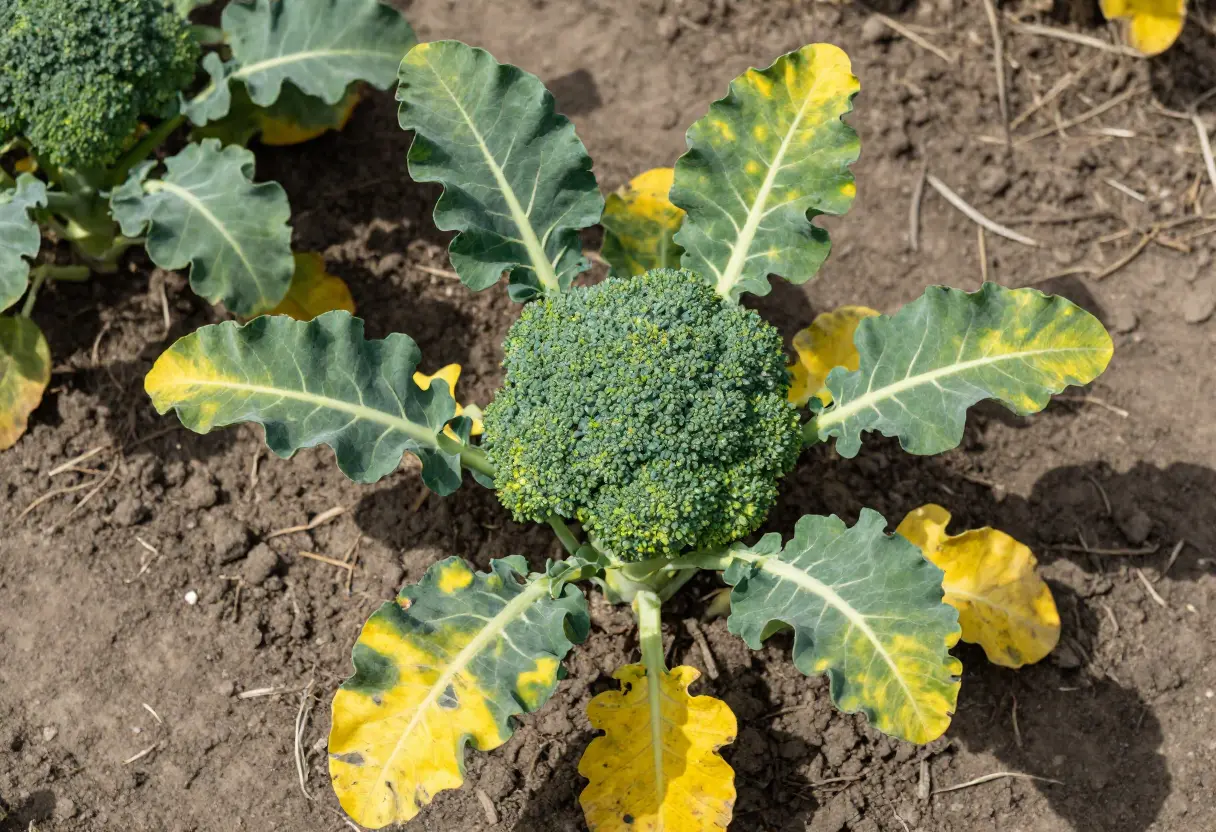
Are you noticing Broccoli Leaves Turning Yellow and wondering what’s going on? This common issue can be worrying, but understanding why Broccoli Leaves Turning Yellow happens can help you fix the problem and keep your plants healthy and productive.
But don’t panic—this common issue has simple causes and easy fixes. Understanding why your broccoli leaves are changing color will help you save your plants and enjoy a bountiful harvest. Keep reading to discover what’s behind those yellow leaves and how you can bring your broccoli back to vibrant green health.
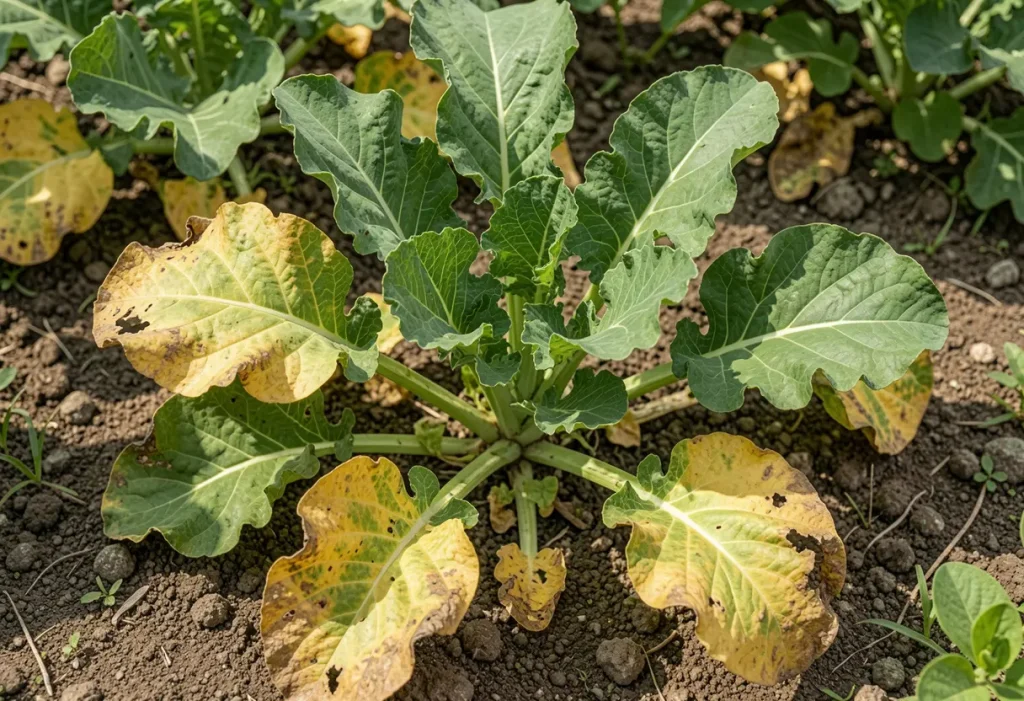
Broccoli leaves turning yellow is a common problem in gardens. It signals that the plant is under stress or lacks something essential. Understanding why leaves yellow helps you fix the issue fast. Yellow leaves affect broccoli growth and reduce harvest quality. Identifying the cause early keeps your plants healthy and productive.
Yellow leaves often show a lack of nutrients. Nitrogen deficiency is the main reason broccoli leaves turn yellow. Nitrogen helps leaves stay green and grow strong. Low nitrogen makes older leaves yellow first. Iron deficiency can also cause yellow leaves with green veins. Nutrient-poor soil or wrong pH can block nutrient uptake. Testing soil and adding fertilizer helps restore leaf color.
Water problems cause yellow broccoli leaves too. Too little water stresses the plant and turns leaves yellow. Overwatering drowns roots and stops oxygen flow. This causes root rot and yellow leaves. Water deeply but less often for best growth. Check soil moisture before watering again. Proper watering keeps leaves green and healthy.
Pests like aphids and caterpillars damage broccoli leaves. They suck sap or chew leaves, causing yellow spots. Diseases such as downy mildew and bacterial leaf spot make leaves yellow. Fungal infections often appear as yellow patches or spots. Removing affected leaves and using organic treatments controls pests and diseases. Healthy plants resist damage better.
Harsh weather stresses broccoli plants and yellows leaves. Too much heat or cold harms leaf cells. Strong winds can break or dry leaves. Poor sunlight causes weak growth and yellowing. Soil that is too wet or dry adds stress. Protecting plants with shade or windbreaks helps. Stable conditions keep broccoli leaves green and firm.
Broccoli leaves turning yellow can happen for different reasons. Identifying the pattern of yellowing helps find the cause. This section explains common yellowing patterns on broccoli leaves. Recognize these signs to care for your plants better.
Yellow edges often show nutrient problems. Lack of potassium or magnesium causes this. Edges turn yellow first, then brown. Check soil and add fertilizer if needed. This pattern can also mean too much salt in the soil.
Spots or patches of yellow may signal disease. Fungal infections like downy mildew create yellow spots. Spots can be small or cover big areas. Remove affected leaves to stop spread. Keep leaves dry and improve air flow.
When the whole leaf turns yellow, it shows stress. Overwatering or poor drainage causes uniform yellowing. Roots may not get enough oxygen. Check water levels and soil condition. Fix drainage to save the plant.
Wilting plus yellow leaves means root problems. Root rot or pests damage roots and block water. Leaves lose color and droop. Dig carefully to check roots. Treat pests or improve soil health quickly.
Broccoli leaves turning yellow often signal nutrient problems. Fixing these issues helps plants grow healthy and strong. Understanding soil and fertilizer use is key to solving yellow leaves.
Healthy soil has the right mix of nutrients. Test your soil to find what it lacks. Most broccoli plants need nitrogen, phosphorus, and potassium. Adjust soil pH to keep nutrients available. Balanced nutrients prevent yellowing and boost growth.
Choose fertilizers that match your soil test results. Apply fertilizers evenly around the plants, not too close to stems. Use slow-release fertilizers to feed plants over time. Avoid over-fertilizing, which can harm roots and leaves. Water plants after fertilizing to help nutrient absorption.
Organic matter improves soil health and nutrient supply. Compost, manure, and leaf mold add natural nutrients. These amendments improve soil texture and water retention. They support beneficial microbes that help plants absorb nutrients. Regularly add organic matter for long-term soil health.
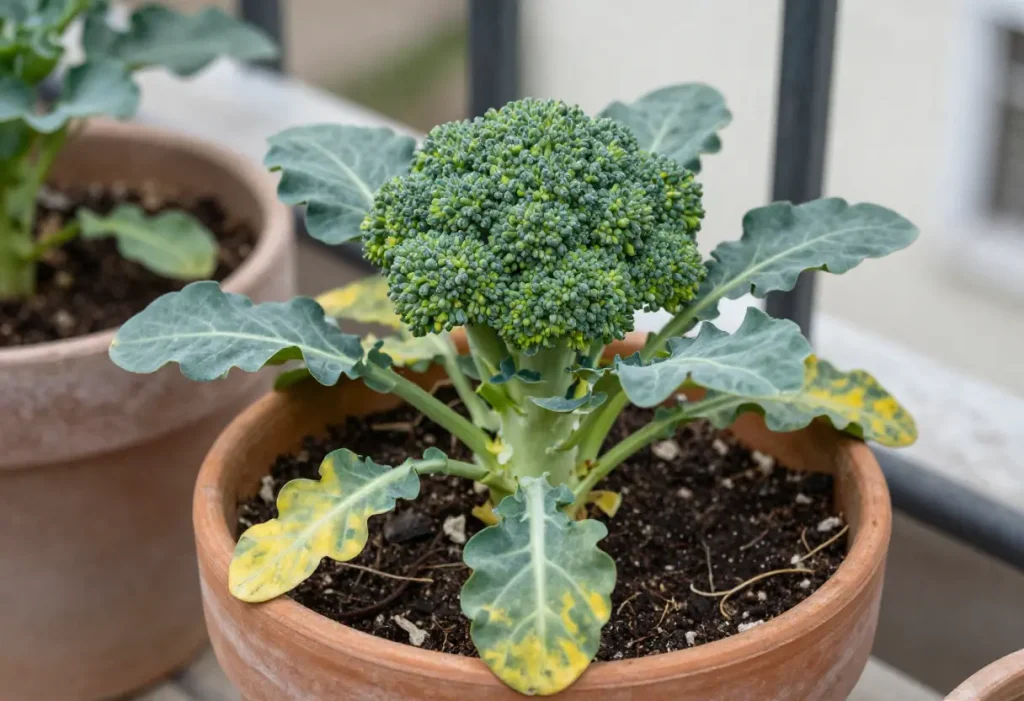
Water plays a key role in keeping broccoli leaves green and healthy. Too much or too little water can cause leaves to turn yellow. Proper water management helps plants grow strong and prevents stress. Focus on how often you water, how well the soil drains, and how to fix overwatering problems.
Broccoli needs steady moisture to thrive. Water the plants deeply once or twice a week. The soil should stay damp but not soaked. Check the soil by touching it. If the top inch is dry, it is time to water. Avoid watering every day, which can lead to root problems.
Good drainage prevents water from sitting around the roots. Waterlogged soil causes yellow leaves and root rot. Use raised beds or add sand to heavy clay soil. Make sure pots have holes to let water escape. Proper drainage keeps roots healthy and air flowing.
Too much water causes leaves to yellow and wilt. Stop watering and let the soil dry out a little. Remove any standing water near the plants. Loosen the soil around roots to improve air flow. Overwatering weakens plants and makes them easy targets for disease.
Broccoli leaves turning yellow can often signal pest or disease problems. Managing these issues early helps keep your plants healthy. Healthy plants grow stronger and resist damage better. Spotting pests and infections fast is key. Use simple, natural methods to control pests and diseases without chemicals.
Aphids, cabbage worms, and flea beetles often attack broccoli leaves. These pests suck plant juices or chew holes. Aphids gather in clusters and leave sticky residue. Cabbage worms are green caterpillars that eat leaves quickly. Flea beetles create tiny holes that look like pepper spots. Regularly check leaves for these signs.
Yellowing leaves may come from fungal infections like downy mildew. This fungus causes yellow patches with a fuzzy underside. Bacterial diseases create water-soaked spots that turn yellow or brown. Wet, humid conditions spread these infections fast. Proper spacing and watering at the base can reduce risks. Remove infected leaves to stop spread.
Use neem oil or insecticidal soap to treat aphids and worms. These sprays are safe and break down quickly. Handpick larger pests like caterpillars off leaves. Introduce beneficial insects like ladybugs to eat aphids. Keep your garden clean by removing plant debris. Crop rotation also helps prevent pest buildup in soil.
Broccoli leaves may turn yellow due to environmental stress. Stress from weather and surroundings can harm the plant. Preventing this stress helps keep leaves green and healthy. Simple steps can protect your broccoli from damage.
Broccoli grows best in cool weather. High heat causes leaves to yellow and wilt. Keep plants shaded during hot afternoons. Water regularly to lower soil temperature. Avoid planting in the hottest months.
Broccoli needs full sun for strong growth. At least six hours of sunlight daily works well. Too much direct sun in hot climates can stress plants. Provide partial shade if leaves start to yellow. Balance light and shade for best results.
Strong wind damages broccoli leaves and causes yellowing. Use windbreaks like fences or shrubs near plants. Cover broccoli with cloth or frost blankets during cold nights. Frost harms leaves and slows growth. Protecting plants helps keep leaves green and healthy.
Keeping broccoli leaves healthy is key to a strong, productive plant. Yellow leaves often show stress or nutrient problems. Simple care steps help keep leaves green and vibrant.
These expert tips focus on easy actions that protect your broccoli plants. Watch your garden closely and take smart steps to avoid yellowing leaves.
Check broccoli plants every few days. Look for yellow spots or wilting leaves. Early signs help catch problems fast. Remove damaged leaves to stop disease spread. Keep soil moist but not wet. Consistent care keeps plants strong.
Change where you plant broccoli each year. Avoid planting broccoli in the same spot. This prevents soil diseases and pests. Rotating crops improves soil health. Healthy soil means healthier broccoli leaves. Plan your garden layout before planting.
Cover soil with mulch to keep moisture steady. Mulch stops weeds and protects roots from heat. Plant cover crops in off-season to enrich soil. Cover crops add nutrients and stop erosion. Both help broccoli grow better leaves. Use organic mulch like straw or leaves.
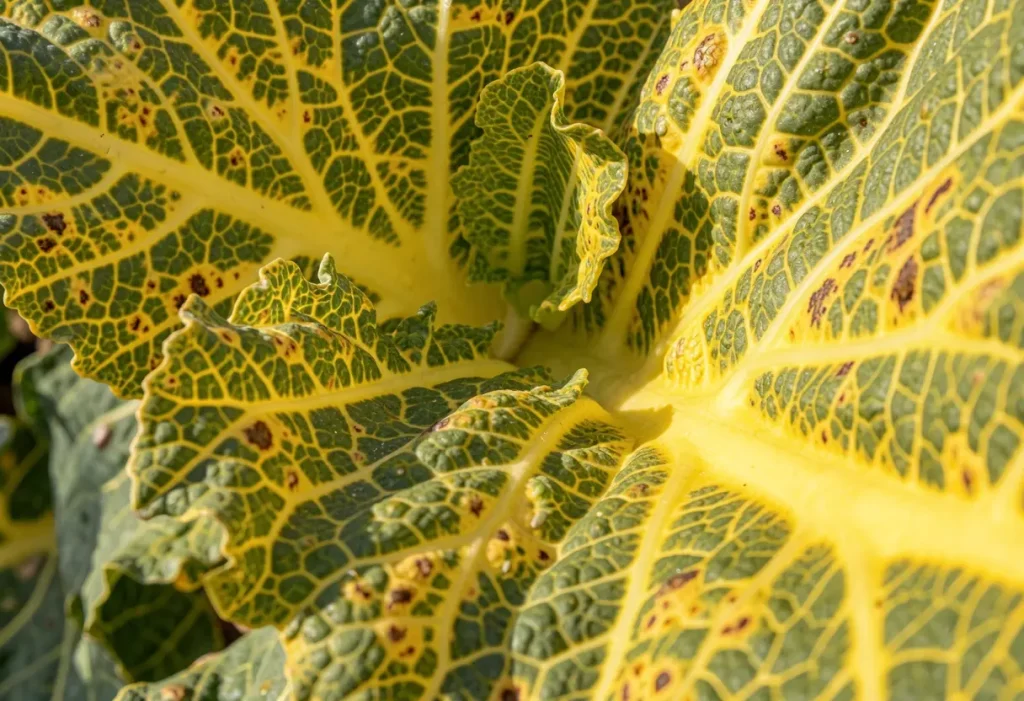
Broccoli leaves turn yellow due to lack of nutrients, water, or too much sun. Yellowing often signals stress or disease affecting the plant’s health.
Water broccoli regularly and keep soil moist but not wet. Use balanced fertilizer and provide some shade on hot days.
Yellow leaves don’t always mean death; it shows stress or nutrient lack. Fix care issues quickly to help the plant recover.
Yes, pests like aphids or caterpillars can damage leaves and cause yellow spots. Check plants often and remove pests by hand or use safe sprays.
Some yellowing can happen as old leaves age or after harvest. Watch new growth; it should stay green and healthy if the plant is well cared for.
Yellow broccoli leaves mean your plant needs care. Check water and sunlight first. Too much or too little can cause yellow leaves. Look for pests or disease on the leaves too. Use natural methods to keep your plant healthy. Healthy leaves help broccoli grow strong and tasty.
Keep watching your plant every day. Small changes make a big difference. Your broccoli will thrive with simple care. Stay patient and enjoy your fresh garden harvest.