Gardening Made Simple.
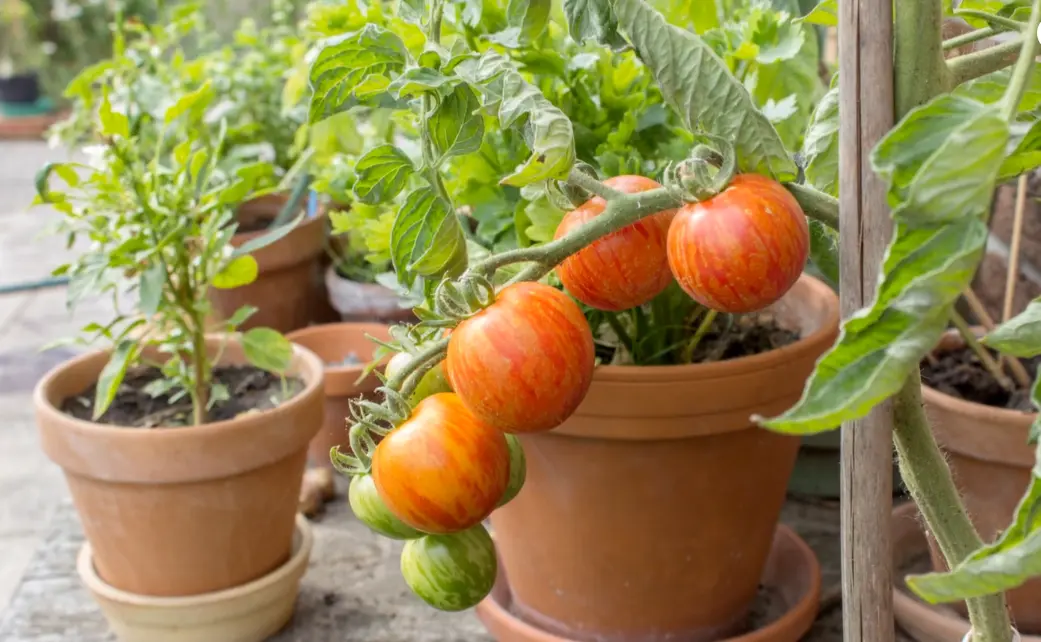
Have you ever dreamed of picking fresh, juicy tomatoes right from your own home, no matter the season? If you’re asking, Can You Grow Tomatoes Indoors, the answer is yes—it may sound tricky, but it’s easier than you think, and the rewards are delicious.
Imagine the satisfaction of biting into a ripe tomato you nurtured yourself, all without a garden or backyard. You’ll discover simple steps and expert tips to help you grow healthy, flavorful tomatoes indoors. Ready to turn your living space into a mini tomato paradise?
Keep reading to find out how!
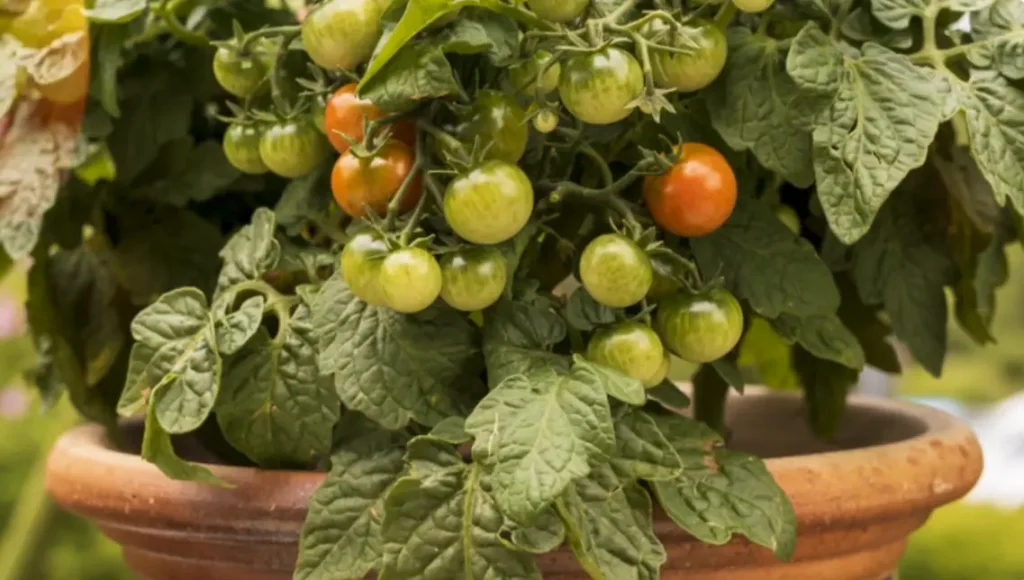
Choosing the right tomato variety is key to success indoors. Different types grow and produce fruit in unique ways. Knowing these differences helps you pick the best plants for your space and light conditions. This guide covers the main types and compact varieties that fit small indoor areas well.
Determinate tomatoes grow to a set size and stop. They produce fruit all at once. This makes harvesting easier in small spaces. Indeterminate tomatoes keep growing and fruiting all season long. They need more room and support to climb. For indoor growing, determinate types often work better.
Compact tomato plants are bred for small spaces. They stay short and bushy, perfect for pots and shelves. Varieties like 'Tiny Tim' and 'Patio' are popular indoor choices. These plants need less pruning and fit well under grow lights. Choosing compact varieties makes indoor gardening simpler and more productive.
Setting up the right conditions is key to growing tomatoes indoors. Tomatoes need specific care to thrive inside your home. You must control light, temperature, and humidity carefully. This creates an environment similar to outdoor gardens. A good setup improves tomato growth and fruit quality.
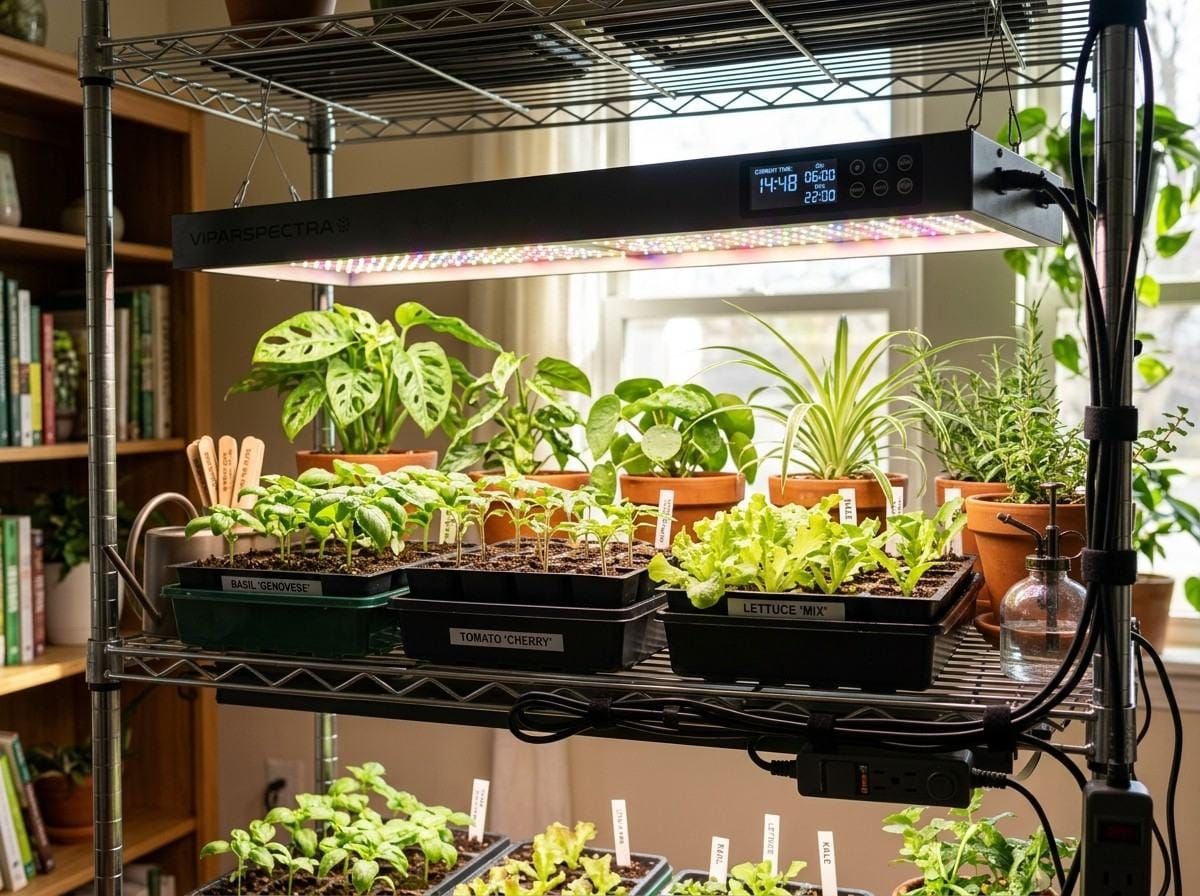
Tomatoes need plenty of light to grow well indoors. They require at least 12 to 16 hours of bright light daily. Natural sunlight through a south-facing window can work. If sunlight is limited, use grow lights. LED or fluorescent grow lights provide the needed brightness. Place lights 6 to 12 inches above the plants. Keep lights on a timer for consistent hours. Too little light causes weak stems and poor fruit.
Tomatoes grow best in warm temperatures between 65°F and 80°F. Avoid temperatures below 55°F or above 85°F. Nighttime temperatures should not drop too low. Maintain humidity around 50% to 70% for healthy plants. Use a humidifier or mist plants if air is too dry. Good air circulation helps prevent mold and pests. Keep plants away from cold drafts or hot vents.
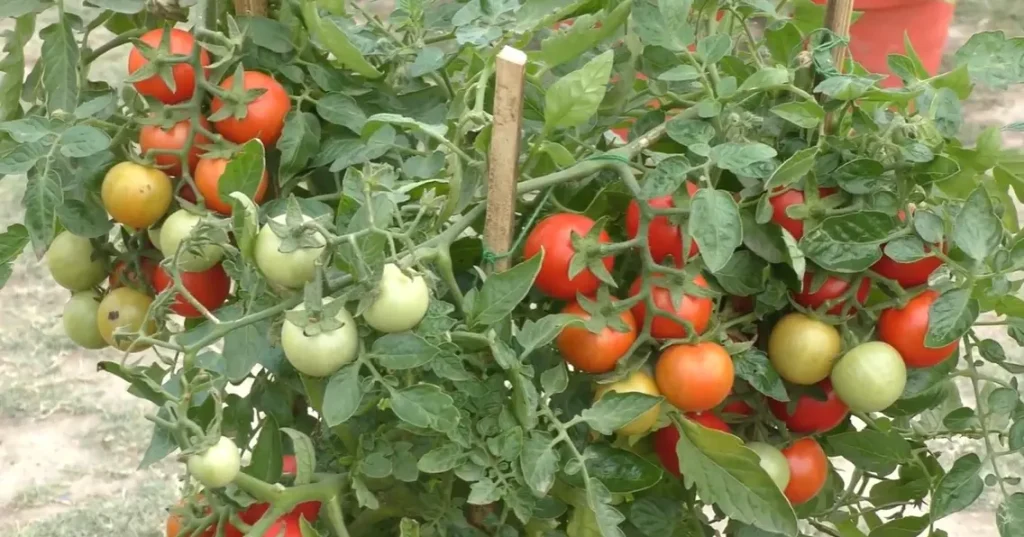
Growing tomatoes indoors needs the right soil and containers. These two elements help plants get nutrients, water, and space to grow well. Choosing the best soil and pots sets the stage for healthy tomato plants and good fruit.
Tomatoes need soil that drains well but holds moisture. A light, fluffy potting mix works best. Avoid garden soil because it is too heavy and may have pests. Choose a mix with peat moss or coconut coir to keep moisture. Perlite or vermiculite helps air reach roots. A balanced potting mix supports tomato roots and prevents waterlogging.
Pick containers with drainage holes to stop water buildup. Tomatoes need space to grow roots deep and wide. A pot at least 12 inches deep and 12 inches wide is ideal. Plastic, ceramic, or fabric pots all work well. Fabric pots allow air to reach roots, helping plants breathe. Make sure the container fits your indoor space and lets sunlight reach the plants.
Growing tomatoes indoors starts with planting and caring for seeds properly. Healthy seeds lead to strong plants and tasty tomatoes. Small steps in the beginning make a big difference later. Understanding seed starting and plant care helps avoid common problems and gives your tomato plants a good start.
Choose good-quality tomato seeds for better growth. Use seed trays or small pots with drainage holes. Fill containers with seed-starting mix, not garden soil. Plant seeds about 1/4 inch deep. Keep the soil moist but not soggy. Cover seeds lightly and place them in a warm spot. A temperature of 70-75°F helps seeds sprout fast. Use a clear cover to keep humidity high. Remove the cover once seedlings appear. Thin seedlings to one per container for healthy growth.
Water tomato seedlings gently to keep soil moist. Avoid overwatering to stop root rot. Use a spray bottle or small watering can. Fertilize plants after two weeks with a weak liquid fertilizer. Feed every 10-14 days to provide nutrients. Use a fertilizer high in phosphorus for strong roots. Avoid too much nitrogen; it causes leafy plants, not fruits. Check soil moisture daily and adjust watering as needed. Healthy watering and feeding help plants grow strong indoors.
Managing pests and diseases indoors is key to growing healthy tomato plants. Indoor environments can still attract pests and cause diseases. These problems can harm your plants and reduce your harvest. Careful attention helps keep your tomatoes strong.
Spider mites are tiny but damaging. They cause yellow spots on leaves. Aphids are small insects that suck plant juices. They often cluster on new growth. Whiteflies are small white bugs that fly around plants. They weaken plants by feeding on sap. Fungus gnats are small flies that live in soil. Their larvae can harm roots. Keep an eye out for these pests to protect your tomatoes.
Keep your growing area clean. Remove dead leaves and plant debris often. Use clean pots and fresh soil for each planting. Water plants at the base to avoid wet leaves. This helps prevent fungal diseases. Introduce natural predators like ladybugs for aphids. Spray plants with mild soap or neem oil to control pests. Avoid chemical pesticides indoors to protect health. Check plants regularly for early signs of trouble. Acting fast helps prevent bigger problems.
Supporting the growth and pollination of indoor tomato plants is key to a healthy harvest. Tomatoes need strong stems and good airflow to thrive. They also need help with pollination because indoor spaces usually lack natural pollinators like bees. Simple steps can make a big difference in plant health and fruit production.
Tomato plants grow tall and heavy with fruit. Staking helps keep them upright and prevents breakage. Use small stakes or cages to support the main stem and branches. Prune the lower leaves to improve air circulation. Remove any weak or yellow leaves to focus energy on fruit growth. Regular pruning stops the plant from becoming too crowded.
Tomatoes need pollination to produce fruit. Indoor plants do not get visits from bees or wind. You can pollinate flowers by hand. Use a small brush or cotton swab to move pollen from one flower to another. Another method is gently shaking the plant daily. This mimics natural movement and helps pollen spread. Pollination is easy and boosts fruit size and number.
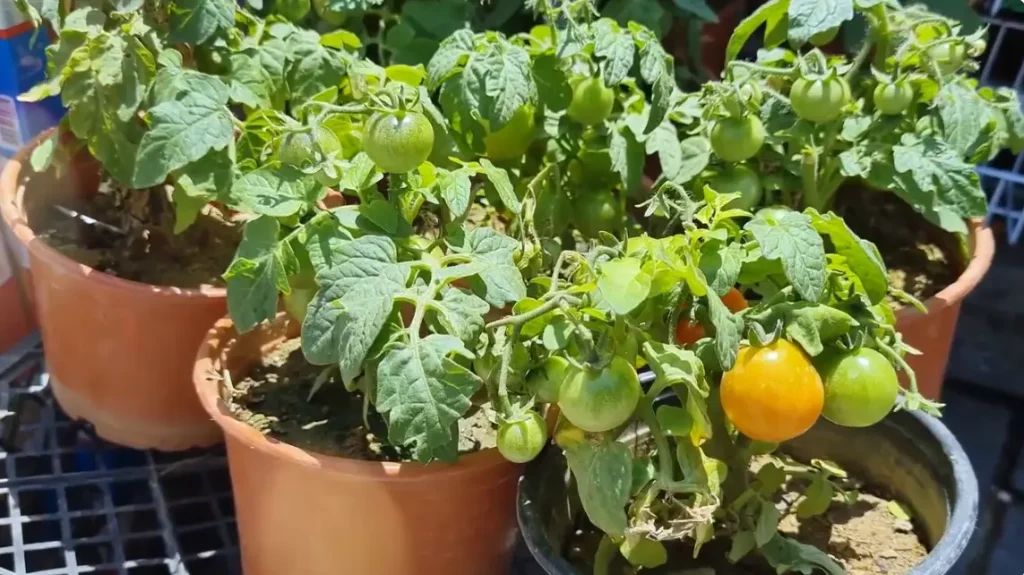
Harvesting tomatoes grown indoors is a rewarding experience. It shows your hard work and care. Knowing when to pick tomatoes helps keep plants healthy. Picking at the right time means better taste and more fruits.
Maximizing yield means getting the most tomatoes from your plants. It needs attention to plant health and growing conditions. Proper care helps plants produce fruit longer and in larger amounts.
Ripe tomatoes change color fully. They may be red, pink, yellow, or orange depending on the variety.
The fruit feels slightly soft but not mushy. It should give a little under gentle pressure. The skin looks smooth and shiny without cracks or wrinkles.
Ripe tomatoes often have a sweet smell near the stem. The fruit detaches easily with a gentle twist or pull. Picking too early means less flavor and smaller fruits.
Remove old or damaged leaves to help plant focus on fruit. Use a balanced fertilizer regularly to feed plants well. Keep watering consistent but avoid waterlogging the soil.
Prune side shoots to improve air circulation and sunlight exposure. Rotate plants in pots if light is uneven indoors. Pollinate flowers by gently shaking or using a soft brush.
Harvest tomatoes as soon as they ripen. This encourages the plant to produce new fruit faster. Check plants often to not miss ripe tomatoes ready to pick.
Tomatoes can grow indoors with enough light, warmth, and proper care.
Cherry and small tomato varieties work best for indoor growing.
Tomatoes need 12 to 16 hours of light each day to grow well.
Use well-draining, nutrient-rich potting soil for healthy indoor tomatoes.
Water tomatoes when the top inch of soil feels dry to touch.
Growing tomatoes indoors is possible with the right care and tools. Choose a sunny spot and use good soil. Water plants regularly but avoid overwatering. Keep the temperature steady and watch for pests. Indoor tomatoes can taste fresh and sweet.
Small spaces can still yield a good harvest. Growing indoors gives you fresh tomatoes year-round. Try it yourself and enjoy homegrown tomatoes anytime.