Gardening Made Simple.
Are you excited to grow your own juicy, homegrown tomatoes? Knowing exactly when to start tomato seeds indoors can make all the difference between a bountiful harvest and a disappointing crop.
If you start too early, your plants might get leggy and weak. Start too late, and you could miss the growing season altogether. You’ll discover the perfect timing to give your tomato seeds the best start, so you can enjoy fresh, flavorful tomatoes right from your garden.
Keep reading to unlock the secrets to a successful tomato-growing adventure!
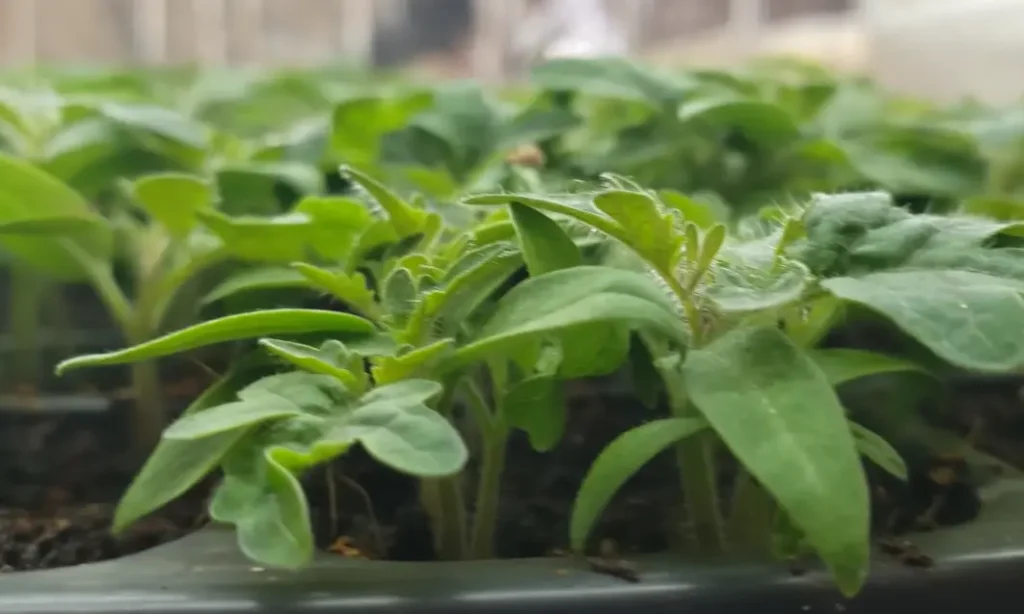
Choosing the right time to start tomato seeds indoors is key for healthy plants. Timing affects growth and fruit quality. Starting too early or too late can cause problems. Understanding the best time helps you plan your garden well.
Tomato seeds need warmth to sprout. The soil temperature should be around 70 to 80°F. Cooler soil slows germination and may cause seed rot. Keep seeds in a warm spot indoors until they sprout. After sprouting, seedlings prefer temperatures between 65 and 75°F.
Frost can kill young tomato plants. Know your area's last frost date in spring. Start seeds indoors about 6 to 8 weeks before this date. This timing allows seedlings to grow strong inside. After frost danger passes, move plants outside. Waiting for frost to end protects your plants from damage.
Climate affects when you start seeds indoors. Warm regions can start seeds earlier than cold regions. In cold climates, start seeds later to avoid frost risk. Dry areas may need extra care for seedlings indoors. Adjust your seed starting time based on your local weather patterns.
Choosing the right tomato variety is key for a good harvest. Different types grow in different ways. Some tomatoes need more care, while others are easier to grow. Knowing these details helps you start seeds indoors at the best time. It also helps you pick tomatoes that suit your space and climate.
Tomatoes come in many shapes, sizes, and colors. Some are small and round, others are large and beefy. Each type has its own growing pattern. This affects how long the plant grows and how many tomatoes you get. Understanding these differences saves time and effort in your garden.
Determinate tomatoes grow to a fixed size. They stop growing once the fruit sets. These plants are bushy and compact. They produce fruit all at once. This makes them good for canning or sauces. They need less staking and space.
Indeterminate tomatoes keep growing tall and tall. They produce fruit throughout the season. These plants need support like stakes or cages. They work well if you want fresh tomatoes over a long time. Their vines can reach several feet high.
Early season tomatoes ripen quickly. They often take 50 to 60 days after transplanting. These are good for short growing seasons. You get fresh tomatoes sooner in the year. Late season varieties take longer, around 70 to 85 days.
Late season tomatoes produce more fruit. They need a longer warm period to grow well. These tomatoes often taste richer and sweeter. They are best if you have a long summer. Choose the variety that fits your local climate and season length.
Starting tomato seeds indoors requires careful preparation of both seeds and soil. Healthy seeds and the right soil mix increase the chance of strong seedlings. Proper preparation saves time and effort later.
Choose fresh seeds with high germination rates. Old seeds may sprout slowly or not at all. Store seeds in a cool, dry place. Use airtight containers to protect from moisture. Label seeds with the date to track their age. Avoid seeds stored in warm or humid spots. Good seed quality means better plant growth.
Use a light, well-draining soil mix for starting seeds. A mix with peat moss, vermiculite, or perlite works well. Avoid garden soil; it can carry diseases and pests. The soil should hold moisture but not stay soggy. Fine texture helps seeds sprout easily. Sterilized soil mix reduces risk of fungus. Proper soil supports root growth and strong seedlings.
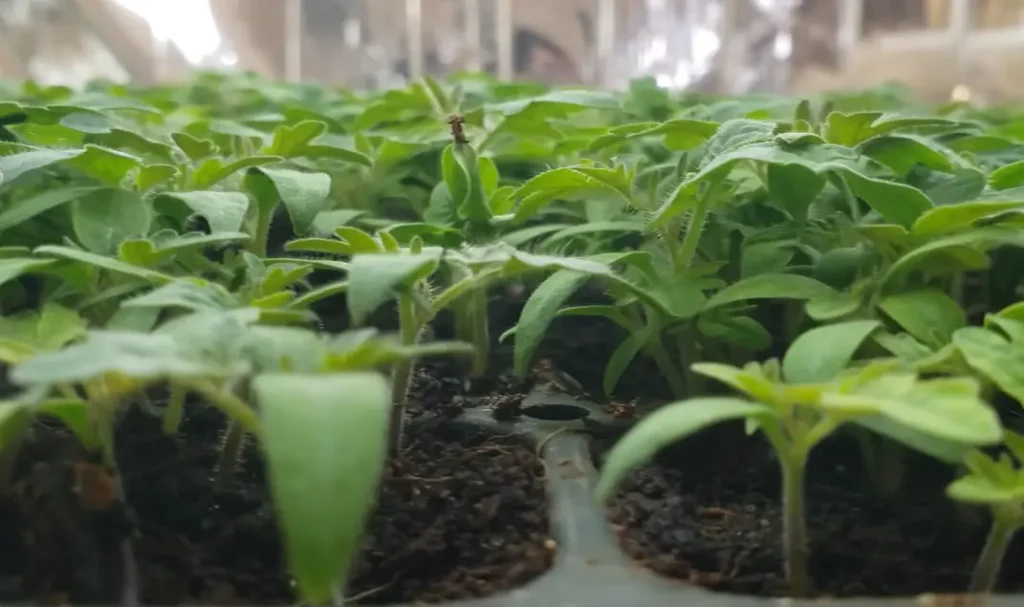
Starting tomato seeds indoors gives them a strong start before moving outside. Setting up seedlings properly helps plants grow healthy and strong. Small details like light, temperature, and containers make a big difference. Here is how to prepare the best space for your tomato seedlings.
Tomato seedlings need plenty of light to grow tall and healthy. Place them near a bright window or use grow lights. They require about 12 to 16 hours of light daily. Without enough light, seedlings become weak and leggy. Keep the light source close, around 2 to 4 inches above the plants.
Tomato seeds sprout best in warm conditions. Keep the temperature between 65°F and 75°F. Avoid cold drafts and sudden temperature changes. Maintain humidity by covering seedlings with a clear plastic dome or plastic wrap. Remove the cover once seedlings appear to prevent mold and allow air flow.
Choose containers with drainage holes to avoid water buildup. Seed trays, small pots, or recycled containers work well. Use a light, well-draining seed-starting mix. Fill containers with soil, moisten it, then plant the seeds. Drainage stops roots from sitting in water, which can cause rot.
Starting tomato seeds indoors is a smart way to get a head start on the growing season. Understanding the seed starting timeline helps you plan the best time to sow seeds and care for seedlings. Proper timing improves your chances of growing strong, healthy tomato plants ready for transplanting.
Sow tomato seeds indoors about 6 to 8 weeks before the last frost date in your area. This timing gives seedlings enough time to grow before outdoor planting. Use a seed-starting calendar or local frost dates to find the right sowing window.
Starting too early can cause leggy seedlings. Starting too late may delay transplanting and fruit production.
Tomato seeds usually germinate in 5 to 10 days. Keep the soil warm, between 70°F and 80°F, to help seeds sprout quickly. Use a clear cover or plastic wrap to maintain humidity until seedlings appear.
Once seeds sprout, remove the cover to avoid mold growth. Light is essential at this stage for strong seedling growth.
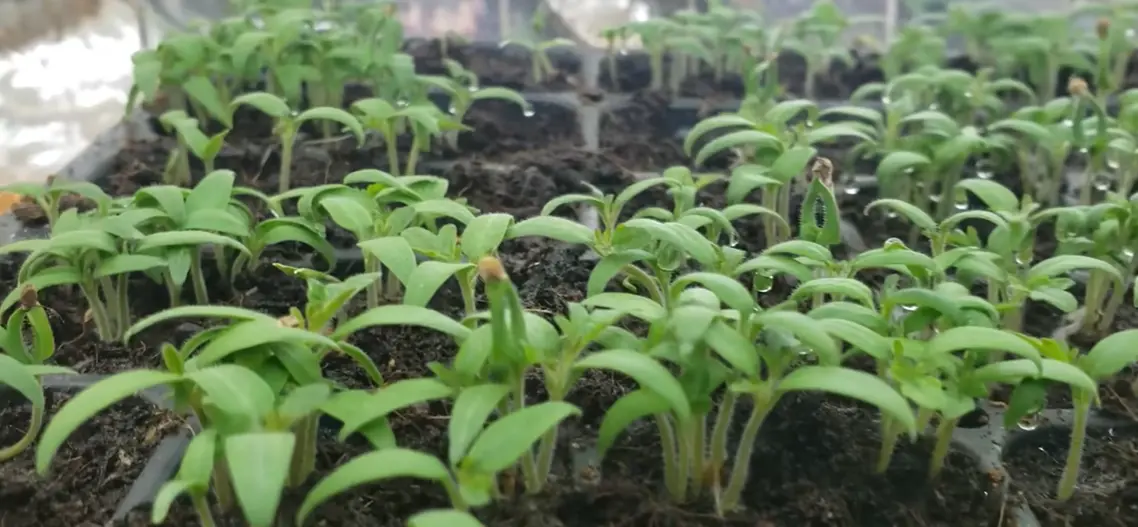
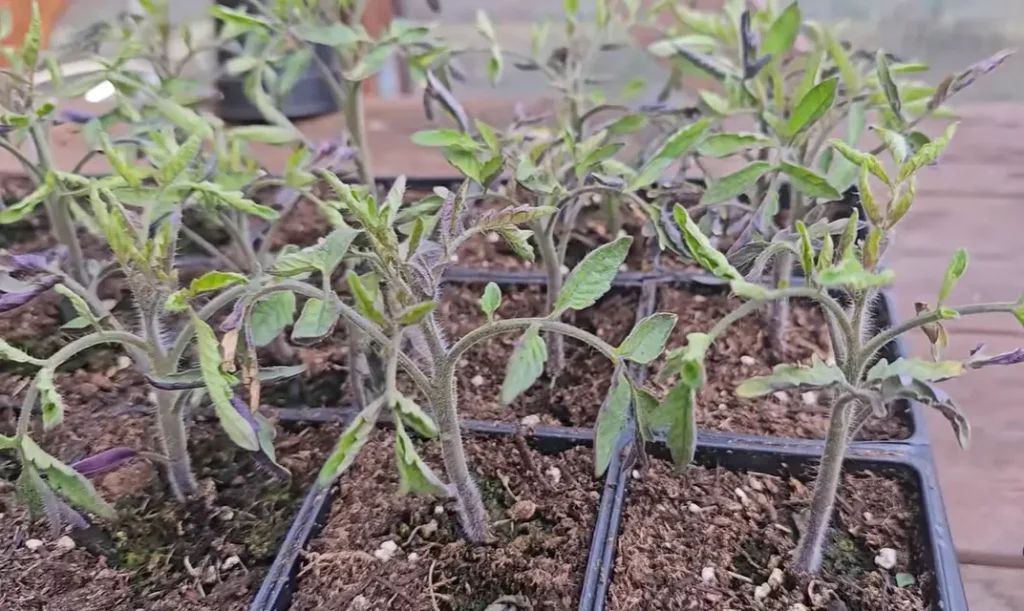
Healthy tomato seedlings have bright green leaves and sturdy stems. Seed leaves open fully and new leaves start forming quickly. Seedlings should stand upright without stretching too tall.
Weak, pale, or leggy seedlings need more light or less heat. A healthy seedling is your first step toward a successful tomato harvest.
Caring for tomato seedlings is a key step to growing healthy plants. Seedlings need the right care to grow strong roots and leaves. Proper care helps them survive the move from indoors to your garden. This section covers important tips on watering, feeding, thinning, transplanting, and avoiding common problems.
Tomato seedlings need consistent moisture. Water them gently to keep the soil damp but not soaked. Overwatering can cause root rot. Underwatering will make seedlings weak and dry.
Feed seedlings with a mild fertilizer once they develop their first true leaves. Use a balanced, water-soluble fertilizer at half strength. This helps seedlings get nutrients without burning roots. Water the soil, not the leaves, to prevent mold growth.
Thin seedlings when they have two sets of leaves. Remove the weaker plants to give room for the strong ones. Crowded seedlings compete for light and nutrients.
Transplant seedlings into bigger pots when they grow their second or third set of leaves. Handle seedlings by their leaves, not stems, to avoid damage. Use fresh potting soil and plant seedlings deeper than before for better root support.
Keep seedlings in a warm, bright place with good air circulation. Avoid cold drafts and direct hot sun. Watch for signs of pests like aphids and fungus gnats.
Prevent damping-off disease by not overwatering and using clean containers. Remove any moldy or weak seedlings immediately. Healthy seedlings resist diseases better and grow into strong tomato plants.
Hardening off and transplanting are crucial steps for growing healthy tomato plants. Seedlings grown indoors need time to adjust to outdoor conditions. Sudden changes can shock the plants and stunt their growth. Gradually exposing seedlings to sun, wind, and cooler temperatures helps them build strength. This process prepares plants for a smooth move to the garden.
Start by placing seedlings outside in a shaded spot. Keep them out there for a few hours each day. Slowly increase the time they spend outdoors over 7 to 10 days. Avoid direct sun and strong wind at first. Watch for signs of stress like wilting or yellowing leaves. Bring seedlings inside if the weather turns cold or rainy.
Wait until the last frost date has passed. Soil temperature should be at least 60°F (16°C). Seedlings should be 6 to 8 inches tall and sturdy. Transplant on a cloudy day or in the late afternoon. This reduces heat stress and helps roots settle. Make sure the ground is moist before planting.
Dig holes deep enough for the roots and stem. Plant seedlings deeper than they grew in pots. Tomatoes grow roots along buried stems, making stronger plants. Space plants 18 to 24 inches apart for airflow. Water plants well after transplanting. Mulch around the base to keep soil moist and control weeds.
Start tomato seeds indoors 6 to 8 weeks before the last spring frost date in your area.
Tomato seeds usually sprout within 5 to 10 days when kept warm and moist.
Keep the soil temperature around 70 to 75°F (21 to 24°C) for best germination.
Tomato seedlings need 12 to 16 hours of bright light daily for healthy growth.
Transplant seedlings outdoors after the last frost when they are 6 to 8 inches tall.
Starting tomato seeds indoors at the right time helps plants grow strong. Begin seeds about six to eight weeks before the last frost date. This timing gives seedlings enough time to develop before moving outside. Watch the calendar and local weather to plan well.
Healthy seedlings lead to a better tomato harvest later. Remember, early care and timing make a big difference. Keep your plants warm and bright while indoors. Soon, you will enjoy fresh tomatoes from your own garden. Simple steps bring great results.