Gardening Made Simple.
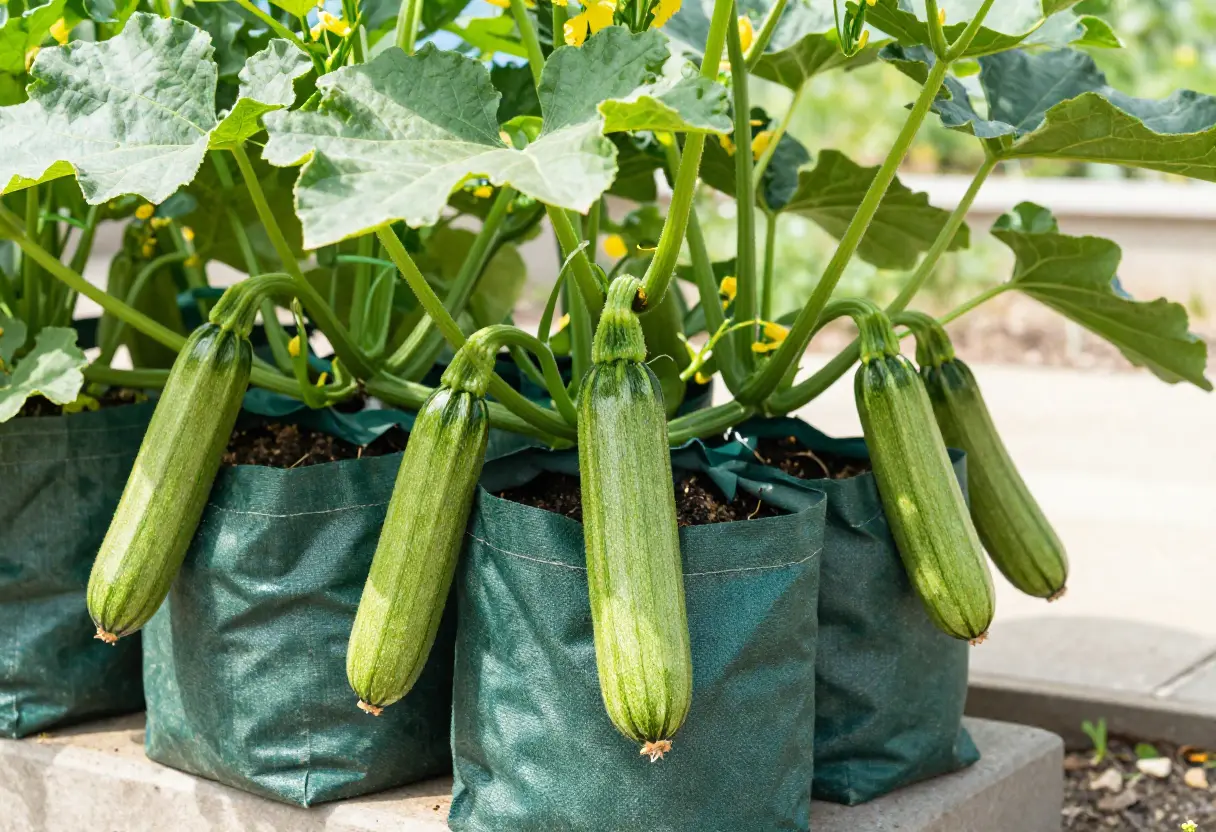
Can You Grow Zucchini in a Container? Absolutely—and it’s a great solution if you’re short on garden space. Are you dreaming of fresh, homegrown zucchini but think you don’t have enough space? What if you could grow this versatile vegetable right on your balcony, patio, or small garden using just a container? With the right pot size, soil, and care, container-grown zucchini can produce an impressive harvest.
Growing zucchini in a container might sound tricky, but it’s easier than you think—and the rewards are delicious. Imagine picking crisp, vibrant zucchini from your own little garden, no matter where you live. Keep reading, and you’ll discover simple steps and insider tips to make your container-grown zucchini thrive.
Your garden, your way, is closer than you realize.
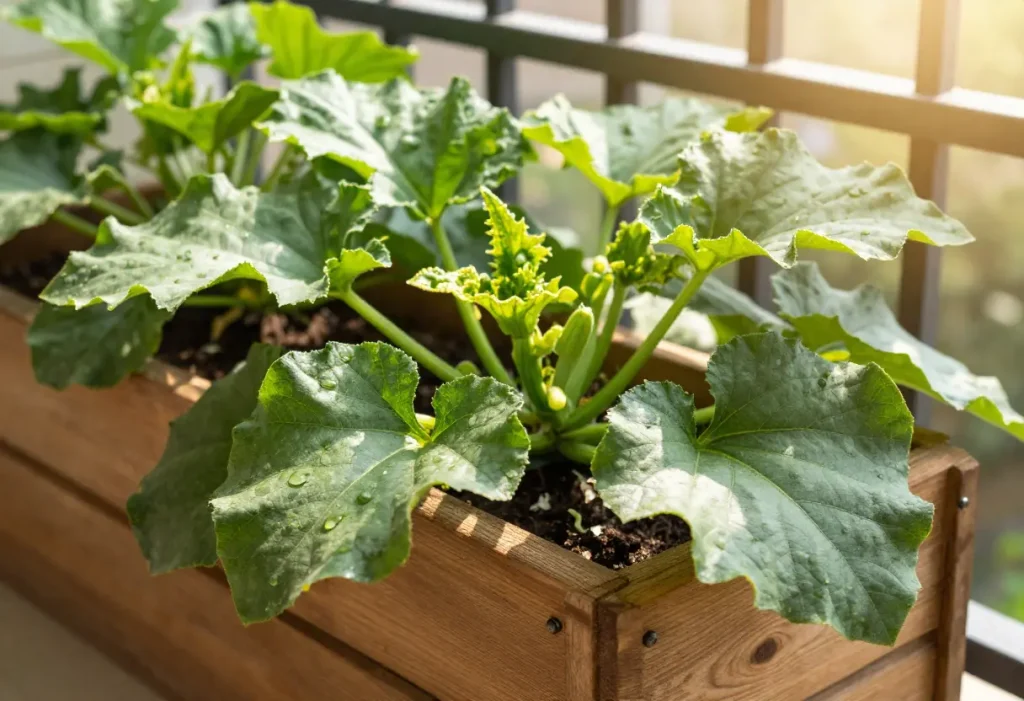
Choosing the right container for growing zucchini is key to a healthy plant. A good container gives enough space for roots and keeps the soil moist. It also helps your zucchini get enough air and sunlight. Picking the right size, material, and drainage features makes your container garden successful.
Zucchini plants need plenty of room to grow. Choose a container at least 12 inches deep. The width should be about 18 inches or more. This space helps roots spread and absorb water well. Small containers can stop your zucchini from growing strong.
Containers come in many materials like plastic, clay, and wood. Plastic containers are light and hold moisture well. Clay pots breathe better but dry out faster. Wood containers keep soil cool but can rot over time. Pick a material that suits your climate and watering habits.
Good drainage stops water from pooling at the roots. Too much water can cause root rot and kill your plant. Make sure your container has holes at the bottom. If not, drill some before planting. Add small stones or broken pottery at the bottom for extra drainage help.
Picking the best zucchini variety helps you grow healthy plants in containers. Some types do better in small spaces. Choosing the right kind saves space and gives a good harvest. It also makes gardening easier for beginners.
Many zucchini types exist. Some grow large and spread wide. Others stay small and fit well in pots. Knowing which to pick is important for container gardening success.
Compact zucchini varieties stay smaller and bushier. These plants fit well in pots and small spaces. Varieties like 'Bush Baby' and 'Raven' work great in containers. They need less room but still produce many zucchinis. These types also grow faster. You can start harvesting earlier than with large varieties.
Starting zucchini from seeds is cheaper. You can plant many seeds in one container. Seeds take longer to grow at first. Seedlings are young plants. They grow faster and give quicker harvests. Buying seedlings saves time and effort. Choose seedlings if you want an early crop. Seeds are good for gardeners who like to watch plants grow from the start.
Growing zucchini in containers needs the right soil and fertilizer. Good soil helps the plant grow strong roots. Fertilizer gives the plant the nutrients it needs to produce tasty fruits. Paying attention to soil and fertilizer boosts your zucchini harvest.
Zucchini grows best in soil that drains well. Use a mix of potting soil and compost. The soil should feel light and fluffy. Avoid heavy soils that hold too much water. Adding perlite or sand helps with drainage. Healthy soil keeps roots healthy and happy.
Zucchini plants need nitrogen, phosphorus, and potassium. Nitrogen helps leaves grow big and green. Phosphorus supports strong roots and flowers. Potassium improves fruit quality and disease resistance. Trace minerals like calcium and magnesium also help. Balanced nutrients keep your zucchini plant healthy.
Start with fertilizer when planting zucchini. Use a slow-release fertilizer in the soil mix. Feed the plant every two weeks during growing season. Choose a balanced fertilizer with equal N-P-K numbers. Water the plant after fertilizing to help nutrients soak in. Regular feeding supports steady growth and fruit production.
Planting and spacing zucchini in containers is key for healthy growth and good harvests. Proper planting depth helps seeds sprout strong and steady. Correct spacing in containers gives plants room to grow leaves and fruits. Both affect how well zucchini plants thrive in limited space.
Plant zucchini seeds about 1 inch deep in the soil. This depth protects seeds and helps them sprout evenly. Cover seeds lightly with soil and press gently. Keep soil moist but not soaked for best germination. Planting too deep may stop seeds from growing well.
Give each zucchini plant at least 12 to 18 inches of space. Crowded plants do not get enough air or sunlight. Use a large container, at least 12 inches wide and 12 inches deep. Space seeds or seedlings evenly to avoid crowding. Proper spacing helps prevent diseases and boosts fruit size.
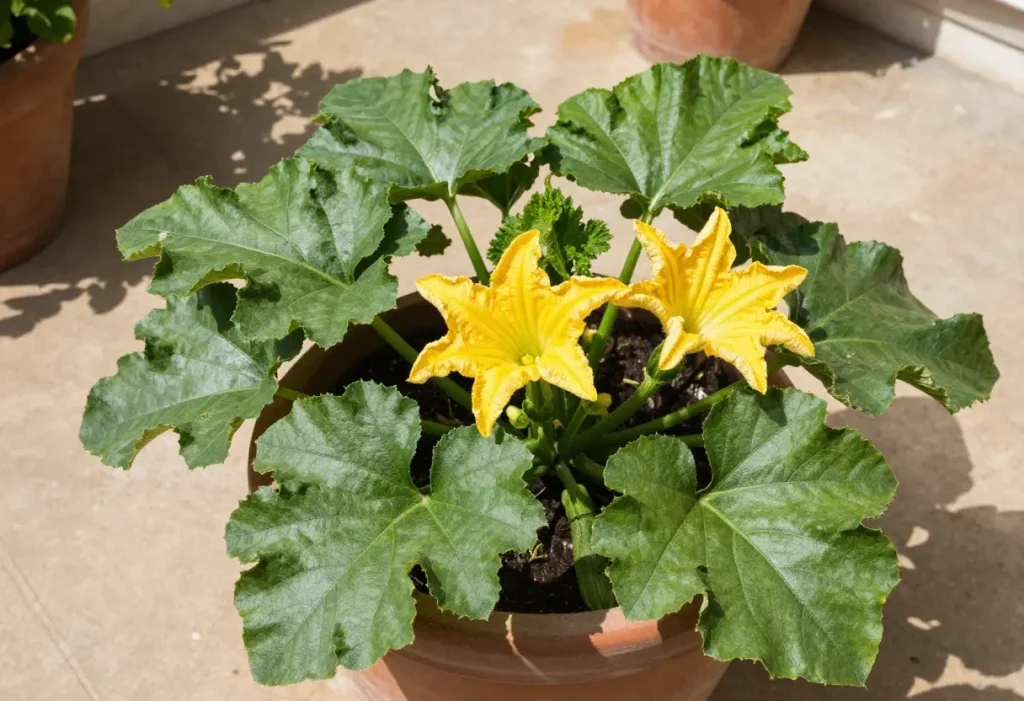
Watering zucchini in containers needs care. Good watering helps plants grow strong. Too little water makes plants dry. Too much water harms roots. Finding the right balance keeps zucchini healthy. Here are some key tips on watering techniques.
Zucchini plants need consistent moisture. Water deeply to reach roots. Usually, give about 1 to 2 inches of water per week. Check soil daily by touch. Soil should feel moist but not soggy. Water more often in hot, dry weather. Morning watering helps plants absorb water well.
Overwatering causes root rot and weak plants. Use containers with drainage holes to let excess water out. Avoid watering if soil feels wet on top. Let soil dry slightly between watering sessions. Overwatered leaves may turn yellow or wilt. Proper drainage and careful watering prevent these problems.
Sunlight and temperature play a big role in growing zucchini in containers. These two factors affect plant growth, fruit quality, and yield. Knowing the right light and heat needs helps you get the best harvest. This section explains the ideal conditions for zucchini plants in containers.
Zucchini plants need a lot of sunlight to grow well. At least six to eight hours of direct sunlight daily is best. Place your container in a spot that gets full sun most of the day. Less light can cause weak plants and fewer fruits. Bright light supports healthy leaves and strong vines. Avoid shady areas or spots with only morning sun.
Zucchini thrives in warm temperatures. The best range for growth is between 70°F and 85°F (21°C to 29°C). Cooler temperatures below 50°F (10°C) can slow growth or damage the plant. Very high heat above 95°F (35°C) may cause flowers to drop and reduce fruit size. Keep your container in a warm place with good air circulation. Avoid cold drafts or sudden temperature changes.
Growing zucchini in containers brings many joys, but pests and diseases can cause trouble. Keeping your plants healthy means watching for problems early. Good care helps zucchini grow strong and produce well.
Zucchini plants attract pests like squash bugs and aphids. These bugs suck the plant's sap, making leaves wilt and curl. Spider mites also appear in hot, dry weather. They create tiny webs and cause yellow spots on leaves. Caterpillars may chew holes in the leaves. Check your plants regularly to spot these pests early.
Diseases like powdery mildew and bacterial wilt can harm zucchini. Avoid these by giving plants enough space and sunlight. Water the soil, not the leaves, to keep them dry. Use fresh soil and clean containers for planting. Remove any dead leaves or infected plants quickly to stop spread.
Natural methods help control pests and diseases safely. Spray a mix of water and mild soap on leaves to remove aphids. Neem oil works well against many insects and fungi. Attract ladybugs and lacewings to eat harmful bugs. Use garlic or chili pepper spray to keep pests away. These remedies protect plants without chemicals.
Harvesting zucchini from a container garden is simple and rewarding. Picking zucchini at the right time keeps plants healthy and encourages more growth. Proper harvesting techniques protect your plants and improve fruit quality.
Pick zucchini when they are 6 to 8 inches long. Smaller zucchinis taste better and have a tender texture. Check your plants every day. Zucchini grows fast. Harvesting early stops the fruit from becoming tough and seedy.
Use a sharp knife or garden scissors to cut the zucchini. Cut the stem about one inch from the fruit. Avoid pulling or twisting the zucchini off the plant. This can harm the plant. Handle the fruit gently to avoid bruises. Store zucchini in a cool, dry place after picking.
Growing zucchini in containers can be very rewarding. Yet, some common problems may arise. Knowing how to fix these issues keeps plants healthy and productive.
Yellow leaves often mean too much water or poor drainage. Check the soil moisture. It should be damp, not soggy. Too much water causes roots to rot. Also, lack of nutrients can cause yellowing. Use a balanced fertilizer to feed the plant. Yellow leaves may also signal pests. Inspect leaves for insects or eggs. Remove pests by hand or use safe sprays.
Small or no fruit can frustrate gardeners. Poor pollination is a common cause. Bees and other pollinators may not visit container plants well. You can pollinate by hand using a soft brush. Another reason is lack of sunlight. Zucchini needs at least 6 hours of sun daily. Too much shade lowers fruit growth. Also, check for nutrient deficiencies. Phosphorus and potassium help fruit grow strong.
Wilting shows stress in zucchini plants. It may come from underwatering. Containers dry out faster than garden soil. Water plants deeply and regularly. Wilting can also mean root damage. Check roots for rot or pests. Heat stress causes wilting too. Provide shade during the hottest part of the day. Use mulch to keep soil cool and moist.
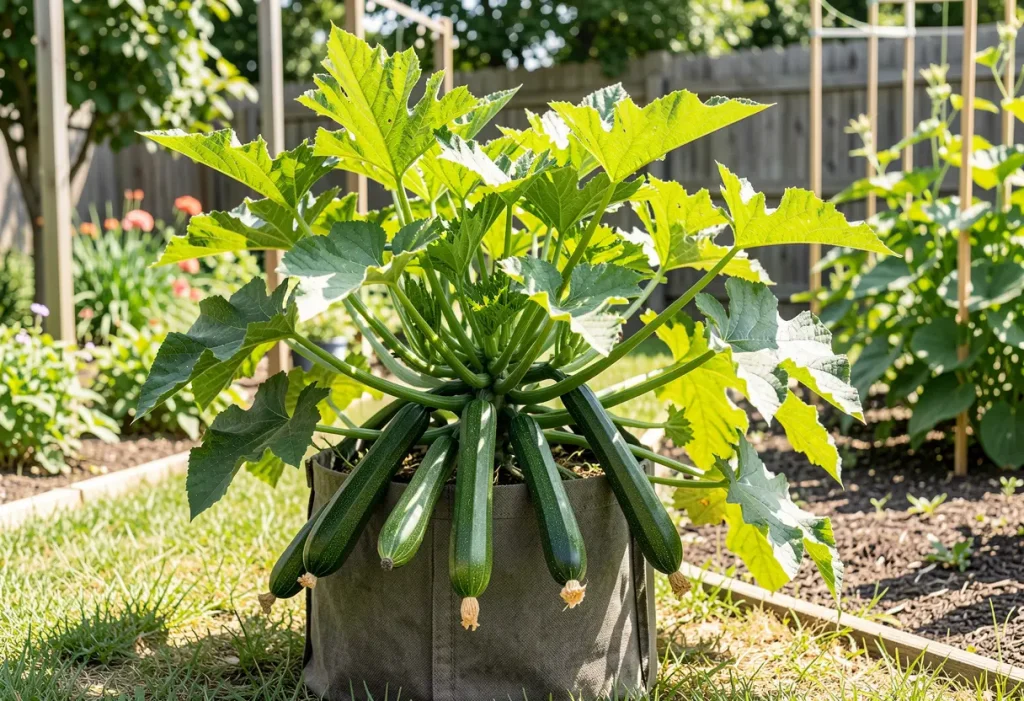
Yes, zucchini can grow in small containers but need at least 5 gallons of soil. Ensure good drainage and regular watering for healthy growth.
Loose, well-drained soil rich in organic matter works best for container zucchini. Avoid heavy or clay soils that hold too much water.
Zucchini plants need at least 6 to 8 hours of direct sunlight every day. More sun means better growth and more fruit.
Water container zucchini deeply about 2 to 3 times a week, more in hot weather. Keep soil moist but not soggy.
Yes, zucchini can grow indoors if placed near a bright window or under grow lights. Indoor plants may need extra care and pollination help.
Growing zucchini in a container is simple and rewarding. Choose a large pot with good drainage. Use rich soil and water often to keep it moist. Place the container where the plant gets plenty of sunlight. You can enjoy fresh zucchini even with little space.
Gardening this way fits small patios or balconies well. Give it a try, and watch your zucchini grow healthy and strong. Happy gardening!