Gardening Made Simple.
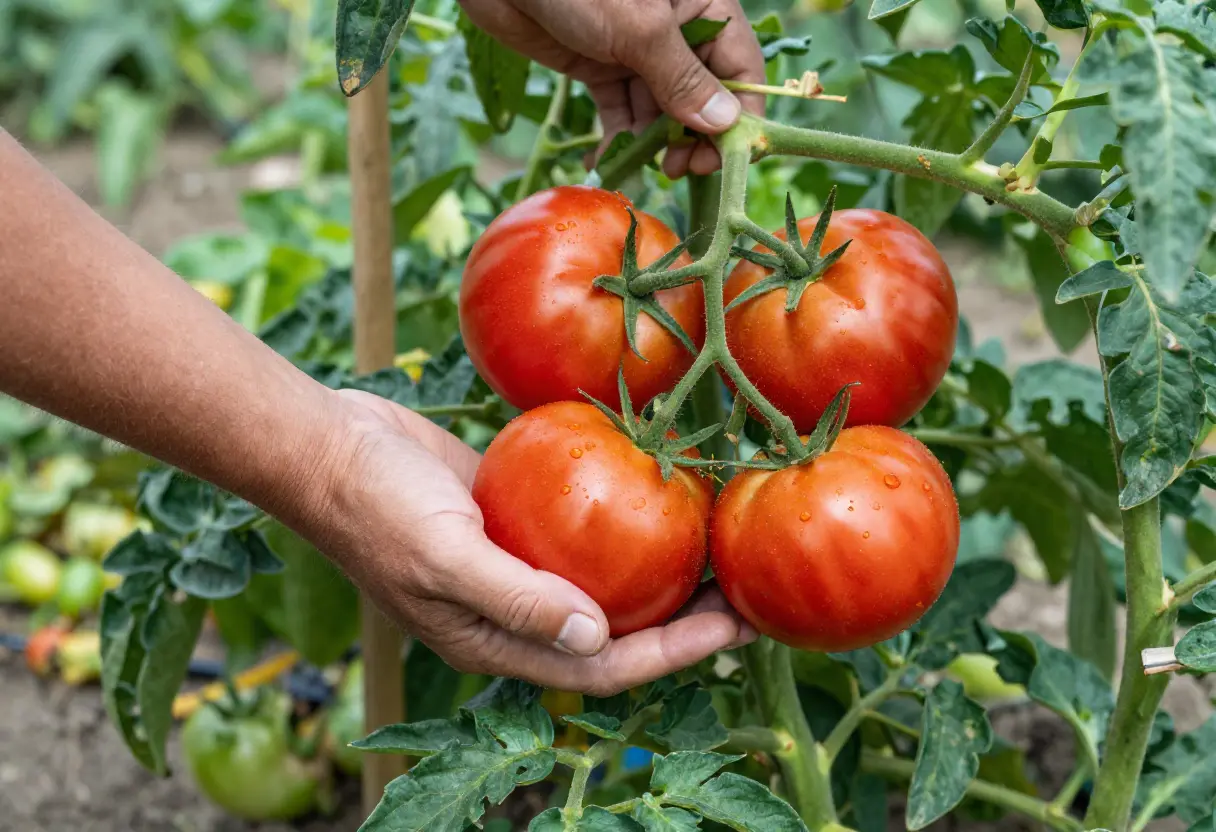
Are you ready to grow juicy, flavorful tomatoes at home? Growing Big Beef Tomatoes is easier than you think with the right tips and care.
Imagine biting into a thick, meaty slice that bursts with fresh flavor – that’s the reward waiting for you. In this guide, you’ll discover simple steps to help your tomato plants thrive and produce those impressive, hefty fruits you’ve been dreaming about.
Keep reading, and let’s turn your tomato-growing goals into reality!
Choosing the right variety is the first step to growing big beef tomatoes successfully. The variety you pick affects the size, taste, and health of your tomatoes. Different types offer unique benefits that suit various growing conditions and personal tastes. Picking a good variety means better harvests and happier plants.
Heirloom tomatoes come from seeds passed down for many years. They often have rich flavors and unique shapes. These tomatoes may be less uniform but offer great taste. Hybrid tomatoes are bred for specific traits like size and disease resistance. They usually produce bigger fruits and grow faster. Both types can grow big beef tomatoes well. Choose based on what matters most: flavor or ease of growing.
Disease can harm tomato plants and reduce yield. Choosing varieties with disease resistance helps protect your crop. These tomatoes fight common problems like blight and wilt. Resistant plants need less care and fewer chemicals. This choice saves time and increases your chances of a good harvest. Look for varieties labeled as disease-resistant for healthier plants.
Preparing the soil well is key for growing big beef tomatoes. Healthy soil helps plants grow strong and produce large fruits. Good soil gives roots what they need: air, water, and nutrients. Poor soil makes plants weak and small.
Beef tomatoes grow best in loose, well-drained soil. Sandy loam is perfect. It holds water but drains extra moisture. Soil should be rich in organic matter. This keeps soil soft and full of nutrients. Avoid heavy clay soils that hold too much water. Also, avoid sandy soils that dry out fast. Aim for soil with a pH between 6.0 and 6.8. This range helps tomatoes absorb nutrients well.
Test soil before planting. A soil test shows nutrient levels and pH. You can buy test kits or send samples to labs. Adjust soil based on results. Add lime to raise pH if soil is too acidic. Add sulfur to lower pH if it is too high. Mix in compost to improve soil texture and nutrients. Use balanced fertilizer to provide nitrogen, phosphorus, and potassium. Work amendments into the soil deeply for best results.
Growing big beef tomatoes starts with the right planting techniques. Healthy plants need careful attention from seed to soil. Proper planting helps plants grow strong and produce large, juicy tomatoes. Follow these steps to give your plants the best start.
Begin seeds indoors about 6 to 8 weeks before the last frost date. Use seed trays or small pots filled with light seed-starting mix. Plant seeds ¼ inch deep. Keep the soil moist but not soaked. Provide warmth by placing trays on a heating mat or near a sunny window. Seedlings appear in 5 to 10 days. Thin seedlings to one per cell for better growth.
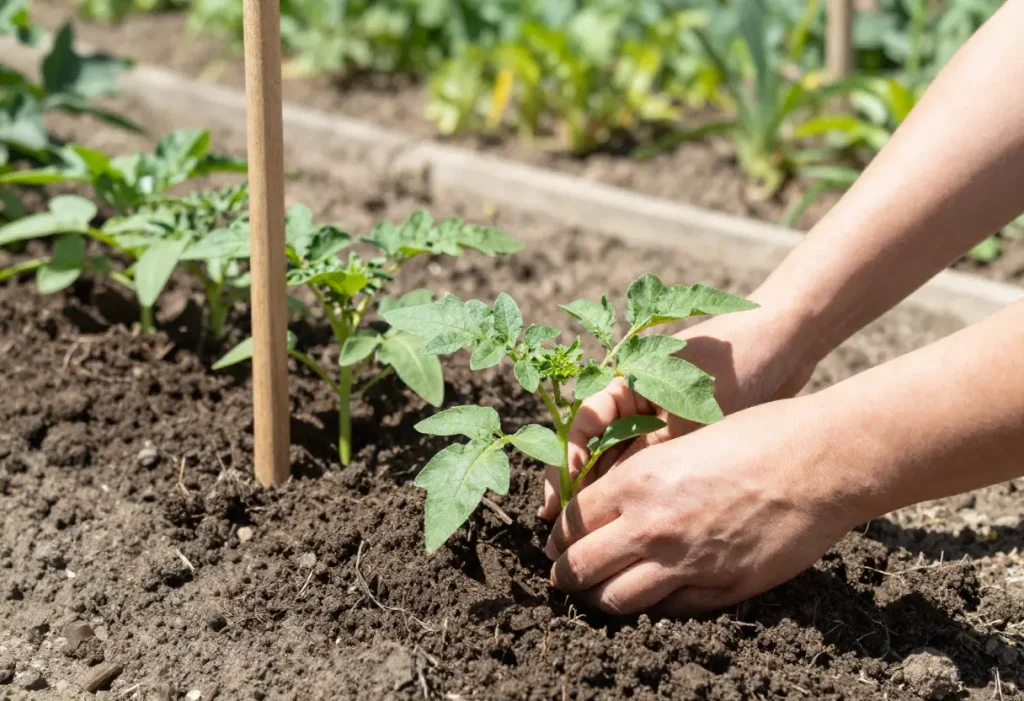
Transplant seedlings outdoors after the last frost date. Choose a sunny spot with well-drained soil. Harden off seedlings by gradually exposing them to outdoor conditions for 7 to 10 days. Plant deep, burying two-thirds of the stem to encourage strong roots. Space plants 24 to 36 inches apart to allow air circulation. Water thoroughly after planting to settle the soil around roots.
Water plays a key role in growing big beef tomatoes. Proper watering helps plants stay healthy and produce large, juicy fruits. Too little water causes stress and small tomatoes. Too much water leads to root problems and weak plants. Finding the right watering strategy is essential for success.
Tomatoes need regular watering, especially during hot days. Water deeply but less often to encourage strong roots. Usually, watering every two to three days works well. Adjust based on weather and soil type. Avoid watering the leaves to prevent disease. Early morning watering reduces water loss from evaporation.
Drip irrigation delivers water directly to the plant roots. This method saves water and keeps soil moist. It reduces weed growth and lowers leaf wetness, cutting disease risk. Drip systems can be set on timers for easy care. Using drip irrigation helps grow bigger, healthier beef tomatoes.
Fertilizing big beef tomatoes helps plants grow strong and healthy. It gives them the nutrients needed to develop large, juicy fruits. Proper feeding supports roots, leaves, and fruit growth. Choosing the right fertilizer and applying it correctly is very important. This section explains key nutrient needs and types of fertilizers.
Tomato plants need three main nutrients: nitrogen, phosphorus, and potassium. Nitrogen helps leaves grow green and healthy. Phosphorus supports strong roots and flower development. Potassium improves fruit size and taste. Tomatoes also need smaller amounts of calcium, magnesium, and iron. Lack of nutrients can cause poor growth and small fruits. Regular feeding helps plants stay healthy and productive.
Organic fertilizers come from natural sources like compost and manure. They release nutrients slowly and improve soil health. These fertilizers are safer for the environment and build long-term soil fertility. Synthetic fertilizers are made from chemicals. They provide nutrients quickly and show fast results. However, overuse can harm soil and plants. Choosing between organic and synthetic depends on your garden and goals. Both types can help grow big beef tomatoes when used properly.
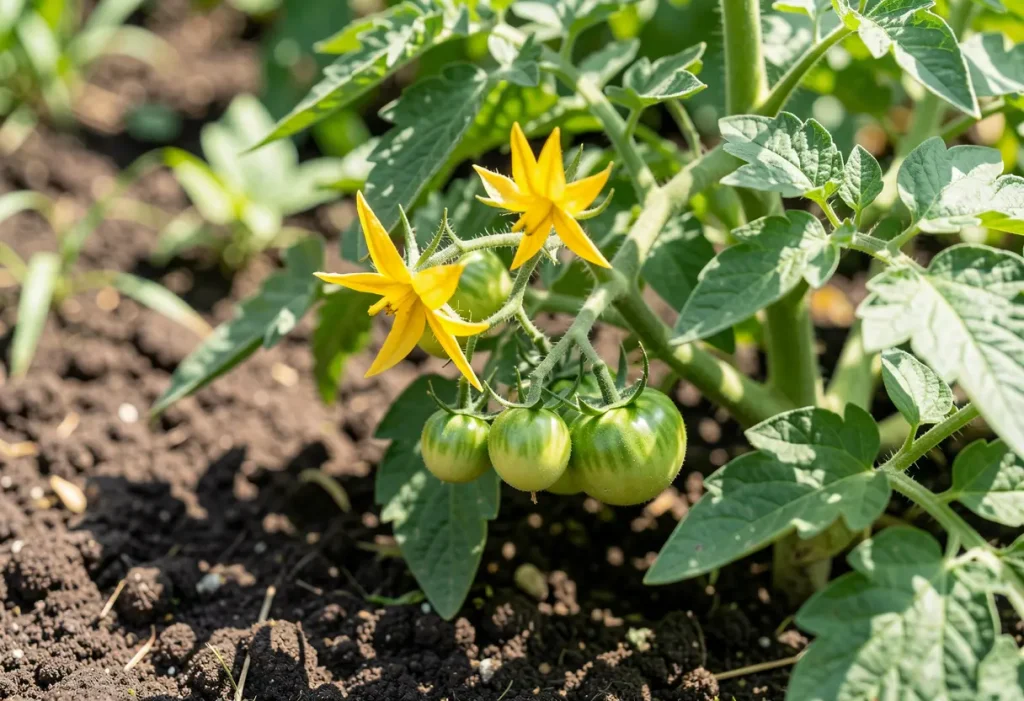
Pruning and support are key for growing big beef tomatoes. These plants need room to grow and strong support to hold heavy fruit. Proper care helps tomatoes get more air and light. This leads to bigger, healthier tomatoes. Simple steps can make a big difference in your garden.
Suckers are small shoots that grow between the main stem and branches. They take energy away from fruit growth. Remove suckers regularly with your fingers or scissors. This helps the plant focus on growing big tomatoes. Keep the main stem clear for better air flow and light.
Beef tomato plants grow tall and heavy with fruit. Use stakes or cages to support them. Tie plants gently to stakes with soft ties. Cages hold branches upright and prevent breakage. Support stops fruit from touching the ground. This reduces disease and keeps tomatoes clean.
Growing big beef tomatoes can be very rewarding, but pests and diseases often threaten the plants. Protecting your crop is essential to enjoy healthy and large fruits. Careful pest and disease control keeps your tomato plants strong and productive.
Tomato plants attract many pests that can damage leaves and fruits. Aphids are tiny insects that suck plant juices. They cause leaves to curl and stunt growth. Tomato hornworms are large caterpillars that eat leaves and fruit. Whiteflies also feed on plant sap and spread disease. Spider mites create webs and cause yellow spots on leaves. Early detection helps prevent serious damage.
Natural remedies help control pests without harmful chemicals. Use neem oil spray to repel aphids and whiteflies. Introduce ladybugs to your garden; they eat aphids and other pests. Garlic spray can keep hornworms away. Handpick large pests like hornworms and remove them. Keep plants healthy by watering and fertilizing properly. Healthy plants resist pests and diseases better.
Harvesting big beef tomatoes at the right time brings the best taste and texture. Proper handling and storage keep them fresh and juicy for longer. Knowing when and how to pick and store these tomatoes helps you enjoy their full flavor.
Pick tomatoes when they are fully red and slightly soft. They should feel firm but give a little under gentle pressure. Avoid harvesting too early; green tomatoes lack sweetness. Late picking can cause overripe, mushy tomatoes. Morning is the best time to harvest, as tomatoes are cool and firm.
Handle tomatoes gently to avoid bruising. Use both hands when picking to support their weight. Store tomatoes at room temperature, away from direct sunlight. Avoid placing them in the refrigerator; cold reduces their flavor. If tomatoes start to soften, use them quickly or make sauces.
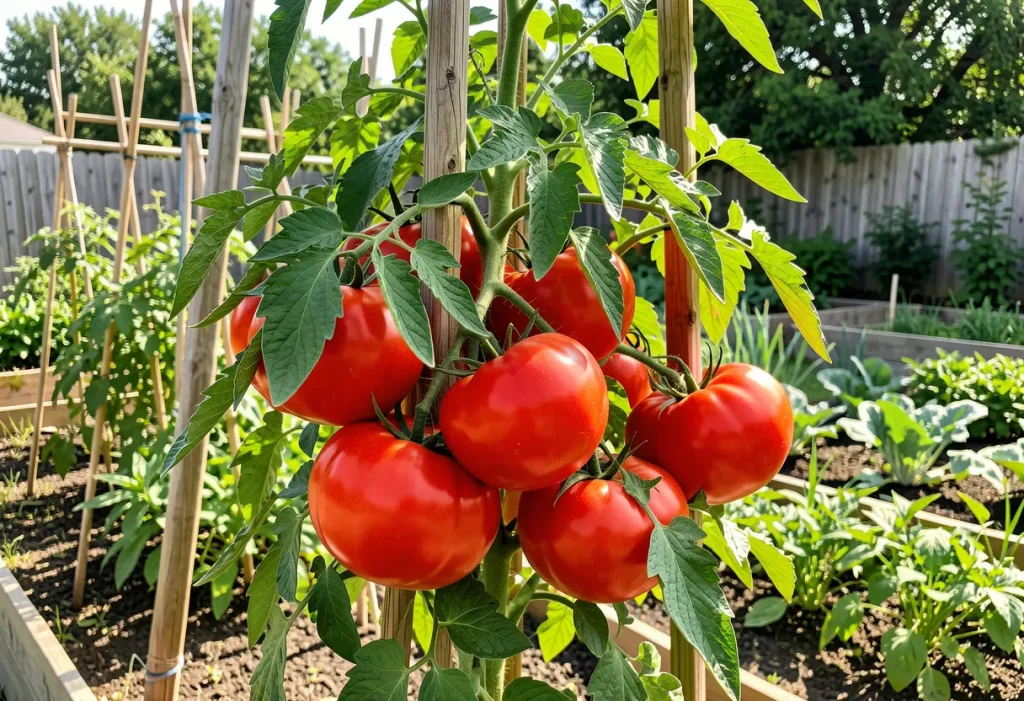
Big beef tomatoes grow best in well-drained, rich soil. Loamy soil with organic matter helps roots grow strong. Good drainage prevents root rot and supports healthy plants.
Beef tomatoes need at least 6 to 8 hours of sunlight. Full sun helps fruits ripen and develop good flavor. Less light can lead to weak plants and fewer tomatoes.
Water beef tomato plants deeply once or twice a week. Keep the soil consistently moist but not soggy. Avoid wetting leaves to prevent diseases.
Prune beef tomato plants after they reach 12 inches tall. Remove lower leaves and suckers to improve air flow. This helps plants focus energy on bigger fruits.
Use a balanced fertilizer with equal nitrogen, phosphorus, and potassium. Apply fertilizer every 3 to 4 weeks during growing season. Too much nitrogen causes more leaves, fewer fruits.
Growing big beef tomatoes takes patience and care. Choose healthy plants and give them plenty of sunlight. Water regularly but avoid soaking the soil. Support the plants with stakes or cages. Watch for pests and remove them quickly. Harvest tomatoes when they turn deep red and feel firm.
Enjoy fresh, juicy tomatoes from your own garden. Small steps lead to big, tasty results. Keep trying, and your garden will reward you. Simple care brings delicious beef tomatoes to your table.